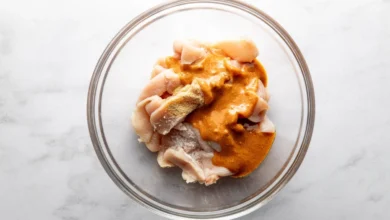
The Secret Behind America’s Favorite School Lunch Sloppy Joes And How One Mom Cracked the Code

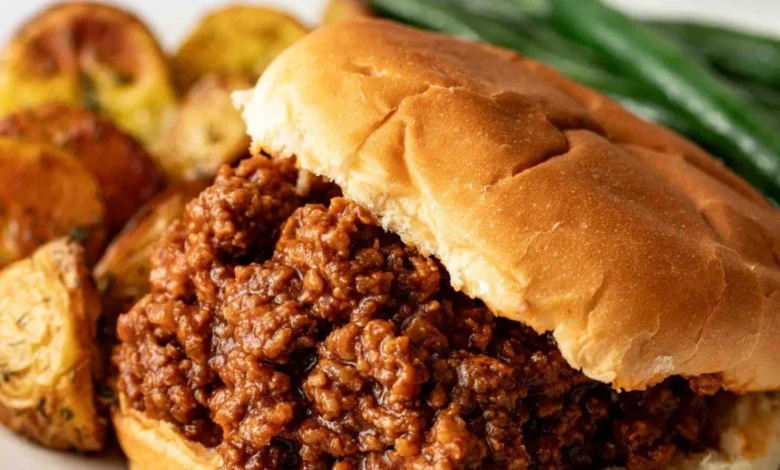
The humble Sloppy Joe has long held a nostalgic place in American culinary history, serving as a staple of both household dinners and institutional cafeteria menus for generations. Recently, however, the classic comfort food has found itself back in the culinary spotlight following a viral home-cooking quest by food blogger and author Lindsay Ostrom. What began as a simple family request for a nostalgic school-lunch favorite evolved into an investigation of institutional cafeteria recipes, standardized school nutrition, and the psychological appeal of comfort foods in modern American households.
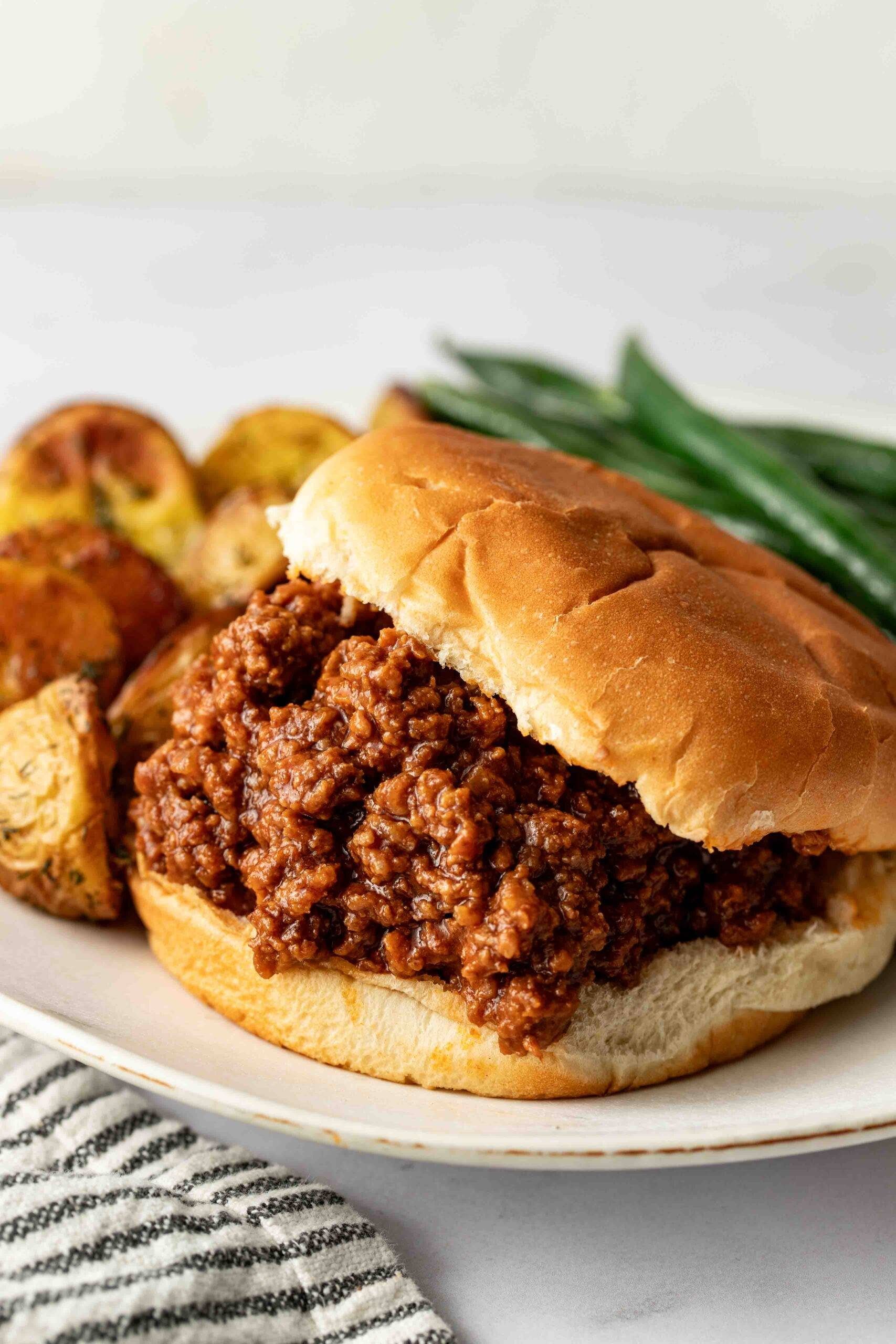
The Origin and Evolution of the Sloppy Joe
The roots of the Sloppy Joe trace back to the early 20th century in the United States, with various historical claims pointing to Key West, Florida, and Sioux City, Iowa. Originally known as a "loose meat sandwich," the dish gained widespread popularity during the Great Depression because ground beef was economical and could easily be extended to feed large families. By the mid-century, canned tomato sauces and commercial condiments transformed the recipe into the sweet, tangy, and messy sandwich recognized today.
Over decades, school cafeterias across the United States adopted the Sloppy Joe as a menu staple. Its high yield, low cost, and universal appeal among children made it a fixture of the National School Lunch Program, established under the National School Lunch Act of 1946. Despite fluctuating nutritional standards and the introduction of whole-grain buns and lean proteins in recent decades, the core flavor profile—a savory, tomato-based meat mixture—remained largely unchanged, cementing itself in the collective memory of generations of students.

The Quest for the Authentic Cafeteria Taste
The recent renewed interest in institutional-style Sloppy Joes began when Ostrom’s young daughter repeatedly requested the dish for dinner, only to politely reject homemade iterations in favor of the version served at her local school. According to the culinary account, standard home-cooking adjustments—such as the incorporation of freshly diced onions, bell peppers, and minced garlic—inadvertently distanced the homemade versions from the distinct, uniform flavor profile found in school cafeterias.
To solve the culinary dilemma, Ostrom reached out to contacts within local school food service operations. The investigation revealed a surprising institutional secret: commercial and school-grade Sloppy Joes often eschew fresh, chunky vegetables in favor of smooth, concentrated flavor bases. By eliminating diced vegetables and relying instead on garlic powder, onion powder, beef bouillon, ketchup, and barbecue sauce, home cooks can replicate the texture and taste profile characteristic of mass-prepared cafeteria meals.
Culinary Methodology and Standardization
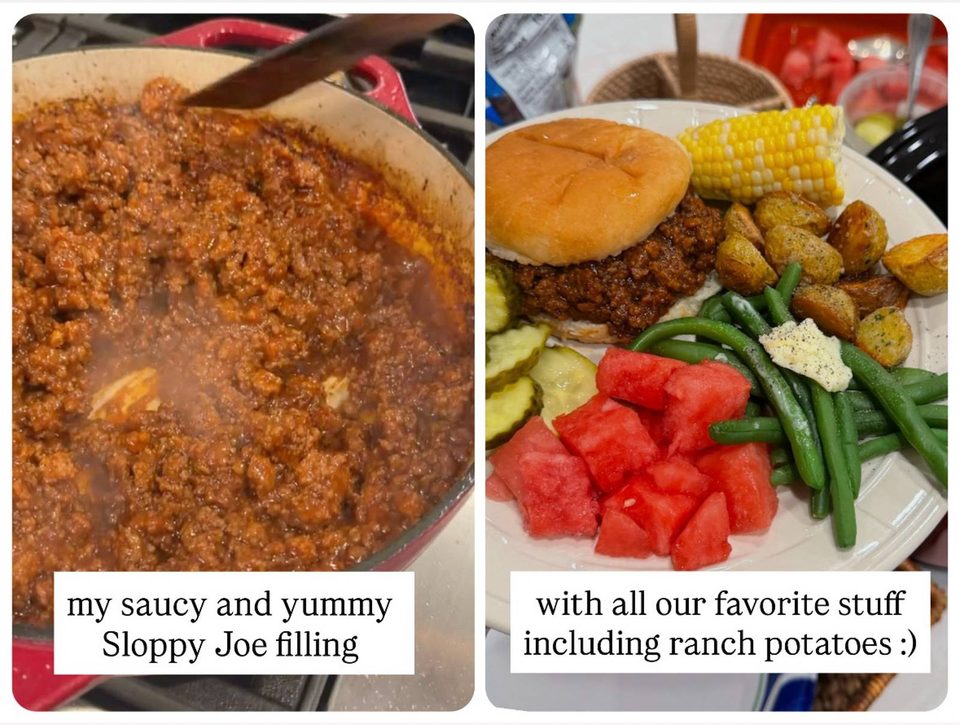
Replicating institutional recipes at home often requires understanding how commercial food service operations maximize flavor and efficiency with minimal ingredients. The decoded Sloppy Joe recipe relies on a specific sequence of culinary steps designed to optimize texture and depth of flavor without the complexity of chopping fresh produce.
- The Browning Phase: Ground beef is added to a heavy-bottomed pan or Dutch oven and left undisturbed for several minutes. This technique allows the meat to develop a deep golden-brown crust, known as the Maillard reaction, which provides the primary savory foundation of the dish.
- The Seasoning Integration: Rather than building a sauce from raw aromatics, the recipe incorporates dehydrated flavor agents—specifically garlic powder and onion powder—alongside beef bouillon granules, ketchup, and a sweet, smoky barbecue sauce.
- Simmering and Reduction: Water is added to adjust the viscosity, and the mixture is allowed to simmer. In a food service setting, holding the mixture on low heat allows the sugars in the ketchup and barbecue sauce to caramelize around the edges, deepening both the color and the flavor profile.
To accompany the sandwiches, the meal is traditionally paired with seasoned roasted potatoes, frequently enhanced with commercial ranch seasoning, butter, and fresh dill, reflecting modern trends in elevating classic comfort food pairings.

Broader Culinary and Cultural Implications
The resurgence of interest in cafeteria-style recipes highlights a broader cultural phenomenon: the elevation of nostalgic, non-fancy comfort foods in contemporary home cooking. Food historians note that during periods of economic uncertainty or psychological stress, consumers frequently gravitate toward familiar, unpretentious meals that evoke feelings of safety and childhood comfort.
Furthermore, the trend underscores a shift in how home cooks interact with institutional recipes. While gourmet cooking shows and fine dining have historically dominated culinary media, the accessibility and simplicity of mass-catering formulas offer a counter-movement. By demystifying how institutional meals are produced, home cooks are increasingly able to bridge the gap between commercial efficiency and domestic preference.

Nutritionists and food industry analysts point out that while school meals must adhere to strict federal guidelines regarding sodium, saturated fats, and whole grains, replicating these dishes at home allows families to customize ingredient quality—such as choosing organic beef or reduced-sugar condiments—while retaining the exact flavor profile children find comforting. As families continue to seek quick, affordable, and universally accepted dinner solutions, the enduring appeal of the cafeteria-style Sloppy Joe demonstrates that culinary perfection is often measured not by complexity, but by nostalgia and shared experience.