The Ultimate Crowd-Pleasing Stovetop Mac and Cheese Recipe Takes Center Stage for Large Gatherings

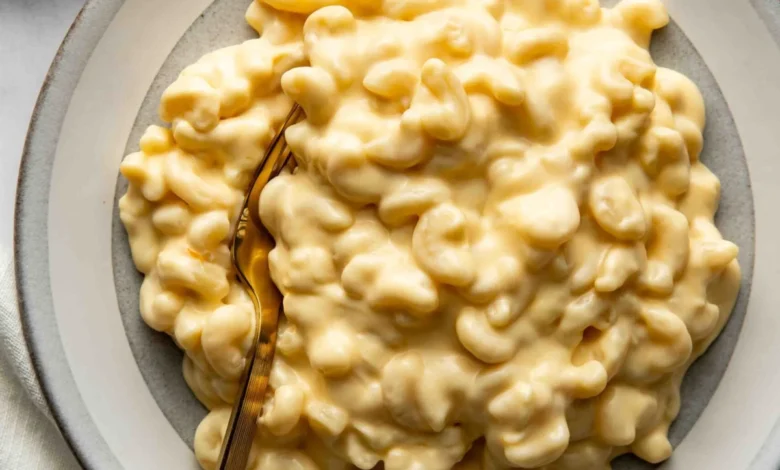
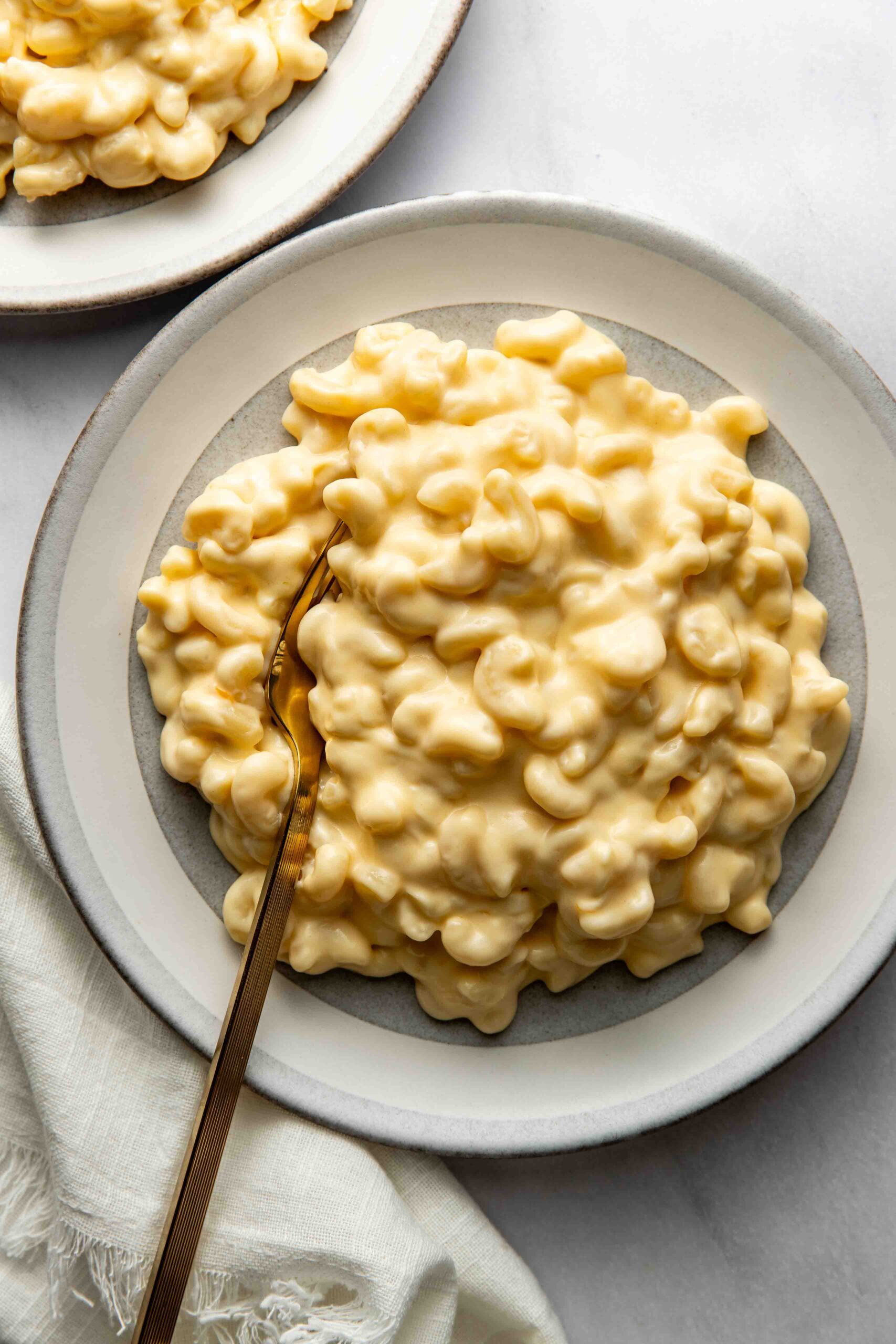
Food enthusiasts and home cooks are continually searching for recipes that bridge the gap between elevated comfort food and scalable preparation for large groups. Among the endless variations of the classic American comfort dish, a newly highlighted stovetop macaroni and cheese recipe, championed by recipe developer Lindsay Ostrom, has gained significant traction for its velvety texture and reliability when feeding crowds. Modeled after the rich, thick profiles popularized by fast-casual chains like Panera Bread, this dish offers a masterclass in stovetop culinary technique, balancing a traditional bechamel base with carefully curated cheese blends to achieve optimal emulsification and flavor.
Background Context and Event Origin
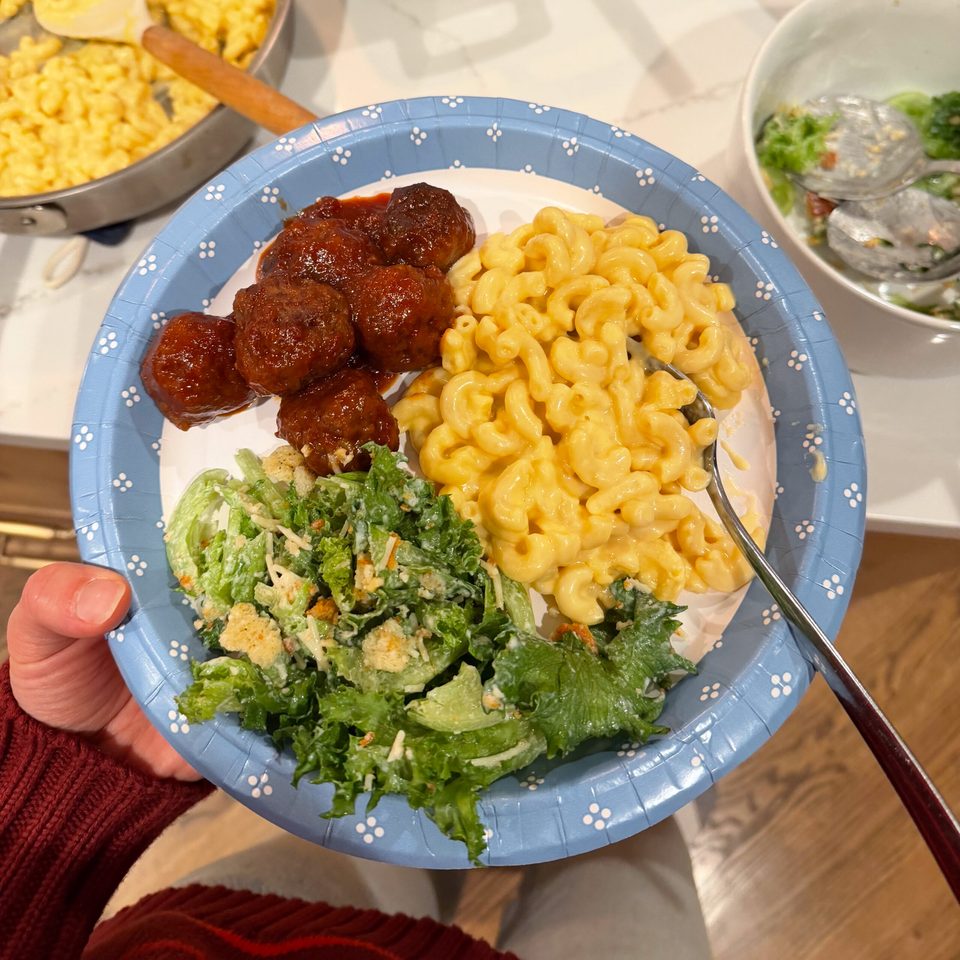
The recipe’s recent surge in public visibility stems from a community fundraising event held earlier this year. Ostrom’s household hosted a welcome-home celebration following a grueling 50-plus-mile charity bicycle ride undertaken by her husband and daughter to raise funds and awareness for frog conservation. Catering to an influx of 25 hungry participants at the conclusion of the endurance ride presented a logistical culinary challenge: preparing a comforting, high-yield meal that could satisfy a diverse group of guests efficiently.

Macaroni and cheese was selected as the centerpiece of the menu, paired alongside house-made barbecue meatballs. The dish proved to be an overwhelming success among the attendees, with multiple guests requesting the precise formulation before the evening concluded. Since that initial deployment, the recipe has become a staple for subsequent dinner parties and large-scale domestic gatherings, earning it the moniker of "party mac and cheese."
Chronology of Preparation and Strategic Make-Ahead Workflow
Executing a quality stovetop macaroni and cheese for a large cohort requires precise timing to prevent the pasta from overcooking and the cheese sauce from breaking. Professional and home culinary standards dictate a structured chronological approach, particularly when scaling portions beyond standard family sizes.
The preparatory timeline utilized by experienced home cooks involves several distinct phases:

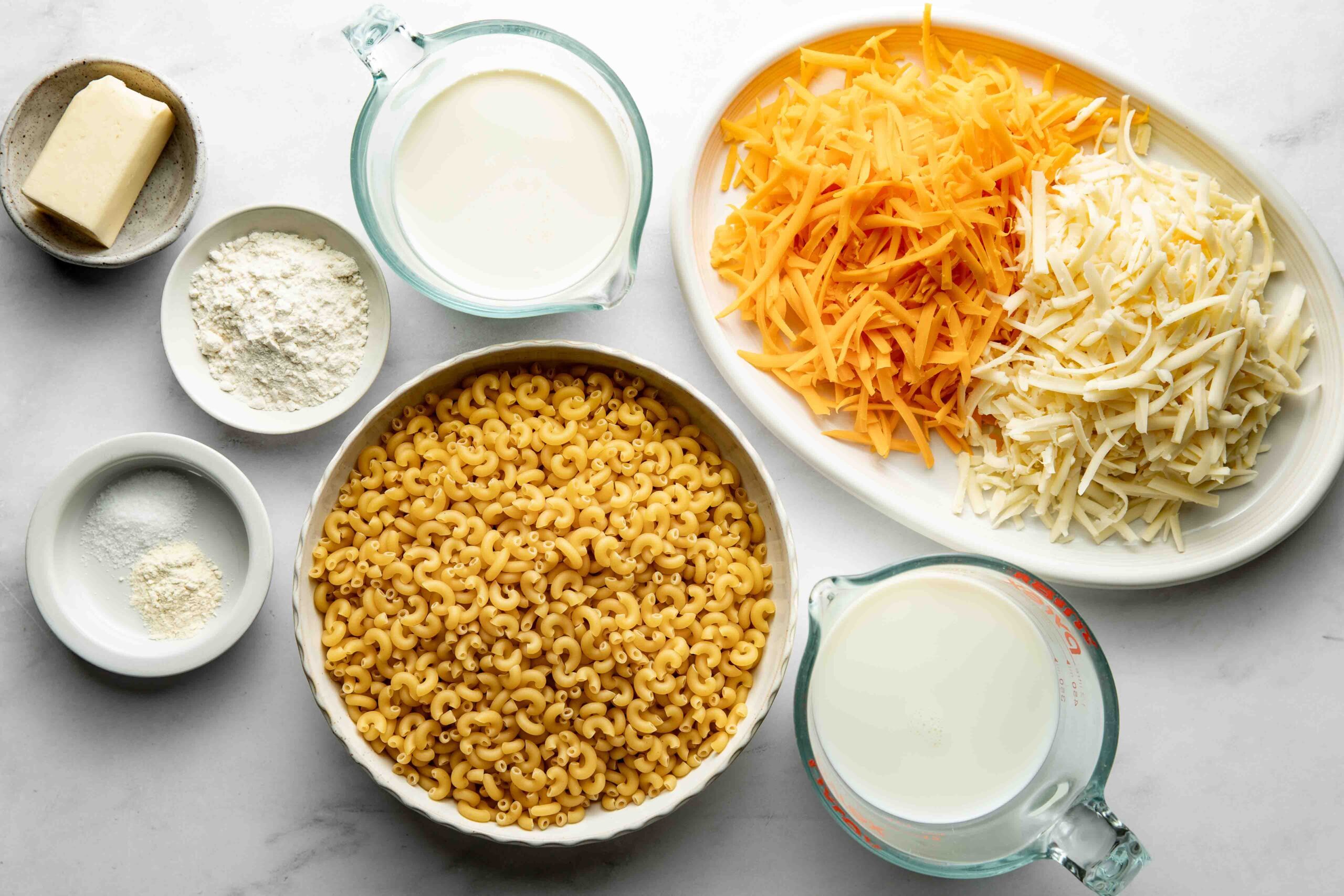
- Advance Component Processing: Days or hours prior to the event, bulk ingredients are procured. This includes grating blocks of specialty cheeses—typically a combination of cheddar and Gruyere—and pre-measuring dairy components.
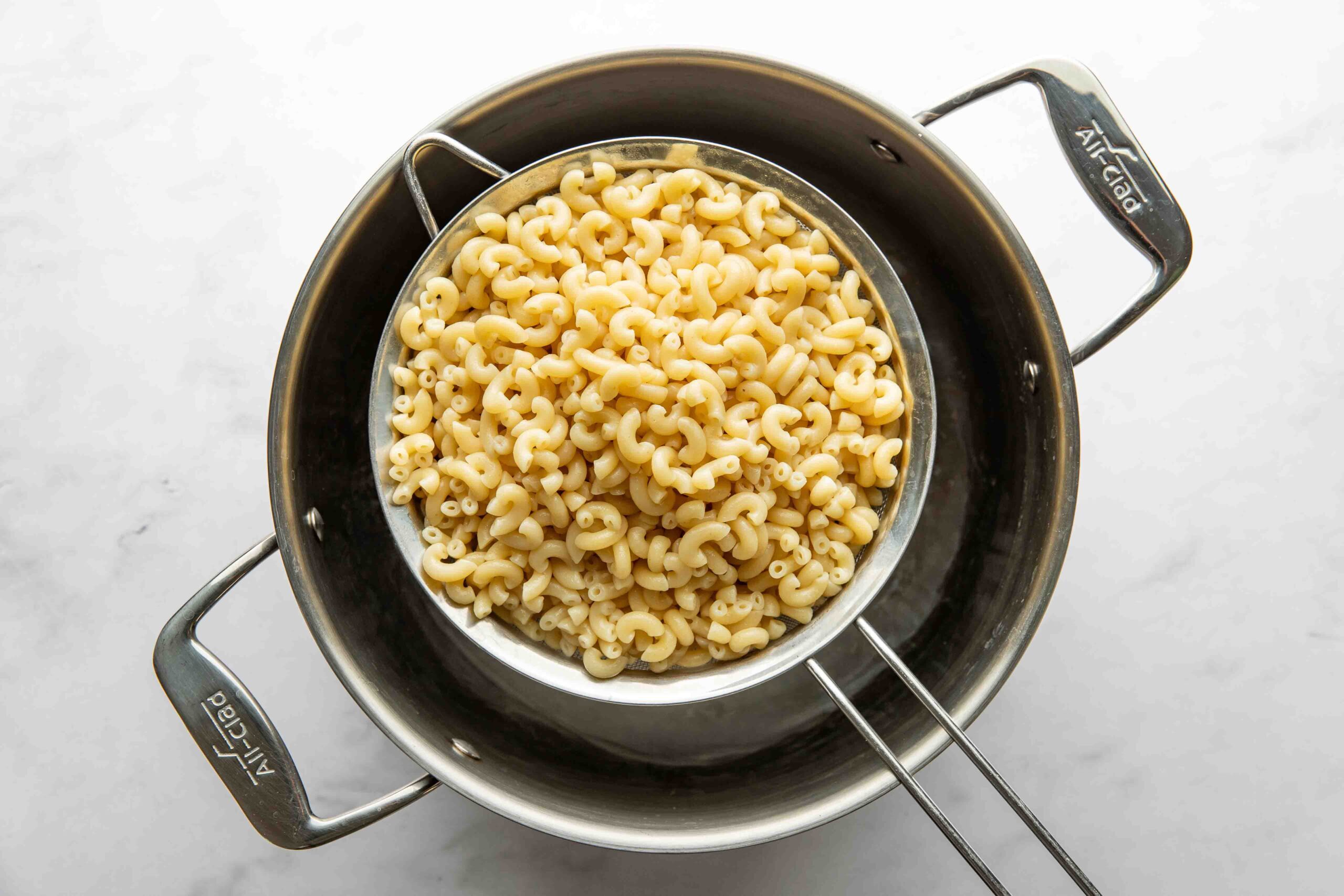
- Pasta Management: The macaroni noodles, traditionally classic elbow pasta, are boiled to an al dente state, drained, and set aside. Overcooking the pasta at this stage is avoided to ensure structural integrity when combined with the hot sauce later.
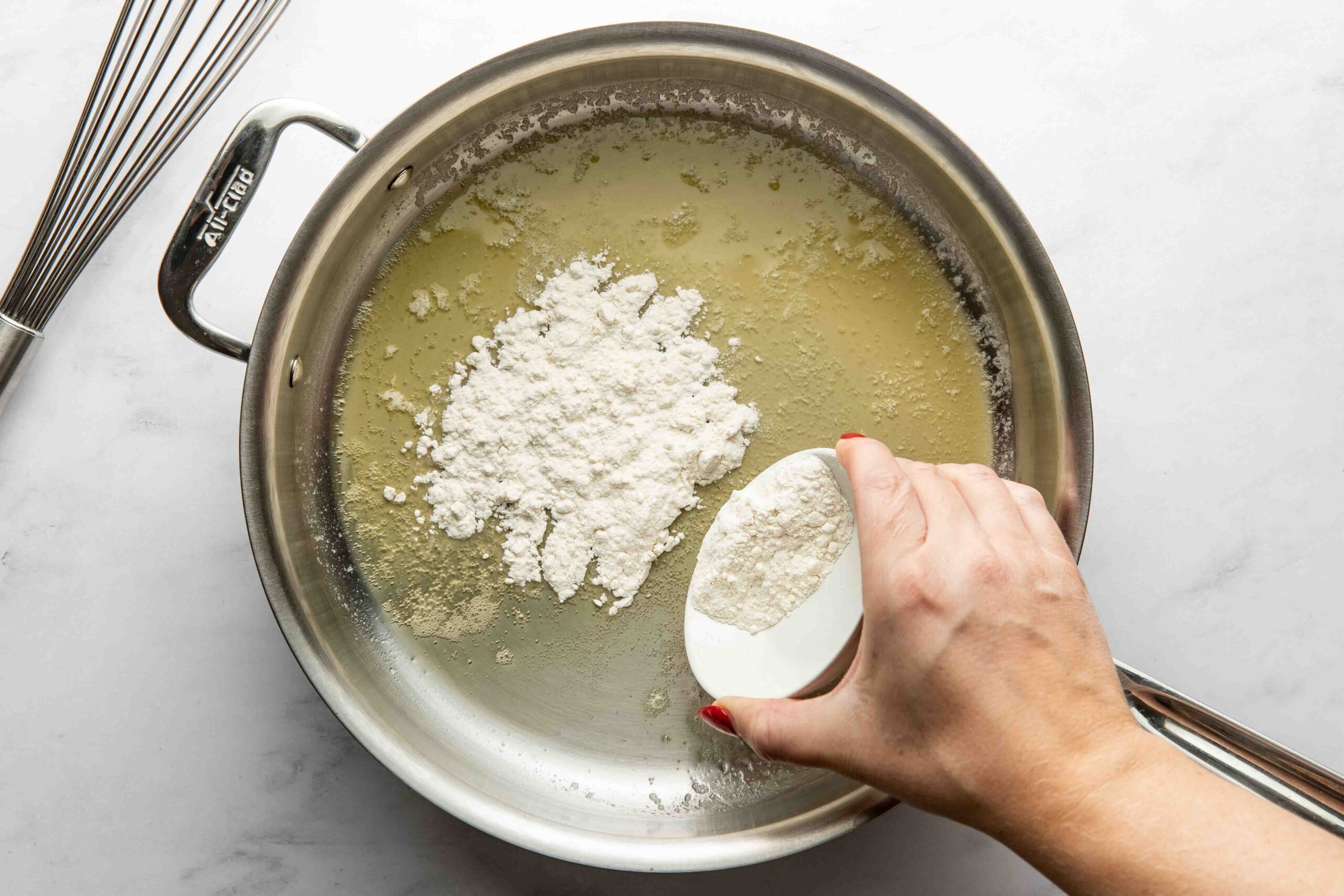
- Bechamel Foundation: The base roux is constructed by melting high-quality butter in a heavy-bottomed vessel, incorporating all-purpose flour, and whisking continuously until the mixture achieves a bubbly, light-blonde consistency. Whole milk and heavy cream are then introduced gradually to prevent lump formation, yielding a smooth, thickened white sauce.
- Final Assembly and Temperature Management: Immediately prior to service, the pre-made bechamel sauce is gently reheated. A minor addition of warm water is incorporated to maintain viscosity and loosen the sauce if necessary. Shredded cheese is folded in until completely melted and emulsified, followed by the immediate folding-in of the cooked pasta.
Culinary Analysis: Dairy Chemistry and Cheese Selection
The success of a stovetop mac and cheese relies heavily on dairy science and the chemical properties of melting cheeses. Unlike baked variants that rely on oven heat to melt a top layer of cheese, stovetop iterations require an active emulsion between fat, starch, and liquid.
The use of a roux—a cooked mixture of fat and flour—acts as a stabilizing agent. The starch molecules in the flour swell when heated in fat and liquid, trapping fat droplets and preventing the cheese fats from separating and oiling off during the melting process. Furthermore, the inclusion of heavy cream alongside whole milk elevates the fat content, contributing to the velvety mouthfeel that mimics restaurant-style counterparts.
Regarding cheese selection, culinary experts recommend avoiding pre-shredded packaged cheeses, which are typically coated with cellulose or potato starch to prevent clumping in the bag. These anti-caking agents inhibit smooth melting and can impart a grainy texture to the sauce. Instead, block cheeses grated manually yield superior results. A blend of mild cheddar and Gruyere offers a balanced flavor profile: the cheddar provides the traditional sharpness and orange hue associated with classic comfort food, while the Gruyere introduces a nutty depth and superior melting capability. For cooks seeking a milder, ultra-creamy finish, the incorporation of processed American cheese slices is occasionally utilized by home cooks for its high concentration of sodium citrate, an emulsifying salt that guarantees a glossy, unbreakable sauce.
Broader Impact and Implications for Modern Entertaining
The popularity of scalable, elevated comfort foods highlights a broader shift in modern home entertaining. In an era marked by dietary complexity and specialized ingredients, traditional comfort dishes continue to serve as a unifying culinary anchor for social gatherings.
Recipes that incorporate a make-ahead workflow alleviate the traditional stress placed on hosts, allowing them to engage with guests rather than remaining tethered to the kitchen stove during an event. By breaking down complex culinary techniques—such as stovetop emulsion and scratch-made roux—into accessible, step-by-step methodologies, home cooks are increasingly able to replicate restaurant-quality comfort foods within a domestic setting.
As community gatherings and informal dinner parties continue to favor hearty, universally appealing menus, standardized yet elevated recipes like this stovetop mac and cheese demonstrate the enduring appeal of well-executed culinary fundamentals.