Culinary Traditions: Why Oven-Roasted Cranberry Sauce is Replacing Stovetop Methods
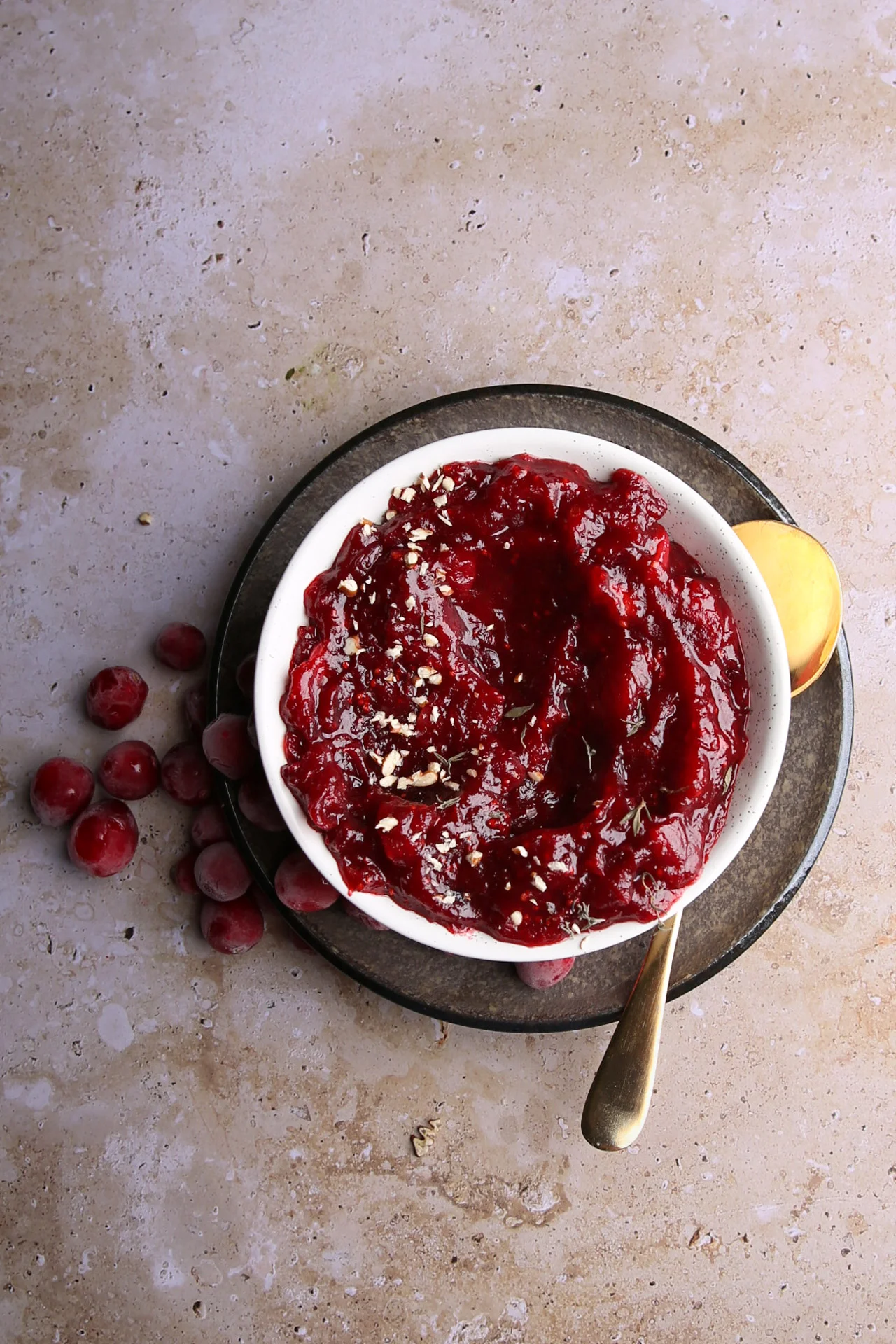
The culinary landscape of contemporary holiday gatherings is undergoing a quiet yet significant transformation, moving away from traditional stovetop preparations in favor of streamlined, oven-roasted techniques. Among the shifting paradigms of modern festive cooking, the preparation of cranberry sauce has emerged as a prime example of culinary innovation driven by spatial efficiency and enhanced flavor profiles. Developed out of necessity during a crowded holiday kitchen schedule, the method of oven-roasting cranberries has steadily gained traction among home cooks and culinary professionals alike, altering how traditional holiday dinners are orchestrated.
Main Facts and the Shift in Culinary Methodology
For generations, the standard protocol for preparing homemade cranberry sauce involved simmering fresh berries on a stovetop with water, sugar, and citrus until the fruit burst and the mixture thickened. While effective, this traditional approach ties up a valuable burner during peak cooking hours when stovetop space is at a premium.
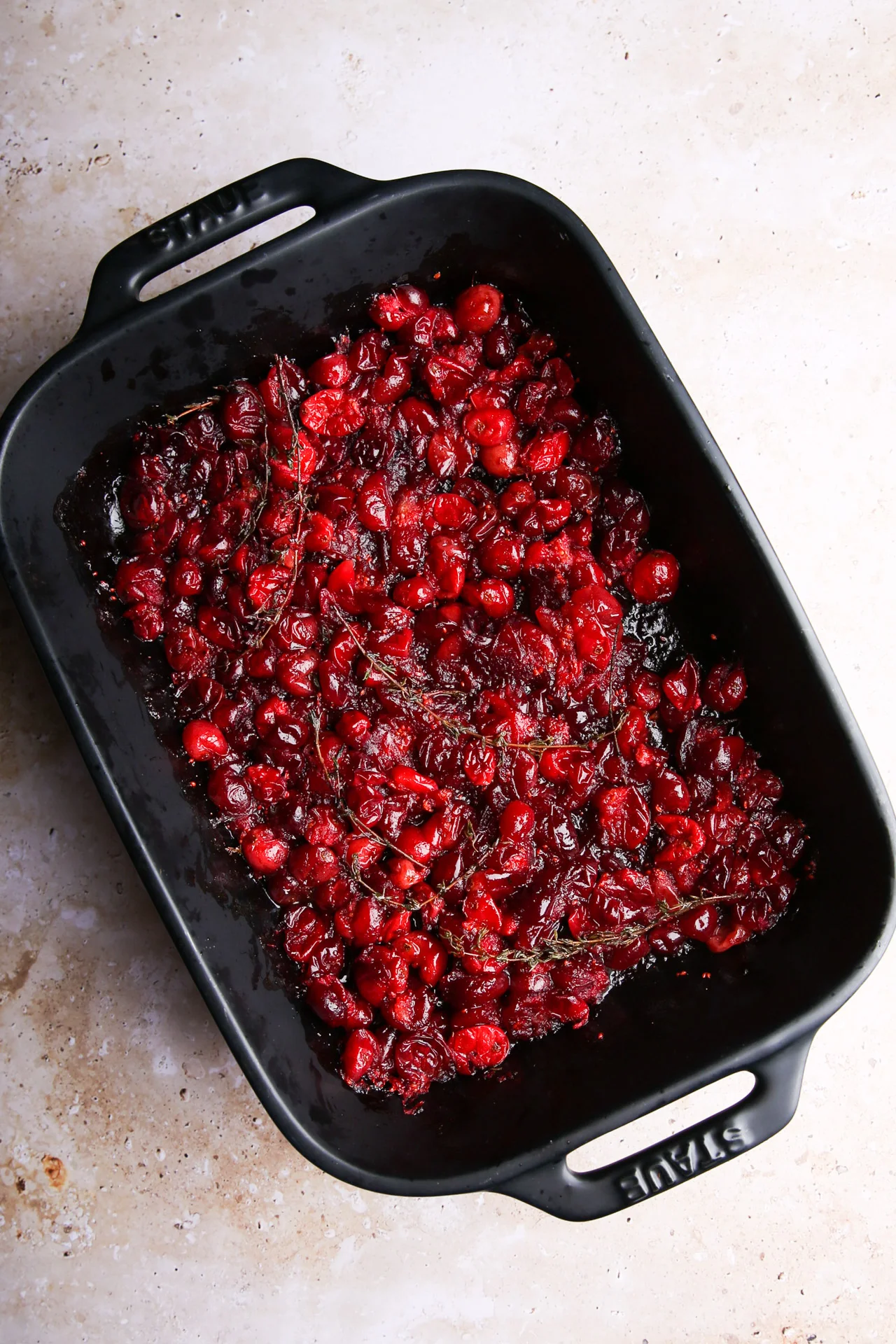
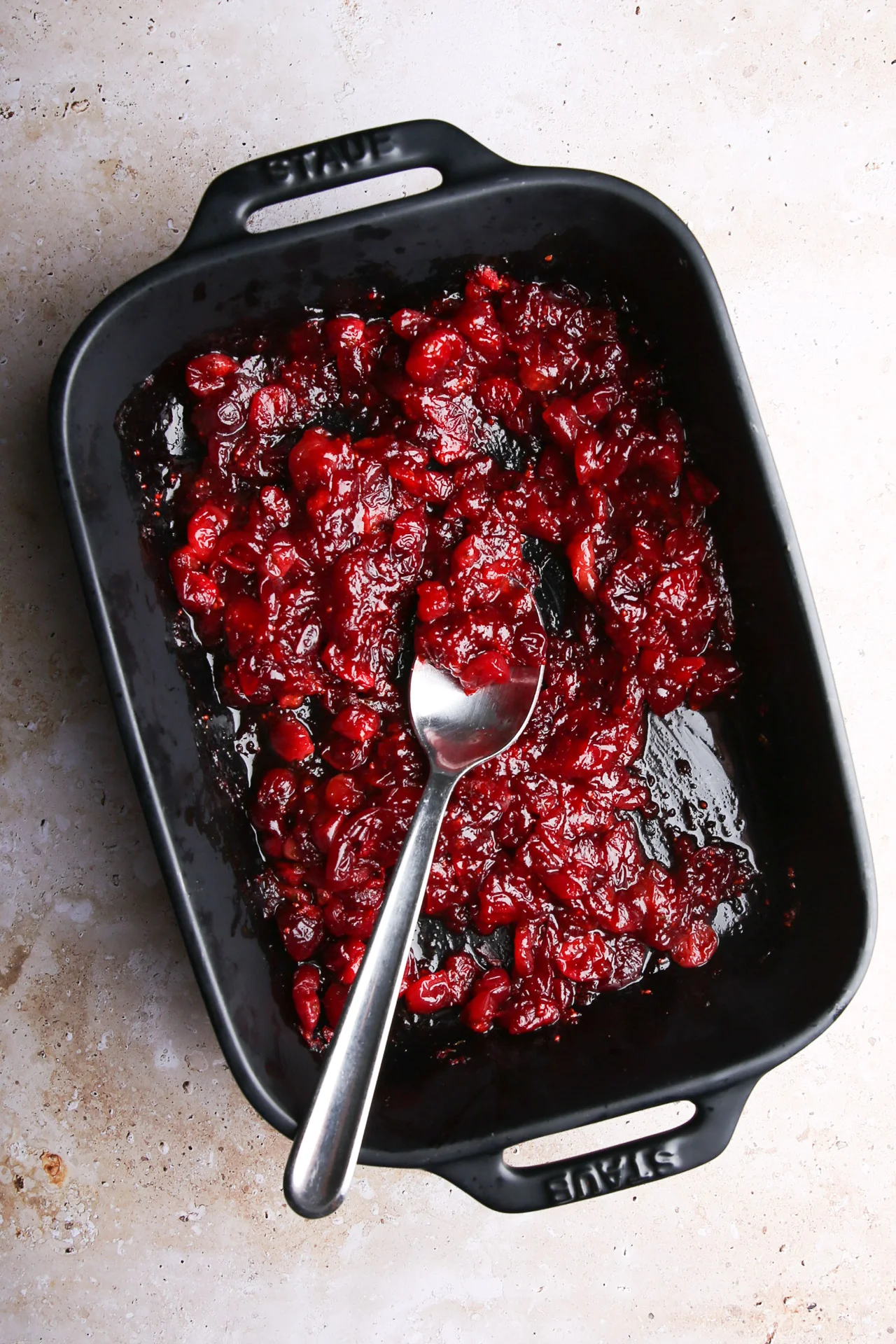
The oven-roasted alternative redirects this culinary process to the oven, requiring approximately 20 minutes of high-heat exposure. By utilizing dry heat rather than liquid simmering, the natural sugars within the cranberries caramelize, creating a deeper, more complex flavor profile characterized by a balance of natural sweetness and acidity. Culinary experts note that this method not only frees up critical kitchen infrastructure but also yields a glossier, thicker sauce with enhanced aromatic integration from added spices like cinnamon, allspice, and fresh herbs such as thyme.
Chronology and Origin of the Technique
The transition from stovetop simmering to oven roasting did not stem from formal laboratory testing or commercial product development, but rather from practical domestic improvisation. The technique originated organically in home kitchens where cooks faced the logistical challenge of managing multiple dishes simultaneously during major holidays, most notably Thanksgiving.
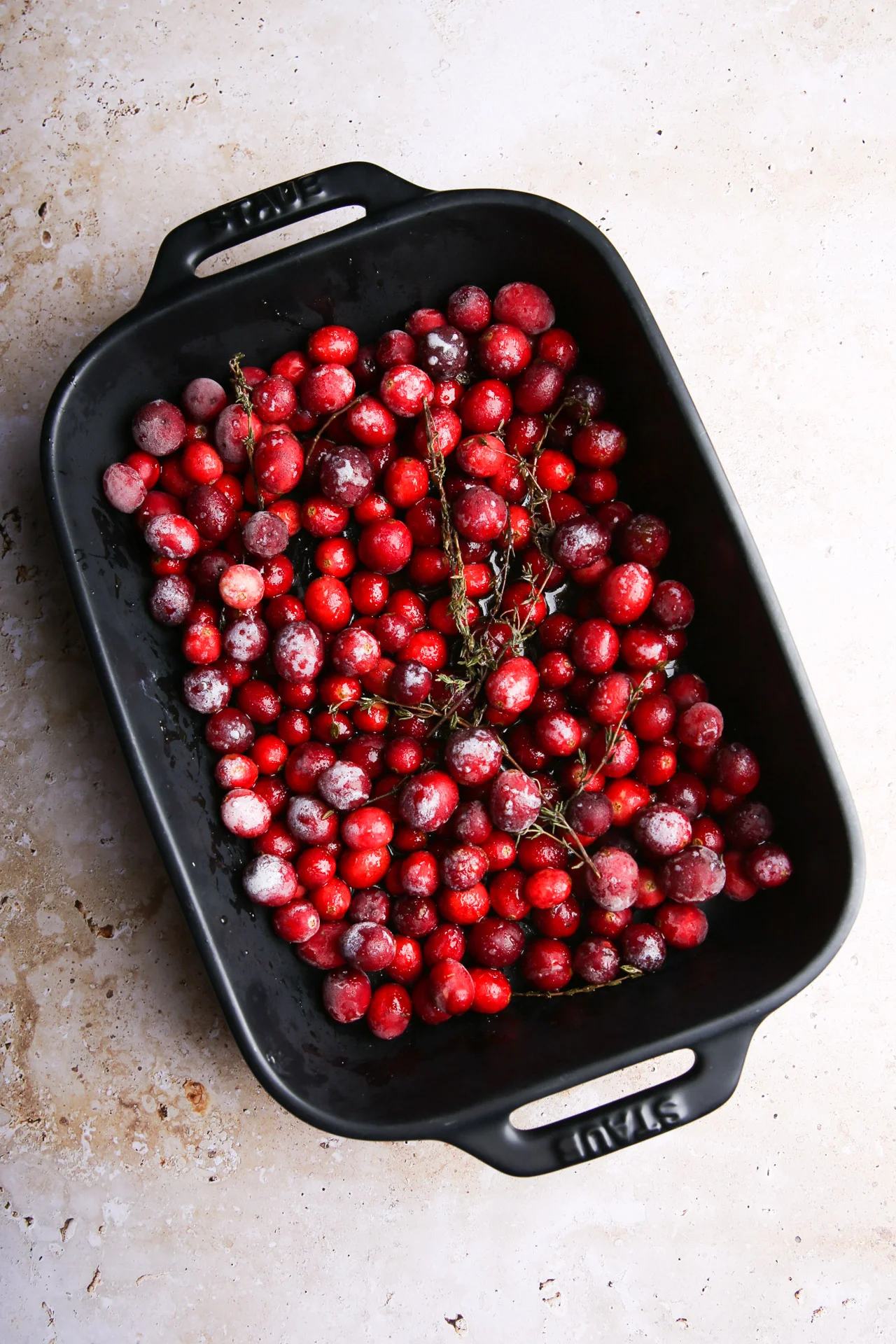
When faced with a fully occupied stovetop, cooks began experimenting with dry-roasting berries in baking dishes alongside other oven-bound items. Initial trials revealed that roasting not only solved spatial constraints but fundamentally improved the texture and taste of the final product. Over the past decade, this method transitioned from a clever kitchen hack shared among home cooks to a widely documented culinary technique featured across digital food platforms and recipe publications, culminating in standardized home-cooking guidelines by the mid-2020s.
Supporting Data and Nutritional Profile
Culinary data and nutritional analyses highlight distinct differences between commercial canned cranberry sauces and homemade oven-roasted variations. While canned versions often rely heavily on high-fructose corn syrup and artificial stabilizers to achieve gel consistency, homemade roasted cranberry sauce retains the natural nutritional integrity of the fruit.
According to standardized nutritional metrics for a one-cup serving of homemade spiced roasted cranberry sauce, the breakdown includes approximately 211 kilocalories, 53 grams of carbohydrates, and a significant dietary fiber content of 16 grams, largely attributed to the intact cellular structure of the roasted berries. Furthermore, the recipe provides an impressive profile of micronutrients, including roughly 106 milligrams of vitamin C and 432 milligrams of potassium, while maintaining low sodium levels (approximately 9 milligrams) and minimal saturated fats. The inclusion of unrefined sugars, such as brown sugar, allows cooks to control sweetness levels precisely, catering to health-conscious consumer preferences.
Culinary Integration and Versatility
Beyond its primary role as a Thanksgiving or winter holiday accompaniment to roasted poultry, the roasted cranberry condiment has found expanded utility in contemporary gastronomy. Food scientists and culinary stylists attribute this versatility to the concentrated flavor achieved through caramelization.
The condiment is increasingly utilized outside the traditional holiday dinner table, serving as a spread for artisanal sandwiches, a flavor contrast in breakfast bowls featuring yogurt and grains, and an accompaniment to savory plant-based mains such as lentil-loaded sweet potatoes. This multi-functional application has elevated cranberry sauce from a single-occasion holiday staple to a versatile pantry asset for the autumn and winter seasons.
Broader Impact and Implications for Modern Kitchens
The widespread adoption of oven-roasted holiday recipes reflects a broader trend in modern domestic cooking: the demand for efficiency without sacrificing quality. As contemporary households navigate increasingly busy schedules, kitchen techniques that minimize active supervision and optimize appliance usage—such as utilizing the oven for simultaneous roasting—are prioritized.
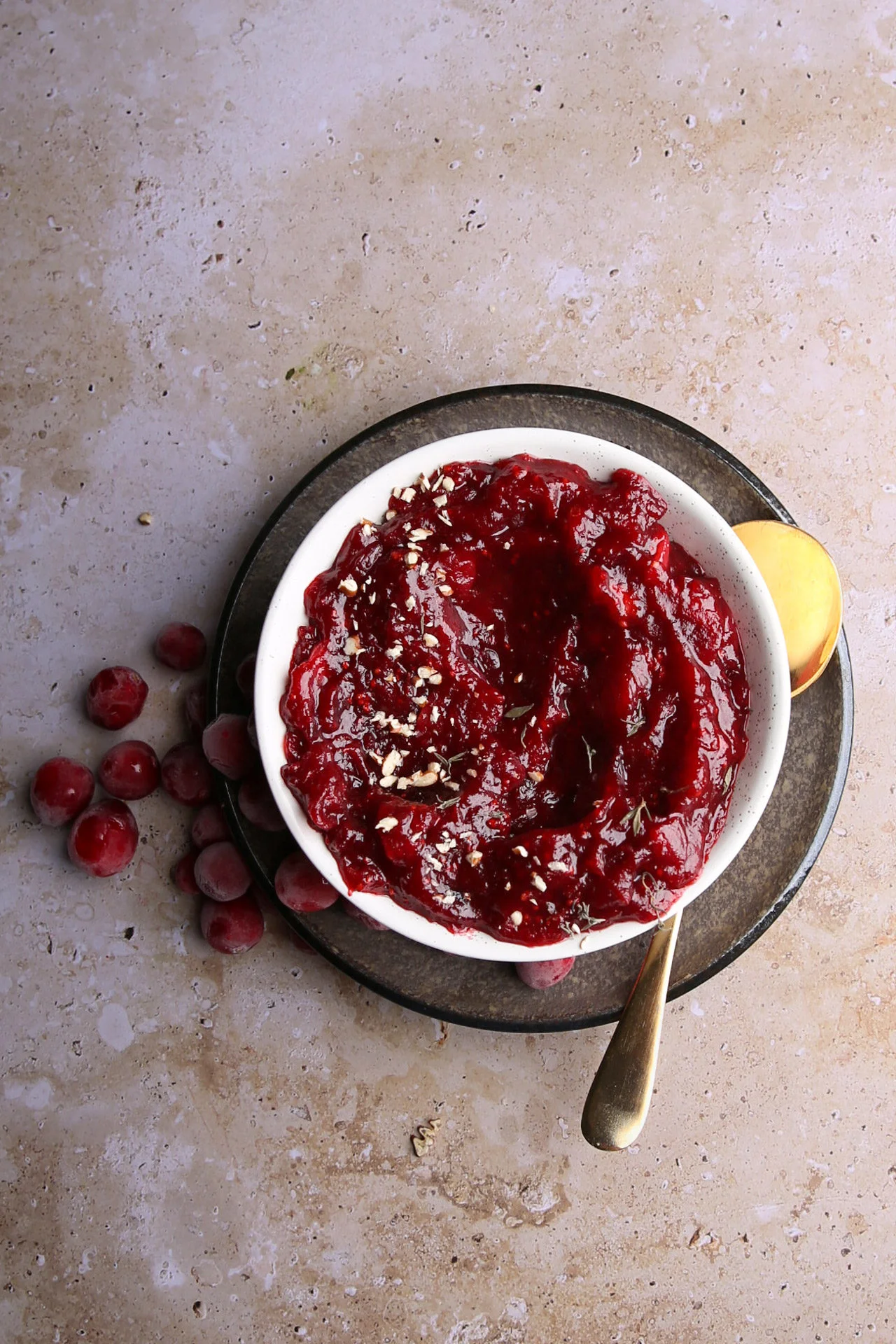
Furthermore, this shift underscores a growing consumer preference for culinary transparency and scratch-made elements that utilize whole foods. By bypassing processed canned goods in favor of fresh cranberries, citrus zest, and whole spices, home cooks exercise greater agency over their nutritional intake and flavor experiences. As digital culinary platforms continue to share and refine these space-saving, flavor-enhancing methods, traditional recipes will likely continue to evolve, blending heritage flavors with modern kitchen efficiencies.