The culinary landscape of the Dominican Republic is frequently celebrated for its vibrant flavors, tropical fruits, and hearty, savory mains like la bandera dominicana. However, embedded within this rich gastronomic heritage are traditional dishes designed specifically for comfort, convalescence, and simplicity. Among these is arroz con leche salado—alternatively referred to as arroz con leche amargo—a savory, sugar-free rice porridge that diverges sharply from the sweet, cinnamon-infused dessert known globally across Latin America and Spain. As dietary preferences shift toward low-sugar and functional foods, culinary historians and nutritionists are taking a closer look at this traditional Caribbean staple, examining its history, preparation methods, and enduring place in Dominican households.
Origins and Cultural Significance of Savory Rice Porridge
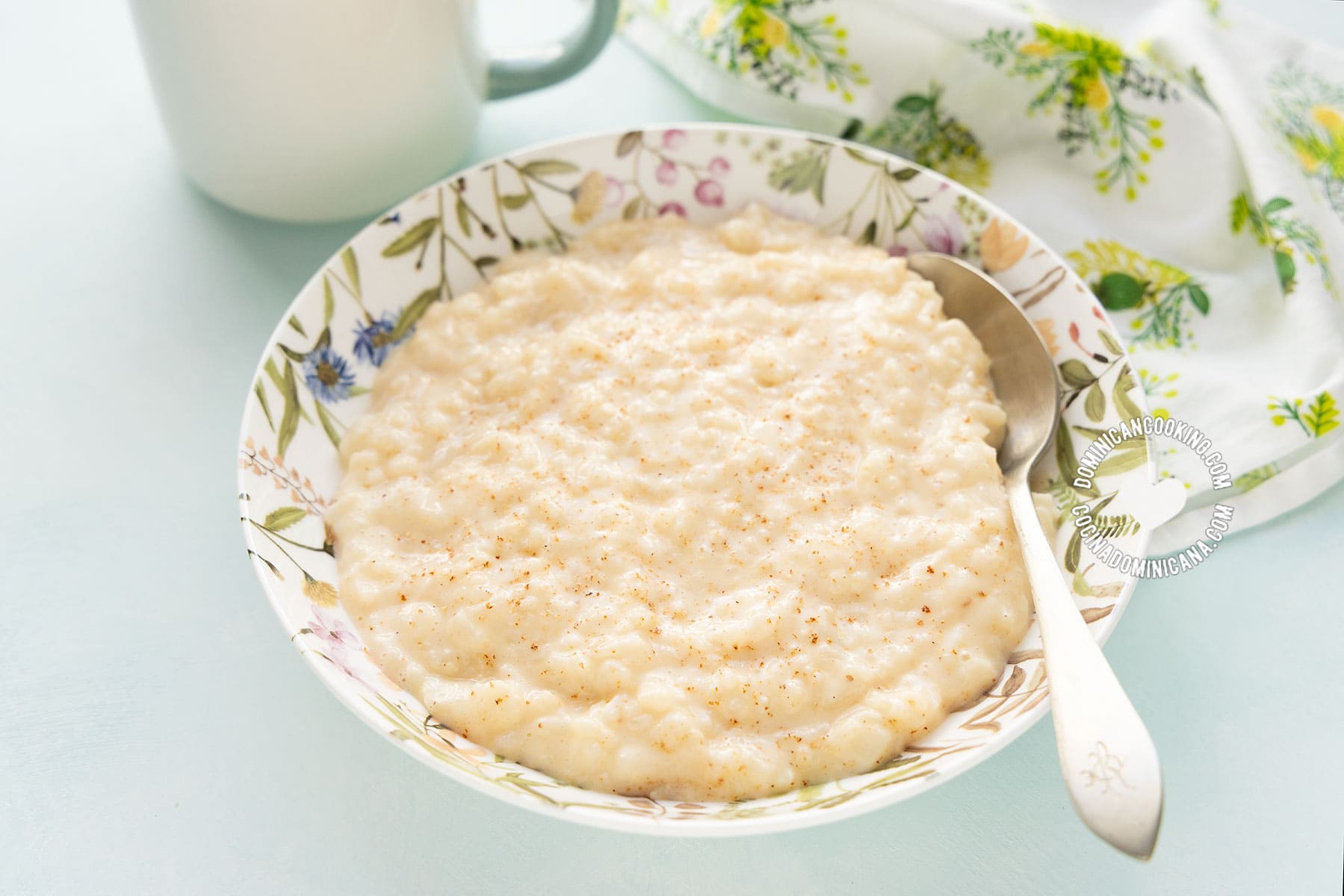
While arroz con leche is universally recognized as a sweet rice pudding sweetened with condensed milk, sugar, and spices, the unsweetened variant occupies a distinct culinary niche. In Dominican culture, the term amargo in this context does not denote bitterness; rather, it translates locally to "unsweetened." Historically, arroz con leche salado served a dual purpose in domestic life: it functioned as a practical method for utilizing leftover white rice (arroz blanco) and provided a soothing, easily digestible meal for specific occasions.
Food anthropologists note that rice porridges exist in nearly every major culinary tradition, from Asian congee to European rice porridges. In the Dominican Republic, the adaptation of rice combined with milk, butter, and salt emerged as a household remedy. It is traditionally prepared for young children on hurried school mornings, served as a light evening meal, or offered to individuals recovering from illness who require bland, comforting nourishment.
Culinary Chronology and Preparation Methodology

The preparation of arroz con leche salado requires patience and specific timing, bridging the gap between a quick breakfast item and a slow-cooked comfort dish. According to traditional recipes passed down through generations—such as those popularized by home cooks and culinary preservationists like Clara Gonzalez of Dominican Cooking—the dish typically demands a preparation and cooking timeline designed to achieve a ultra-creamy consistency.
The baseline timeline for crafting authentic savory rice porridge involves:
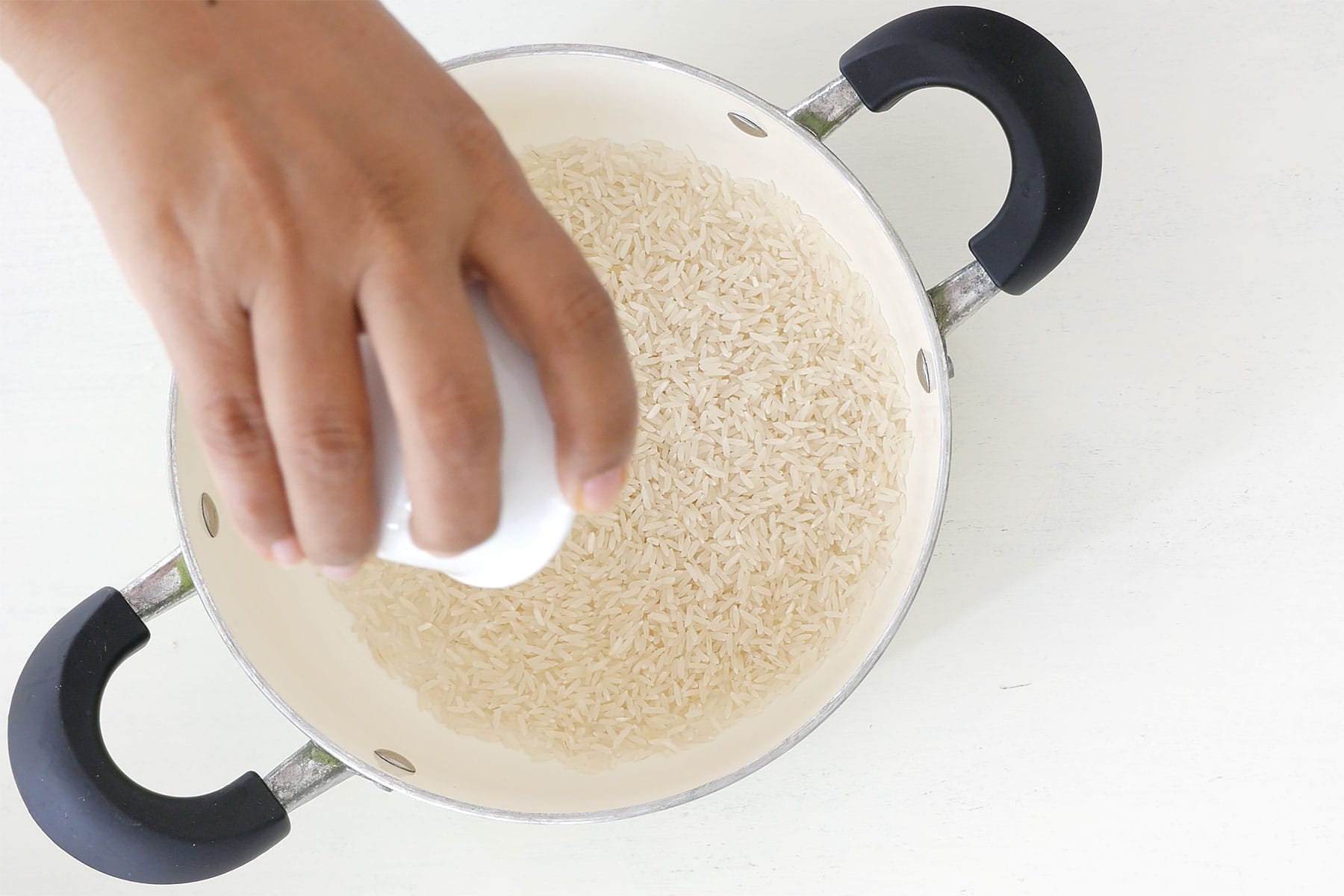
- Rice Hydration and Preparation: While modern adaptations frequently utilize leftover cooked white rice to expedite the process, traditional methods often simmer raw white rice directly in liquid for an extended duration to break down the starches fully.
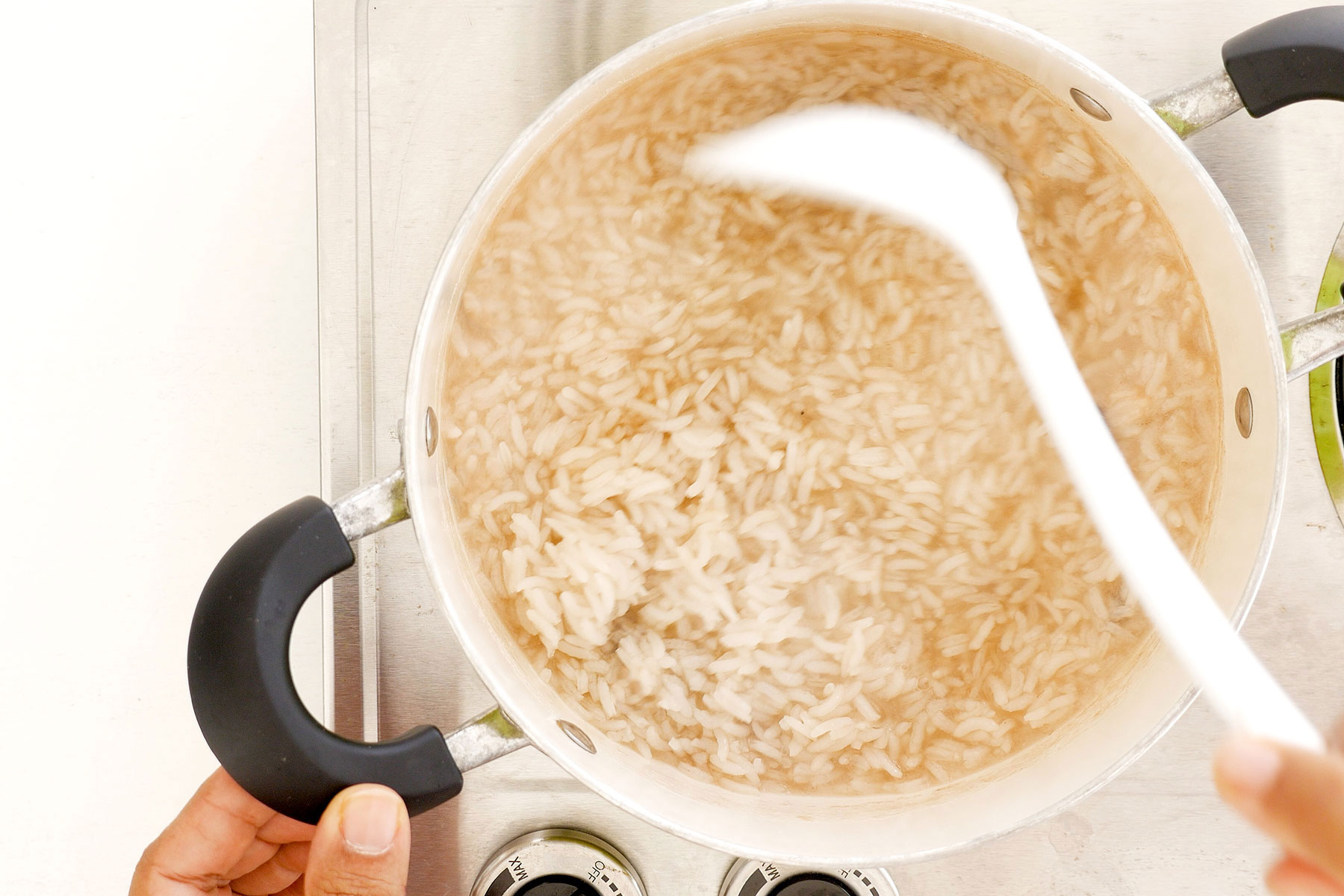
- Simmering Phase: The rice is combined with milk, butter, and a measured amount of salt, then cooked over low heat for approximately 45 minutes. Constant stirring is often required to prevent scorching and to release the starches, resulting in a velvety porridge texture.
- Resting and Serving: The dish is frequently allowed to rest before being served warm, ensuring the flavors meld and the porridge reaches an optimal, spoonable consistency.
Nutritional Profile and Dietary Analysis
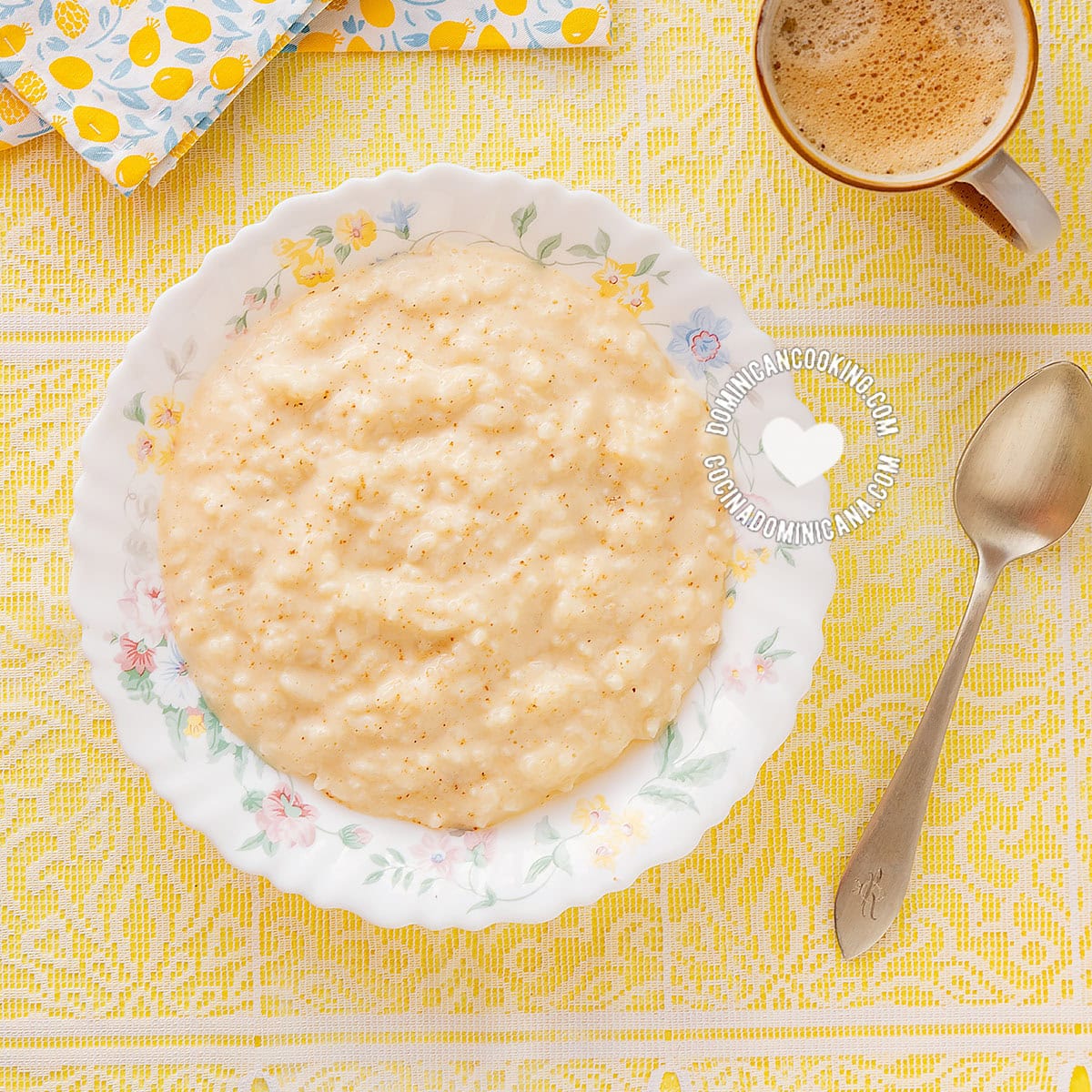
From a nutritional standpoint, arroz con leche salado presents a balanced profile distinct from its dessert counterpart. Standard nutritional approximations for a typical four-serving batch indicate a calorie count averaging approximately 474 kilocalories per serving, driven largely by dairy fats and complex carbohydrates.
Key nutritional components per serving include:
- Carbohydrates: Approximately 56 grams, derived primarily from white rice, supplying sustained energy well-suited for morning consumption.
- Proteins and Fats: Containing roughly 16 grams of protein and 20 grams of total fat (12 grams of which are saturated fats from butter and whole milk), the dish offers greater satiety than standard sugar-laden breakfast cereals.
- Minerals and Electrolytes: With a notable sodium content of roughly 829 milligrams and significant calcium levels exceeding 500 milligrams, the porridge acts as an effective electrolyte-replenishing meal, which partially explains its historical usage as a remedy for upset stomachs and mild dehydration.
Modern Adaptations and Evolving Consumer Preferences
In contemporary Dominican kitchens, the tradition of making arroz con leche salado faces competition from industrial breakfast cereals and Westernized convenience foods. However, a renewed interest in heritage cooking and gut-health-friendly meals has sparked a revival of interest in traditional porridges. Culinary experts observe that modern home cooks are increasingly adapting the recipe to accommodate dietary restrictions, utilizing plant-based milks, lactose-free dairy, or alternative fats while preserving the core savory profile that defines the dish.
Furthermore, food science analysts point out that unsweetened rice porridges align well with current dietary trends emphasizing reduced sugar intake, particularly at breakfast. By eliminating refined sugars, dishes like arroz con leche salado prevent the glycemic spikes associated with sweet breakfast pastries and traditional puddings, offering a stable energy source that appeals to health-conscious consumers.
Broader Implications for Caribbean Gastronomy
The preservation and documentation of recipes like arroz con leche salado highlight a broader movement within Caribbean gastronomy: the safeguarding of domestic, working-class culinary practices. As commercial cookbooks historically favored elaborate, celebratory dishes, everyday home remedies and comfort foods risked being lost to time. Digital food platforms and culinary archives now play a vital role in recording these generational recipes, ensuring they remain accessible to the diaspora and new generations of cooks.
As culinary tourism and interest in authentic regional cuisines continue to grow, dishes that defy simple categorization—such as a savory, salt-seasoned rice pudding—challenge global perceptions of Caribbean foodways. They remind consumers that the region’s cuisine extends far beyond heavy fried foods and tropical sweets, encompassing a deep tradition of gentle, restorative home cooking designed to nurture both body and soul.