The Shift Toward Experimental and Low-Intervention Spirits
The contemporary cocktail landscape is currently defined by a departure from the "uniformity" of traditional spirit categories. Distillers are increasingly experimenting with fermentation processes and alternative raw materials, creating products that challenge established sensory expectations.

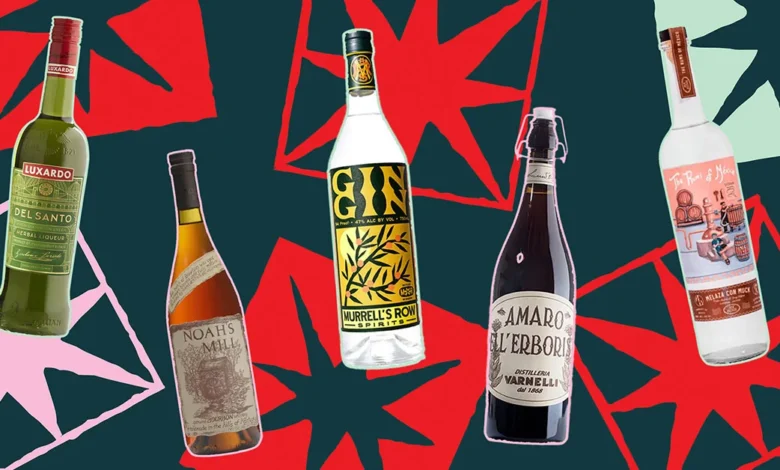
At the forefront of this movement is the Rums of Mexico Melaza Con Muck. Produced in Guadalajara by first-generation distillers Pedro Andrés and Jorge Nájera, this spirit represents a bridge between traditional Mexican distillation and the high-ester fermentation techniques more commonly associated with Jamaican rum. By utilizing "muck"—a bacterial culture mix—during a 15-day fermentation process, the producers achieve a level of complexity rarely seen in the region. Leishla Maldonado, co-owner of Loma in Providence, Rhode Island, notes that this expression demonstrates the potential for Mexican distillers to influence global rum standards. The inclusion of notes such as burnt caramel, grass, and tropical fruit makes it an ideal candidate for drinkers seeking a departure from more conventional, oak-heavy aged rums.

Balancing Tradition with Tropical Nuance: The Evolution of Rye and Gin
Whiskey remains the cornerstone of holiday gift-giving, yet the preference is shifting toward products that offer a layered experience. Barrell Seagrass has emerged as a favorite among professionals for its aggressive, innovative approach to finishing. By blending rye whiskey finished in Martinique rhum agricole, Madeira, and apricot brandy barrels, the producers have successfully married the traditional spice profile of American rye with the bright, saline, and stone-fruit characteristics of tropical spirits. Harrison Ginsberg, bar director at Crane Club and Bar CC in New York, emphasizes the utility of such bottles for batching holiday cocktails, noting that the spirit’s inherent balance makes it exceptionally low-maintenance for the home bartender.

In the gin category, the focus has moved toward botanical specificity. Murrell’s Row Tulsi Gin, which features holy basil, green cardamom, and coriander, exemplifies the trend toward "softened" juniper profiles. Jakob McCabe-Johnston of Atlanta’s Kimball House observes that this gin allows for a more herbaceous, culinary-focused drinking experience. By prioritizing the aromatic qualities of tulsi over the piney, resinous punch of traditional London Dry gins, producers are creating spirits that function as the backbone for complex, ingredient-forward drinks like the Blueberry Bijou, while still maintaining the structural integrity required for a classic Martini.

The Rise of Nonalcoholic Complexity
Perhaps the most significant structural change in the spirits industry over the past three years is the integration of high-quality nonalcoholic (N/A) spirits into the professional bar program. Market data suggests that the N/A category is experiencing double-digit growth annually as consumers adopt "sober-curious" lifestyles.

Giffard Elderflower Alcohol-Free is indicative of this trend. Nikki Irvine, a bartender at The Paddock in Eugene, Oregon, highlights that the product’s ability to perform in "shaken or stirred" formats is essential for its adoption in professional settings. Similarly, Lapo’s Amaro, developed by the founders of The Zero Proof, utilizes date syrup and rhubarb root to replicate the mouthfeel and bitterness of traditional alpine liqueurs. This evolution ensures that guests choosing not to consume alcohol are no longer relegated to simple juices or sodas, but can instead enjoy beverages with the same textural and aromatic nuance as their alcoholic counterparts.

Technical Craft: Amaro and Brandy
For the seasoned collector, the value of a gift often lies in the historical or technical pedigree of the spirit. The category of amaro, in particular, has seen a surge in appreciation for unfiltered and wood-fired production methods. The Varnelli Amaro dell’Erborista stands as a benchmark for this tradition. Produced by the Varnelli family since the 19th century, the process of roasting herbs and barks over an open wood fire imparts a smoky, resinous quality that is impossible to replicate through modern, accelerated aging processes. Wes Meyn of Thunderbolt in Los Angeles describes this as a "one-of-a-kind" profile that speaks to the patience of traditional Italian distillation.

Similarly, the appreciation for aged fruit brandies—such as Louis Roque La Vieille Prune—is on the rise. Cody Pruitt, owner of Floradora and Capitaine in New York, advocates for brandy as an underutilized category. By resting plum wine in oak for four years, the producers create a digestif that is both accessible and sophisticated. This serves as a vital reminder that for those looking for gifts, looking outside the "big three" of whiskey, vodka, and tequila often yields a more memorable and budget-conscious result.

The Role of Terroir in Modern Agave Spirits
The agave category, while dominated by mass-market production, is seeing a necessary correction toward small-batch, artisanal practices. Fortaleza Blanco Tequila and Tequila Ocho Reposado are frequently cited by experts as the "gold standard" for gift-giving. Ali Martin of The Up & Up in New York City notes that these brands represent the apex of balanced agave production—where the raw material is allowed to shine through without excessive aging or additives. For the consumer, gifting these bottles provides an educational entry point into the nuances of Mexican agave terroir.

Broader Implications for the Retail Market
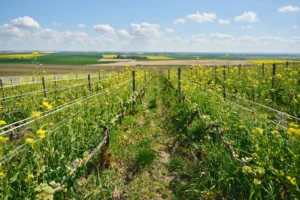
As these recommendations suggest, the gift market for spirits is no longer about brand recognition or price point; it is about the narrative behind the bottle. Whether it is the regenerative farming practices at Branchwater Farms or the innovative flavoring techniques employed by Acid Spirits, consumers are increasingly seeking products that align with their values and offer a genuine, high-quality sensory experience.

For retailers, the implication is clear: the holiday season is an opportunity to highlight inventory that requires a story. Bartenders, acting as the primary curators of these products, play a pivotal role in shifting demand toward these smaller, more intentional producers. As the market continues to evolve, the distinction between "professional" and "home" bar quality will likely continue to blur, driven by a consumer base that is more informed, more experimental, and more interested in the craft of distillation than ever before. For those navigating the crowded shelves this season, the advice from the industry remains consistent: seek out the unexpected, prioritize balance over intensity, and value the labor and history inherent in every glass.