The Paradox of Alsace: How a German Grape Became France’s Aromatic Masterpiece

The global wine landscape is defined by strict geographical boundaries and historic appellations, yet few regions blur the lines of heritage quite as distinctively as France’s northeastern frontier. When a wine lover uncorks a bottle of French Gewürztraminer, they are met with a sensory profile that feels unmistakably Germanic in its structure, yet proudly refined by French winemaking traditions. This interplay between two distinct European cultures forms the core of the ongoing Wine Tasting Challenge, an educational initiative designed to expand wine enthusiasts’ palates through a curated selection of 34 wines spanning 12 countries. At the heart of this week’s exploration lies Gewürztraminer—a grape that is notoriously difficult to pronounce, structurally complex, and utterly impossible to ignore.
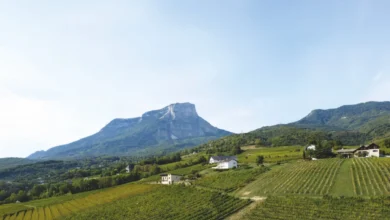
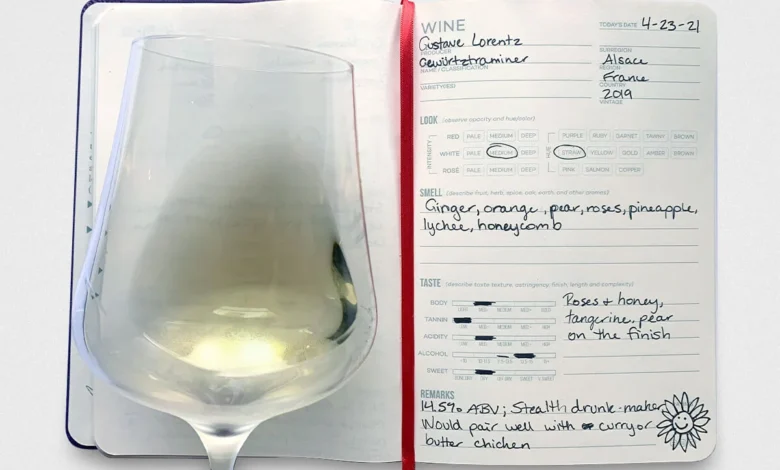
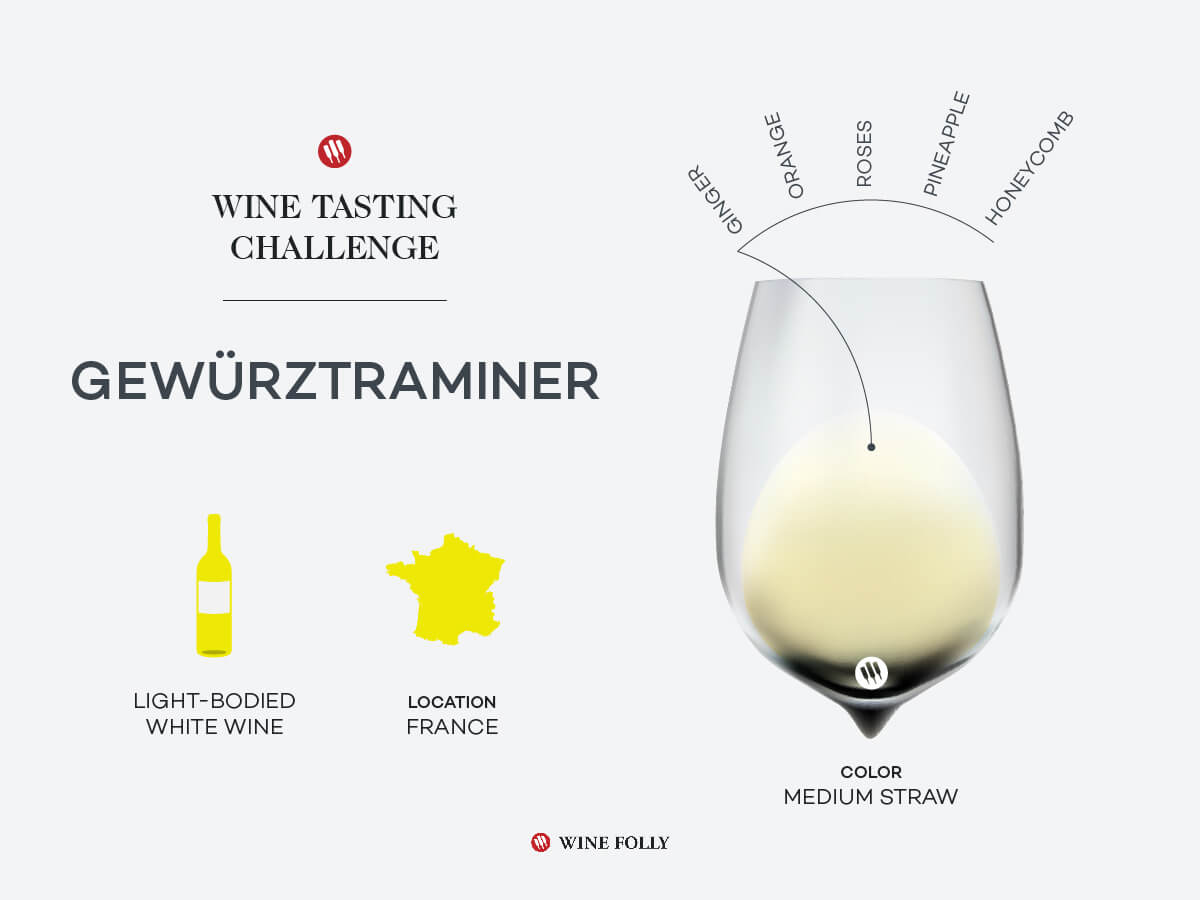
To understand the global phenomenon of Gewürztraminer, one must examine a bottle such as the 2019 Gustave Lorentz Gewürztraminer Reserve, hailing from the picturesque vineyards of Alsace. Visually, the wine presents a striking medium straw hue in the glass. On the nose, it delivers an intensely aromatic profile characterized by ginger, fresh roses, lychee, orange zest, pear, pineapple, and honeycomb. The palate mirrors these aromatic impressions, introducing secondary layers of tangerine and ripe pear on the finish. Such robust flavor compounds make it a natural pairing for complex, spiced cuisines, notably butter chicken or yellow Thai curry, where the wine’s residual sugar and high aromatics can cut through rich, warming spices.

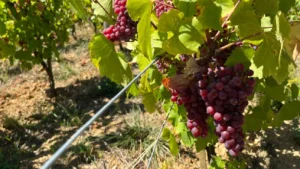
The distinctiveness of Gewürztraminer stems from its classification as an aromatic white wine. While most white grape varieties remain subtle, relying heavily on terroir and fermentation techniques for flavor development, aromatic varieties like Gewürztraminer produce high concentrations of monoterpenes—chemical compounds that naturally generate potent floral and tropical scents, most notably rose and lychee. This chemical makeup ensures that Gewürztraminer stands apart in any blind tasting, offering an olfactory experience that requires no sophisticated training to identify.
The historical trajectory of Gewürztraminer is deeply intertwined with the geopolitical turbulence of the Alsace region. Originally rooted in the German-speaking territories of Central Europe, the grape found its most celebrated home across the border in France. For centuries, the sovereignty of Alsace has been a point of contention between France and Germany. Through numerous treaties, shifting borders, and devastating conflicts, the region has oscillated between French and German administration, leaving an indelible mark on its culture, architecture, and language. To this day, many native Alsatians speak a distinct Germanic dialect, embodying a cultural synthesis that is neither entirely French nor entirely German. It is precisely within this cultural crossfire that Alsatian winemakers perfected the cultivation of Gewürztraminer, transforming a hardy Germanic variety into a globally revered French appellation.
Despite the dominance of Alsace in the modern perception of the wine, the cultivation of Gewürztraminer extends far beyond France’s borders. Winemakers in California, Australia, Italy, Romania, and Germany have embraced the variety, adapting it to diverse microclimates and soil compositions. Nevertheless, the strict regulations governing the Appellation d’Origine Contrôlée (AOC) system in Alsace ensure that French Gewürztraminer maintains a benchmark standard for quality, emphasizing site-specific expression, limestone-rich soils, and meticulous vineyard management.
Industry analysts and wine historians note that the commercial success of Alsatian Gewürztraminer highlights a broader economic reality in European agriculture: cross-border cultural exchange often yields the highest-value agricultural products. Regions situated along linguistic and national fault lines frequently develop specialized economies that leverage the best practices of neighboring nations. In the case of Alsace, German viticultural resilience was paired with French marketing prowess and culinary integration, creating an export powerhouse that commands international respect.
For participants in the Wine Tasting Challenge, encountering Gewürztraminer serves as a masterclass in geopolitical viticulture. The wine functions almost as a geographical double-agent, satisfying educational requirements for both French and German wine regions within a single bottle. As global palates continue to evolve toward intensely aromatic styles, varieties like Gewürztraminer bridge the gap between traditional Old World heritage and modern consumer preferences for expressive, fruit-forward profiles.
Ultimately, the enduring popularity of French Gewürztraminer underscores the fluidity of wine culture. Borders drawn by politicians are frequently rewritten, but the agricultural legacy left by generations of farmers transcends maps and treaties. Whether appreciated for its unmistakable notes of lychee and rose, its complex food-pairing versatility, or its rich history as a symbol of Franco-German synthesis, Gewürztraminer remains one of the most compelling chapters in the global study of wine.