Beyond the Icons: Discovering Hidden Value in Italy’s Premier Wine Regions of Tuscany and Piedmont


Italy’s wine regions of Tuscany and Piedmont are internationally recognized for their prestigious labels, from the deep, complex structures of Bolgheri Superiore and Brunello di Montalcino to the ethereal, age-worthy elegance of Barolo and Barbaresco. These names command global respect and often fetch significant premiums at auction and on high-end restaurant wine lists. However, these flagship bottles represent only the most visible tip of a massive, diverse iceberg. For the discerning consumer, the true vitality of Italian winemaking lies in the vast array of appellations and entry-level offerings that provide exceptional character and quality at a fraction of the cost of the regional "icons."
The Economic Landscape of Italian Viticulture
The Italian wine industry is characterized by a fragmented structure, with over 300,000 active vineyards and thousands of wineries. While global headlines focus on the scarcity and prestige of "Super Tuscans" or top-tier Barolos, the reality of the market is that the majority of production is aimed at daily consumption, which balances accessibility with regional identity.
Data from the Italian Wine Union (UIV) suggests that while export values for high-end denominations have remained stable, there is a growing consumer trend toward "discovery labels"—wines that carry the prestige of a famous region but fall outside the high-priced DOCG (Denominazione di Origine Controllata e Garantita) elite. This shift is driven by a combination of inflationary pressure on luxury goods and a maturing global palate that values regional authenticity over brand-name recognition.
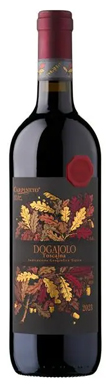
Navigating Tuscany: Beyond the Super Tuscans
In Tuscany, the hierarchy of wine is often misunderstood. Many consumers gravitate toward the high-priced Brunello, yet the region’s producers offer "Rosso" versions—such as the Rosso di Montalcino—which often utilize the same fruit from younger vines or specific vineyard parcels. These wines offer a faster-maturing, fruit-forward experience that maintains the unmistakable structural signature of the Sangiovese grape.

Historically, the Maremma coastal region has emerged as a powerhouse for value. Once considered a secondary viticultural zone compared to the inland hills of Chianti, the Maremma has benefited from significant investment over the last two decades. The area’s unique microclimate, characterized by cooling sea breezes, allows for the production of everything from crisp, mineral-driven whites to lush, opulent reds that do not require the decades of cellar aging demanded by their northern counterparts.
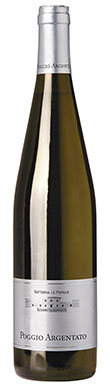
Strategic Buying: The Hierarchy of Value
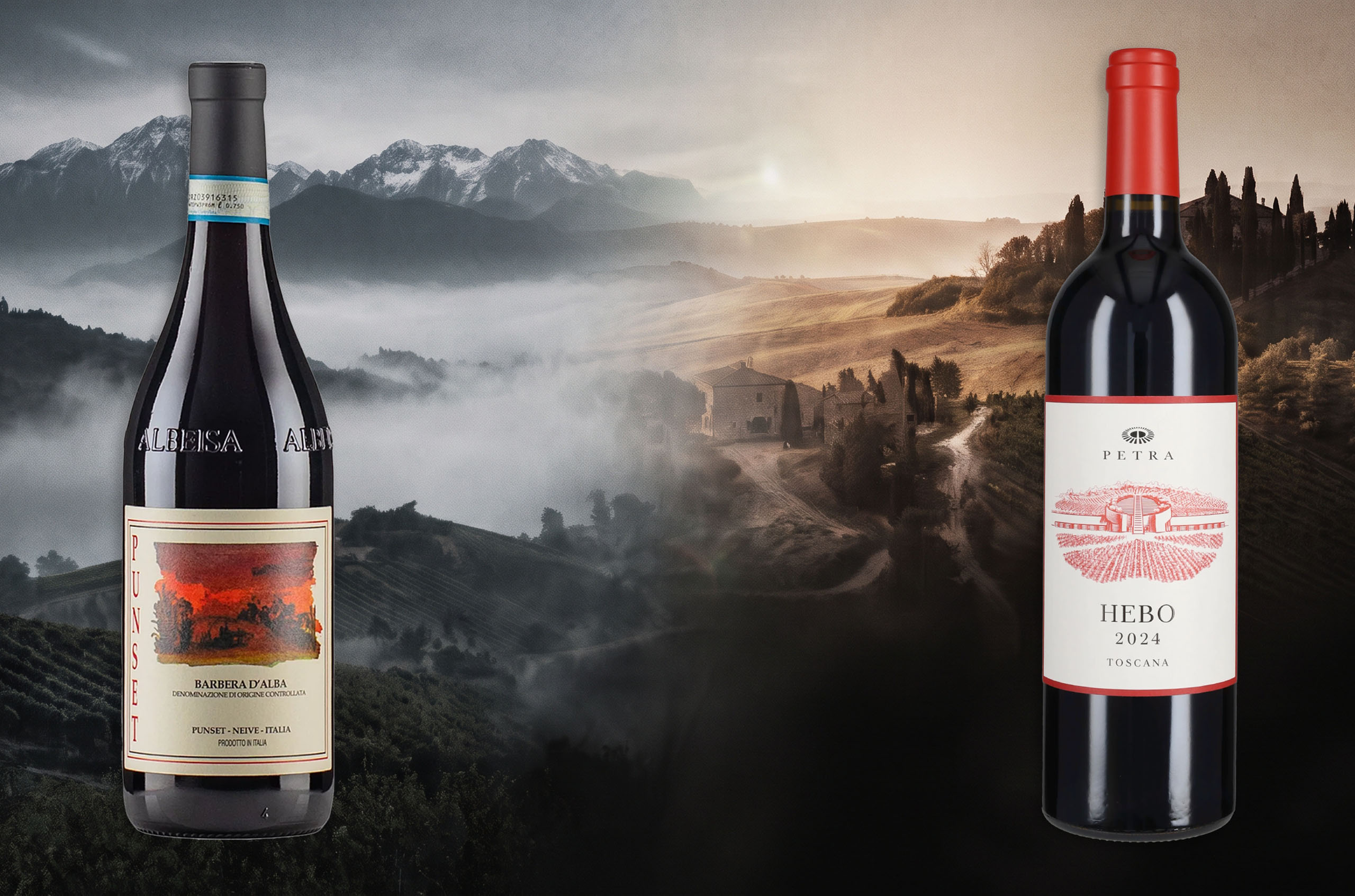
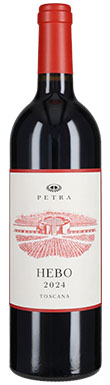
- Entry-Level Tier: Look for "Toscana IGT" labels produced by reputable estates. These wines often contain high-quality fruit that didn’t meet the strict classification standards of the estate’s flagship bottle but still benefit from the winery’s professional oversight.
- The "Rosso" Strategy: Opting for the "second wine" of a prestigious estate is a reliable method to secure high-quality viticulture at a lower price point.
- Regional Diversity: While Chianti Classico is the standard-bearer, Chianti Rufina and areas surrounding Montepulciano offer historically significant wines that are frequently overlooked by casual buyers.
Piedmont: The Challenge of Scale and Terroir
Finding value in Piedmont presents a different set of logistical challenges. Unlike the larger estates of Tuscany, the Piedmontese landscape is dominated by small, family-owned parcels, particularly in the Langhe and Roero districts. The scarcity of land and the intensity of labor required to manage steep, hillside vineyards mean that high-volume, low-cost production is rare.
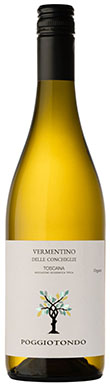
However, the region’s cooperatives play a vital role here. By pooling resources from multiple small growers, cooperatives can maintain economies of scale that allow for accessible pricing without sacrificing the varietal integrity of grapes like Nebbiolo, Barbera, and Dolcetto.
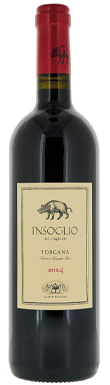
Emerging Varietals and Regional Gems
- Timorasso: Once on the verge of extinction, this white grape from the Colli Tortonesi is seeing a resurgence. It is frequently cited by sommeliers as a "collector’s value" wine, capable of significant aging and complexity that rivals white Burgundies at a fraction of the cost.
- Arneis: As the primary white wine of the Roero region, Arneis provides a floral, aromatic alternative to the heavier, oak-aged whites of Southern Europe.
- The "Other" Reds: While Nebbiolo (the grape behind Barolo) is the king of the region, Barbera d’Asti and Dolcetto d’Alba are the true "workhorse" wines. These varieties are designed for earlier consumption and offer a vibrant, acidic backbone that pairs exceptionally well with a wide range of food, from rustic pasta dishes to roasted meats.
Chronology of Market Shifts
The last ten years have seen a marked change in how these regions approach the global market.
- 2014–2016: A period of significant consolidation in the Italian wine trade, with many family-run wineries forming alliances with distribution firms to better reach international markets, specifically the UK and US.
- 2018–2020: The rise of digital direct-to-consumer sales channels provided small wineries in Piedmont and Tuscany a platform to sell their entry-level wines directly to the public, bypassing traditional retail markups.
- 2022–Present: Economic headwinds have forced a "flight to value." Consumers are increasingly looking for wines in the £10–£30 bracket that offer the same "sense of place" as the £100 bottles, leading to a surge in interest for regional IGTs and secondary appellations.
Expert Analysis: The Quality/Price Ratio
According to industry analysts, the "sweet spot" for Italian wine currently sits in the £15–£25 range. Wines in this bracket benefit from modern, temperature-controlled vinification processes that have virtually eliminated the "cork taint" or oxidative issues that plagued cheaper bottles twenty years ago.
The involvement of consultant winemakers—celebrated figures like Alberto Antonini—has also leveled the playing field. These consultants often apply the same technical rigor to a winery’s basic Chianti or Langhe Nebbiolo as they do to the estate’s top-tier reserves. The result is a consistent baseline of quality that was simply not available to consumers at these price points in previous decades.
Implications for the Future
The implication for the wine market is clear: the prestige of a region no longer guarantees the quality of the glass. Conversely, a lack of "icon" status no longer implies mediocrity. As climate change continues to impact traditional growing seasons, wineries are experimenting with different elevations and grape clones to maintain their profiles.
In Tuscany, this may mean a pivot toward heat-resistant varieties in the warmer Maremma. In Piedmont, it may mean the expansion of Timorasso plantings as growers look for whites that can handle the shifting rainfall patterns. For the consumer, this means an era of unprecedented choice. The focus is shifting from "What is the most famous bottle I can afford?" to "What is the most authentic expression of this specific terroir?"
Conclusion: A Curated Approach
To successfully navigate the vast offerings of Tuscany and Piedmont, one must look past the labels that dominate the front of the shop. By focusing on the "second" wines, exploring the output of regional cooperatives, and keeping an eye on rising varieties like Timorasso and well-made entry-level Barbera, drinkers can curate a cellar that reflects the true diversity of Italy. The quality is present; it simply requires the consumer to move beyond the curtain of the most famous names and explore the substance behind the hype. Whether it is a fresh, acidic Chianti for a Tuesday night dinner or a structured, complex Timorasso for a special occasion, the value in these regions remains robust, provided one knows where to look.