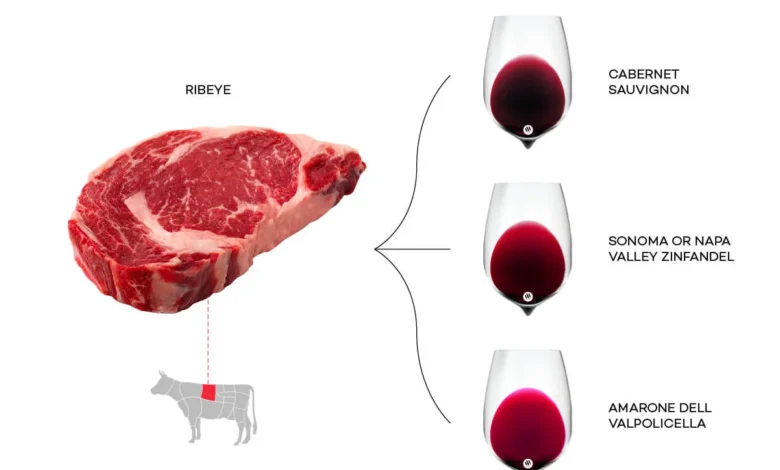
The convergence of red wine and beef represents one of the most enduring and analytically fascinating pairings in modern culinary arts. Far from a matter of arbitrary preference, the marriage of wine and steak relies on precise chemical interactions between proteins, fats, tannins, and acidity. As culinary tourism and home gourmet cooking continue to expand globally, consumers are increasingly moving beyond generalized red wine selections to explore hyper-specific varietal matches tailored to individual cuts of beef. Culinary historians trace the pairing of red wine and beef back centuries to European agricultural traditions, where local wines naturally complemented the livestock raised in the same regional soils. Today, modern food science and professional sommeliers have formalized these pairings, establishing guidelines that elevate a standard evening meal into a sophisticated gastronomic experience.
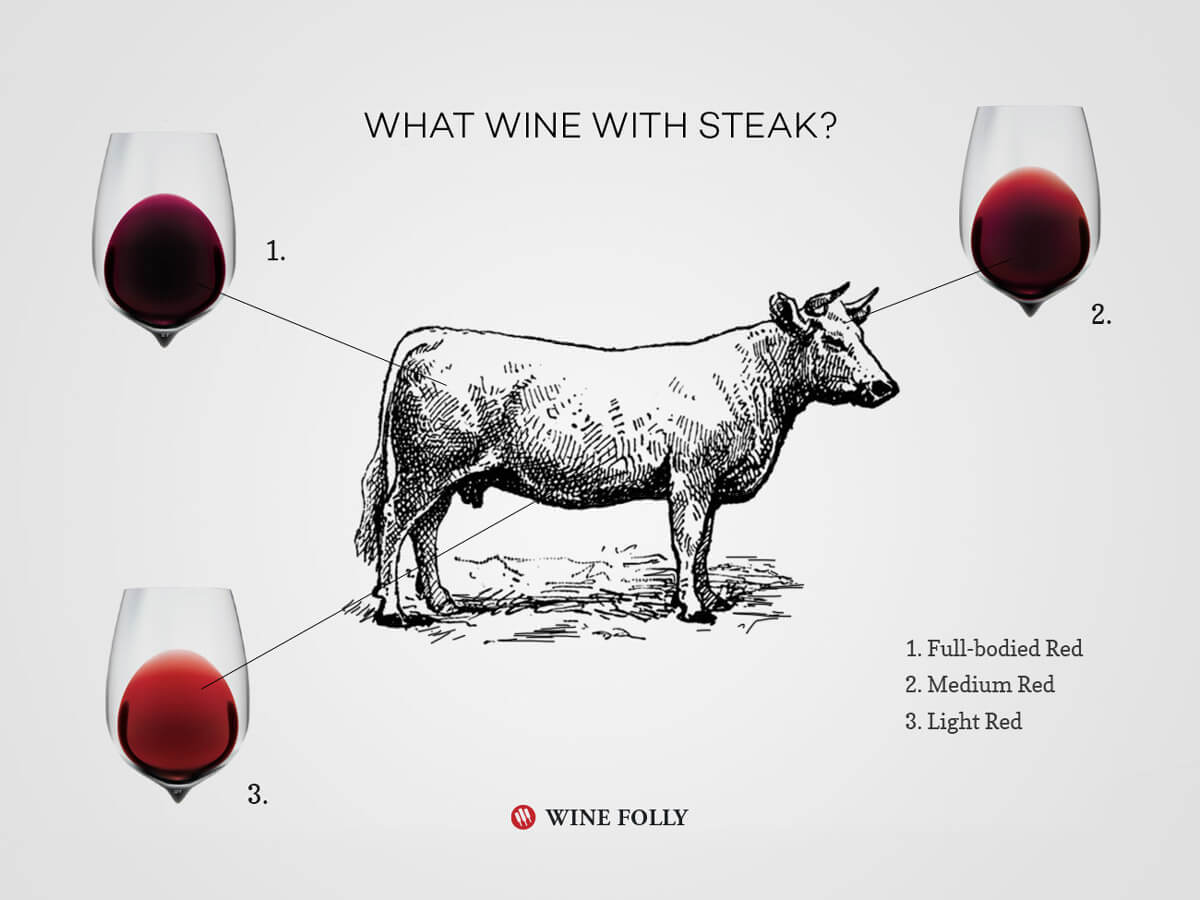
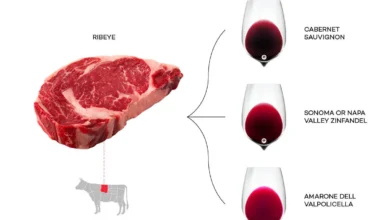
To understand the mechanics of a successful wine and steak pairing, one must examine the fundamental science of how wine components interact with meat. The primary driver in this culinary equation is tannin—a naturally occurring polyphenol found in grape skins, seeds, and stems that imparts a drying, astringent sensation in the mouth. When a high-tannin wine, such as a robust Cabernet Sauvignon or Nebbiolo, is paired with a rich, well-marbled steak, the proteins and fats in the beef bind to the tannins. This chemical neutralization softens the perceived astringency of the wine, while the wine’s natural acidity simultaneously cuts through the dense animal fats, cleansing the palate between bites. Conversely, leaner cuts of meat lack the necessary fat content to temper heavy tannins, often resulting in a metallic or overly bitter flavor profile if paired incorrectly. Consequently, lighter-bodied reds with lower tannin levels, such as Pinot Noir or Grenache, are scientifically and structurally better suited to delicate cuts like filet mignon.
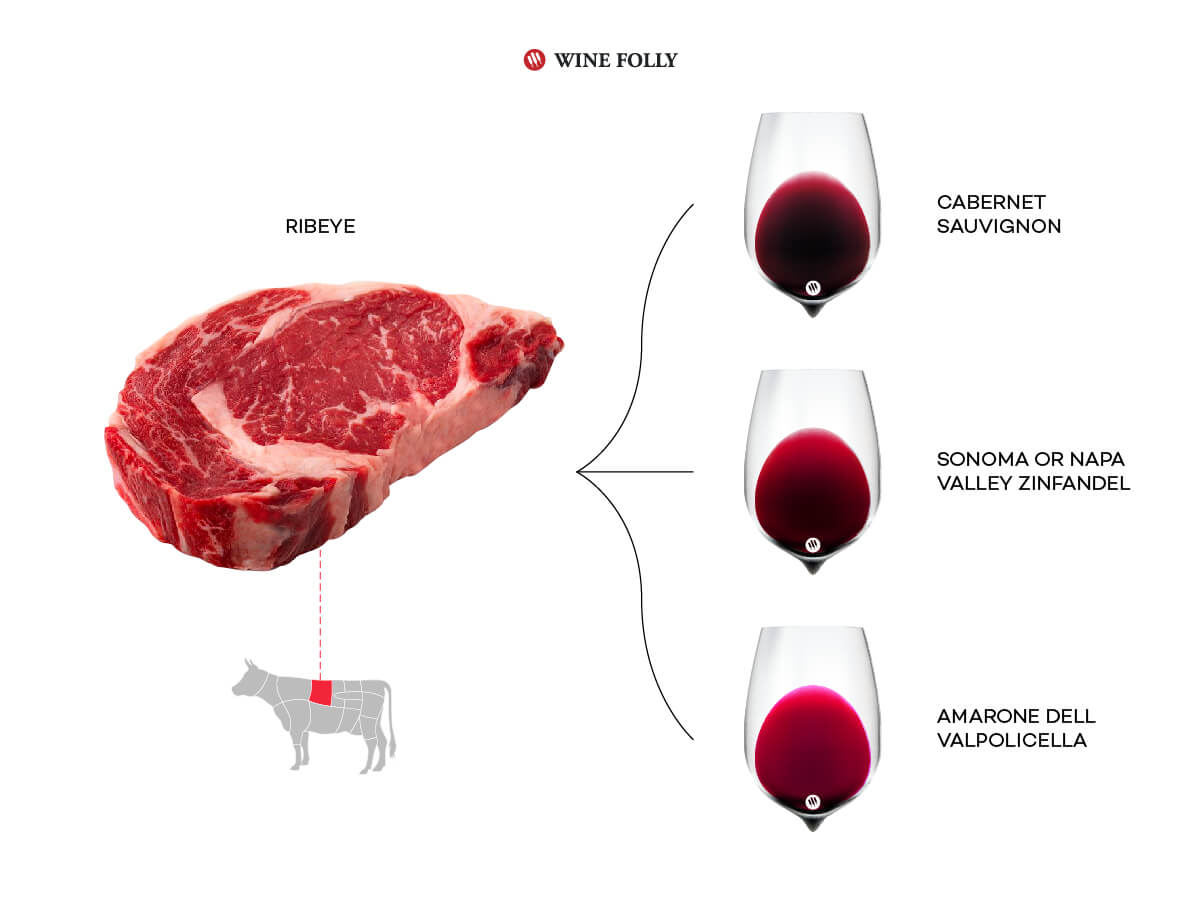
Culinary market data indicates that consumer spending on premium beef and fine wine pairings has experienced steady year-over-year growth, driven largely by the proliferation of specialized butcher shops, direct-to-consumer wine delivery services, and digital culinary education platforms. Industry analysts note that home cooks are no longer treating steak as a monolithic category. Instead, they are recognizing the distinct textural and flavor profiles of cuts ranging from the heavily marbled ribeye to the lean, muscular flank steak. This shift has placed new demands on wine retailers and restaurateurs, who must curate inventories that account for the fat distribution, connective tissue density, and cooking methods of each specific cut of beef.
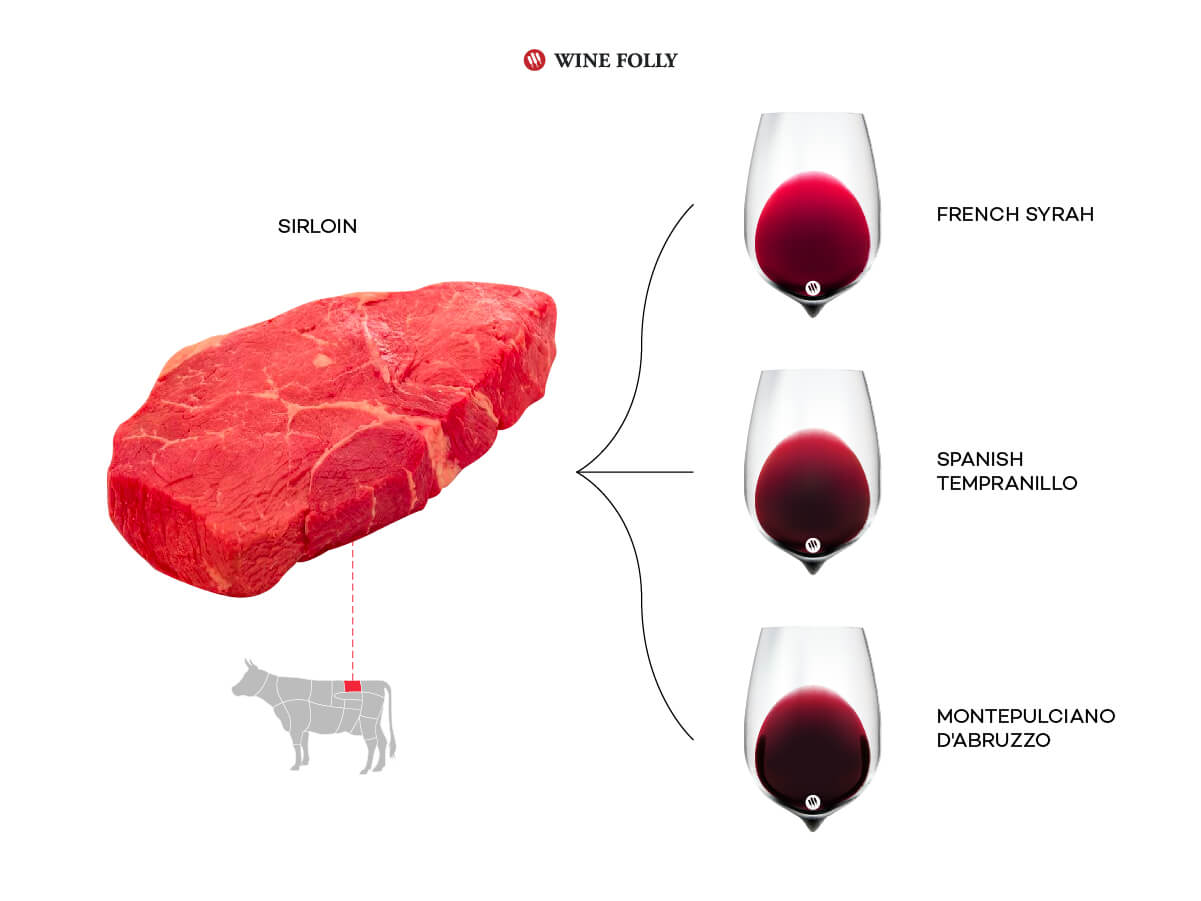
Industry experts and master sommeliers emphasize that preparation methods play an equally vital role in determining the final wine selection. A sirloin grilled over open hardwood charcoal imparts smoky, charred notes that require a wine with sufficient fruit concentration and earthy undertones to bridge the gap between the meat and the fire. Similarly, pan-searing a steak with butter and aromatics like rosemary and garlic introduces dairy fats and herbal complexities that can either clash with or elevate the wine, depending on its acid and alcohol levels. Professional culinary organizations stress that while foundational pairing rules provide a reliable framework, the dynamic variables of seasoning, sauces, and cooking temperatures require a nuanced, adaptable approach from the host or chef.
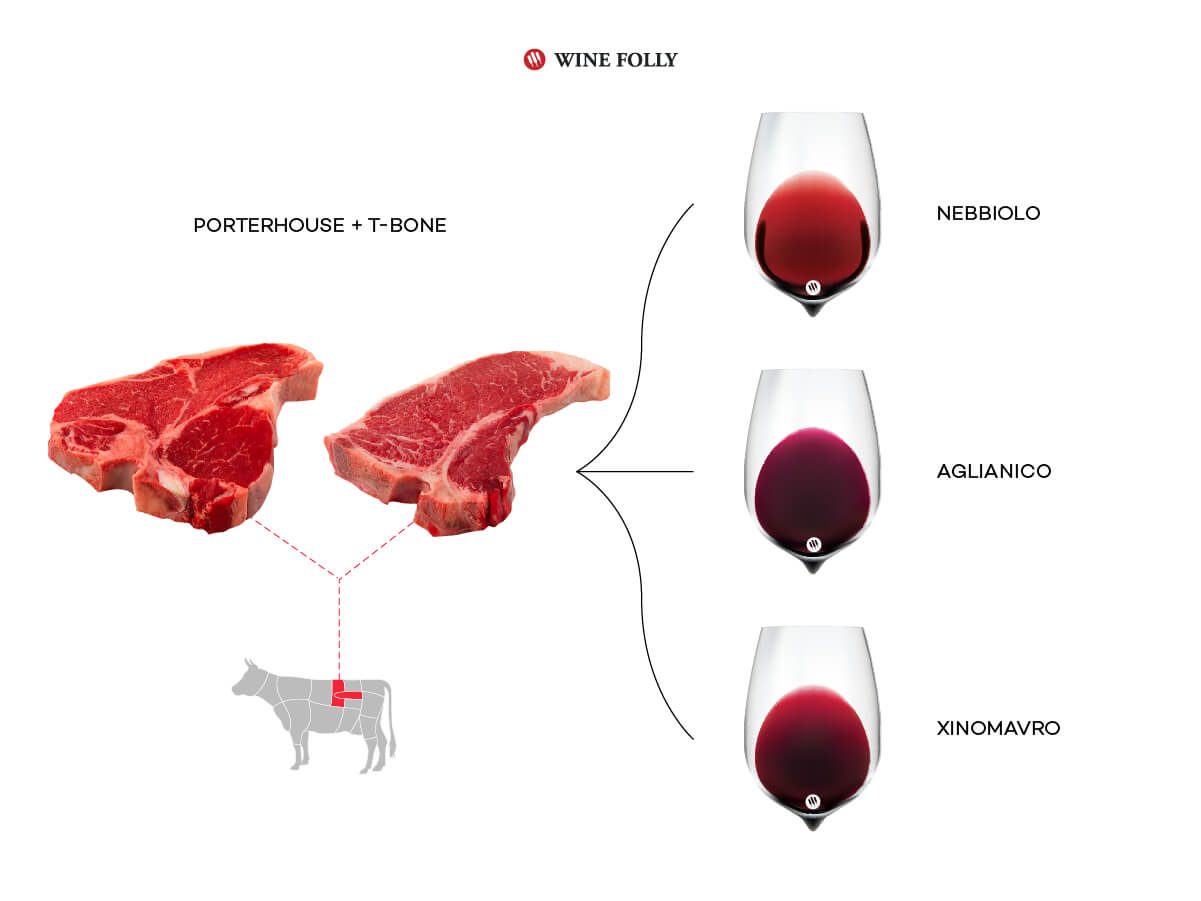
The cultural and economic implications of the artisan wine and beef pairing sector extend deeply into agricultural and hospitality economies. Winemakers in renowned regions such as Bordeaux, Napa Valley, Mendoza, and Tuscany frequently collaborate with livestock industry associations to promote regional pairings, recognizing that the culinary prestige of their products is mutually reinforcing. This symbiotic relationship supports sustainable farming practices, boutique viticulture, and high-welfare cattle ranching, as consumers become increasingly willing to invest in traceable, high-quality ingredients. Furthermore, the rise of digital content dedicated to food and wine pairing has democratized gastronomic knowledge, empowering everyday consumers to replicate fine-dining experiences within their own homes.
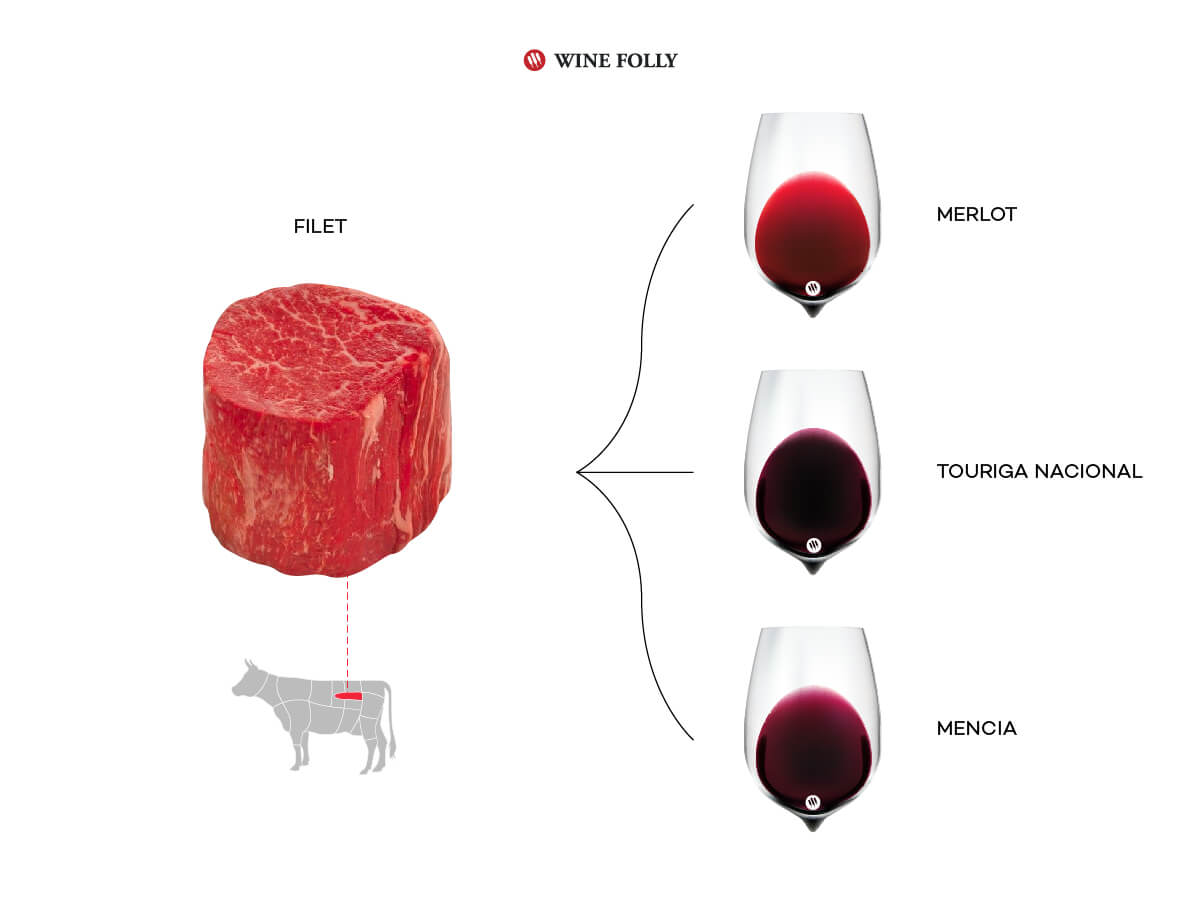
As the culinary landscape continues to evolve, the intersection of food science and sensory appreciation remains the cornerstone of exceptional dining. Whether selecting a bold, tannin-heavy red to tame the buttery richness of a bone-in ribeye or choosing an aromatic, lighter-bodied varietal to honor the subtle elegance of a tenderloin, understanding the structural characteristics of both wine and beef transforms a simple meal into an exercise in culinary precision. Experts advise enthusiasts to view established pairing guidelines not as rigid mandates, but as a sophisticated toolkit designed to inspire experimentation, personal discovery, and a deeper appreciation for the complex art of gastronomy.