Stoli Returns to the United States and Modelo Secures Historic NCAA Partnership Highlight Beverage Industry Shifts

The global beverage alcohol industry continues to navigate a complex landscape defined by shifting consumer preferences, high-profile corporate maneuvers, and evolving regulatory environments. As supply chain dynamics normalize following years of pandemic-era disruption, major domestic and international brands are aggressively positioning themselves to capture market share. This week’s developments underscore a period of strategic repositioning across the beer, wine, and spirits sectors, marked by major corporate returns, high-stakes sports marketing investments, and an influx of innovative product launches designed to appeal to modern drinkers.
Chief among the week’s developments is the official reentry of the iconic Stoli vodka brand into the United States market, a move that carries significant historical and commercial weight. Simultaneously, Grupo Modelo has cemented its footprint in American collegiate sports through a landmark multi-year sponsorship agreement with the National Collegiate Athletic Association (NCAA). These headlines, alongside a wave of targeted seasonal product releases, reflect an industry in motion, constantly adapting to macroeconomic pressures and cultural touchpoints.
Stoli’s Strategic U.S. Reentry: Navigating Heritage and Modern Markets
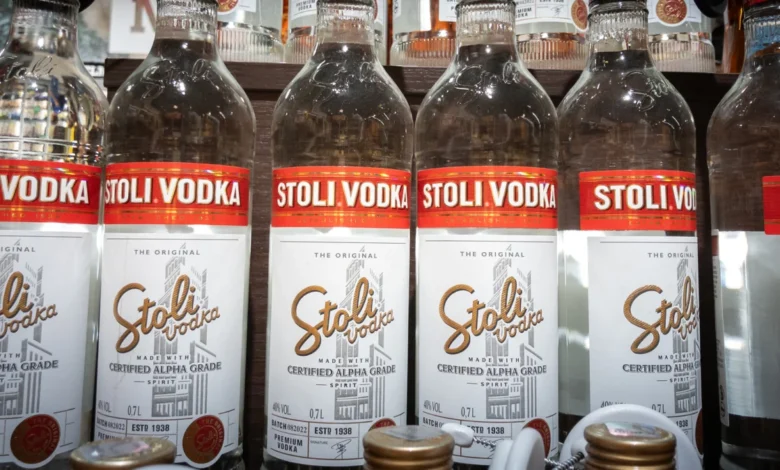
The return of Stoli to the United States marks a critical chapter for one of the most recognizable names in the global spirits portfolio. The brand, which has faced a labyrinth of ownership structures, geopolitical headwinds, and trademark disputes over the past decade, is once again making a concerted push into the lucrative U.S. market. Historically, Stoli has been a staple of American back-bars, known for its premium positioning and extensive flavored vodka lineup. However, changing consumer sentiments regarding provenance and corporate identity have forced a reevaluation of how the brand presents itself to contemporary buyers.
The timeline of Stoli’s journey in the U.S. is deeply intertwined with the broader geopolitical climate. For years, the brand—produced by SPI Group, headquartered in Luxembourg and distinct from the Russian state-owned enterprise, though bearing a similar historical lineage—has gone to great lengths to emphasize its non-Russian ownership and European production methods, primarily in Latvia. Following the escalation of geopolitical tensions in Eastern Europe, these distinctions became paramount for distributors, retailers, and consumers alike.
Industry analysts note that Stoli’s latest U.S. rollout is not merely a product launch, but a comprehensive rebranding and repositioning campaign. The strategy relies heavily on reestablishing relationships with key tier-one distributors, engaging off-premise retail partners, and capturing the attention of a younger demographic that may view the brand with fresh eyes. By focusing on quality, mixability, and heritage without the baggage of geopolitical confusion, Stoli aims to reclaim its shelf space in a crowded vodka category currently dominated by domestic heavyweights and craft competitors.
Economic analysts observing the spirits sector suggest that reentering the U.S. market requires substantial capital investment in marketing and trade promotions. Vodka remains the largest spirits category by volume in the United States, according to data from the Distilled Spirits Council of the United States (DISCUS). Capturing even a fraction of this market share demands a robust distribution network and a clear value proposition. Stoli’s executive team has indicated that the renewed push will leverage modern digital marketing campaigns alongside traditional on-premise activations, ensuring the brand reaches legal-drinking-age consumers across diverse social channels.
Modelo’s NCAA Partnership: A New Era for Collegiate Sports Marketing
In the beer sector, Constellation Brands-backed Modelo has made a monumental play for American sports fans by securing a wide-ranging official sponsorship deal with the NCAA. This partnership represents a watershed moment for collegiate athletics marketing, historically known for its conservative approach to alcohol advertising. For decades, major broadcast networks and athletic governing bodies maintained strict limitations on beer and wine sponsorships during collegiate sporting events, viewing them as incompatible with the collegiate environment.
The relaxation of these policies over recent years opened the door for progressive brand partnerships, culminating in Modelo’s agreement. Under the terms of the multi-year deal, Modelo achieves official corporate partner status across a multitude of NCAA championships, most notably the high-profile March Madness men’s and women’s basketball tournaments. This grants the brand extensive broadcast integration, digital advertising rights, and prominent on-site activation opportunities during some of the most-watched sporting spectacles on the American calendar.
From a strategic standpoint, the partnership aligns with Modelo’s meteoric rise in the U.S. beer market. Over the past several years, Modelo Especial has consistently outpaced competitors, eventually overtaking legacy domestic lagers to become the top-selling beer by dollar sales in the United States. This success is driven by shifting demographic trends, highly effective marketing campaigns celebrating resilience and heritage, and a loyal consumer base that spans diverse cultural backgrounds.
Marketing experts evaluate the NCAA partnership as a masterclass in demographic expansion. While professional sports leagues like the NFL and NBA have long been crowded arenas for beverage alcohol advertisers, the collegiate sports landscape offers a unique, highly engaged audience characterized by regional loyalty and communal viewing habits. By embedding the Modelo brand into the fabric of collegiate championships, Constellation Brands aims to reinforce brand loyalty among millennials and legal-drinking-age Gen Z consumers who participate in the cultural phenomena surrounding college sports.
Reactions from industry stakeholders have been largely positive, though public health advocates have raised standard discussions regarding the presence of alcohol branding in collegiate sports environments. In response, sports marketing executives emphasize that the campaigns will strictly adhere to responsible drinking guidelines, focusing on moderation, designated driver initiatives, and compliance with all NCAA and federal advertising standards.
Product Releases to Watch: Innovation Driving Consumer Engagement
Beyond corporate partnerships and market reentries, the weekly landscape of the beverage alcohol industry is defined by continuous product innovation. Manufacturers across wine, beer, and spirits are deploying targeted releases designed to capitalize on emerging consumer trends, including the demand for convenience, functional ingredients, premiumization, and flavor experimentation.
In the ready-to-drink (RTD) and spirit-based cocktail category, brands are increasingly focusing on bar-quality formulations that can be consumed at home or at outdoor events. Data from market research firms indicate that the RTD segment continues to experience robust growth, even as the initial hyper-growth phase of the hard seltzer market stabilizes. Consumers are trading up to cocktails featuring real spirits—such as tequila, bourbon, and premium vodka—packaged in convenient single-serve formats. Recent product launches highlight a shift toward complex flavor profiles, incorporating elements like botanicals, subtle spice, and lower sugar content.
Concurrently, the craft beer and non-alcoholic sectors are seeing rapid diversification. Non-alcoholic (NA) beer, wine, and spirits are no longer niche offerings aimed solely at designated drivers; they have evolved into a lifestyle category embraced by health-conscious consumers practicing mindful drinking. Brewers are utilizing advanced dealcoholization technologies to preserve the authentic hop-and-malt characteristics of craft IPAs, stouts, and pilsners, resulting in product releases that rival their alcoholic counterparts in taste and complexity.
In the wine industry, producers are responding to sustainability pressures and shifting packaging preferences by introducing alternative formats, including premium canned wines and lightweight glass bottles. These innovations not only appeal to eco-conscious consumers but also lower shipping costs and reduce the carbon footprint associated with distribution. Winemakers are also experimenting with ancestral methods, skin-contact orange wines, and heritage grape varieties to attract adventurous drinkers seeking unique sensory experiences.
Broader Industry Implications and Outlook
The convergence of Stoli’s U.S. return, Modelo’s NCAA integration, and a continuous stream of innovative product releases points to a dynamic and fiercely competitive beverage alcohol marketplace. As inflationary pressures and fluctuating consumer confidence continue to influence retail spending, brands are forced to be increasingly strategic in their capital allocation.
For distributors and retailers, these developments necessitate agile inventory management. Retailers must balance established legacy brands that guarantee steady foot traffic with innovative new releases that attract trend-seeking consumers. Meanwhile, wholesalers are navigating complex logistics to ensure that high-demand products like Modelo maintain consistent shelf presence while newly reintroduced brands like Stoli successfully rebuild their distribution footprints.
Looking ahead, industry analysts project that digital transformation, direct-to-consumer delivery models (where legally permissible), and data-driven marketing will remain critical drivers of success. Brands that can successfully synthesize cultural relevance with operational resilience will be best positioned to thrive in an environment where consumer loyalty is continually tested by an abundance of choices. As the beverage alcohol sector moves further into the current fiscal year, stakeholders across the three-tier system will be closely monitoring how these major strategic plays translate into sustained retail performance and long-term brand equity.