The Comprehensive Guide to Online Wine Courses for Professionals and Enthusiasts in the Digital Age

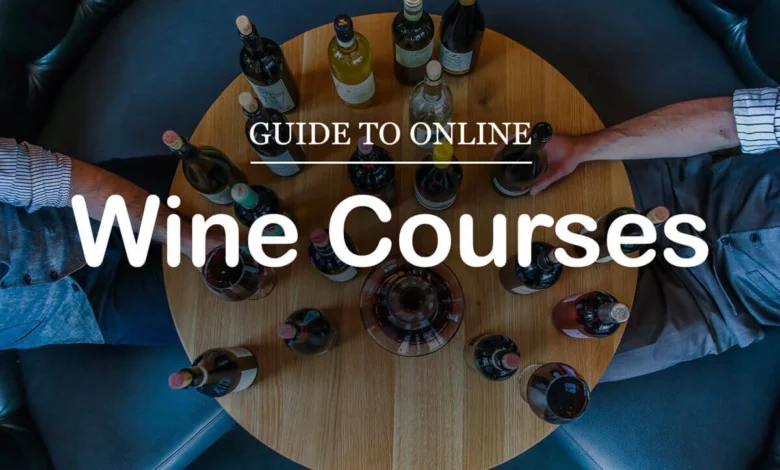
The global wine education landscape has undergone a radical transformation over the last decade, shifting from exclusive, in-person masterclasses in historic viticultural regions to a democratized digital ecosystem accessible from any corner of the globe. As the demand for specialized knowledge increases among both hospitality professionals and private collectors, online wine courses have emerged as the primary vehicle for building a foundational or advanced understanding of oenology. These programs, ranging from cost-free introductory modules to rigorous, college-level certifications, offer a flexible alternative to traditional classroom settings while maintaining the high academic standards required by the industry.

The Digital Transformation of Oenology
The evolution of wine education reflects broader trends in the global "EdTech" sector. Historically, obtaining a wine credential required physical proximity to major urban hubs or wine-producing regions like Napa Valley, Bordeaux, or London. However, the integration of high-definition video production, interactive webinars, and specialized logistics for shipping tasting samples has removed these geographical barriers.
The surge in digital wine learning was significantly accelerated by the global pandemic in 2020, which forced established institutions such as the Wine & Spirit Education Trust (WSET) and the Court of Master Sommeliers to adapt their curricula for remote delivery. Today, the market is bifurcated into two primary categories: self-directed free resources and structured paid programs. Each serves a distinct demographic, from the casual consumer looking to navigate a restaurant wine list to the career professional seeking the post-nominal letters that command higher salaries in the global trade.
Categorizing the Educational Experience: Free vs. Paid Curricula
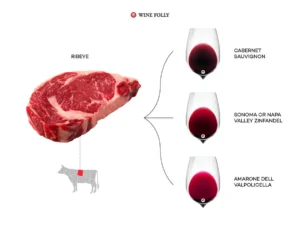
Prospective students must weigh the advantages of various educational models based on their personal or professional goals. Free courses, often hosted on platforms like YouTube, provide an excellent entry point for those beginning their journey. These resources are typically "patchwork" in nature, requiring the student to curate their own syllabus from disparate sources. While the quality of information from reputable creators like Wine Folly or GuildSomm is exceptionally high, free programs generally lack the formal assessment and certification required for professional advancement.
In contrast, paid courses offer a structured pedagogical approach. These programs are designed by Masters of Wine (MW) or Master Sommeliers (MS) and follow a logical progression from basic viticulture to complex soil chemistry and regional laws. The primary benefits of paid enrollment include instructor support, peer-to-peer interaction, and a recognized credential. Furthermore, many premium courses now include "tasting kits"—small, argon-preserved samples of wine shipped directly to the student—to ensure that the sensory component of the education remains standardized.
The Role of Self-Directed Learning via Digital Media
For many, the journey begins with curated digital media. Leading educators have developed extensive video libraries that cover the three pillars of wine knowledge: theory, service, and palate training.
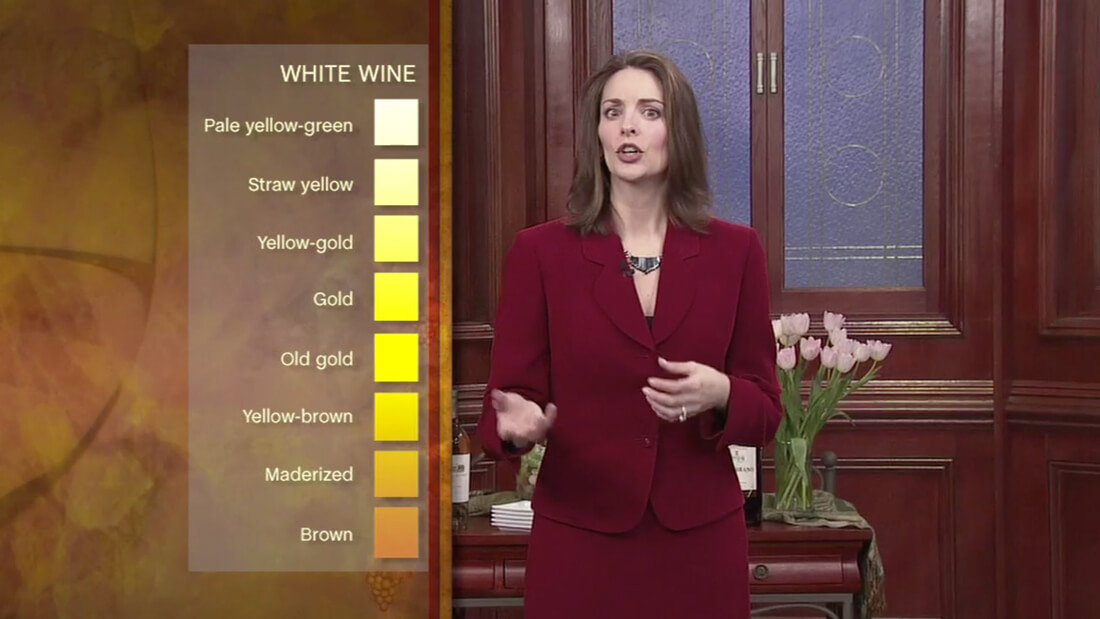
- General Wine Theory: Comprehensive playlists, such as those curated by Wine Folly and the LCBO, offer hours of content exploring winemaking processes and the geography of the world’s major wine regions. These videos introduce the "Professional Tasting Method," a systematic approach to evaluating a wine’s appearance, aroma, and structural components.
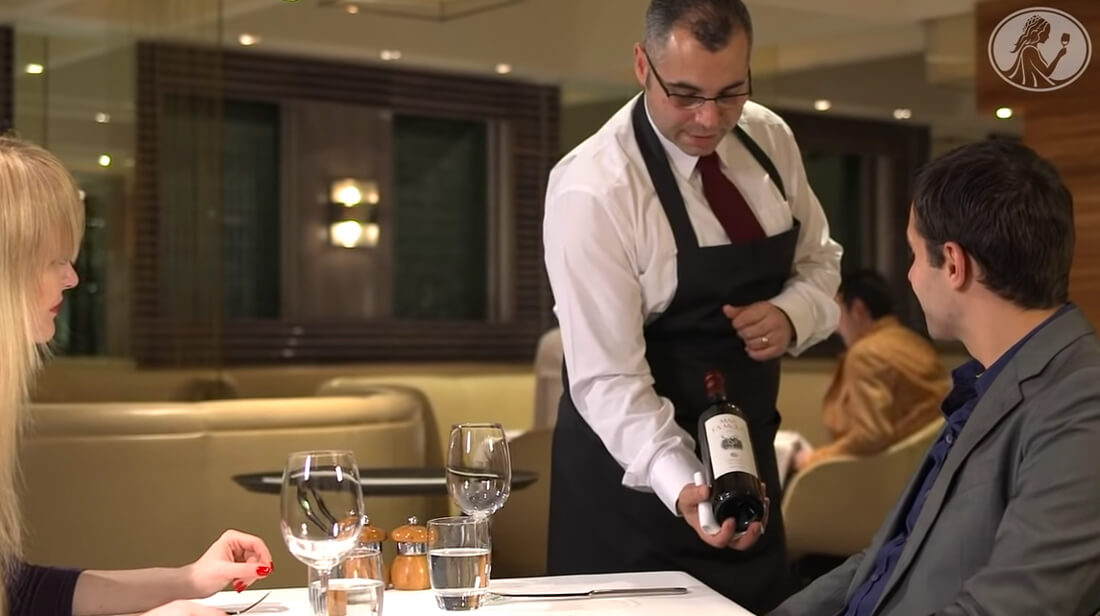
- Hospitality and Service: For those entering the restaurant industry, digital tutorials provide essential training on technical skills. This includes the proper use of a waiter’s friend corkscrew, the etiquette of tableside service, and the safety protocols for opening pressurized bottles of sparkling wine.
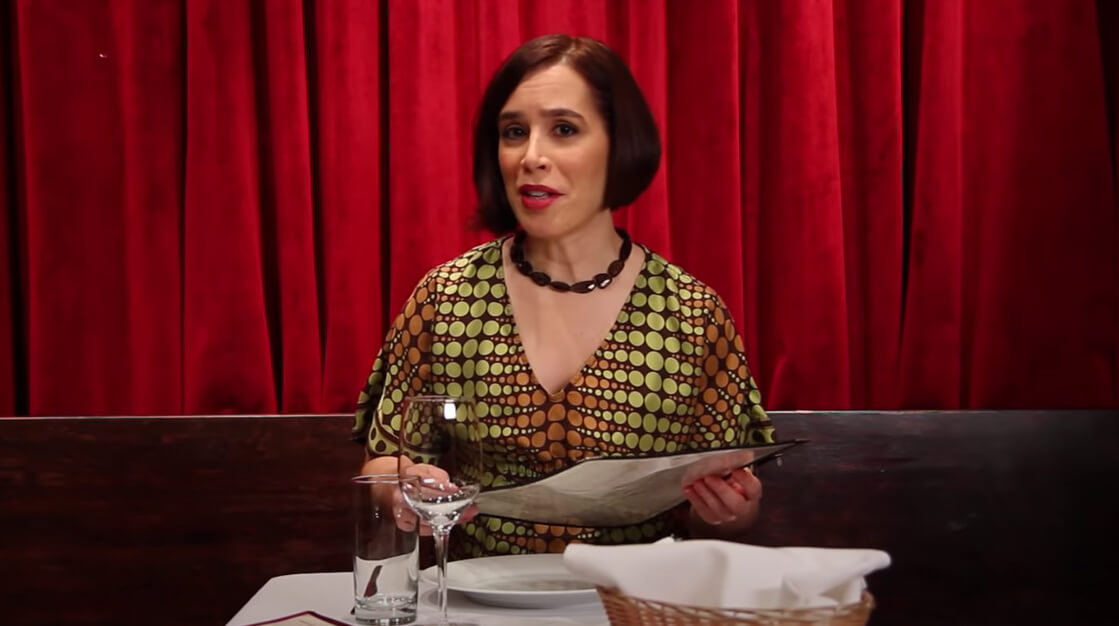
- Etiquette and Consumer Confidence: Beyond technical skills, online resources focus on the social and practical aspects of wine, such as decoding complex labels, navigating restaurant wine lists with confidence, and the science behind food and wine pairing.
Analyzing Premium Digital Wine Education Platforms
The premium sector of online wine education is dominated by a few key players and legendary critics, each offering a unique perspective on the craft.
Wine Folly’s Educational Suite
Wine Folly, led by James Beard Award winner Madeline Puckette, has transitioned from a popular blog to a comprehensive educational platform. Their courses, such as Wine 101 and the more advanced Wine 201, utilize visual learning aids—infographics and maps—that have become the industry standard for clarity. These courses are self-paced and provide digital certificates that are increasingly recognized on professional networking platforms like LinkedIn.
Jancis Robinson: An Understanding of Wine
In partnership with BBC Maestro, Jancis Robinson—arguably the world’s most respected wine critic and a Master of Wine—offers a course focusing on the fundamentals. Robinson’s approach is academic yet accessible, drawing on her 45-year career to help students identify quality and value in a crowded market. Her involvement lends a high degree of prestige to the digital learning format.
James Suckling’s Masterclass
Critic James Suckling provides a different angle, focusing on the "critic’s perspective." His course emphasizes the 100-point rating system and the art of blind tasting. While some critics argue that Suckling’s course prioritizes the "glamour" of wine over granular technical detail, it serves as an excellent confidence-builder for enthusiasts who want to understand how high-level critics evaluate a wine’s merit and investment potential.
The Great Courses: Jennifer Simonetti-Bryan
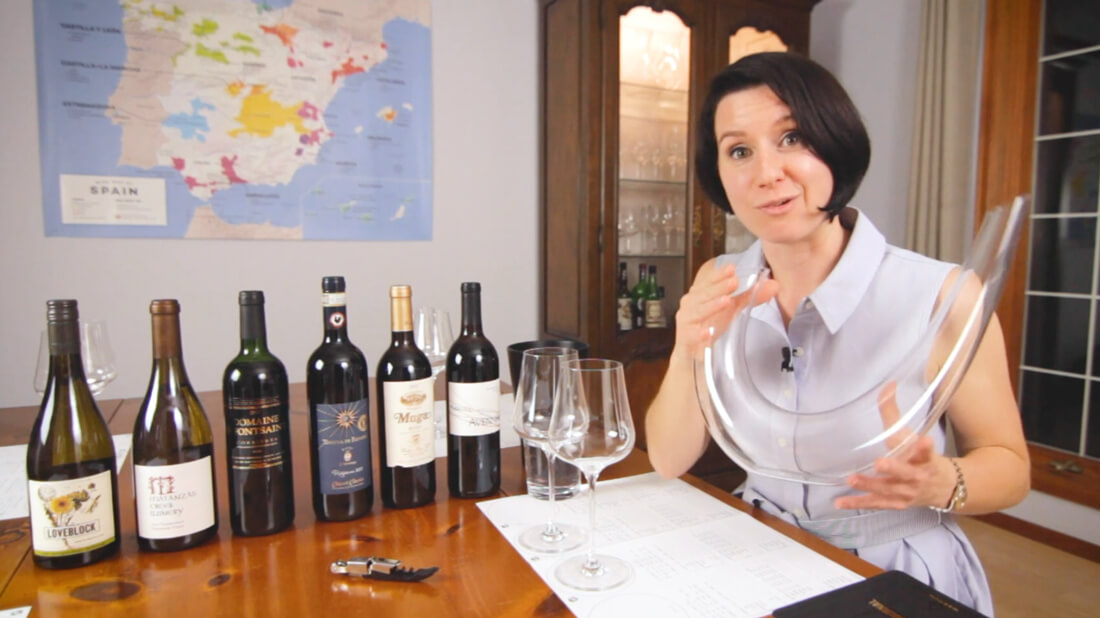
For those seeking an exhaustive, lecture-style format, Jennifer Simonetti-Bryan, MW, delivers a massive curriculum through "The Everyday Guide to Wine." Despite being produced over a decade ago, the technical information regarding the 14 major wine-producing countries remains foundational. This course is noted for its depth, requiring students to source specific bottles to follow along with the rigorous tasting modules.
Institutional Excellence: WSET and Professional Certification Pathways
For individuals seeking a career in the wine trade, institutional certification is non-negotiable. The Napa Valley Wine Academy and the San Francisco Wine School have pioneered the "hybrid" online model for the WSET and the Certified Specialist of Wine (CSW) credentials.
The WSET Level 2 Certificate, offered online by the Napa Valley Wine Academy, is a five-week intensive program. It is unique in that it often includes the shipment of 187ml tasting portions to students within the United States. This ensures that a student in rural Iowa is tasting the exact same high-quality Chardonnay or Syrah as a student in New York City, allowing for a synchronized, instructor-led tasting session via live webinar.

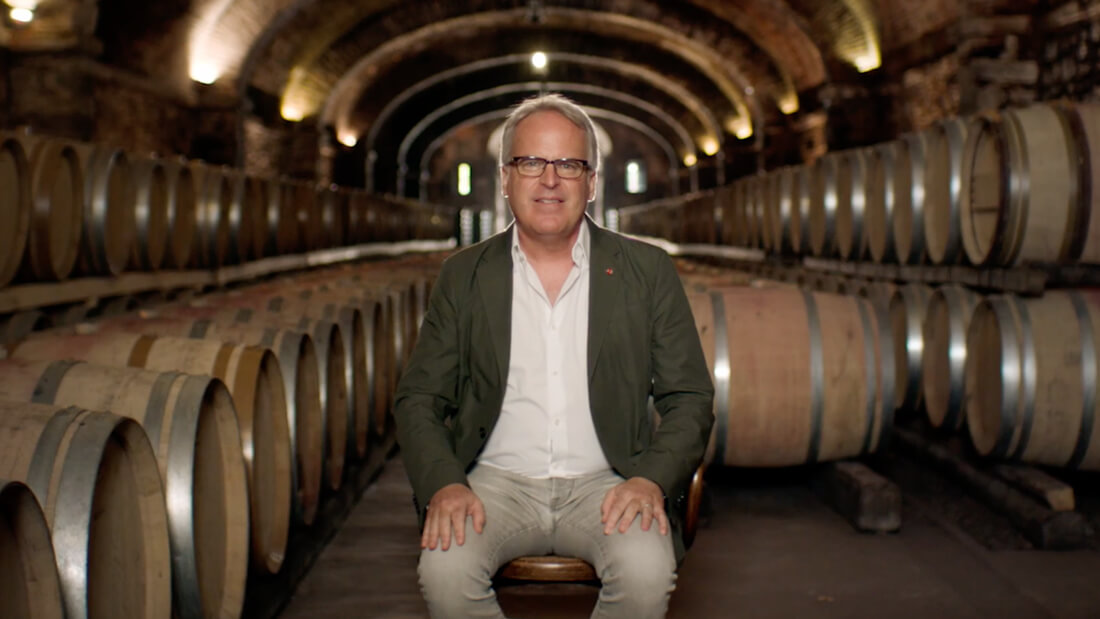
Similarly, the San Francisco Wine School’s CSW program, led by Master Sommelier David Glancy, focuses on the "science" of wine—viticulture, enology, chemistry, and flaws. This program is particularly valued by those working in wine education or distribution, as the CSW exam is known for its difficulty and comprehensive scope.
Specialized Regional Expertise: The Wine Scholar Guild
As the global palate becomes more sophisticated, there is a growing demand for "micro-specialization." The Wine Scholar Guild (WSG) addresses this by offering deep-dive certifications into the three "old world" powerhouses: France, Italy, and Spain.
The WSG programs are recognized by the respective countries’ trade organizations and provide an unparalleled level of detail regarding AOC/DOCG laws, historical context, and geological nuances. These courses are instructor-supported and require students to pass a rigorous exam to earn the right to display the French, Italian, or Spanish Wine Scholar post-nominals.
The Logistics of Remote Palate Training
One of the primary criticisms of online wine education was the lack of sensory oversight. However, the industry has innovated through several mechanisms:
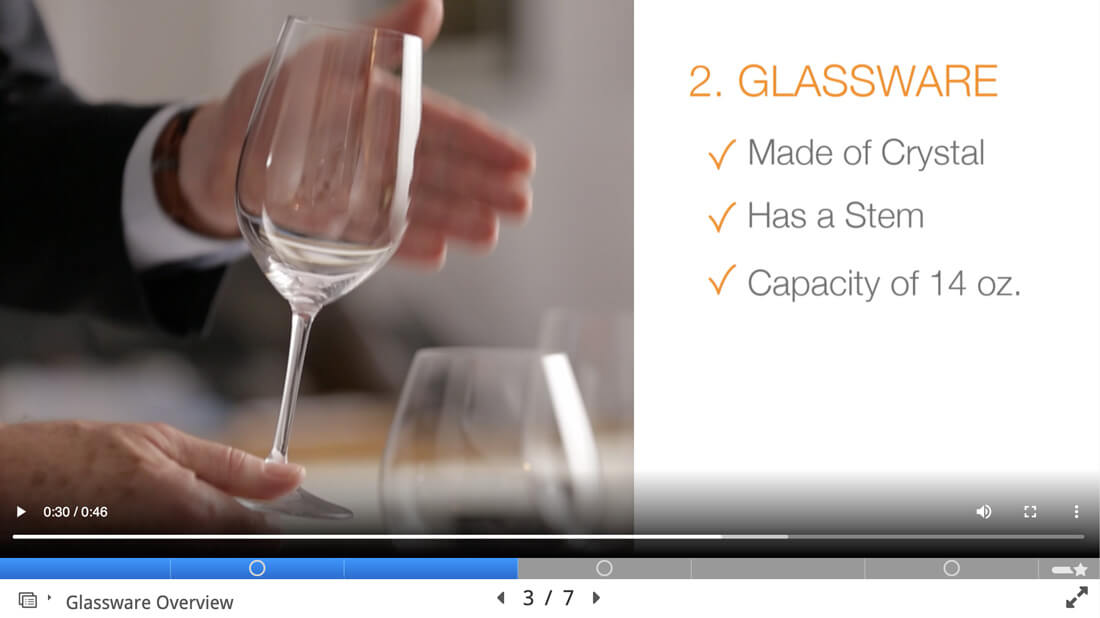
- Standardized Tasting Kits: Using vacuum-sealing and argon gas preservation to ship small samples.
- Interactive Webinars: Real-time sessions where instructors guide students through the "deductive tasting" process.
- Peer Tasting Groups: Educators now strongly encourage students to form local tasting groups. Research suggests that peer-to-peer interaction significantly improves knowledge retention and helps students calibrate their palates against one another.
Economic and Professional Implications of Digital Wine Education
The shift to online learning has significant economic implications for the hospitality industry. For employers, online courses represent a cost-effective way to upskill staff without the need for travel or expensive third-party consultants. For employees, these credentials are a proven pathway to higher earnings. Data from industry salary surveys consistently show that individuals with WSET Level 2 or higher earn significantly more than their uncertified counterparts in retail and restaurant management.
Furthermore, the democratization of this knowledge has created a more informed consumer base. This "educated consumer" is less likely to rely on brand names and more likely to explore diverse regions and grape varieties, which in turn supports smaller, sustainable vineyards that might otherwise struggle to find a market.
Conclusion: The Future of Democratized Wine Knowledge
The rise of online wine courses marks the end of an era where wine expertise was guarded by a small elite. Today, the combination of free, high-quality content and rigorous, accredited online programs ensures that anyone with an internet connection and a passion for the vine can achieve a professional level of competency.
As technology continues to advance—potentially incorporating virtual reality tours of vineyards or AI-driven palate calibration—the gap between physical and digital wine education will continue to shrink. For the aspiring sommelier or the dedicated hobbyist, there has never been a more opportune time to begin a formal wine education. The digital cellar is open, and the resources for mastery are only a click away.