Wine Folly Enhances Global Wine Education Platform with Integration of Curated Subscription Services and Digital Learning Tools

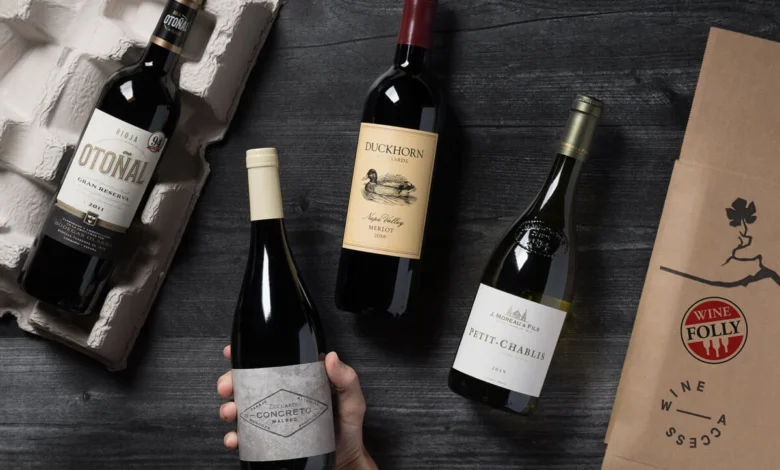
The digital landscape of oenology has undergone a significant transformation as Wine Folly, a leading authority in wine education, formalizes its commitment to consumer mastery through the expansion of its specialized wine club. This initiative seeks to bridge the traditional gap between casual wine consumption and professional-level expertise by delivering a structured, educational adventure directly to the consumer’s doorstep. By synthesizing physical product delivery with a robust digital ecosystem, the organization is positioning itself at the intersection of the $400 billion global wine market and the rapidly growing educational technology sector. The program, which features a baseline entry point of $99 per month, emphasizes a "discovery-first" philosophy, sourcing rare and artisanal bottles from diverse global regions that are frequently unavailable through traditional local retail channels.
The Evolution of Direct-to-Consumer Wine Education
The wine industry has historically grappled with a high barrier to entry regarding technical knowledge. For decades, consumers relied on fragmented sources—books, sommelier consultations, or localized tasting rooms—to build their understanding of varietals and regions. Wine Folly’s latest subscription model addresses this fragmentation by centralizing the learning process. The service is built upon three foundational pillars: discovery, adventure, and systematic knowledge building. Unlike traditional "discount-focused" wine clubs that prioritize volume and liquidation of overstock, this model prioritizes the narrative and technical specifications of the wine.

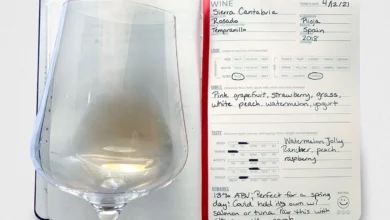
The program’s structure is designed to facilitate a "vertical" learning experience. Subscribers do not merely receive bottles; they receive a comprehensive dossier on the producer’s philosophy, the specific viticultural challenges of the region, the historical context of the grapes, and the chemical profiles of the vintages. This methodological approach mirrors professional sommelier training but is packaged for the sophisticated enthusiast. By hand-selecting wines that represent specific regional benchmarks, the service ensures that subscribers are not just drinking, but are actively engaging in a curated curriculum of taste.
Strategic Integration of Digital and Physical Assets
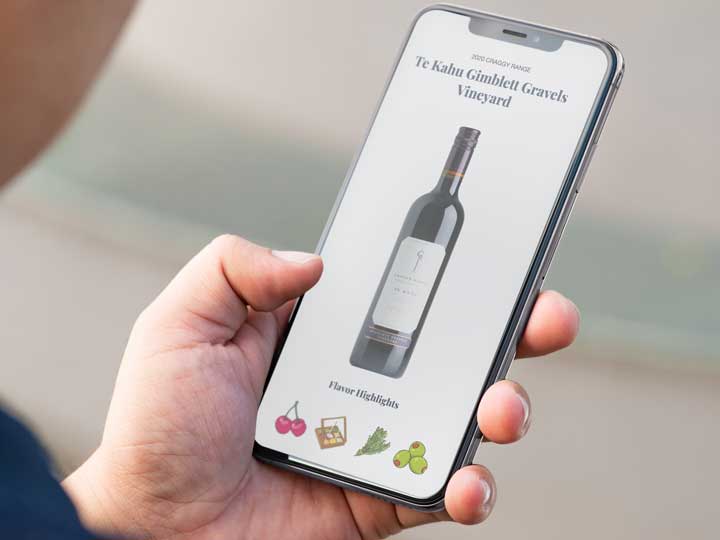
A critical component of this expanded service is the proprietary "Members Portal," a digital infrastructure that allows subscribers to access rich media content in real-time. This "Access Anywhere" capability reflects a broader trend in the luxury goods market toward "phygital" experiences—where physical products are enhanced by digital layers. Within this portal, members can view instructional videos, interact with high-resolution maps of the vineyards, and access personal tasting notes from Wine Folly’s staff of professional educators and sommeliers.
The inclusion of "Insider Views" provides a level of transparency rarely seen in mass-market retail. Subscribers are granted access to exclusive interviews with producers and behind-the-scenes footage of the harvest and fermentation processes. This transparency serves two purposes: it builds brand loyalty for the small-scale producers featured in the club, and it satisfies the modern consumer’s demand for authenticity and traceability in the products they consume. From a logistical standpoint, the integration of food pairing suggestions and historical data ensures that the education extends beyond the glass and into the culinary and cultural spheres of the subscriber’s life.

Market Context and Consumer Trends in the Subscription Economy
The launch of this enhanced club comes at a time when the Direct-to-Consumer (DTC) wine market is experiencing sustained growth. According to industry reports, DTC wine shipments in the United States alone have reached multi-billion dollar annual valuations, driven by a shift in consumer behavior toward personalized, home-based experiences. However, as the market becomes saturated with generic subscription services, the demand for "expert-led" curation has become a primary differentiator.
Market analysis suggests that the $99 monthly price point targets the "aspirational" and "high-net-worth" demographics who view wine consumption as a form of intellectual capital. By offering a "Cancel Anytime" policy, Wine Folly is mitigating the traditional risks associated with long-term subscriptions, catering to a younger, more mobile demographic that values flexibility. Furthermore, the introduction of tiered gifting options—ranging from two to twelve months—taps into the lucrative gift economy, where educational experiences are increasingly favored over static physical objects.
Consumer Sentiment and Qualitative Impact
Initial feedback from the program’s early adopters highlights the success of the "information-heavy" format. Consumers such as Laura M. have noted that the "honed perfection" of the format lies in the depth of information available in the members’ area, specifically citing the value of varietal and winery-specific data. This sentiment is echoed by other members who emphasize the "vertical tasting" and "taste pairing" aspects of the club as transformative to their understanding of the craft.

Another significant impact noted by the subscriber base is the access to "non-local" inventory. As Milford C. observed, the ability to source wines that are unavailable in regional markets provides a competitive advantage for the service. This highlights a critical pain point in the wine industry: the "three-tier system" of distribution often limits the variety of wines available in certain geographic areas. Wine Folly’s model bypasses these traditional bottlenecks, acting as a bridge between small-scale international vineyards and the domestic consumer.
Chronology of Wine Folly’s Development
To understand the significance of this club, one must look at the trajectory of Wine Folly since its inception. Founded in 2011 by Madeline Puckette and Justin Hammack, the organization began as a content-driven platform aimed at making wine knowledge accessible through infographics and clear, concise writing.
- 2011-2015: The platform established itself as a premier digital resource, winning numerous awards for its visual approach to wine education.
- 2015-2018: The publication of "Wine Folly: The Essential Guide to Wine" and its subsequent "Magnum Edition" solidified the brand’s authority in the publishing world, becoming a New York Times bestseller.
- 2019-2021: The company merged with Global Wine Database, enhancing its data-driven approach to wine regions and varietals.
- 2022-Present: The pivot toward a comprehensive subscription-based educational model represents the latest phase of the company’s evolution, moving from passive content provider to active experiential facilitator.
This timeline demonstrates a consistent move toward deeper integration with the physical product, ensuring that the brand’s educational theories are tested and reinforced through actual consumption.
Technical Analysis of Educational Methodology
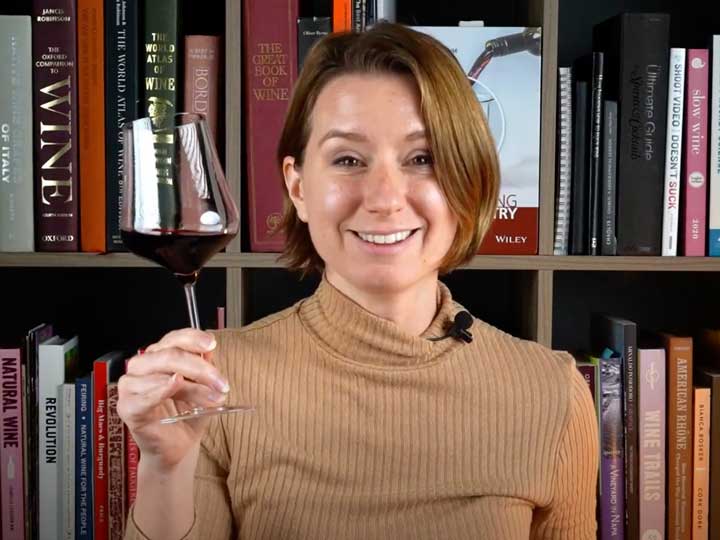
The Wine Folly club utilizes a "comparison-based" learning methodology. By providing wines that can be tasted side-by-side or in a "vertical" sequence (different years of the same wine), the program teaches subscribers to identify subtle nuances in acidity, tannin, and fruit profile that are often lost in isolated tastings. This is a standard pedagogical technique used in the Master Sommelier and Master of Wine programs.
Moreover, the focus on "Value Wines" alongside premium selections provides a pragmatic edge to the education. It teaches the consumer how to identify quality markers in more affordable bottles, effectively increasing their "wine IQ" and purchasing power in real-world scenarios. This dual focus on luxury and value ensures that the knowledge gained is applicable across all price points of the market.
Broader Implications for the Wine Industry
The success of such educational subscription models has broader implications for the global wine industry. First, it creates a new marketing channel for small-scale producers who lack the budget for international marketing campaigns. Being "handpicked" by a platform like Wine Folly provides an immediate stamp of credibility and exposure to a highly engaged audience.
Second, it challenges the traditional retail model. As more consumers turn to expert-led subscriptions for their wine needs, local retailers may face pressure to enhance their own educational offerings or face obsolescence. The "curation economy" suggests that consumers are increasingly willing to pay a premium for the time saved in research and the assurance of quality provided by a trusted third party.
Finally, this model promotes cultural literacy. By exploring the history, geography, and sociology of wine-producing regions, subscribers gain a deeper appreciation for global cultures. In an increasingly globalized world, wine serves as a unique lens through which to view environmental changes, economic shifts, and historical traditions.
Conclusion and Future Outlook
As Wine Folly continues to refine its club offerings, the integration of sophisticated digital tools and physical products is likely to become the industry standard. The company’s ability to maintain a professional, journalistic tone while providing deep-dive technical data sets it apart from more marketing-heavy competitors. For the consumer, the result is an "elevated wine experience" that transforms a simple beverage into a lifelong journey of learning and discovery. With the "Perfect Gift" options and customizable experiences, the program is well-positioned to capture a significant share of the evolving wine-education market, ensuring that the gap between curiosity and mastery continues to narrow for enthusiasts worldwide.