Wine Folly Expands Educational Ecosystem with New Direct to Consumer Subscription Service Focused on Global Viticulture and Sommelier Led Pedagogy

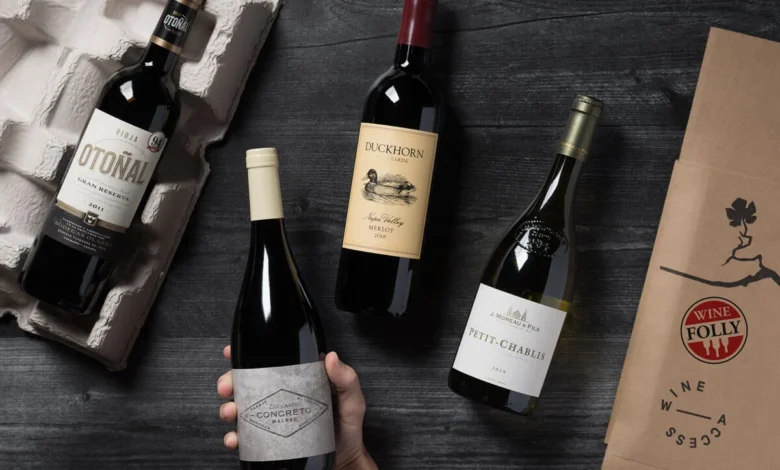
The global wine industry is witnessing a significant shift in consumer engagement as Wine Folly, a leading authority in wine education, launches its comprehensive wine club subscription designed to bridge the gap between casual consumption and expert-level connoisseurship. This new initiative marks a strategic pivot for the organization, moving beyond digital content and publishing into the direct-to-consumer (DTC) retail space. By offering a handpicked, educational adventure delivered monthly to the consumer’s door, Wine Folly aims to democratize the sommelier experience. The service, which starts at a baseline of $99 per month, is structured not merely as a product delivery system but as a curated curriculum intended to foster a deeper understanding of the producer, the grape varietals, the historical context, and the geographical nuances of various wine regions worldwide.
The Evolution of the Wine Subscription Model
The traditional wine club model, often criticized for being a mechanism for clearing excess inventory, has undergone a radical transformation over the last decade. Historically, wine clubs were divided into two categories: winery-specific clubs, which required a visit to a tasting room, and mass-market "discovery" clubs that prioritized volume over education. Wine Folly’s entry into this market represents a third category—the educational subscription. This model leverages the brand’s existing reputation as a premier educator to provide a service where the liquid in the bottle serves as a primary source for a larger lesson in viticulture.

According to market data from the Silicon Valley Bank State of the Wine Industry Report, the DTC channel has become the fastest-growing segment of the wine market, particularly as younger demographics seek transparency and authentic storytelling from the brands they support. Wine Folly’s service addresses this demand by providing an "insider view" of the industry, including exclusive content from producers and professional tasting notes that guide the consumer through the sensory experience.
Strategic Integration of Digital and Physical Assets
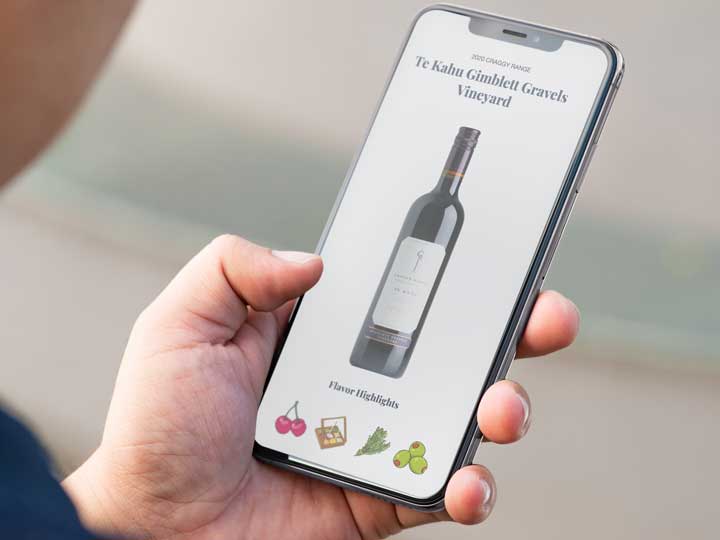
At the core of the Wine Folly wine club is a sophisticated digital infrastructure. Members are granted access to a proprietary portal that hosts rich media content, allowing for an "access anywhere" learning environment. This integration of physical product and digital pedagogy is a response to the "edutainment" trend, where consumers seek to gain skills and knowledge while engaging in leisure activities.
The member portal includes:

- Professional Tasting Notes: Detailed analyses from Wine Folly’s team of experts, which subscribers can use to calibrate their own palates.
- Producer Spotlights: In-depth interviews and background information on the families and estates behind the labels.
- Regional Guides: Historical and geological data that explain why a specific grape thrives in a particular microclimate.
- Culinary Pairings: Scientifically backed suggestions for food and wine interactions to enhance the gastronomic experience.
This holistic approach is reflected in the feedback from early adopters. Subscribers like Laura M. have noted the perfection of the format, specifically highlighting the value of the varietal information and serving instructions provided in the members-only area. Similarly, Christine B. emphasized the importance of the "in-depth information" regarding wineries and personal experiences, which transforms a simple bottle of wine into a narrative-driven event.
Chronology of Wine Folly’s Market Expansion
To understand the significance of this subscription launch, one must look at the trajectory of Wine Folly since its inception.
- 2011: Foundation. Founded by Madeline Puckette and Justin Hammack, the platform began as a way to make wine knowledge accessible through infographics and clear, concise writing.
- 2015: Literary Success. The publication of Wine Folly: The Essential Guide to Wine established the brand as a global authority, eventually becoming a New York Times bestseller.
- 2019: Strategic Merger. Wine Folly merged with Global Wine Database (GWDB) to form Folly Enterprises. This move gave the company access to vast amounts of standardized wine data, laying the groundwork for a more personalized consumer experience.
- 2021-2023: Digital Refinement. The company expanded its digital tools, including the "Wine Quiz" and interactive maps, which now serve as the backend for the "Tell us what you like" tailoring feature of the subscription service.
- 2024: Launch of the Wine Folly Club. The culmination of these efforts is the current subscription model, which utilizes data-driven personalization to match consumers with wines that fit their evolving palates.
Market Data and Consumer Demographics
The pricing structure of the Wine Folly club, starting at $99 per month, positions it in the premium tier of the subscription market. This price point reflects the quality of the "hand-selected" wines and the overhead of the educational content production. Industry analysts suggest that this segment of the market is particularly resilient. While lower-end wine sales have stagnated, the "premiumization" trend continues, with consumers willing to pay more for bottles that offer a guaranteed level of quality and a unique backstory.

Furthermore, the inclusion of "vertical tastings" and "comparison tastings"—as mentioned by subscriber Milford C.—appeals to a more sophisticated segment of the market. Vertical tastings (sampling different vintages of the same wine from the same producer) and horizontal tastings (comparing different producers of the same varietal from the same year) are educational techniques usually reserved for professional sommelier training or high-end industry events. Bringing these concepts to a home delivery service represents a significant shift in how wine knowledge is disseminated.
Supporting Local and International Producers
A critical component of the Wine Folly mission is the sourcing of wines that are often unavailable in local retail environments. By bypassing traditional three-tier distribution bottlenecks in certain regions, the club can introduce members to small-scale producers from emerging regions such as the volcanic soils of the Canary Islands, the high altitudes of the Uco Valley in Argentina, or the ancient cellars of Georgia.
This benefit is two-fold. For the consumer, it provides an "adventure" that exceeds the limitations of a local liquor store. For the producer, it provides a direct line to a highly engaged and educated audience. In an era where small wineries struggle for shelf space against conglomerate-owned brands, being featured in a curated educational club can provide vital brand exposure and revenue.
Implications for the Future of Wine Education
The success of the Wine Folly club model suggests that the future of wine retail is inextricably linked to education. As the barrier to entry for wine knowledge drops thanks to digital tools, the "gatekeeper" role of the traditional sommelier is being augmented by interactive platforms. This does not replace the need for professional expertise but rather shifts the expert’s role from a physical presence in a restaurant to a digital mentor in the home.
The gifting options—ranging from two to twelve months—further indicate that Wine Folly is targeting the "gift of experience" market. In a post-materialist economy, consumers are increasingly choosing to gift skills and memories over static objects. A subscription that teaches a recipient how to taste, serve, and understand wine fits perfectly within this cultural shift.
Conclusion and Outlook
As Wine Folly continues to refine its offerings, the industry will be watching closely to see how the integration of data and physical product evolves. The ability to "cancel anytime" and "tailor your experience" suggests a customer-centric model that prioritizes long-term engagement over short-term sales. By focusing on "Discovery," "Adventure," and "Knowledge," Wine Folly is not just selling wine; it is selling a transformation from a novice to a confident taster.
The broader impact on the industry may include a more informed consumer base that demands higher standards of transparency and quality from all wine retailers. As more individuals learn to identify the nuances of terroir and the impact of winemaking techniques, the market for "value wines" that actually deliver quality—rather than just a low price point—is likely to expand. Wine Folly’s educational adventure is more than a club; it is a significant contributor to the global elevation of wine culture.