Freemark Abbey to Showcase Three Decades of Napa Valley Heritage at Landmark London Tasting

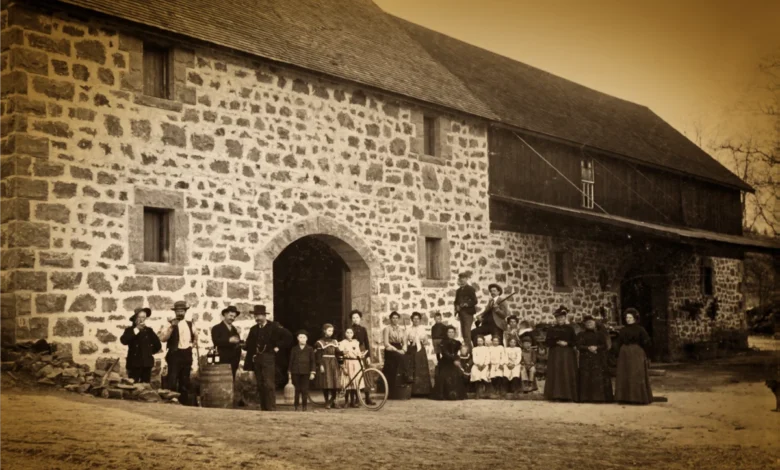
Freemark Abbey, a cornerstone of Napa Valley’s viticultural history, is set to host a significant masterclass in London next week, utilizing its extensive and pioneering library of back vintages to demonstrate the longevity and evolution of its estate wines. The event, scheduled for Wednesday, 22 July, at Princess Alexandra Hall, marks a pivotal moment in the winery’s strategic expansion within the United Kingdom market. Led by head winemaker Kristy Melton and Master of Wine Patrick Schmitt, the session will offer members of the trade and press a rare vertical exploration of the estate’s portfolio, featuring bottles that span a thirty-year trajectory. This "charm offensive" follows the establishment of a new distribution partnership aimed at elevating the brand’s profile among British collectors and sommeliers, reinforcing the estate’s reputation for producing wines characterized by elegance, restraint, and profound ageworthiness.
A Legacy of Innovation and Consistency
The history of Freemark Abbey is inextricably linked with the rise of Napa Valley as a global winemaking powerhouse. While many modern estates focus on immediate impact and high-extraction styles, Freemark Abbey has long adhered to a "classic" philosophy. This approach was famously validated during the 1976 Judgment of Paris, where Freemark Abbey was the only winery to have both its Cabernet Sauvignon and its Chardonnay selected for the blind tasting against the best of Bordeaux and Burgundy. This dual success cemented the winery’s status as a versatile producer capable of competing at the highest international levels.
A defining characteristic of the estate’s operation is its library program, which was initiated in the 1960s. At a time when many California wineries were focused on rapid growth and immediate sales, Freemark Abbey’s leadership had the foresight to archive significant quantities of every vintage. Today, this library serves as a liquid record of the estate’s history, providing an empirical look at how the wines evolve over decades. The upcoming London tasting will draw heavily from this archive, presenting a narrative that transcends individual growing seasons to reveal a consistent "house style" that has remained steadfast through changes in ownership and winemaking personnel.
The Evolution of Winemaking Leadership
The masterclass will highlight the transition of stewardship at the estate. Kristy Melton, who assumed the role of head winemaker in 2020, will be presenting not only her own recent work but also the legacy of her predecessor, Ted Edwards. Edwards, now Winemaker Emeritus, served as the primary custodian of the Freemark Abbey style for four decades. His tenure was marked by a commitment to technical precision and a refusal to follow fleeting industry trends toward "bombastic" or overly alcoholic wines.
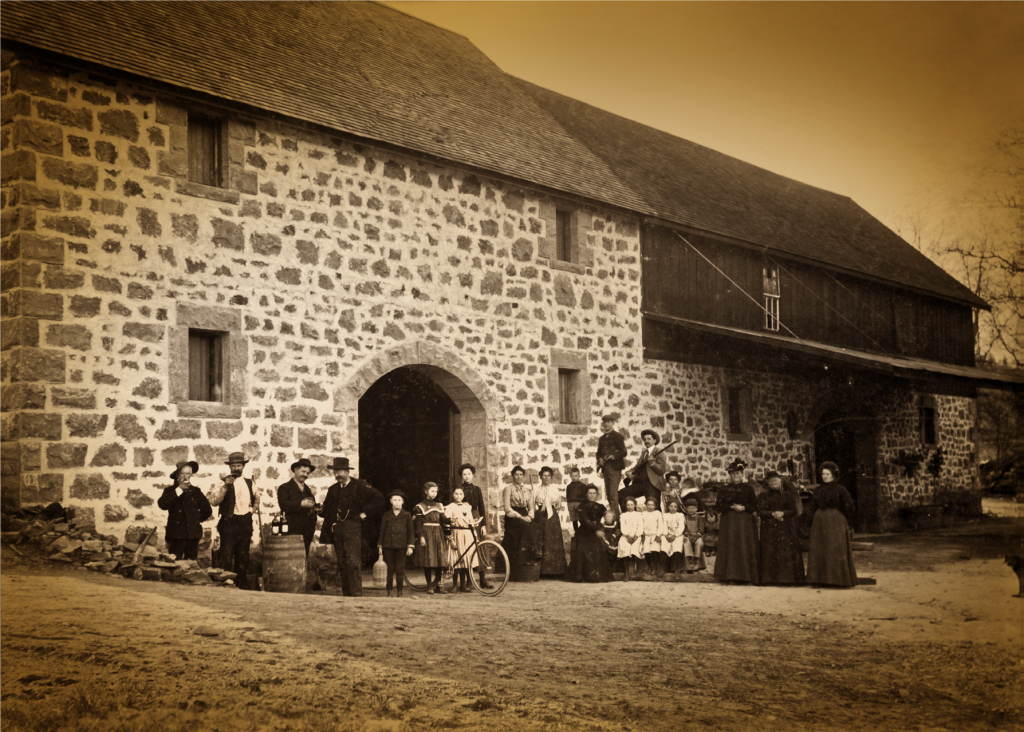
Under Edwards’ guidance in the 1990s, the winery underwent significant modernization. This included the introduction of specialized fermentation tanks that allowed for more granular control over individual vineyard lots and enhanced access to premium French oak through the Jackson Family Wines network. Melton has built upon this foundation, bringing a background in laboratory science and a palate refined by experiences across California and New Zealand. Her arrival in 2020 coincided with a renewed focus on site-specific expressions, ensuring that the precision established by Edwards continues into a new era of Napa Valley winemaking.
Terroir and the Rutherford Bench
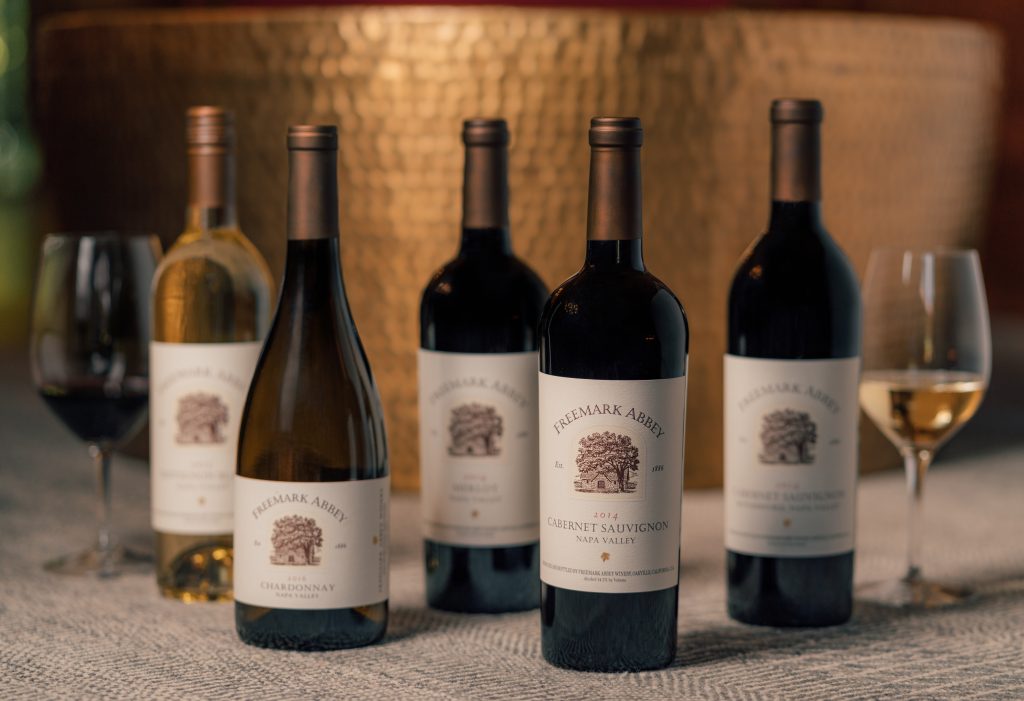
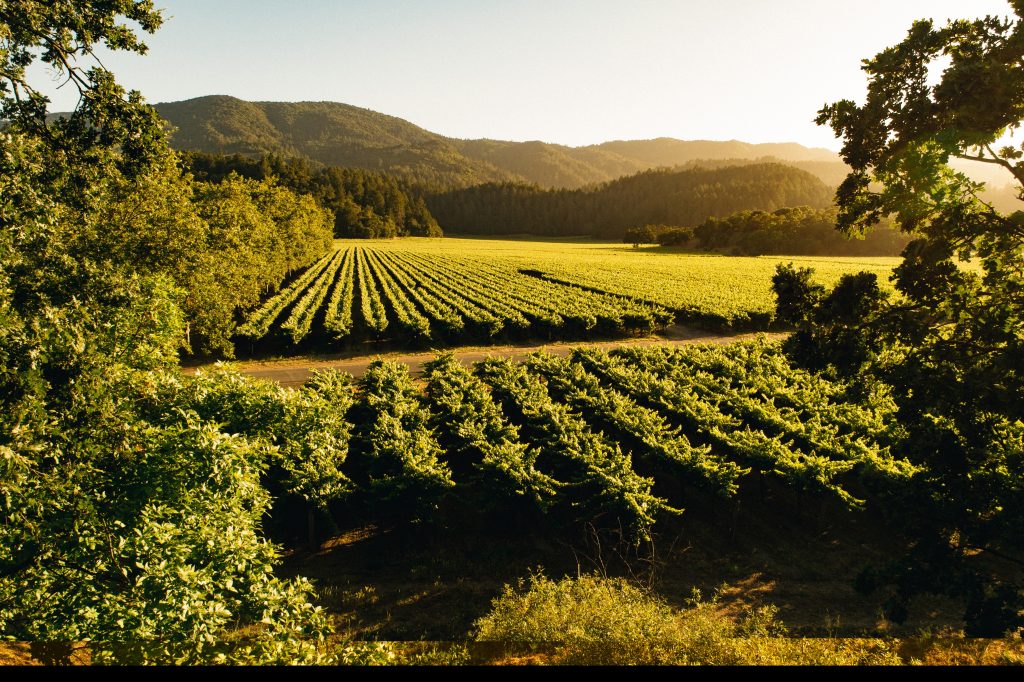
Central to the London presentation will be an exploration of the Rutherford AVA (American Viticultural Area), specifically the "Rutherford Bench." This region is celebrated for its unique soil composition—primarily gravelly, sandy loam—which contributes to the famed "Rutherford Dust" tannin profile. The tasting will feature three distinct expressions of Cabernet Sauvignon to illustrate the nuances of this terroir.
The Napa Valley Cabernet Sauvignon serves as the regional benchmark, blending fruit from various estate-owned and grower sites to provide a comprehensive snapshot of the valley’s Mediterranean climate. This wine is designed to showcase how long, slow growing seasons allow grapes to retain acidity while developing complex, ripe flavors.
However, the highlight for many attendees will be the single-vineyard expressions: Boschè and Sycamore. The Boschè Vineyard, located on the west side of Highway 29, is a 22-acre site that has been synonymous with Freemark Abbey for half a century. As one of the first vineyard-designated wines in Napa Valley, the Boschè Cabernet Sauvignon is known for its concentration and remarkable aging potential. Its flat, well-drained terrain produces fruit with rich, expressive characteristics that have become a hallmark of the estate.
In contrast, the Sycamore Vineyard, situated just a mile away but closer to the base of the Mayacamas Mountains, offers a different profile. Planted in the 1970s, this site benefits from slightly different soil and drainage patterns. The Sycamore Cabernet Sauvignon typically exhibits darker fruit notes, more robust tannins, and a distinct earthy quality, providing a fascinating counterpoint to the Boschè bottlings.
Chronology of the Tasting: A Thirty-Year Vertical
The structured tasting will begin with a welcome drink of the Napa Valley Chardonnay 2023, a gesture that pays homage to the winery’s white winemaking heritage and its historic participation in the Judgment of Paris. Following this, the focus will shift to a chronological examination of the estate’s Cabernet Sauvignon production.
The vertical flight is expected to include:
- The 2021 Vintages: Representing the current pinnacle of Melton’s technical refinement and the latest chapter in the estate’s history.
- The 2015 Vintages: A mid-term look at how the wines integrate their structural components after a decade in the bottle.
- The 2005 Vintages: Showcasing the secondary and tertiary complexities that emerge as Rutherford Cabernet reaches its prime.
- The 1995 Napa Valley Cabernet Sauvignon: A rare opportunity to taste a wine from three decades ago, proving the long-term viability of the estate’s restrained winemaking philosophy.
This selection is designed to prove that the careful, non-interventionist approach favored by Freemark Abbey results in wines that are not only durable but also gain elegance with age. For the UK trade, which has traditionally favored the structure and longevity of Old World wines, this vertical is a powerful argument for the inclusion of Freemark Abbey in fine wine portfolios.
Market Implications and the UK Strategy
The timing of this masterclass is strategic. The UK fine wine market has recently shown signs of stabilization following a period of volatility. As US buyers re-engage with global markets and distribution networks shift, established Napa brands are looking to solidify their presence in key international hubs like London. Freemark Abbey’s move to strengthen its distribution in the UK reflects a broader trend among premium California producers who are seeking to diversify their consumer base beyond the domestic US market.
Furthermore, the emphasis on library wines addresses a growing demand among sophisticated collectors for "provenance-guaranteed" aged wines. By showcasing bottles directly from the winery’s cellar, Freemark Abbey eliminates the risks associated with the secondary market, such as poor storage conditions. This "ex-cellar" approach is increasingly popular in the luxury wine segment, where the history and story of the bottle are as important as the liquid itself.
Professional Analysis: The Value of Restraint
From a viticultural analysis perspective, Freemark Abbey’s success in maintaining a consistent style over thirty years is a testament to the stability of its fruit sources and the discipline of its winemaking team. In an era where many Napa producers succumbed to the pressure of high critic scores by increasing ripeness and oak influence, Freemark Abbey remained an outlier. This commitment to "elegance over bombast" has allowed the winery to bypass the cyclical nature of wine trends.
The London masterclass is more than a promotional event; it is a technical demonstration of how a sense of place—terroir—can be preserved through decades of environmental and technological change. As Kristy Melton explains her approach alongside Patrick Schmitt MW, the focus will likely remain on the "constants": the Mediterranean climate, the gravelly soils of Rutherford, and the meticulous attention to detail that defines the estate.
For the London trade, the event offers a "crash course" in Napa Valley terroir, distilled through the lens of one of its most historic participants. As the winery looks toward the future with new distribution and a fresh winemaking perspective, it does so by leaning heavily on the liquid evidence of its past. The result is a compelling narrative of continuity, proving that in the world of fine wine, the most enduring reputations are built on a foundation of time, patience, and the foresight to keep a well-stocked library.