The Shifting Landscape of Plant-Based Living Economic Realities and the Pivot Toward Accessible Home Cooking

The culinary world is currently grappling with a fundamental question regarding the longevity and viability of meat-free lifestyles: Is the era of mainstream veganism reaching a definitive end? This inquiry, recently highlighted by prominent food publications like Grub Street, follows a wave of high-profile closures within the plant-based restaurant sector. From the streets of New York City to the broader international market, the narrative surrounding veganism has shifted from one of explosive growth and "disruption" to one of consolidation, economic survival, and a return to basics.
The closure of Modern Love in Brooklyn—a flagship of vegan comfort food founded by celebrated chef Isa Chandra Moskowitz—serves as a poignant symbol of this transition. For over a decade, Moskowitz’s establishments represented a "heyday" of creative, labor-intensive veganism. However, as the industry enters 2025 and 2026, the landscape has been reshaped by soaring overhead costs, a cooling of the "fake meat" investment bubble, and a cultural pivot toward high-protein, animal-centric diets.
The Economic Attrition of the Vegan Restaurant Sector
While the restaurant industry at large has struggled with post-pandemic recovery, vegan establishments appear to have been hit with disproportionate severity. Data compiled by Veg News and industry analysts suggests that the attrition rate for meat-free venues in 2023 and 2024 significantly outpaced that of traditional eateries.
The reasons for this decline are multifaceted. Vegan restaurants often face "impossibly narrow margins" due to the high cost of labor and specialized ingredients. While a steakhouse can charge a premium for a high-quality cut of beef with relatively minimal preparation, a vegan restaurant must often employ intensive labor to transform vegetables into gourmet experiences—such as "magic wanding" beets into a Wellington or crafting elaborate "seafood towers" from fungi and algae. Without the ability to command the same price points as luxury animal proteins, many establishments have found their business models unsustainable in an era of skyrocketing urban rents and supply chain volatility.
In response, a growing number of formerly vegan establishments have made the controversial decision to add meat back to their menus. This "omnivore pivot" is often framed as a survival tactic, intended to broaden the customer base and stabilize revenue streams, though it frequently alienates the core demographic that initially supported the brand.
The Decline of the Faux Meat Industry
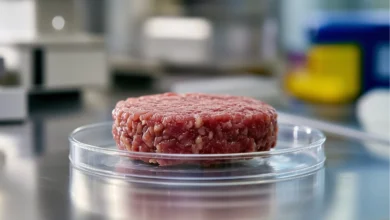
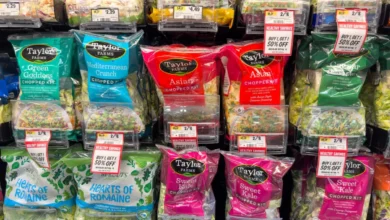
The commercial struggle extends beyond the dining room and into the grocery aisle. The "fake meat" industry, which once promised to revolutionize global food systems with high-tech, "bleeding" plant-based burgers, has seen a marked decline.
According to data from The Good Food Institute, dollar sales of plant-based meat and seafood substitutes fell by 10 percent in 2025. In contrast, conventional meat and seafood sales saw a 5 percent increase during the same period. This trend suggests that consumer curiosity regarding highly processed meat alternatives may have reached a saturation point. Leading brands like Beyond Meat have had to diversify their portfolios significantly to combat dwindling demand, recently venturing into unexpected categories such as protein-enhanced sparkling waters.
Market analysts suggest that the "novelty factor" of plant-based substitutes has worn off, leaving consumers to weigh the high price points and lengthy ingredient lists of these products against the simplicity of whole foods or traditional animal proteins.
Cultural Counter-Currents: The Rise of "Proteinmaxxing"
Simultaneously, a cultural shift has emerged that champions traditionalism and animal-based nutrition. Digital spaces are increasingly dominated by trends such as "proteinmaxxing," where users prioritize high-protein intake, often through beef, raw milk, and animal fats like tallow.
This movement is not merely dietary but also political and social. The current administration’s rollout of a revised dietary guideline—which features an inverted food pyramid with animal proteins at the apex—reflects a broader push to re-center meat in the American diet. This "meat-centric" revival often frames plant-based eating as a form of asceticism or a "dirty word" associated with piousness rather than pleasure.
A New Era of Accessibility: The Home Cooking Pivot
Despite the challenges facing the commercial vegan sector, a significant portion of the population remains committed to reducing animal product consumption. However, the methodology is changing. The focus is shifting away from elaborate restaurant meals and high-tech meat substitutes toward simple, "vibe-forward" home cooking.
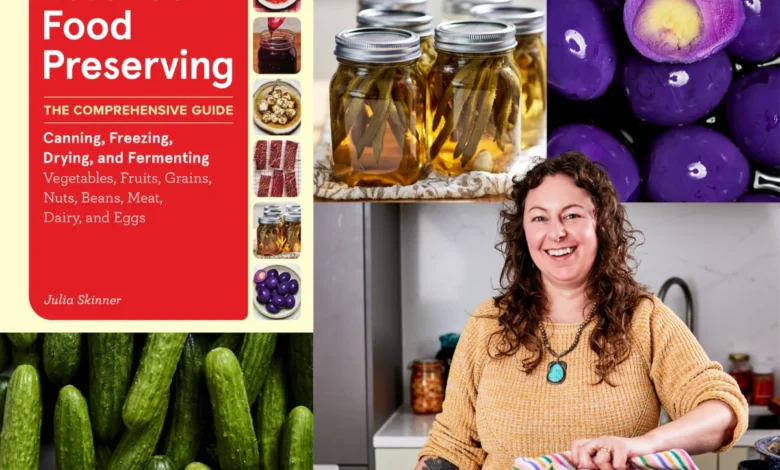
Veteran vegan chef Isa Chandra Moskowitz has embraced this shift. Her latest work, The 29-Minute Vegan, marks a departure from her previous, more complex culinary manuals. Where her earlier books focused on the artisanal creation of fake meats and cheeses from scratch, her new philosophy emphasizes "flow state" cooking—fewer ingredients, faster preparation, and a lack of pretense.
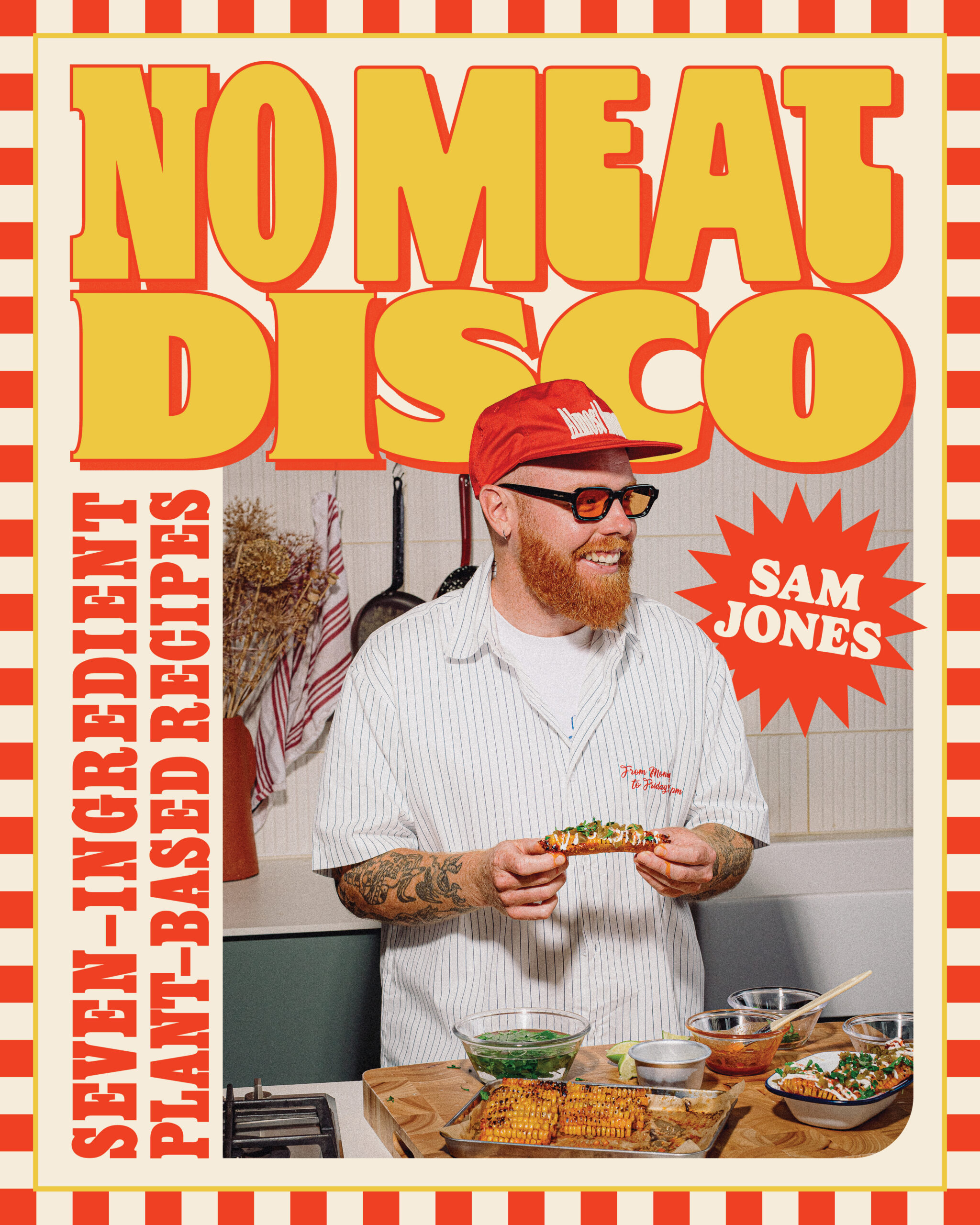
"I just wanted to do something that was accessible and fun and very easy," Moskowitz noted during the book’s launch. This sentiment is echoed by a new generation of plant-based advocates, such as millennial chef and content creator Sam Jones. Jones, known for his "No-Meat Disco" platform, focuses on seven-ingredient recipes and the intersection of food and music. His approach eschews the "rules and labels" of traditional veganism in favor of "sexy, sustainable, and simple" plant-based meals.
The Future of Plant-Based Living
The evolution of veganism from a high-concept restaurant trend to a practical home-cooking philosophy may be the key to its long-term survival. Experts suggest that by removing the "image problem" of veganism—the pressure to be perfect or the association with expensive specialty products—the movement can become more resilient.
The emerging consensus among authors and chefs is that if plant-based eating is to remain relevant, it must be comforting and low-lift. The goal is no longer to "wow" a customer with a vegetable that tastes like a scallop, but to provide a satisfying, delicious meal that fits into a busy lifestyle. As the industry recalibrates, the following recipes represent this new direction: focusing on whole ingredients, bold flavors, and minimal effort.
Practical Application: Baba Ghanoush Pasta
Source: Isa Chandra Moskowitz, "The 29-Minute Vegan"
Serves 4
This dish reimagines the smoky, velvety flavors of a classic eggplant dip as a hearty pasta sauce. It represents the "new veganism": using whole vegetables and pantry staples to create a sophisticated result in under half an hour.
Ingredients
- 1 pound fusilli pasta
- 1 medium eggplant, cut into ¼-inch semicircles
- 3 tablespoons olive oil
- 4 cloves garlic, minced
- ½ cup plain breadcrumbs
- ½ teaspoon each: salt (plus more for water), dried thyme, dried oregano, ground cumin
- ¼ teaspoon each: sweet paprika, ground black pepper
- ⅓ cup tahini
- ¼ cup lemon juice
- 1½ cups vegetable broth
- Garnish: Toasted pine nuts, fresh parsley, lemon slices
Method
- Boil the fusilli in salted water until al dente. Drain and set aside.
- Heat a large skillet over medium-high heat. Add eggplant, oil, and ½ teaspoon salt. Sauté for 8–10 minutes until browned and softened.
- Stir in minced garlic, breadcrumbs, and all dry spices. Toast for 2 minutes until the breadcrumbs darken.
- Incorporate tahini, lemon juice, and vegetable broth. Simmer for 2 minutes until thickened.
- Fold the sauce and eggplant into the pasta. Garnish with pine nuts, parsley, and lemon slices before serving.
Practical Application: Mushroom Brisket Burger
Source: Sam Jones, "No-Meat Disco"
Makes 2 to 3 burgers
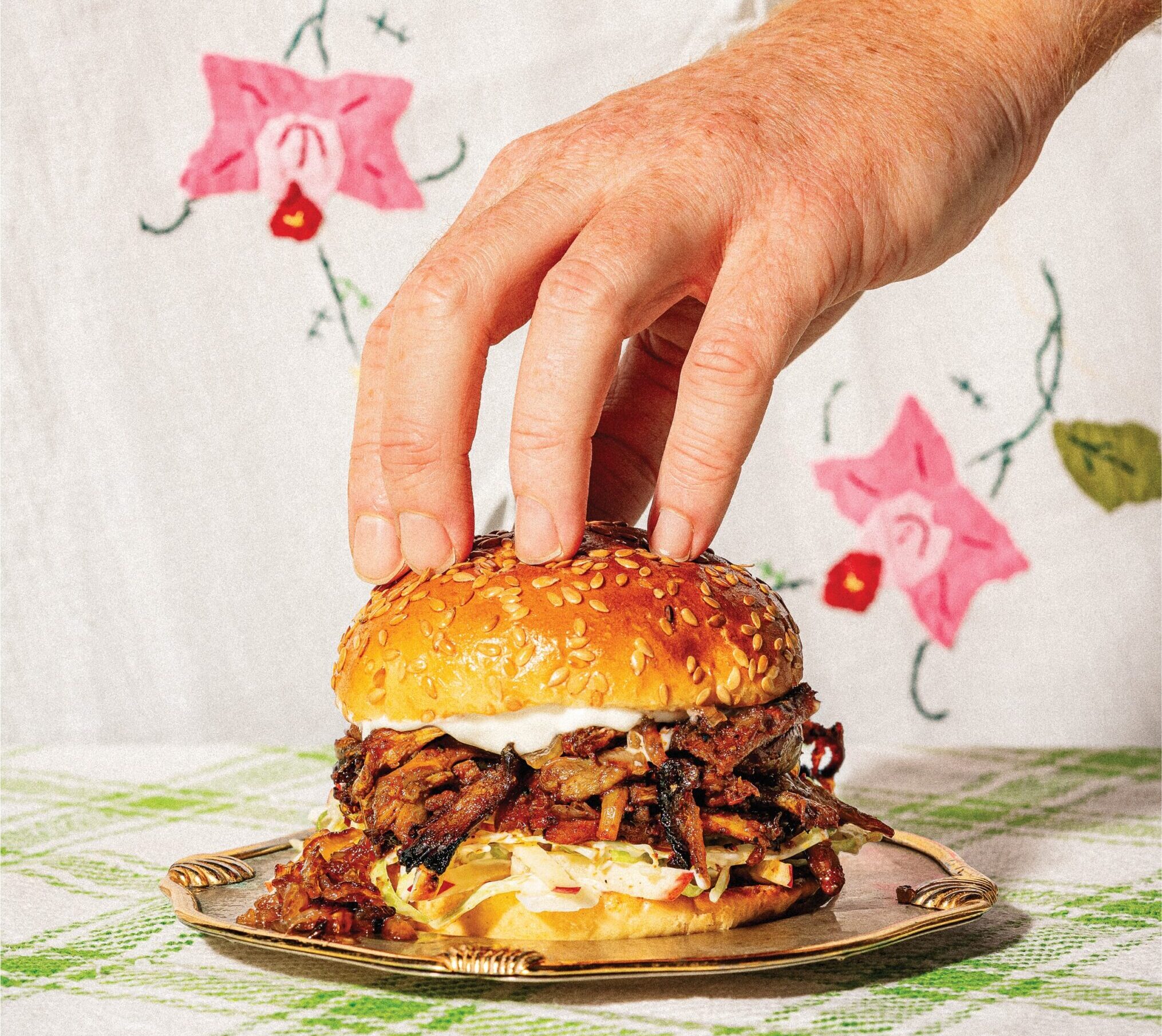
This recipe utilizes the "GOAT" of fungi—oyster mushrooms—to replicate the texture of pulled meat without the need for highly processed lab substitutes.
7 Primary Ingredients
- 5.3 ounces oyster mushrooms, pulled into strips
- 2 teaspoons Shawarma Paste (recipe below)
- 2 large shallots, thinly sliced
- 4.3 ounces white cabbage, shredded
- 1 red apple, cut into matchsticks
- 2 tablespoons plant-based mayonnaise
- 2 plant-based brioche buns
- Extras: Olive oil, salt, and pepper
Method
- Preheat oven to 400°F. Toss pulled mushrooms with shawarma paste, oil, salt, and pepper. Roast on a sheet pan for 15–20 minutes until edges are charred.
- Sauté shallots in olive oil over medium-low heat for 20 minutes until sticky and caramelized.
- Mix cabbage, apple, and mayo in a bowl; season with salt and pepper.
- Toast buns in a skillet until golden.
- Assemble by layering the apple slaw, roasted mushrooms, and caramelized shallots on the toasted buns.
Essential Component: Easy Shawarma Paste
Yields 20 servings
A versatile staple that adds depth to various plant-based proteins, illustrating the "flavor-first" approach of modern meat-free cooking.
Ingredients
- 1 tablespoon each: ground allspice, tomato paste, smoked paprika, salt, black pepper, extra-virgin olive oil
- 1 teaspoon each: ground cumin, ground turmeric, garlic powder, chili powder
Method
Combine all ingredients in a small bowl and mix thoroughly. Store in a sterilized jar in the refrigerator for quick use in future meals.
Conclusion: The Resilient Evolution
The "decline" of veganism may be better described as a maturation. While the commercial "gold rush" of expensive restaurants and processed substitutes has cooled, the fundamental desire for plant-forward eating remains. By pivoting toward simplicity, comfort, and affordability, the movement is distancing itself from the "all-or-nothing" piousness of the past. As Isa Chandra Moskowitz aptly summarizes: "Cook good food and it will solve itself." The future of the movement likely lies not in the laboratory or the high-end bistro, but in the accessible, joy-filled kitchens of everyday home cooks.