Trump Administration Imposes 50 Percent Tariffs on Canadian Alcohol Dairy and Auto Parts to Counteract Trade Discrimination

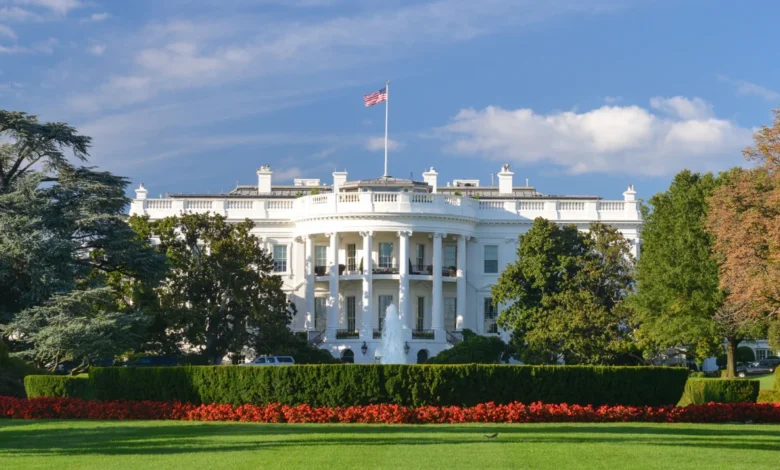
President Donald Trump has officially moved to impose a sweeping 50 percent tariff on a broad range of Canadian imports, including alcoholic beverages, milk, and automotive components, signaling a significant escalation in trade tensions between the two North American neighbors. The announcement, formalized through a series of presidential proclamations issued on Monday, follows a period of heightened rhetoric and a primetime national address delivered last Thursday in which the president hinted at severe economic consequences for what he characterized as "Canadian discrimination" against American commerce. The new levies are scheduled to take effect on August 19, 2026, providing a narrow window for diplomatic negotiations before the onset of what economists warn could be a disruptive phase for the integrated North American supply chain.
The administration’s decision to target these specific sectors—alcohol, dairy, and auto parts—appears designed to strike at the heart of the Canadian economy while responding to long-standing grievances regarding market access. According to the White House, the 50 percent tariff on Canadian alcohol is a direct retaliatory measure against a widespread boycott of American wine, beer, and spirits that has persisted across most Canadian provinces for over a year. This boycott was initially sparked in March 2025 following a previous round of U.S. tariffs, leading to the removal of American products from the shelves of provincial liquor boards. While Alberta and Saskatchewan opted to end their bans in June 2025, the remaining provinces have maintained their restrictive stances, prompting the current administration to seek more aggressive recourse.
The Legal Shift: From IEEPA to Section 338
A critical component of this latest trade action is the legal framework under which the tariffs were issued. Earlier this year, the United States Supreme Court delivered a blow to the administration’s trade strategy by striking down previous sweeping global tariffs. The Court ruled that the administration’s use of the International Emergency Economic Powers Act (IEEPA) of 1977 for broad trade purposes was unconstitutional, asserting that the act did not grant the executive branch unlimited authority to bypass congressional oversight on taxation and trade.
In response to this judicial setback, the Trump administration has pivoted to Section 338 of the Tariff Act of 1930. This nearly century-old statute provides the president with the specific authority to impose additional duties on products from any country that is found to "discriminate in fact against the commerce of the United States." Unlike the IEEPA, Section 338 is explicitly designed for trade disputes where a foreign nation treats American products less favorably than those of other countries. By invoking this law, the White House aims to place the tariffs on a firmer legal footing, arguing that the Canadian provincial liquor boards’ exclusion of U.S. alcohol constitutes a clear-cut case of discriminatory practice that is inconsistent with the national interest.
Devastating Impact on the American Beverage Industry
The ongoing trade friction has already taken a significant toll on U.S. beverage producers. Data released alongside the proclamations highlights the severity of the Canadian boycott. In 2025, American wine exports to Canada plummeted by 78 percent, a staggering loss for a sector that has historically viewed Canada as one of its most reliable and lucrative international markets. The spirits industry has fared little better, witnessing a 70 percent decline in exports over the same period.
For American wineries, particularly those in California, Oregon, and Washington, the loss of the Canadian market has resulted in an estimated revenue shortfall of $357 million. Small and medium-sized craft distillers have also reported significant distress, as many lack the diversified global distribution networks necessary to absorb the loss of Canadian sales. Industry advocates have warned that without a resolution, the long-term viability of many domestic producers could be at risk, especially as inventories of unsold products continue to climb.
Legislative Pressure and the CANADA Act
The administration’s move has found strong support among certain factions in Congress. Earlier this month, U.S. Representative Claudia Tenney, a Republican from New York, introduced the Combating Attacks on our National Alcoholic Drinks by Allies (CANADA) Act. This legislation seeks to codify a federal response to the Canadian boycott by mandating an investigation by the U.S. Trade Representative (USTR).
The CANADA Act would require USTR Jamieson Greer to conduct a formal probe into the operations of Canadian provincial liquor boards. The investigation would focus on whether these government-run entities have engaged in discriminatory treatment of American producers in violation of existing trade agreements, including the United States-Mexico-Canada Agreement (USMCA). Representative Tenney has argued that the provincial monopolies in Canada are being used as political tools to unfairly target American businesses, necessitating a firm and coordinated federal response.
"We cannot allow our closest allies to arbitrarily purge American products from their shelves without consequence," Tenney stated during the introduction of the bill. "The CANADA Act ensures that we are using every tool at our disposal to hold our neighbors accountable and protect the livelihoods of American farmers and beverage producers."
Beyond Alcohol: Dairy and Auto Parts
While the alcohol dispute is the most visible flashpoint, the inclusion of milk and auto parts in the new tariff schedule suggests a broader effort to reshape the terms of trade with Canada. The dairy industry has been a perennial source of friction in North American trade, with U.S. producers frequently complaining about Canada’s supply management system, which limits imports through high tariffs and quotas. By imposing a 50 percent levy on Canadian milk, the Trump administration is signaling that it intends to force a renegotiation of dairy access that goes beyond the concessions made in the original USMCA.
The targeting of auto parts is perhaps the most economically significant aspect of the Monday proclamations. The automotive industry is highly integrated, with parts often crossing the U.S.-Canada border multiple times during the manufacturing process. Industry analysts warn that a 50 percent tariff on these components could lead to immediate price increases for consumers and disrupt production schedules for major manufacturers in Michigan, Ohio, and Ontario. The administration, however, maintains that these measures are necessary to offset the competitive disadvantages faced by American workers and to encourage the reshoring of automotive supply chains.
Timeline of Escalation
The current crisis can be traced back to a series of escalating actions over the past 18 months:
- March 2025: Following the initial "Liberation Day" tariffs imposed by the U.S., several Canadian provinces (including Ontario, Quebec, and British Columbia) enacted a ban on the sale of U.S.-made alcohol.
- June 2025: Alberta and Saskatchewan broke ranks with other provinces, ending their boycott and returning American wine and spirits to shelves.
- January 2026: The U.S. Supreme Court ruled against the administration’s use of the IEEPA, forcing a temporary suspension of several trade levies.
- July 2026: President Trump used a primetime address to signal a return to aggressive trade enforcement against Canada.
- August 19, 2026: The scheduled commencement of the new 50 percent tariffs under Section 338.
Official Responses and the Path to Negotiation
Despite the aggressive nature of the announcement, both Washington and Ottawa have signaled that the door remains open for a diplomatic solution. A senior White House official told reporters on Monday that the administration remains "open to meaningful negotiations," but emphasized that any deal would require the total cessation of discriminatory practices against American goods and a rethinking of Canadian trade barriers in the dairy sector.
In Canada, Prime Minister Mark Carney has expressed a willingness to engage in high-level discussions to avert the August 19 deadline. Carney, who took office amid a shifting political landscape in Canada, noted that while the country is prepared to defend its economic interests, it recognizes the importance of the bilateral relationship. "We are ready to discuss alternative trade arrangements that reflect the reality of our integrated economies," Carney said in a brief statement. "However, trade must be a two-way street, and we will continue to support our provincial liquor boards and our agricultural sector against undue pressure."
Broader Economic and Geopolitical Implications
The imposition of these tariffs marks a pivotal moment for North American trade relations. If the August 19 deadline passes without a deal, the 50 percent duties could trigger a new round of retaliatory measures from Canada, potentially targeting U.S. agricultural exports like corn and soy, or manufactured goods from politically sensitive states.
Economists at major financial institutions have expressed concern that the "tit-for-tat" nature of this dispute could dampen regional economic growth. The uncertainty surrounding trade policy may lead to a slowdown in cross-border investment, particularly in the automotive and technology sectors. Furthermore, the use of Section 338 represents a return to a more protectionist era of trade policy, which could influence how the United States manages its relationships with other major trading partners in Europe and Asia.
As the August 19 deadline approaches, all eyes will be on the U.S. Trade Representative and Canadian trade officials. The beverage industry, in particular, will be watching closely, hoping for a resolution that restores their access to Canadian consumers and stabilizes a market that has been in turmoil for over a year. For now, the proclamations stand as a stark reminder of the administration’s "America First" trade posture and its willingness to utilize legacy legal statutes to achieve its economic objectives.