The Evolution of Oenological Education Wine Folly’s Subscription Model Redefines the Consumer Tasting Experience

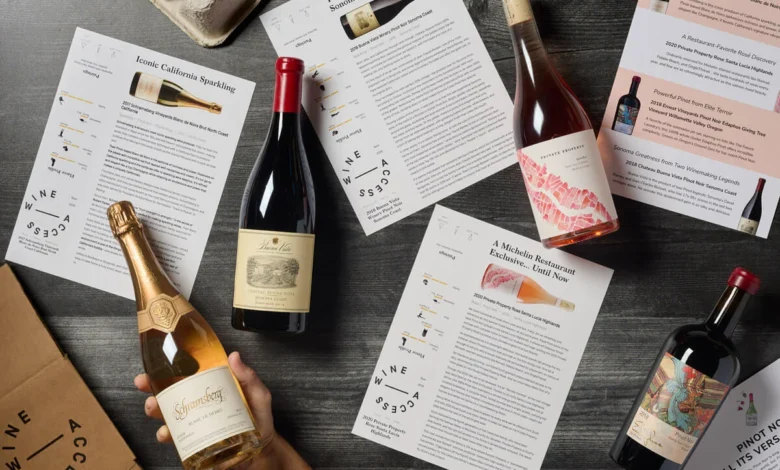
The global wine industry is currently undergoing a transformative shift as traditional retail models give way to immersive, education-first subscription services designed to cater to a more discerning and knowledge-hungry consumer base. Leading this movement is Wine Folly, a digital-first educational platform that has successfully parlayed its vast library of infographics and viticultural data into a comprehensive direct-to-consumer (DTC) subscription model. By integrating physical product delivery with a sophisticated digital learning portal, the organization aims to bridge the gap between casual consumption and professional-level mastery. This model represents a significant departure from historical "Wine of the Month" clubs, which often prioritized inventory clearance over consumer education. Instead, the modern iteration focuses on curated adventures that emphasize producer history, regional geography, and the intricate science of tasting notes.
The Strategic Shift Toward Educational Viticulture
The emergence of the Wine Folly club reflects a broader trend within the luxury goods sector: the transition from the "possession economy" to the "experience economy." For decades, wine subscriptions functioned primarily as a convenience service. However, market data from the early 2020s indicates that younger demographics, specifically Millennials and Gen Z, are increasingly motivated by brand transparency and the narrative behind the product. Wine Folly’s entry into the curated shipment space leverages its established reputation as a primary source for wine education.

The program is structured around the concept of a "handpicked educational adventure." Subscribers are not merely receiving bottles; they are enrolled in a continuous curriculum. Each shipment is designed to facilitate discovery, selecting wines from diverse global regions that might otherwise be inaccessible to the average consumer. This approach addresses a common pain point in the industry: the "paradox of choice" faced by consumers in large-scale liquor outlets where thousands of labels are available but little contextual information is provided.
Chronology of the Wine Club Model Evolution
To understand the impact of Wine Folly’s current offering, it is essential to trace the chronology of wine subscriptions in the United States and Europe.
In the late 20th century, the first generation of wine clubs was largely winery-specific. These "Estate Clubs" allowed loyalists to receive shipments directly from a single producer. While effective for brand loyalty, they offered little in the way of variety. The second generation arrived with the rise of e-commerce in the early 2000s, where third-party aggregators began shipping mixed cases. These were often criticized for a lack of quality control, as many services utilized "bulk-buy" tactics to increase margins.

The third generation, which Wine Folly represents, began to coalesce around 2018. This era is defined by "Edutainment"—the marriage of education and entertainment. Wine Folly’s model was developed as an answer to the limitations of previous iterations. By 2020, the global pandemic accelerated the adoption of these services as tasting rooms closed and consumers sought professional-grade experiences at home. The introduction of rich media content, such as the Wine Folly members’ portal, marked the final step in this evolution, allowing users to access tasting notes and producer interviews in real-time as they opened their bottles.
Structural Components of the Wine Folly Experience
The service is built upon three primary pillars: Discovery, Adventure, and Knowledge. Each of these pillars is supported by specific logistical and digital infrastructures designed to enhance the user’s sensory experience.
Global Curation and Discovery
The sourcing team at Wine Folly hand-selects wines from around the world. This global perspective is crucial in an industry that can often become provincial. By exposing members to varietals and regions they might not naturally gravitate toward, the club expands the consumer’s palate and market awareness. This "Discovery" phase is backed by a logistics network capable of navigating the complex regulatory landscape of international wine shipping.

Producer-Centric Narratives
Unlike discount clubs that obscure the origin of their wines, the Wine Folly model emphasizes the "Adventure" of the producer. Members are provided with in-depth dossiers on the grapes, the specific history of the winery, and the geological characteristics of the region. This contextual data transforms the act of drinking wine into an act of cultural exploration.
The Digital Learning Portal
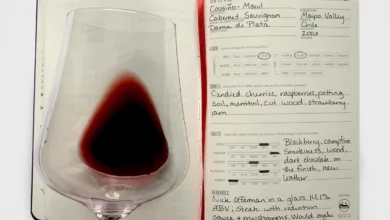
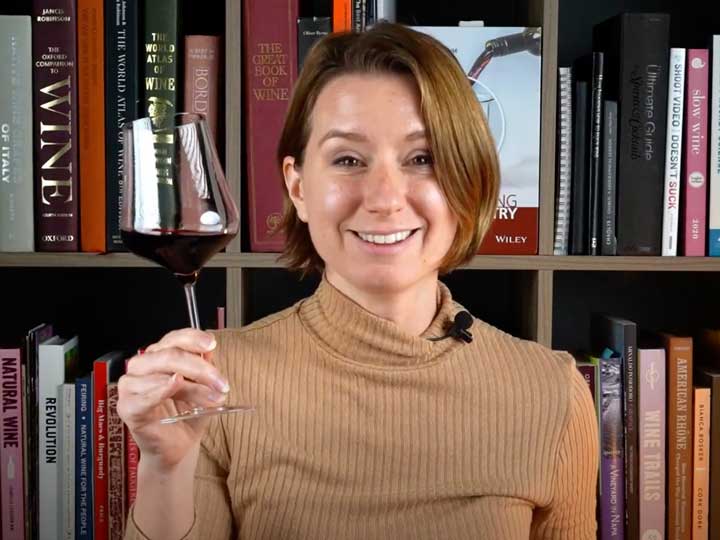
Perhaps the most significant innovation is the "Access Anywhere" members’ portal. This digital interface provides subscribers with rich media content, including personal tasting notes from Wine Folly’s professional staff. By following along with these experts, members can calibrate their own palates, learning to identify specific aromatic compounds and structural elements such as acidity, tannin, and alcohol levels.
Supporting Data and Market Analysis
Industry analysts suggest that the DTC wine market has seen a compound annual growth rate (CAGR) of over 10% in recent years, with educational subscriptions leading the premium segment. Wine Folly’s pricing strategy—starting at $99 per month—positions it within the "accessible luxury" category. This price point is strategic; it is high enough to ensure the quality of the selections (avoiding the "bulk-wine" stigma) while remaining low enough to attract a broad base of enthusiasts.
Furthermore, the flexibility of the "Cancel Anytime" policy reflects a modern understanding of subscription fatigue. Data shows that consumers are 40% more likely to sign up for a high-value subscription if they perceive low barriers to exit. By offering 2, 3, 6, and 12-month gifting options, the company also taps into the $400 billion global gift market, positioning wine education as a "prestige gift" for holidays and milestones.
Consumer Reactions and Qualitative Impact
The success of the model is perhaps best reflected in the qualitative feedback from its membership base. Consumer testimonials highlight several key areas where the Wine Folly club outperforms traditional retail.
Laura M., a long-term member, noted the perfection of the format, specifically praising the information available in the members’ area. "I appreciate all the information… that includes varietal info, winery info, and how to serve the particular wine," she stated. This feedback underscores the importance of the "how-to" aspect of wine consumption—temperature, glassware, and aeration—which are often overlooked by casual drinkers.
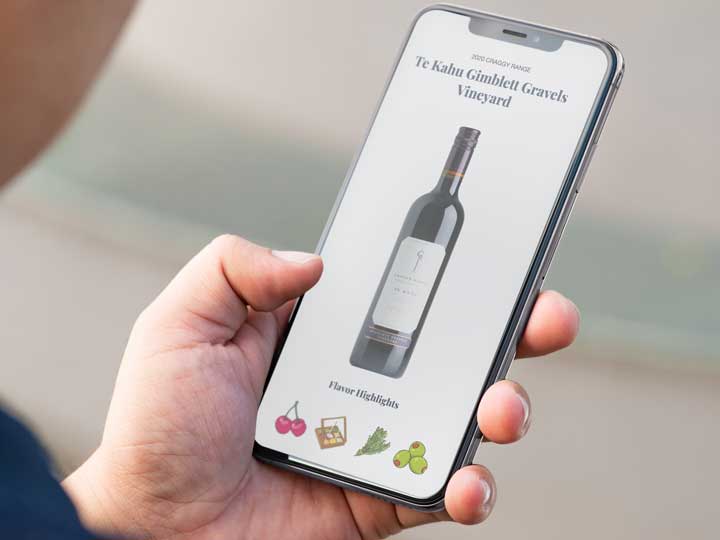
Another member, Christine B., emphasized the emotional connection fostered by the producer stories. "I love the in-depth information about the wine every month, the wineries, and your experiences with each of them," she remarked. This suggests that the "insider view" provided by the club creates a sense of community and shared experience that transcends the physical product.
Milford C. highlighted a logistical advantage: the ability to source wines that are unavailable in local markets. "You have brought wines that I cannot source locally, which is awesome," he noted, while also praising the pedagogical value of "comparison and vertical tastings." Vertical tastings—the practice of tasting the same wine from different vintage years—are a staple of professional sommelier training and are rarely available to the general public through standard retail channels.
Broader Implications for the Wine Industry
The rise of platforms like Wine Folly has significant implications for the broader wine ecosystem. First, it challenges the traditional "three-tier system" of alcohol distribution in the United States by fostering a more direct relationship between the educator, the producer, and the consumer. This can lead to better margins for small-scale producers who may struggle to find space on the shelves of national big-box retailers.
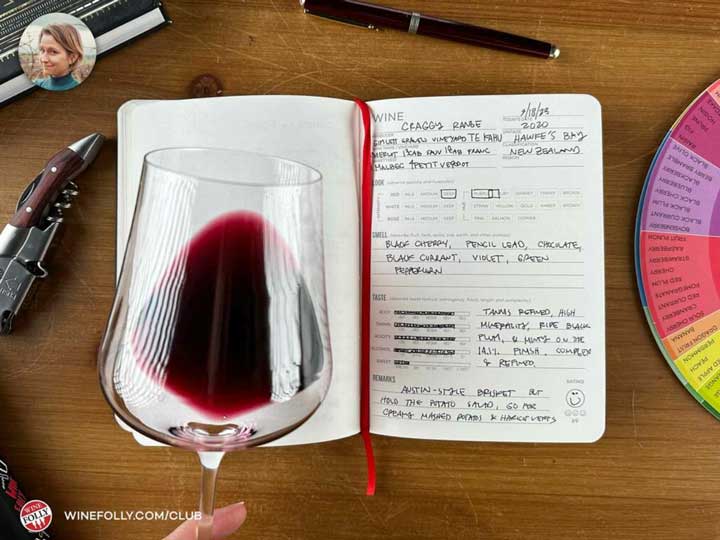
Second, it democratizes wine expertise. Historically, wine knowledge was guarded by an elite class of sommeliers and critics. By providing the tools for "mastery" at a consumer level, Wine Folly is effectively de-snobbing the industry. This leads to a more confident consumer base that is willing to spend more on high-quality, sustainable, and diverse wines.
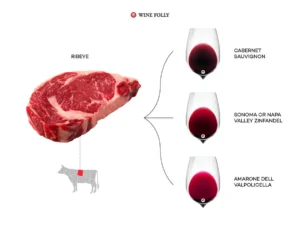
Finally, the integration of food pairings and historical context into the subscription model suggests a future where wine is not viewed in isolation but as a component of a broader culinary and cultural lifestyle. The "Perfect Gift" initiative, which allows for various durations of membership, ensures that this educational model continues to permeate different demographics, further stabilizing the market for premium viticulture.
As the industry moves forward, the success of the Wine Folly club will likely serve as a blueprint for other luxury commodities. The move away from "selling a bottle" toward "selling a skill" is a potent strategy in an era where information is as valuable as the product itself. For the wine lover, this means that the journey from curiosity to mastery is no longer a solitary trek through confusing retail aisles, but a guided, curated, and deeply informative adventure delivered directly to their door.