Harvesting Heritage: How Marqués de Cáceres is Redefining Spanish Wine for the Modern Table

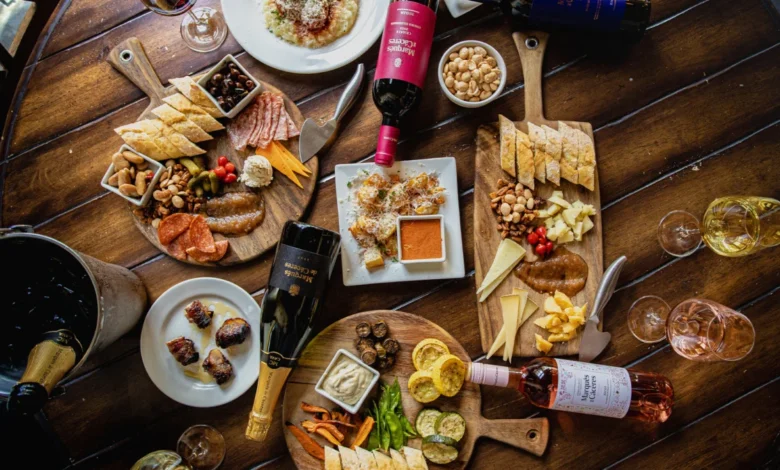
The transition from the sun-drenched abundance of summer to the crisp, earthy climate of autumn demands a deliberate shift in culinary habits. As households trade light seasonal salads and chilled refreshments for warmer spices, braised meats, and roasted root vegetables, the selection of accompanying beverages must evolve in tandem. Few wine portfolios are as uniquely positioned to bridge this seasonal gap as Marqués de Cáceres, a historic, family-owned winery whose foundational roots in Rioja and expanding footprint across Spain have defined modern European winemaking for over half a century.
Combining ancestral viticulture with contemporary precision, the winery offers a diverse catalog of food-friendly expressions. From vibrant, high-altitude whites to structured, age-worthy reds, these bottles do more than simply accompany a meal—they elevate it, turning an ordinary weeknight dinner or a sprawling autumn feast into an immersive culinary experience.
Main Facts: The Legacy and Modern Expansion of Marqués de Cáceres
Established in 1970 in the storied Rioja region, Marqués de Cáceres was born from a vision of modernization and international ambition. Enrique Forner, a veteran of the wine trade whose family fled Spain during the Spanish Civil War and built a successful career in Bordeaux, returned to his homeland with a revolutionary mission. Forner sought to challenge traditional Rioja production methods by introducing French winemaking techniques—such as rigorous selection processes, temperature-controlled fermentation, and refined barrel aging—while fiercely preserving the authentic character of indigenous Spanish grapes.
Today, the estate remains entirely family-owned, guided by Cristina Forner, the fifth generation of her family in the wine industry, who assumed leadership from her father in 2007. Under her strategic direction, Marqués de Cáceres has evolved from a pioneering Rioja house into a multi-regional powerhouse. While maintaining its stronghold in Rioja Alta and Rioja Alavesa, the enterprise expanded significantly into Rueda, establishing a dedicated winery focused on expressive, mineral-driven Verdejo. More recently, Cristina Forner has directed the brand’s expansion into other prestigious Designation of Origin (D.O.) zones, including Ribera del Duero, ensuring the portfolio reflects the full geological and climatic diversity of contemporary Spanish viticulture.
Chronology: Milestones in Spanish Winemaking Excellence
Understanding the enduring influence of Marqués de Cáceres requires examining the historical milestones that shaped both the brand and the broader Spanish wine market:
- 1920s–1950s: The Forner family establishes a deep-rooted presence in the international wine trade, operating successfully in Bordeaux, France, where they acquire profound expertise in blending, aging, and global distribution.
- 1970: Enrique Forner founds Marqués de Cáceres in Cenicero, Rioja Alta, in partnership with local vine growers. The winery breaks local convention by introducing stainless steel tanks, stricter quality controls, and shorter barrel-aging periods that prioritize fresh fruit characteristics over excessive wood influence.
- 1980s–1990s: The winery gains international acclaim, helping to spearhead the global renaissance of Rioja wines. Its commitment to quality control and sanitary bottling practices sets a new benchmark for Spanish exporters.
- 2000s: Marqués de Cáceres expands beyond Rioja, acquiring vineyards and establishing specialized production facilities in Rueda to capitalize on the region’s ideal diurnal temperature shifts for white grape cultivation.
- 2007: Cristina Forner takes the helm as president, initiating a new era of modernization, sustainability initiatives, and further geographical expansion into top-tier Spanish D.O.s.
- Present Day: The estate produces a comprehensive portfolio spanning sparkling Cava, crisp whites, complex rosés, and structured reds, distributed to over 120 countries worldwide.
Supporting Data: Viticultural Practices and Regional Terroir
The success of Marqués de Cáceres is anchored in meticulous agricultural practices and a deep understanding of regional microclimates. The winery works closely with hundreds of trusted local growers across thousands of individual vineyard plots, ensuring strict oversight from bud break to harvest.
In Penedès, the birthplace of Cava, the estate utilizes quarter-century-old vines planted to classic indigenous varieties: Xarello, Macabeo, and Parellada. These vines yield balanced fruit characterized by natural acidity and structural complexity, essential traits for producing sparkling wines capable of extended lees aging.
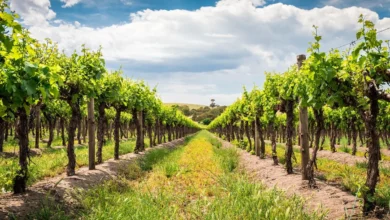
In the high-plateau region of Rueda—specifically within the municipalities of La Seca and Serrada—Verdejo grapes thrive under extreme continental conditions. Marked by intense summer heat punctuated by sharp nighttime drops in temperature, this diurnal shift allows the grapes to retain vital acidity while developing concentrated aromatic profiles. Harvesting is conducted exclusively at night to protect the delicate fruit compounds from oxidation, followed by cool, slow fermentations in stainless steel.
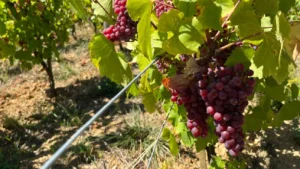
Meanwhile, the estate’s red flagships rely heavily on Tempranillo, supported by complementary indigenous varietals such as Graciano and Garnacha Tinta. Sourced from the clay-limestone and alluvial soils of Rioja Alta and Rioja Alavesa, these vines are managed using deliberate low-yield practices. This restriction concentrates the nutritional intake of the vines, yielding smaller, intensely flavored berries that undergo extended maceration periods—sometimes lasting up to 20 days—to maximize color extraction, tannin density, and aging potential.
Portfolio Analysis: Exceptional Expressions for Autumn Dining
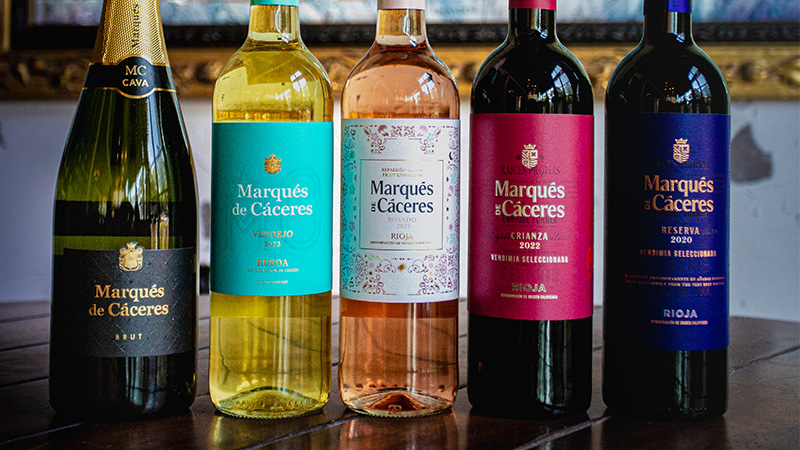
The Marqués de Cáceres portfolio offers an impressive array of stylistic diversity tailored to the shifting demands of autumn gastronomy.
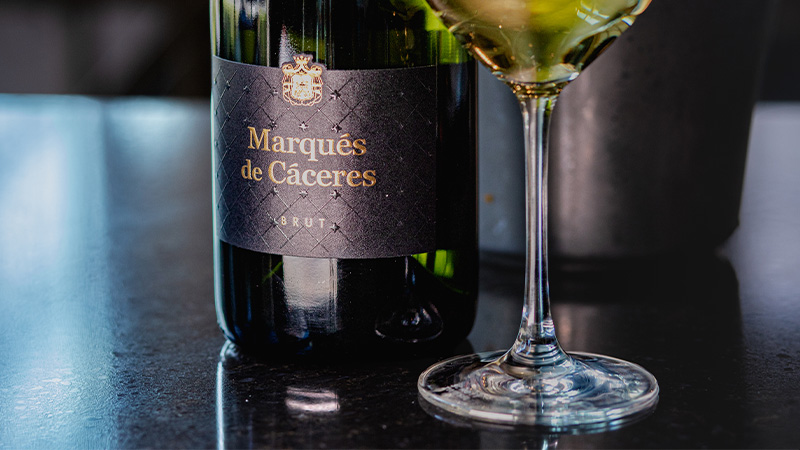
Marqués de Cáceres Cava Brut
Produced via traditional methods with secondary fermentation occurring in underground cellars, this sparkling offering displays inviting aromas of crisp green apple and toasted brioche. Its persistent effervescence and refreshing balance make it a versatile pairing not only as an aperitif but alongside grilled shellfish, traditional Spanish patatas bravas, fresh handmade pasta, and aged hard cheeses.
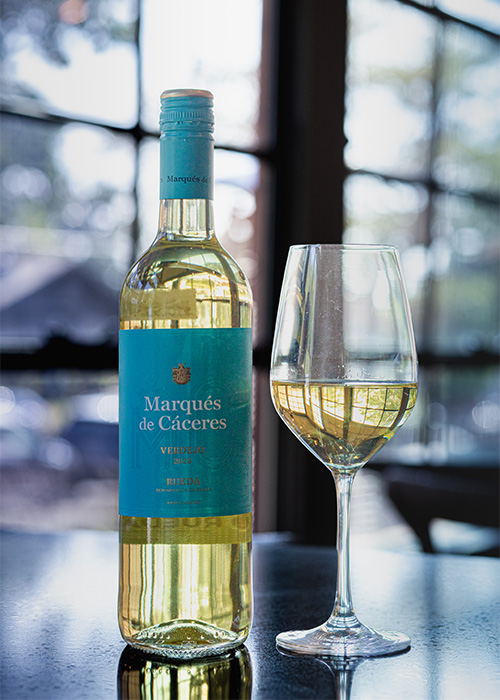
Marqués de Cáceres Verdejo
Sourced from the heart of Rueda, this bright white wine exhibits remarkable tension, pairing intense aromatic citrus notes with a refined, palate-pleasing texture. Industry analysts note that Verdejo has experienced a surge in global demand due to its food versatility; this specific expression serves as an ideal accompaniment to zesty ceviche, charred seasonal vegetables, and herb-roasted chicken.
Marqués de Cáceres Rosé
Esquchewing the pale, neutral styles dominating the modern market, this persimmon-hued rosé is crafted from cooler-climate Tempranillo. It bridges the gap between warm-weather freshness and harvest-season depth, offering juicy raspberry notes and subtle herbal undertones underpinned by a silky structure. It stands as a reliable pairing for spicy chorizo, artisanal barbecue, traditional paella, and tangy goat cheeses.
Marqués de Cáceres Crianza
As an archetypal modern Rioja, the Crianza spends up to 20 days in maceration before aging in oak. Pouring a vibrant ruby red, it presents complex layers of dark fruit, sweet spice, licorice, and faint balsamic wisps. Its balanced tannins make it exceptionally accommodating to complex family-style meals, pairing seamlessly with grilled rack of lamb, wood-fired root vegetables, traditional ratatouille, and smoked pork cuts.
Marqués de Cáceres Reserva
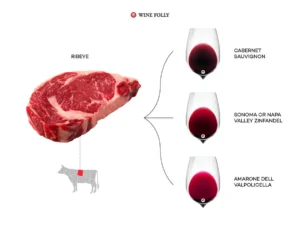
Representing the pinnacle of the estate’s traditional red program, the Reserva undergoes 20 months of barrel maturation followed by an additional two years of bottle aging before release. The result is a profound, structured wine showcasing enduring layers of black plum, clove, and toasted vanilla. It is purposefully engineered to complement rich culinary creations, including prime cuts of steak, slow-simmered Bolognese ragù, and creamy wild mushroom risotto.
Broader Impact and Market Implications
The sustained success of multi-generational houses like Marqués de Cáceres carries significant implications for the broader European wine sector. In an era marked by shifting consumer demographics, climate unpredictability, and fluctuating global trade tariffs, historical estates face intense pressure to adapt without compromising their foundational identity.
By successfully bridging the gap between traditional Old World craftsmanship and modern consumer preferences, Marqués de Cáceres demonstrates the viability of heritage brands in contemporary markets. The estate’s ongoing investments in sustainable viticulture, precision agriculture, and geographical diversification serve as a case study for regional preservation. Furthermore, by elevating the global profile of indigenous Spanish grapes like Verdejo, Tempranillo, and Garnacha, the winery continues to drive economic stability and international recognition for Spain’s historic D.O. communities.
Ultimately, as consumers increasingly seek authenticity, value, and reliability in their culinary purchases, the enduring legacy of Marqués de Cáceres underscores the profound connection between land, family, and the shared dining table.