The Highball Evolution: How Modern Mixology is Reimagining the Classics Through Carbonation and Length

The landscape of the modern cocktail revival has reached a pivotal juncture where the rigid definitions of classic categories are being systematically dismantled in favor of hybridity and innovation. For decades, the cocktail world was governed by strict silos: the "stirred and boozy" spirit-forward drinks, the "shaken and citrusy" sours, and the "long and refreshing" highballs. However, as the industry enters a new era of technical proficiency and creative liberation, these boundaries have become increasingly porous. Today, the "highball-ification" of the canon—a process where dense, potent classics are lengthened with carbonation and ice—represents one of the most significant shifts in consumer preference and bar programs globally.
This movement is not merely a trend but a response to a decade of "mashup" culture. Drinks like the "Cosmogroni," a hybrid of the Cosmopolitan and the Negroni, or the "Sidecar 75," which blends the brandy-based Sidecar with the effervescence of a French 75, have paved the way for a more radical restructuring of drink architecture. The current frontier involves taking the DNA of heavy hitters—the Manhattan, the White Negroni, and even the Martini—and transforming them into tall, bubbly, and often lower-alcohol-by-volume (low-ABV) versions of themselves.
The Historical Context of the Highball
To understand why the lengthening of classics is occurring now, one must look at the trajectory of the cocktail renaissance. In the early 2000s, the focus was on restoration: recovering lost ingredients, perfecting the 19th-century ratios, and emphasizing the "spirit-forward" nature of drinks. This era was defined by the short, potent "up" drink. However, as the palate of the average consumer matured, a demand for "sessionability" emerged.

The highball, traditionally a simple combination of a base spirit and a carbonated mixer (such as the Scotch and Soda), provided the perfect canvas for this evolution. By the mid-2010s, Japanese highball culture—emphasizing meticulous ice, high-quality soda, and precise temperature—began to influence Western bartenders. This coincided with the rise of the "spritz" culture, led by the Aperol Spritz, which proved that consumers were eager for drinks that could be enjoyed over longer periods without the rapid intoxication associated with a traditional Martini or Old Fashioned.
Case Studies in Modern Adaptation
The transformation of classics into highballs requires more than just the addition of club soda; it requires a recalibration of sugars, acids, and bitters to ensure the drink’s identity remains intact despite the dilution. Four specific recipes illustrate the breadth of this movement.
The Margarita Soda
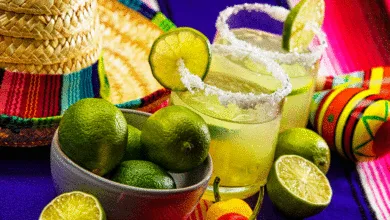
The Margarita, traditionally a shaken sour composed of tequila, lime, and agave or orange liqueur, is perhaps the world’s most popular cocktail. In its "Soda" iteration, the drink moves away from the heavy, often syrupy texture of the original. By clarifying the lime juice or using a lime distillate and lengthening the drink with highly carbonated water, bartenders create a version that is "crushable." This adaptation aligns with the massive growth of the "Ranch Water" trend in the United States, where tequila and Topo Chico are combined with lime. The Margarita Soda is a sophisticated elevation of that grassroots trend, maintaining the complex flavor profile of a premium Margarita while offering the refreshment of a seltzer.
The Lusty Nail
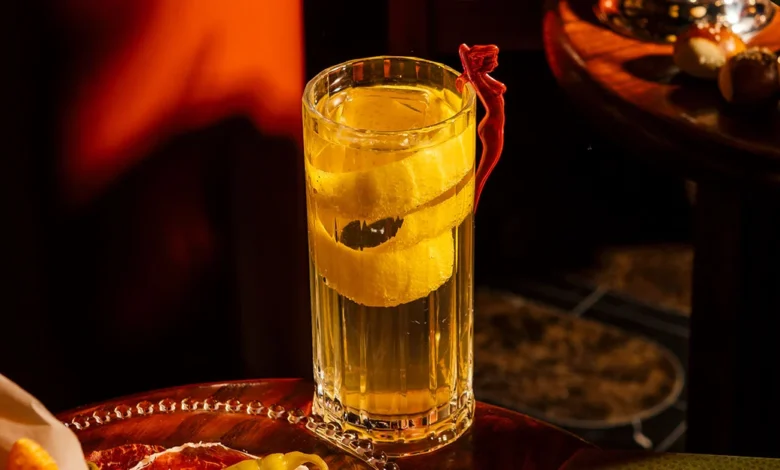
The Rusty Nail, a mid-century staple consisting of Scotch and Drambuie (a honey-and-herb-infused Scotch liqueur), has long been considered a "heavy" drink. The "Lusty Nail" reimagines this through a tropical and technical lens. By incorporating sesame-washed spirits—a process known as fat-washing that adds savory depth and silkiness without adding oiliness—and lengthening the drink with carbonation, the profile shifts from a slow-sipping digestif to a complex, multi-layered highball. This represents a broader trend of using savory ingredients and culinary techniques to update "forgotten" classics for a modern audience.

The Bamboo Highball
The Bamboo, a low-ABV classic made of Sherry and Dry Vermouth, was originally served stirred and up. It is an inherently sophisticated drink, but its delicate flavors can sometimes be lost in a traditional cocktail glass. When turned into a highball with the addition of high-quality tonic water, the Bamboo’s botanical and nutty notes are "opened up" by the carbonation. This version serves as a bridge between the aperitivo hour and the late-night highball, reflecting a growing consumer interest in fortified wines and lower-alcohol alternatives.
The Mai Tai Soda
Perhaps the most technically demanding adaptation is the Mai Tai Soda. A traditional Mai Tai is a complex tiki drink involving multiple rums, orgeat (almond syrup), lime, and orange curaçao. It is known for its "crushed ice" presentation and heavy mouthfeel. The "Soda" version utilizes clarification—often through milk washing or agar-agar—to remove the solids from the lime and orgeat, resulting in a crystal-clear liquid. When carbonated, the drink retains the tropical, nutty, and citrus flavors of the original but possesses a crisp, champagne-like effervescence. This highlights the "science-forward" approach of modern bars that use centrifuges and carbonation rigs to reinvent classic textures.
Data and Market Drivers
The shift toward lengthened, carbonated drinks is supported by significant market data. According to reports from the Distilled Spirits Council of the United States (DISCUS), the "Ready-to-Drink" (RTD) category, which includes canned cocktails and hard seltzers, has seen double-digit growth for several consecutive years. This consumer behavior has bled into the on-premise (bar) environment. Patrons who enjoy the convenience and effervescence of a canned Paloma are now seeking out "house-made" versions that offer higher quality and more complex flavor profiles.
Furthermore, the "Wellness" trend in the beverage industry cannot be ignored. A 2023 consumer survey by CGA by NIQ indicated that 34% of regular cocktail drinkers are actively seeking "lighter" options that are lower in sugar and calories. By lengthening a cocktail with soda water rather than filling it with fruit juices or heavy syrups, bartenders can offer a drink that feels indulgent but is functionally lighter.

Technical Innovations and Official Responses
Industry leaders have noted that the move toward highballs is also a matter of operational efficiency. In high-volume environments, a "draft cocktail" program—where drinks like the Margarita Soda or Bamboo Highball are pre-batched and served from a tap—allows for consistency and speed that traditional shaking cannot match.
"The highball is the ultimate expression of a bartender’s technical skill," says one New York-based beverage director. "Anyone can hide behind a lot of sugar and citrus, but when you lengthen a drink with water and bubbles, there is nowhere for flaws to hide. You have to understand the chemistry of the ingredients."
The reaction from spirit brands has been equally proactive. Major distributors are now marketing their premium spirits specifically for highball service. Gin and Tequila brands, in particular, are partnering with premium mixer companies like Fever-Tree and London Essence to promote "The Perfect Serve," which almost always involves a highball glass, artisanal ice, and carbonation.
Broader Implications for the Future of Mixology
The "highball-ification" of the cocktail canon suggests a permanent shift in how we define a "classic." We are moving away from an era where a cocktail is defined by its glass or its temperature and toward an era where it is defined by its flavor essence. If a drink tastes like a Manhattan but is served tall, cold, and sparkling, is it still a Manhattan? The modern consensus is increasingly: yes.

This evolution also democratizes the cocktail experience. The "classic cocktail" was often seen as an intimidating, slow-sipping affair reserved for dark lounges. The highball format makes these complex flavor profiles accessible in a variety of settings, from outdoor patios to high-energy nightclubs. It removes the "seriousness" of the cocktail without sacrificing the "quality" of the craft.
As we look toward the next decade of mixology, the "tall and bubbly" format is likely to become the new standard. With the integration of advanced tools like force-carbonation systems and the continued refinement of clarification techniques, the possibilities for "stretching" the classics are virtually limitless. The rules, as the modern cocktail revival has proven, were indeed meant to be broken—and then lengthened with a splash of soda.