The Art of Balance: Why Equal Parts Cocktails Remain the Gold Standard of Mixology

The cocktail world is often defined by precise ratios, complex infusion techniques, and the pursuit of the perfect, singular flavor profile. Yet, amidst the evolution of modern mixology, there remains a foundational pillar that relies on simplicity and symmetry: the "equal parts" cocktail. Whether it is the iconic Negroni, the sophisticated Paper Plane, or the legendary Last Word, these drinks operate on a philosophy of mathematical equality—where 1:1, 1:1:1, or even 1:1:1:1 ratios govern the composition. Far from being a relic of the past, the equal parts template serves as a vital pedagogical tool for budding bartenders and a canvas for master mixologists, proving that in the right hands, symmetry is the ultimate expression of balance.
A Brief History of the Equal Parts Template
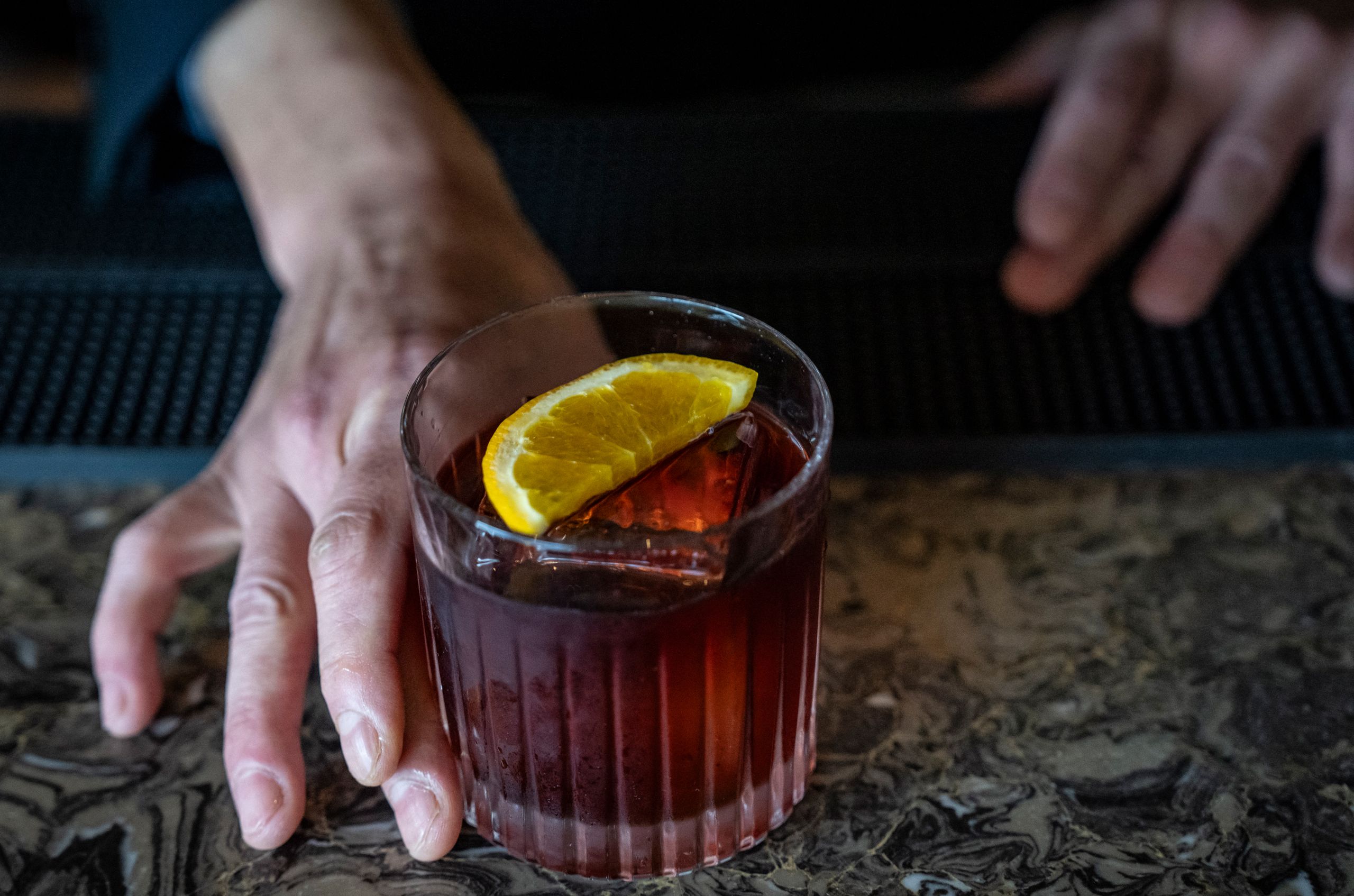
The history of the equal parts cocktail is inextricably linked to the birth of the modern bar. In the early 20th century, as the cocktail renaissance took hold in cities like London, New York, and Paris, bartenders sought ways to streamline service without sacrificing complexity. The Negroni, which emerged in Florence around 1919, is perhaps the most famous progenitor of this style. Count Camillo Negroni is famously said to have asked his bartender to strengthen his Americano by replacing the soda water with gin, resulting in the now-classic 1:1:1 combination of gin, Campari, and sweet vermouth.
This innovation marked a shift in how spirits were perceived. Rather than using a dominant base spirit to mask the harsher notes of secondary ingredients, the equal parts method treated all components as co-equals. Following the Prohibition era and the post-war boom, the "Last Word"—a Prohibition-era concoction featuring equal parts gin, green Chartreuse, maraschino liqueur, and lime juice—solidified the template as a viable, sophisticated structure for high-end bars. By the 21st century, the template had been further refined by influential figures like Joaquín Simó, whose "Naked and Famous" cocktail (equal parts mezcal, Yellow Chartreuse, Aperol, and lime) demonstrated that the structure could adapt to the smokier, more aggressive profiles of modern agave spirits.
The Mechanics of Symmetry: Why It Works

At its core, the appeal of an equal parts cocktail lies in its democratic distribution of flavor. In traditional mixology, a drink is usually "base-forward," with modifiers playing a supporting role. In an equal parts drink, however, the ingredients form a synergy where no single element is allowed to dominate.
Erik Lorincz, co-owner of the renowned London establishment Kwant Mayfair, emphasizes that this balance is not accidental but structural. "It is the idea of someone discovering how beautiful supporting ingredients work together," Lorincz explains. For a professional, the challenge of an equal parts drink is not just mixing; it is selecting ingredients that have enough internal integrity to stand up to one another. "When I first read about the Negroni, I was skeptical," Lorincz admits. "It sounded like too much booze. But the brilliance is in the tension between the botanical bitterness of the gin, the saccharine complexity of the vermouth, and the aggressive, medicinal bitterness of the Campari."
This sentiment is echoed by Carina Soto, bar director at London’s Equal Parts bar. According to Soto, the beauty of the structure is found in the layering. "It is not about one specific ingredient or profile but about the cumulative result of these layers," she notes. From an analytical standpoint, this layering creates a "flat" flavor profile—not in the sense of lacking depth, but in the sense that the flavor spectrum is spread evenly across the palate, allowing the drinker to identify individual notes within the unified whole.
The Practicality of the Equal Parts Methodology
While the artistic merit of the equal parts cocktail is widely celebrated, its practical advantages in a high-pressure environment are equally significant. Marc Sarton du Jonchay, co-founder of the Hackney-based bar Circle13, argues that the simplicity of the ratio serves as a vital training tool. "People remember cocktails that they cannot mess up," Sarton du Jonchay says. "Equal parts cocktails are the prime template for that. You don’t even need a jigger to make it if you have a consistent utensil for measuring."
This accessibility has allowed these drinks to remain staples in both professional settings and home bars. The lack of complex, variable ratios reduces the margin for error. Furthermore, the structural consistency makes these drinks highly scalable, allowing bartenders to batch them for large events or high-volume nights without risking the flavor degradation that often occurs when more delicate, acid-forward recipes are stored for long periods.
Data and Dynamics: The Science of the Blend
To understand why some equal parts cocktails succeed while others fail, one must look at the variables of Alcohol by Volume (ABV) and dilution. A typical Negroni, for instance, sits between 21% and 25% ABV. This range is significant; if a bartender selects a high-proof gin (such as a 57% ABV Navy Strength) and a low-proof vermouth, the balance shifts dramatically.
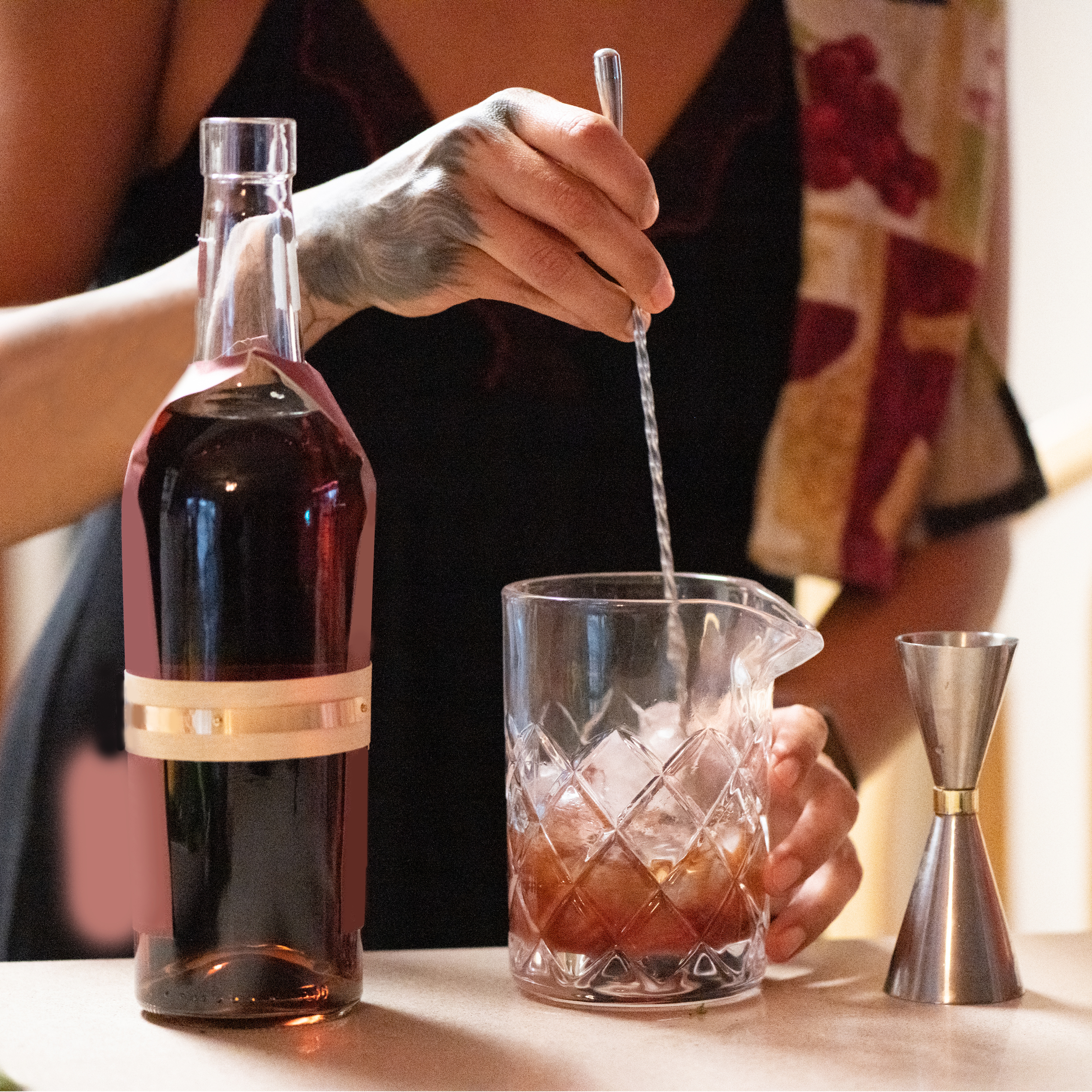
Soto suggests that the overall ABV is a primary driver of how the drink "sits" on the tongue. "The Negroni is generally within a specific range," she notes, "but if you deviate too far from that, you lose the texture." This is where the role of ice becomes critical. In an equal parts cocktail, the stir or shake serves not only to chill the liquid but to introduce the precise amount of water necessary to integrate the oils and sugars of the ingredients.

For drinks that include acidic components, such as the Last Word or the Paper Plane, the acid must be strong enough to cut through the heavy sugar content of the liqueurs. "The sweetener block is almost always two ingredients in a sour-style equal parts drink," says Sarton du Jonchay. "This creates a buffer that allows the citrus to shine without the drink feeling thin."
The Evolution of the Craft: Moving Beyond the Classic
Despite the rigid nature of the "equal parts" name, the industry is increasingly experimenting with the definition. Modern mixologists are now treating these drinks as "families" rather than fixed recipes. The Martini, for example, is technically a member of the aromatized wine-and-spirit family, and there is an ongoing, spirited debate within the bartending community regarding the "perfect" ratio. While purists argue for equal parts, many modern bars have shifted to a 2:1 or even 3:1 ratio to accommodate the higher-proof spirits available today.
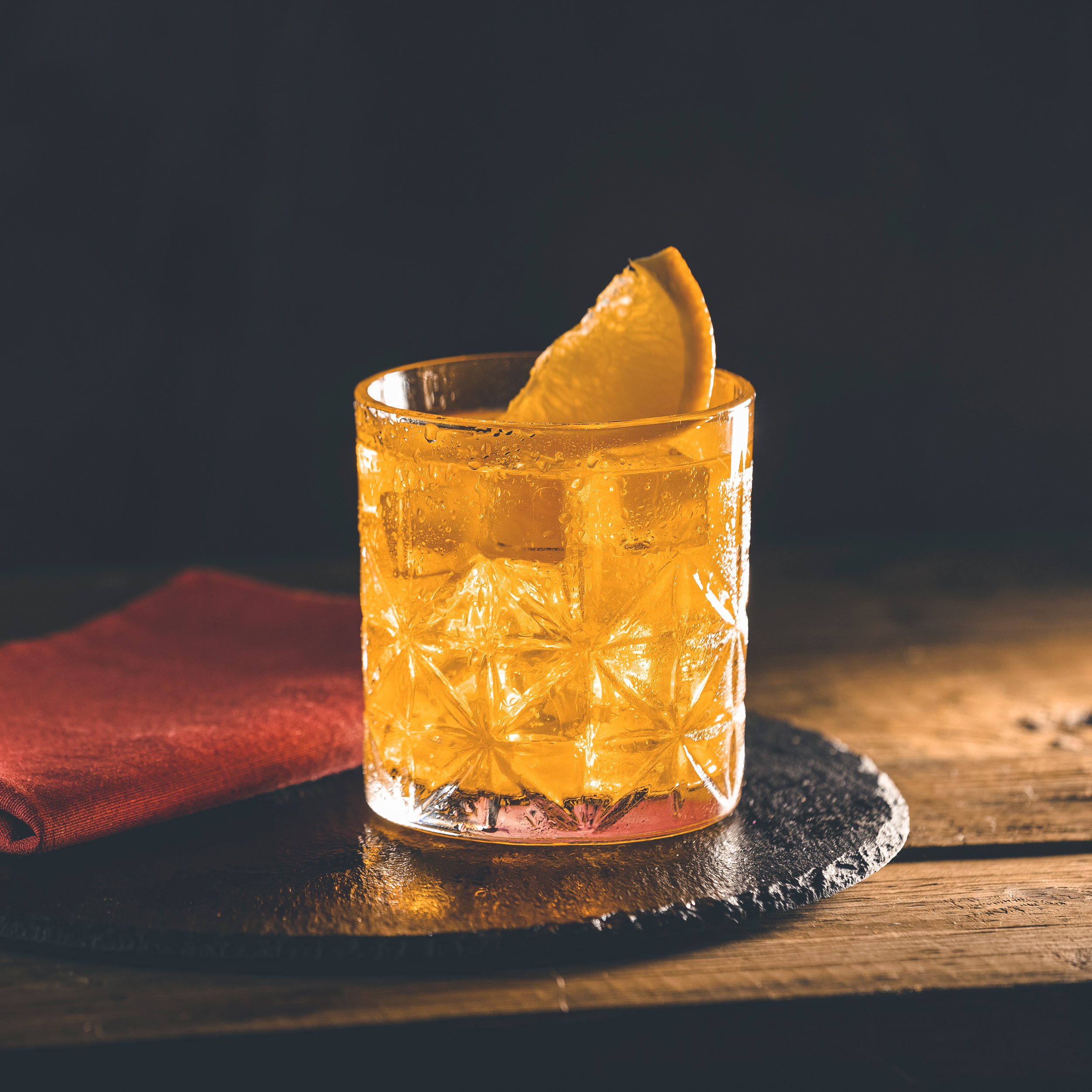
This flexibility is essential for innovation. Sarton du Jonchay points out that many establishments are now revising their "house" Negronis, adjusting the Campari down or the vermouth up to find a new equilibrium. "It is an icon, but that doesn’t mean it’s immovable," he asserts.
For the home enthusiast, the path to creating an original equal parts masterpiece begins with understanding the building blocks. By starting with a known quantity—such as the 1:1:1:1 structure of a Last Word—and substituting one ingredient at a time, one can learn how to balance the "sour," "sweetener," and "spirit" blocks. Experts recommend capping the number of ingredients at four; exceeding this can often lead to a muddied, indistinct flavor profile that defeats the purpose of the equal parts philosophy.
Looking Ahead: The Future of Equal Parts
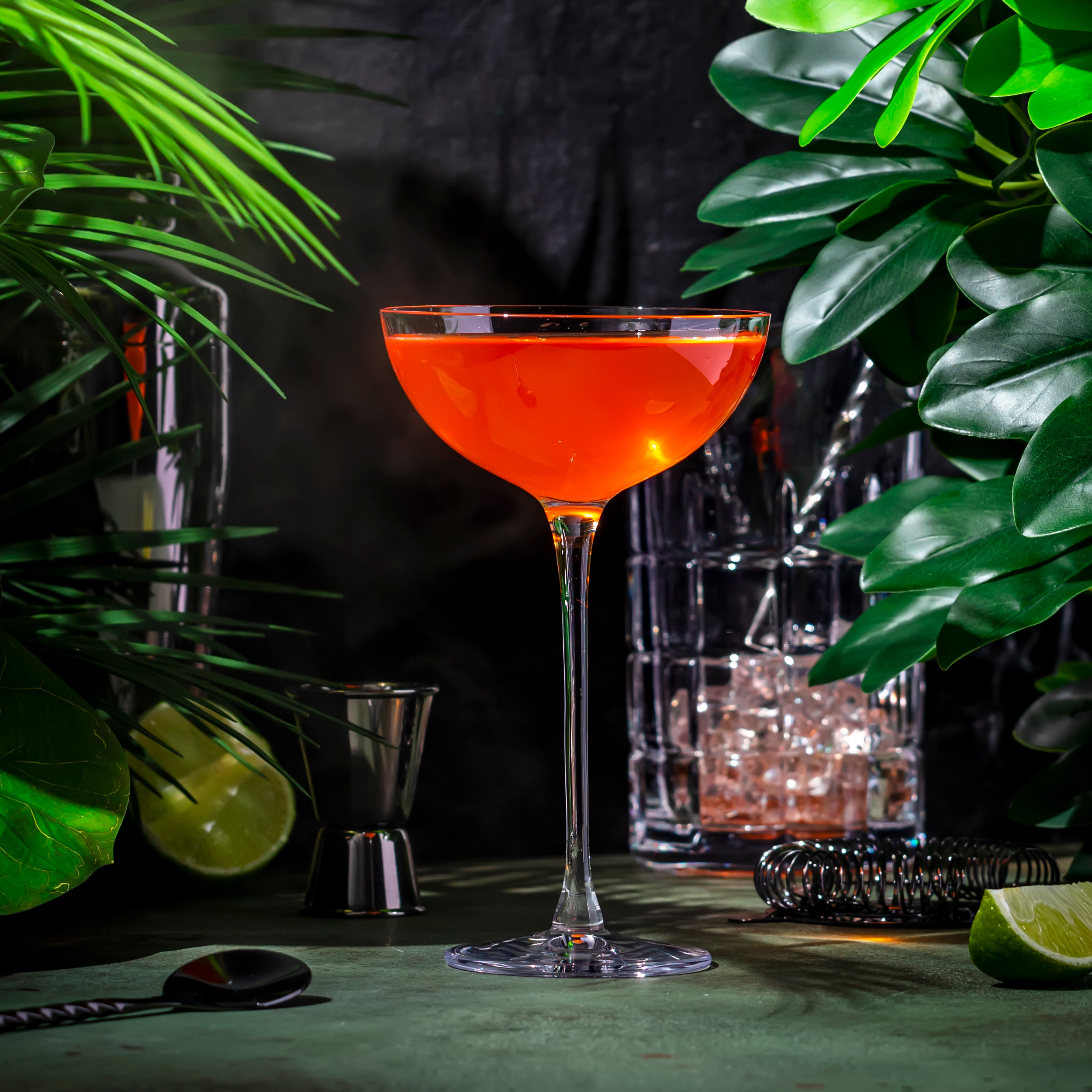
As the cocktail industry moves toward a more sustainable and minimalist future, the equal parts model is likely to see a resurgence in popularity. The focus on high-quality, singular ingredients aligns with the current trend of "less is more." By relying on the inherent quality of the spirits and modifiers rather than masking them with syrups or excessive dilution, bartenders are able to showcase the terroir of their ingredients.
The "Norman Conquest," created by Erik Lorincz, exemplifies this shift toward nuanced simplicity. By combining equal parts Calvados, bourbon (or Scotch), and sweet vermouth, the drink relies on the interplay of stone fruit and oak. It is a testament to the fact that when ingredients are chosen with care, they do not need to be hidden behind complex preparation methods.
Ultimately, the equal parts cocktail remains an enduring icon because it respects the drinker. It offers a transparent, honest, and perfectly balanced experience that invites exploration. Whether one is a professional mixologist chasing the "dream" of the perfect, original serve or a home enthusiast looking to master the basics, the equal parts template provides a structure that is both challenging to perfect and immensely rewarding to consume. In a world of increasing complexity, the simple, symmetrical perfection of these cocktails serves as a reminder that the best results are often found in the most balanced equations.