How to Make a Refreshing Guava Mimosa Cocktail (Cócetel de Guayaba) for Your Next Brunch

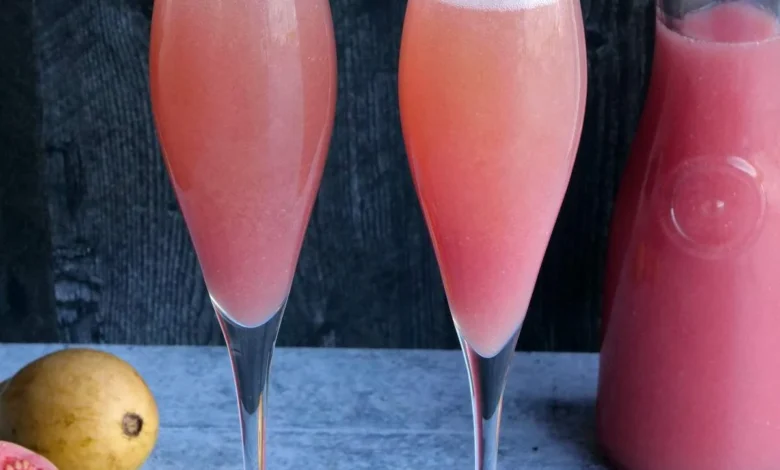
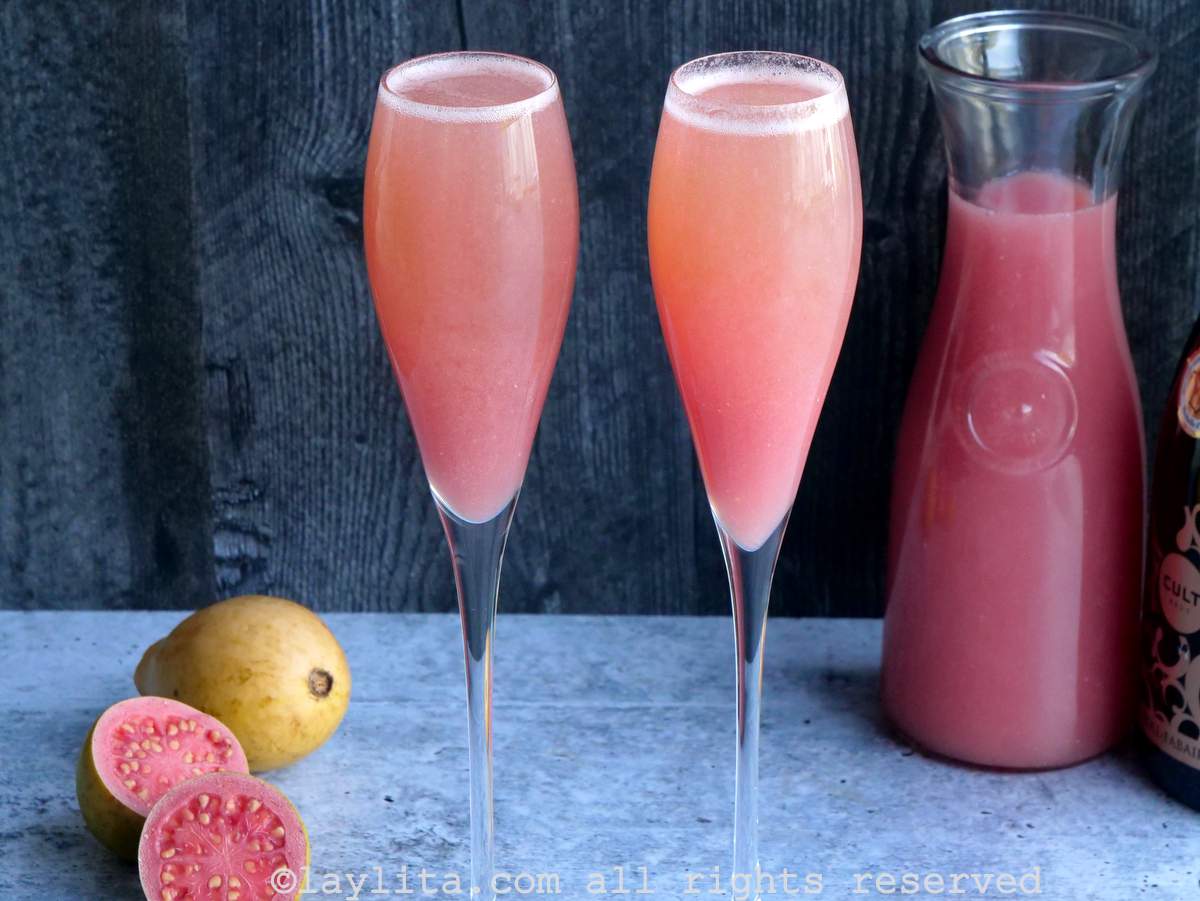
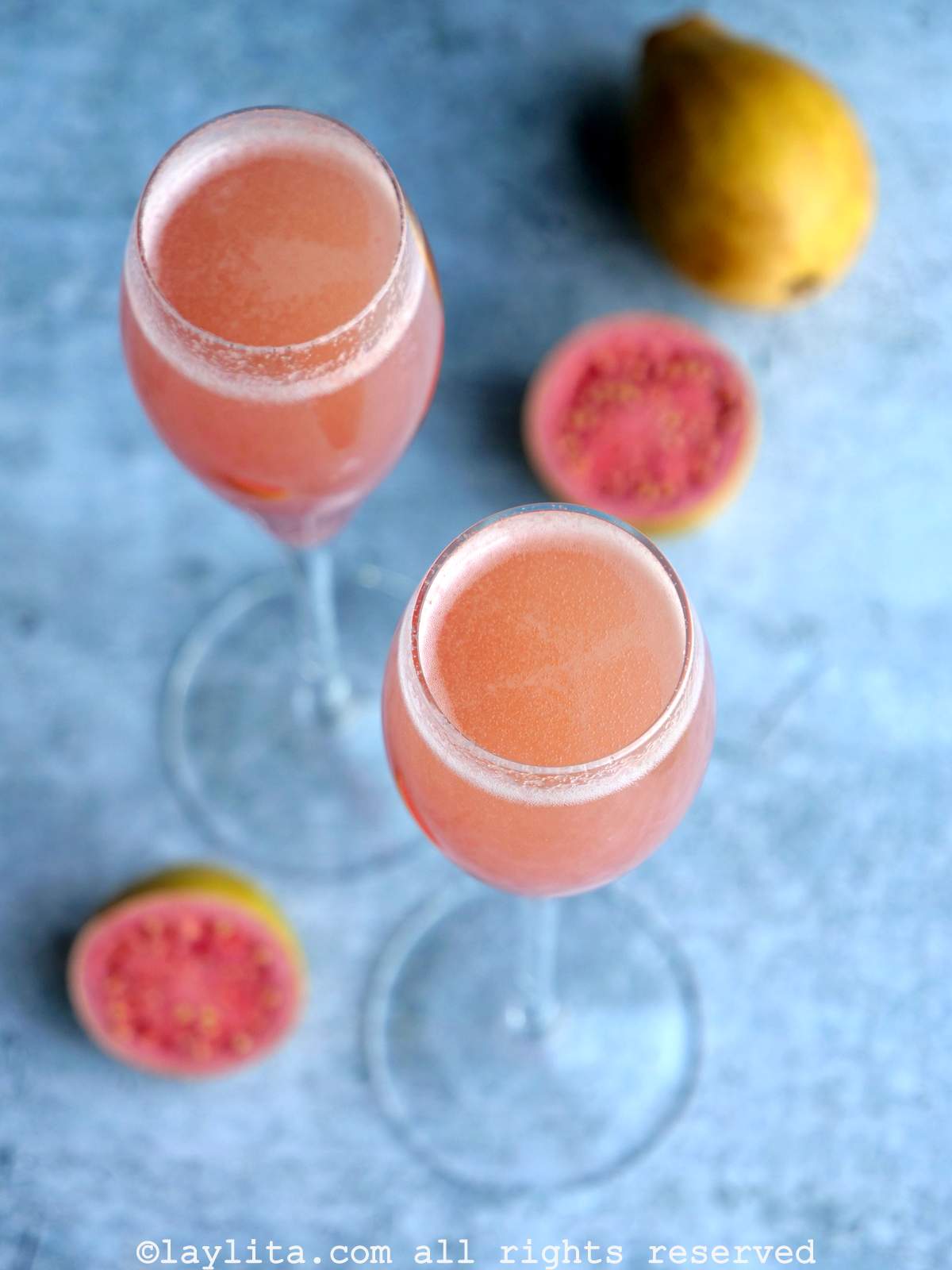
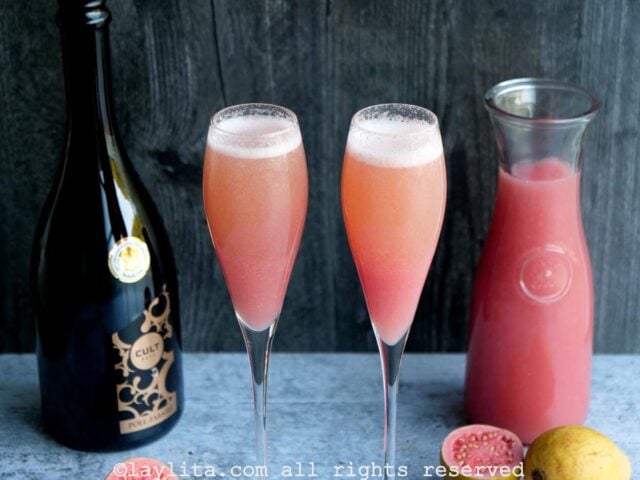
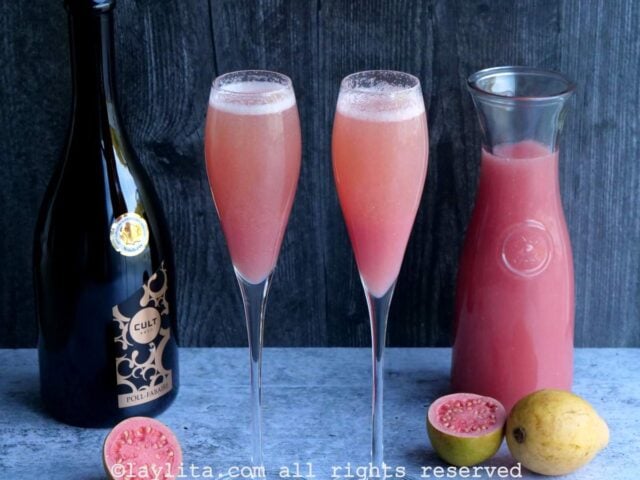
The classic weekend brunch has long been anchored by the traditional orange juice and champagne mimosa, a staple of morning celebrations across the globe. However, as modern culinary trends increasingly embrace tropical, bold flavor profiles, mixologists and home cooks alike are seeking vibrant alternatives. Enter the Guava Mimosa—known in Spanish as cócetel de guayaba—a striking pink cocktail that marries the sweet, fragrant essence of tropical guava with the crisp, effervescent bite of chilled sparkling wine. This contemporary twist not only elevates the standard brunch experience but also bridges culinary traditions, bringing vibrant Latin American fruit flavors to European and North American tables alike.
Background and Cultural Context of Guava in Mixology
Guava (Psidium guajava) holds a cherished place in the gastronomy of Central and South America. Indigenous to the tropical regions of Mexico, Central America, northern South America, and parts of the Caribbean, the fruit has historically been utilized in a myriad of culinary applications. From fresh juices (jugos) and dense pastes (guayababa) to delicate confections and meringue-topped desserts like espumillas, guava is celebrated for its distinct floral aroma, balanced acidity, and naturally high pectin content.
In recent years, tropical fruits have seen a dramatic surge in popularity within the global craft cocktail industry. Consumers are increasingly moving away from overly familiar citrus bases in favor of complex, stone-fruit and tropical profiles. The introduction of guava juice into sparkling wine cocktails reflects a broader gastronomic shift toward global fusion, where traditional European aperitif culture meets the rich biodiversity of the global South. Culinary historians note that while sparkling wine cocktails traditionally relied on local European orchards—such as peaches in the Venetian Bellini or apples and pears in various ciders—the modern interconnected food supply chain allows for seamless cross-cultural adaptations, making exotic ingredients accessible to a worldwide audience.
Step-by-Step Preparation: Ingredients and Methodology
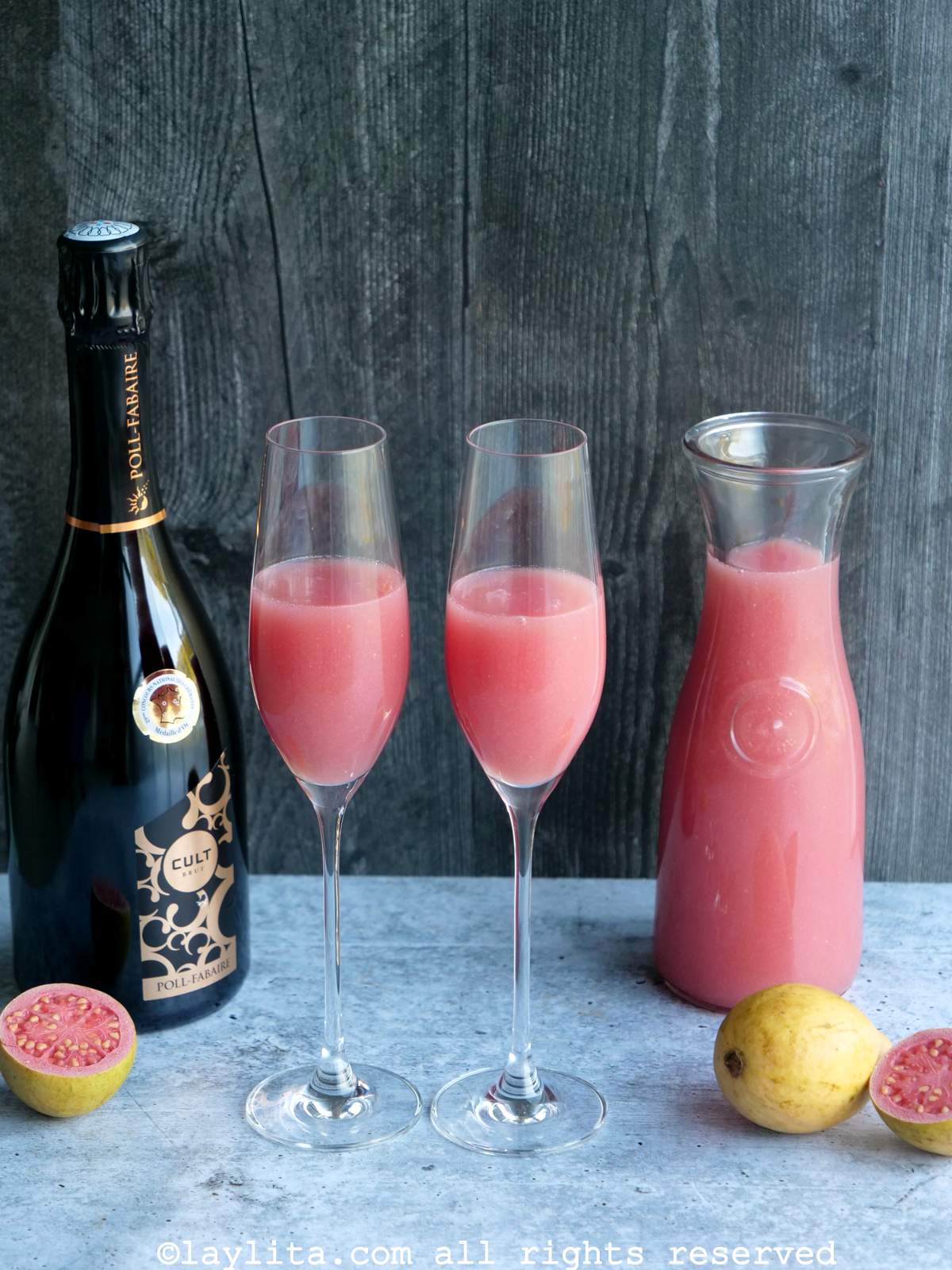
Crafting the ideal Guava Mimosa requires careful attention to ingredient balance, primarily due to the natural sweetness and thick consistency of guava nectar compared to standard citrus juice. The standard preparation involves two primary components: the guava base (either fresh juice, store-bought nectar, or a dedicated simple syrup) and the sparkling wine.
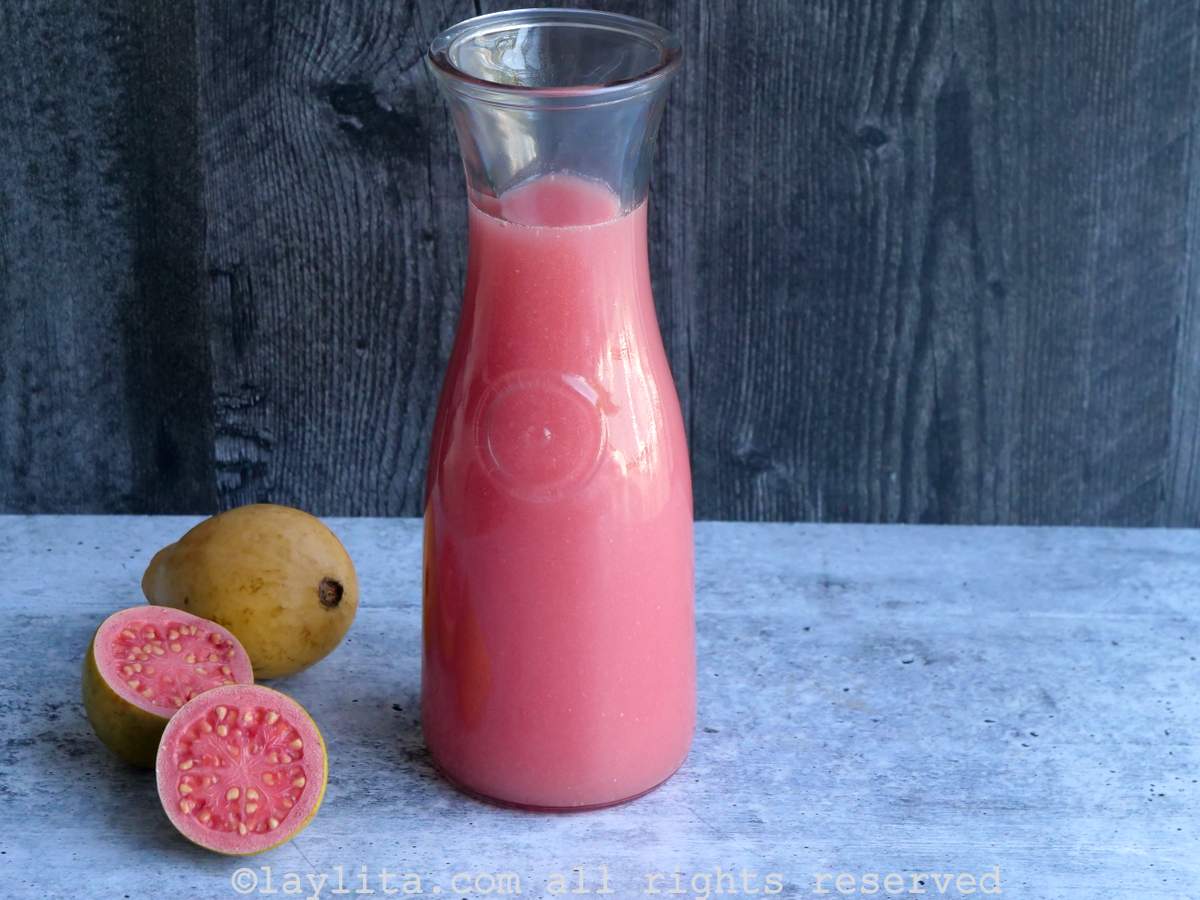
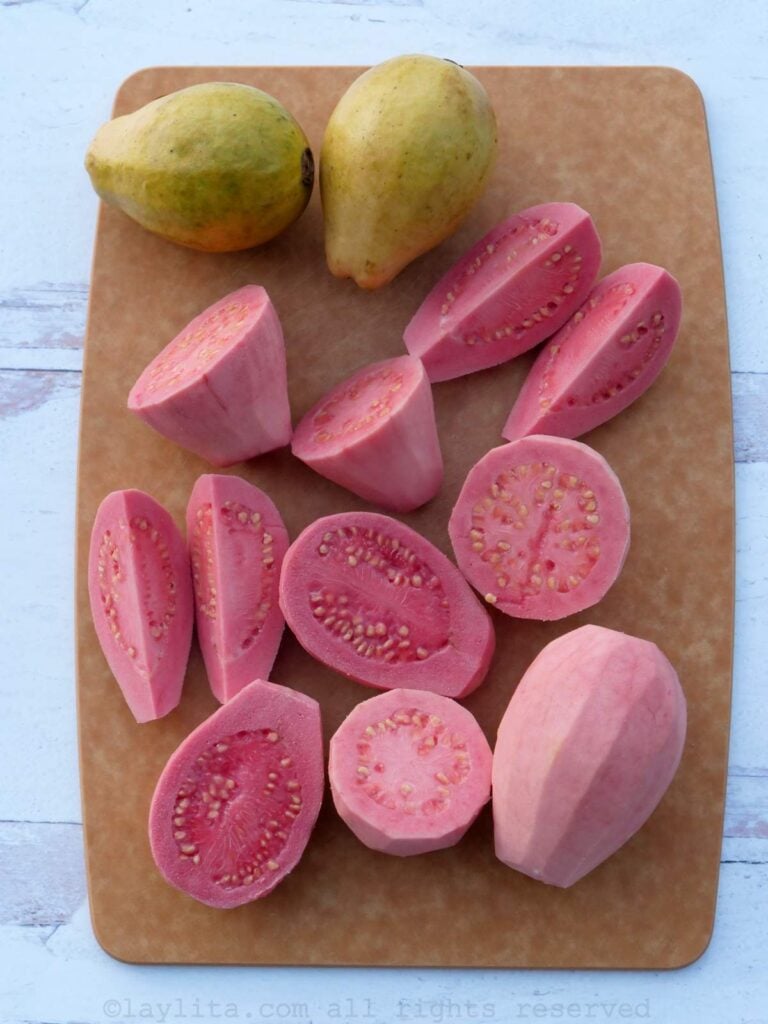
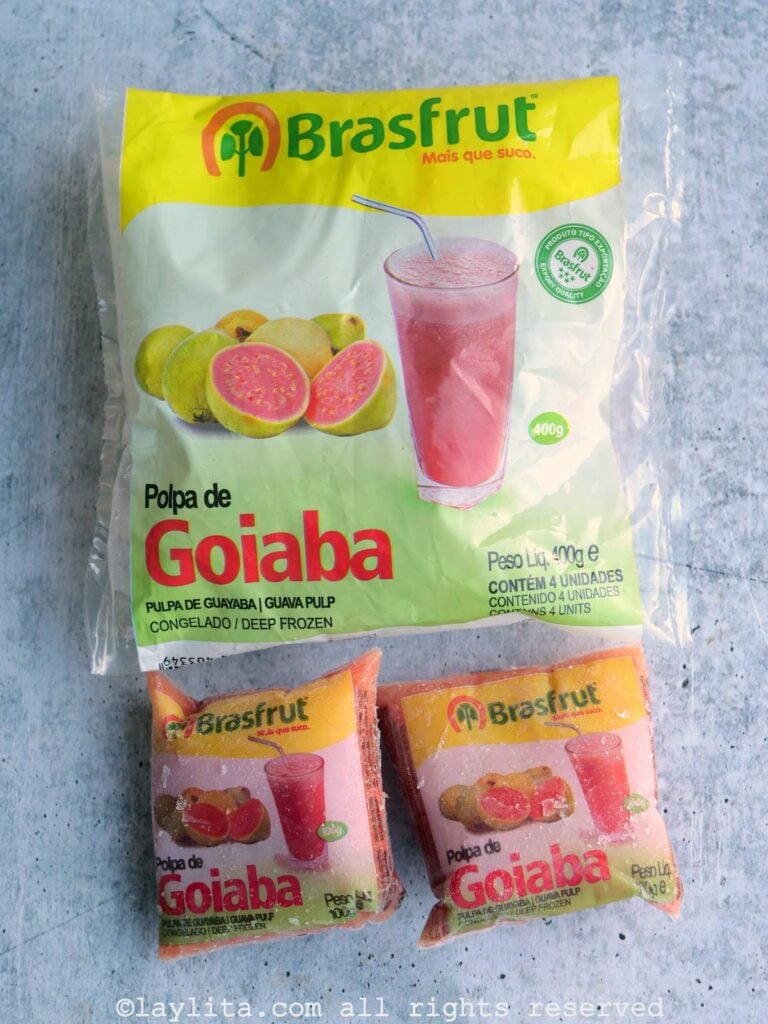
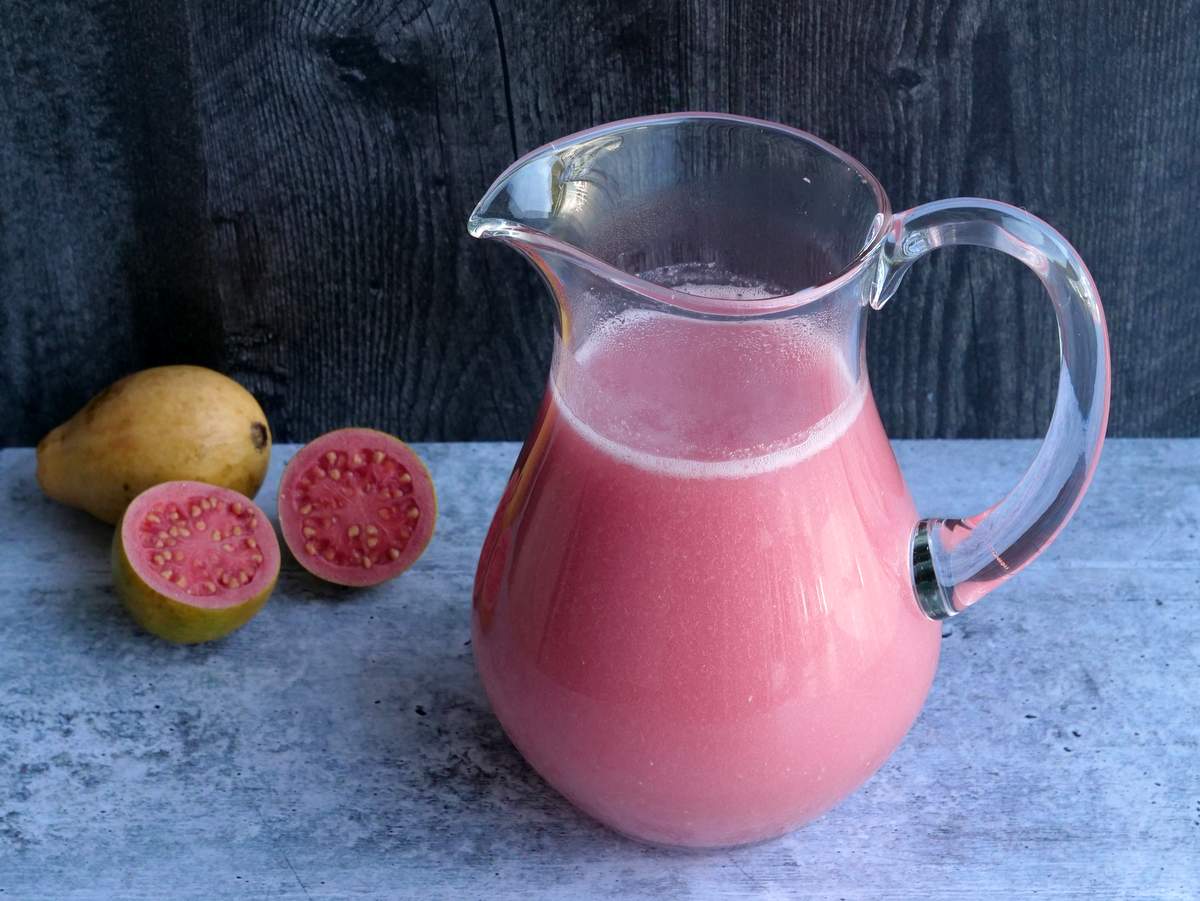
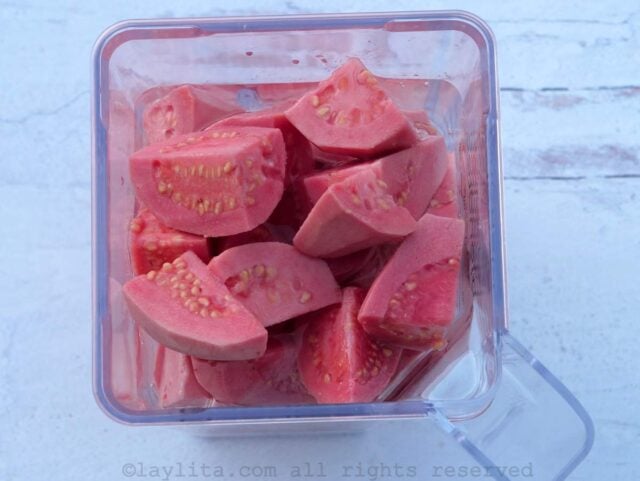
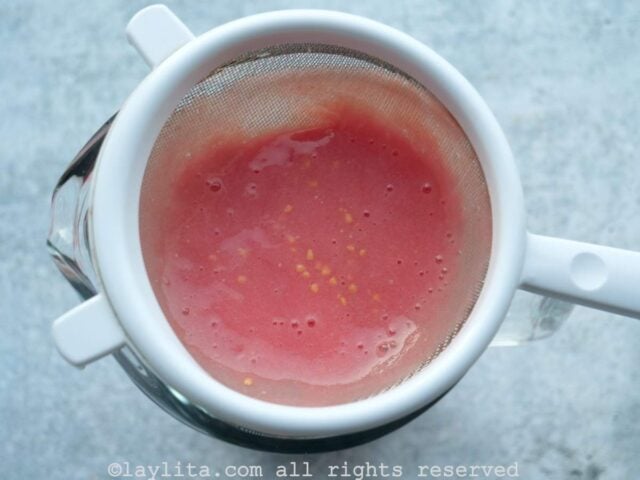
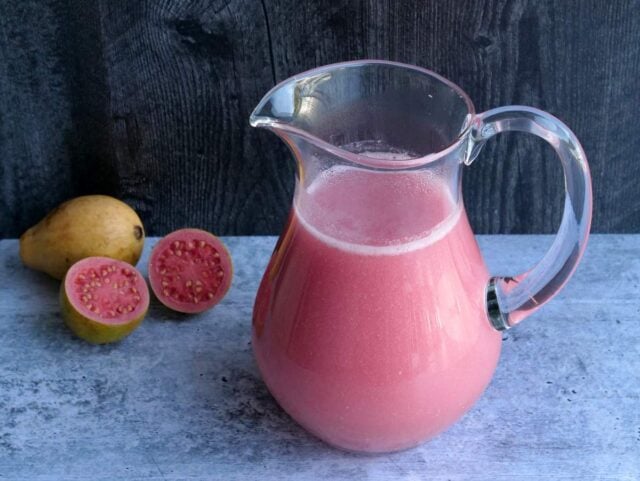
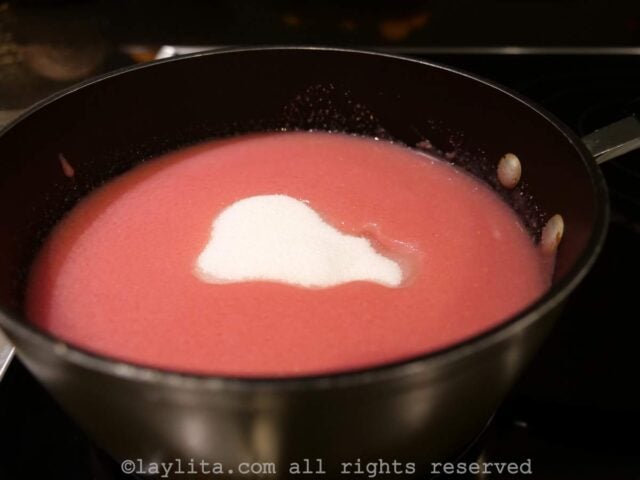
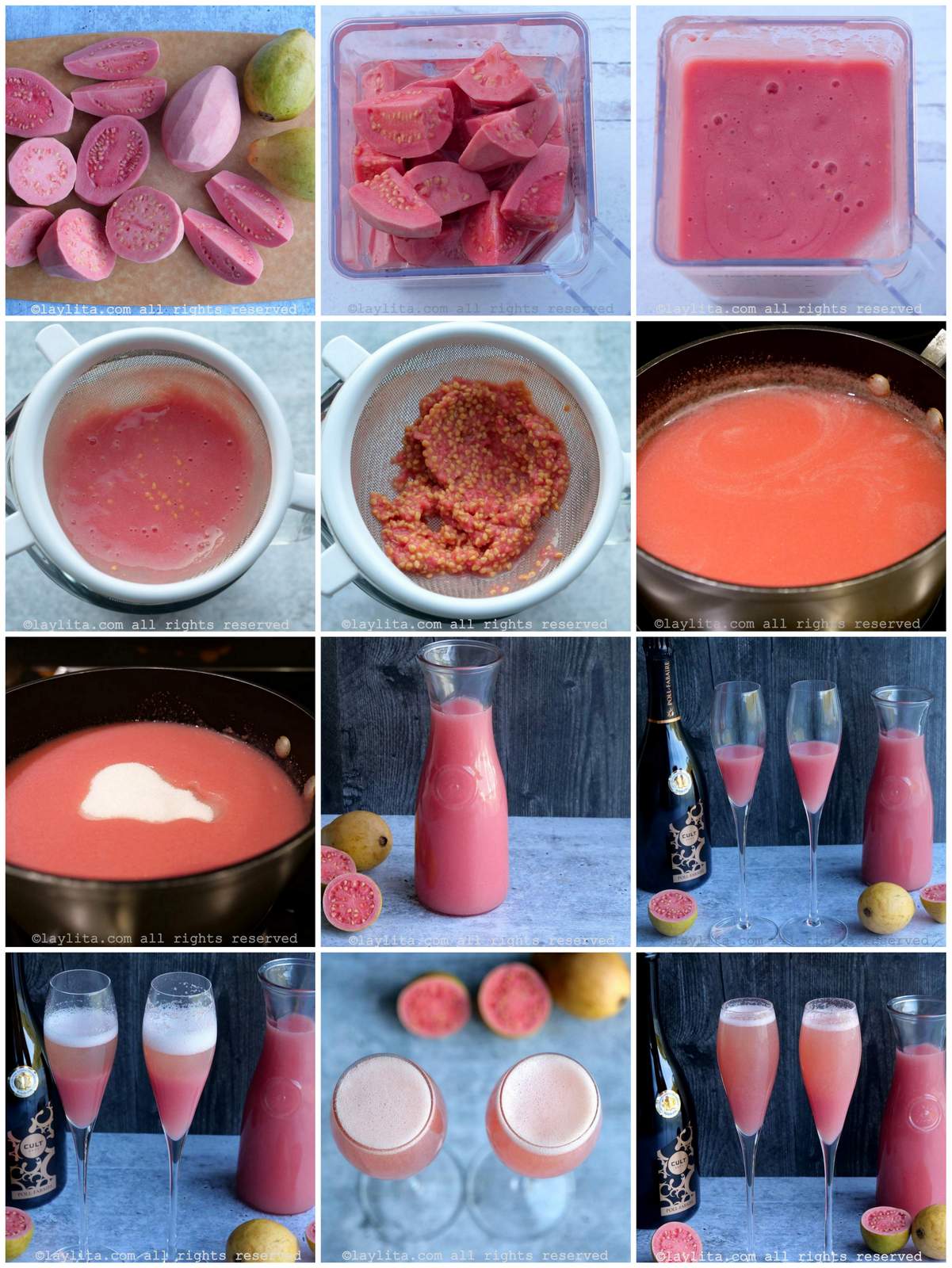
For those opting to make homemade guava juice, fresh pink guavas are peeled, quartered, and blended with water before being strained to remove the hard seeds. Alternatively, frozen guava pulp or concentrated nectar, widely available in Latin American and international supermarkets, provides a convenient shortcut without sacrificing the fruit’s signature robust flavor. A secondary method involves creating a guava simple syrup by simmering fresh or frozen fruit with equal parts sugar and water, yielding a concentrated infusion that allows for precise sweetness control when mixed with dry wines.
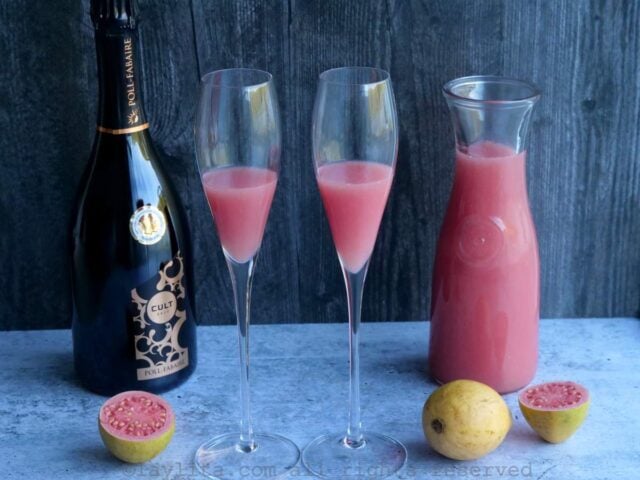
When selecting the sparkling wine, mixologists strongly advocate for dry, acidic varieties. Because guava juice and nectar possess a naturally high sugar content and a luscious mouthfeel, pairing them with a sweet or demi-sec sparkling wine can result in an overly cloying beverage. Instead, professionals recommend a brut Cava from Spain, a crisp Italian Prosecco, a French Crémant, or a traditional dry Champagne. These options provide a sharp, effervescent contrast that cuts through the richness of the guava, ensuring a well-balanced palate.
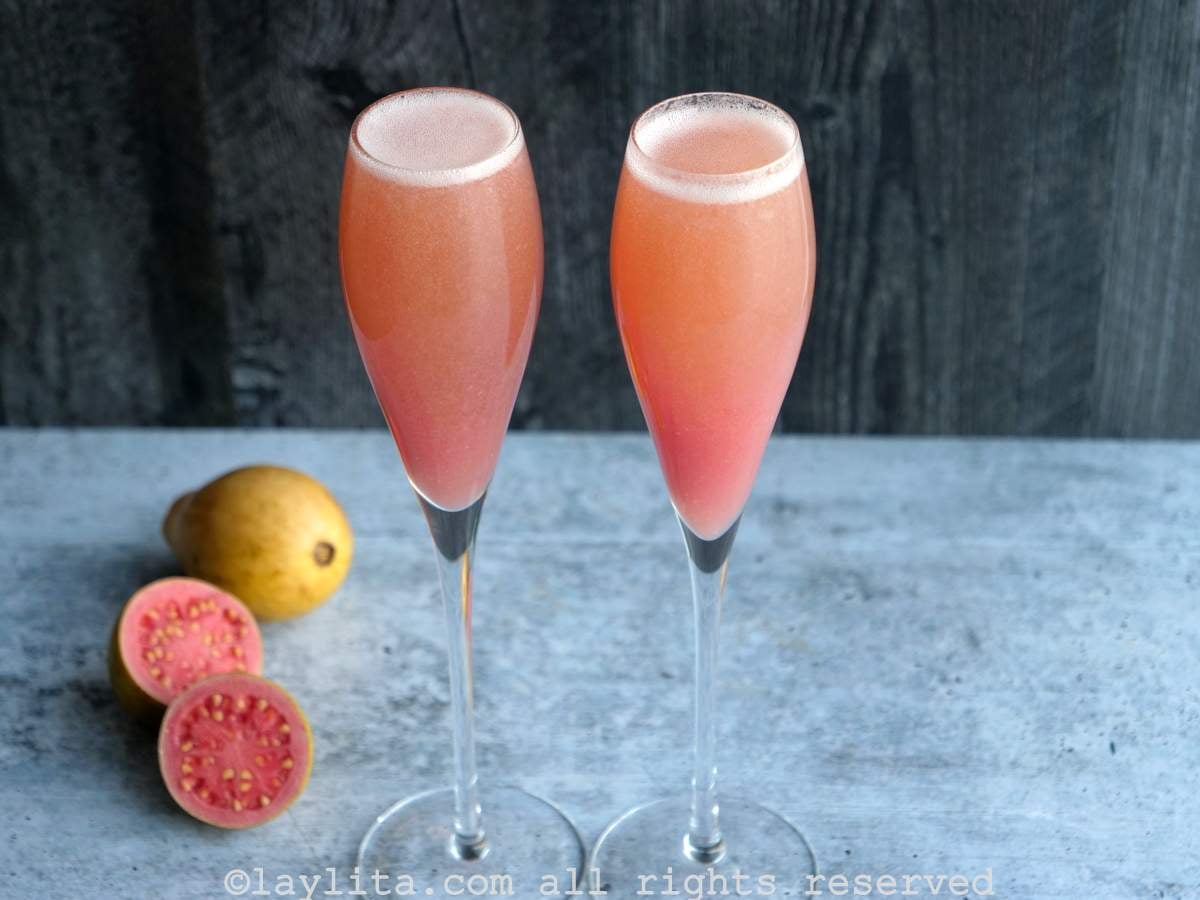
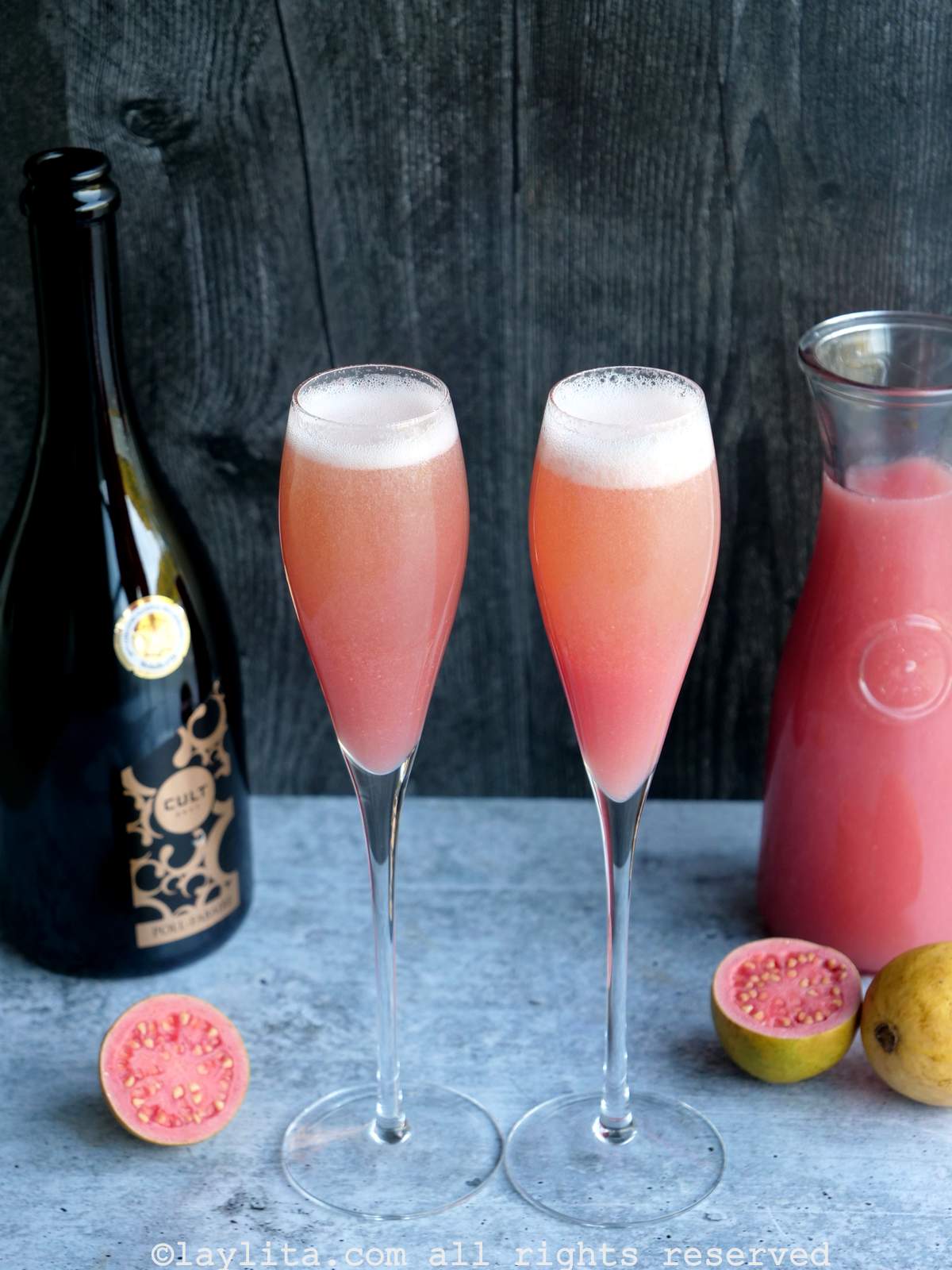
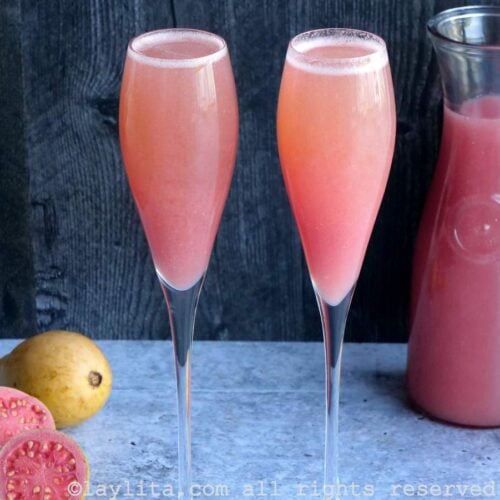
The standard mixing ratio typically involves filling a chilled champagne flute approximately halfway with guava juice or nectar, then gently topping it off with the chilled sparkling wine. If utilizing a concentrated guava simple syrup, a smaller measurement—roughly one-quarter to one-third of the glass—is recommended to prevent overwhelming the bubbles. To maintain maximum carbonation, the components should be combined individually by the glass rather than in a pre-mixed pitcher, preserving the lively effervescence that defines a true mimosa.
Comparative Analysis of Brunch Cocktail Trends
The rise of the guava mimosa is part of a larger evolution within the daytime hospitality sector. Brunch, once a relatively straightforward culinary bridge between breakfast and lunch, has evolved into a major economic and cultural driver for the restaurant and hospitality industries. According to recent food service market analyses, consumers are willing to spend more on experiential, visually striking beverages during weekend dining occasions.
| Cocktail Name | Primary Fruit Base | Alcohol Component | Flavor Profile |
|---|---|---|---|
| Classic Mimosa | Orange Juice | Champagne / Sparkling Wine | Citrusy, bright, acidic |
| Guava Mimosa | Guava Juice / Nectar | Brut Sparkling Wine / Crémant | Sweet, floral, tropical |
| Peach Bellini | Fresh Peach Puree | Prosecco | Soft, velvety, stone fruit |
| Grapefruit Paloma | Grapefruit Juice | Tequila & Sparkling Water | Tart, bitter, refreshing |
As demonstrated in the comparison above, fruit-forward sparkling beverages cater to evolving consumer preferences for drinks that offer both aesthetic appeal—such as the pastel pink hue of the guava variant—and a distinct regional identity. The visual saturation of social media platforms has further accelerated this trend, with vibrant, photogenic cocktails becoming powerful marketing tools for restaurants and home entertainers alike.
Pairing Suggestions and Culinary Complements
A successful brunch cocktail must harmonize with the accompanying menu items. The sweet and aromatic profile of the guava mimosa pairs exceptionally well with a diverse array of both sweet and savory breakfast dishes. Traditional pairings include delicate French crêpes dusted with powdered sugar, savory South American corn cakes such as Ecuadorian torrejas de choclo, and crisp, cheese-stuffed fried empanadas. The acidity and carbonation of the beverage act as a palate cleanser, cutting through the rich fats of fried pastries and complementing the natural sweetness of baked goods.
Furthermore, the drink has become a popular feature for celebratory daytime events, most notably Mother’s Day brunches, bridal showers, and summer garden parties. Its striking visual presentation—frequently garnished with a thin wheel of fresh guava, a twist of lime peel, or a sprig of fresh mint—enhances its status as a premium specialty beverage.
Storage, Best Practices, and Expert Recommendations
To ensure optimal quality when serving guava mimosas to guests, several operational best practices should be observed:
- Temperature Control: Both the guava juice and the sparkling wine must be thoroughly chilled prior to mixing. Warm juice will rapidly dissipate the carbonation of the wine, resulting in a flat and unappealing texture.
- Batching Limitations: While large-format pitchers are often desired for entertaining, pre-mixing carbonated beverages leads to a loss of effervescence. If a pitcher must be used, combine the ingredients no more than two minutes before service, or set up a self-serve "mimosa bar" where guests can pour their own juice and top with fresh wine.
- Product Selection: When purchasing commercial guava nectar, check labels for added sugars. Adjust the pour ratio accordingly; higher-viscosity nectars require less volume per glass to achieve the desired flavor balance.
Broader Implications for the Beverage Industry
The mainstream adoption of regional fruit variants like the guava mimosa underscores a broader trend toward culinary inclusivity and the global appreciation of diverse agricultural products. As international supply chains continue to mature, ingredients that were once confined to specific geographic regions are now staple components of global home kitchens. For the hospitality sector, this represents an ongoing opportunity to innovate within traditional frameworks, offering consumers familiar formats infused with unexpected, worldly dimensions. Whether served at a high-end metropolitan hotel or a casual home gathering, the guava mimosa stands as a testament to the dynamic, borderless nature of contemporary drink culture.