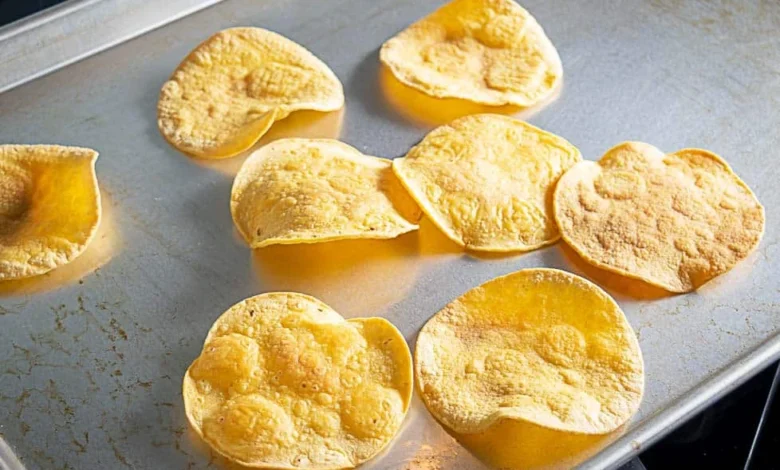
Corn tortillas serve as the bedrock of Mexican culinary traditions, dating back thousands of years to the domestication of maize by Mesoamerican civilizations. As a staple food, these thin, unleavened flatbreads have transcended their regional origins to become a global commodity. Beyond the standard taco, the versatility of the corn tortilla allows it to function as a primary vessel, a crunchy component, or a structural element in a wide variety of dishes. Understanding the culinary potential of this ingredient can reduce food waste and elevate home cooking through diverse preparation techniques.
Historical Context and Nutritional Significance
The nixtamalization process—soaking and cooking corn in an alkaline solution—has been the gold standard for preparing maize for consumption since at least 1500 BCE. This chemical process significantly improves the nutritional value of corn, increasing the bioavailability of niacin (vitamin B3) and calcium. In contemporary kitchens, the corn tortilla is prized not only for its historical importance but also for its structural integrity when compared to flour-based alternatives. According to industry market analysis, the global tortilla market is expected to continue growing as consumers prioritize gluten-free, whole-grain, and culturally authentic meal options.
Core Preparation Methods: Baked versus Fried
The transformation of a standard corn tortilla usually involves the application of heat to modify its texture and moisture content. Frying, a traditional method, introduces fat to the surface, creating a crisp, golden-brown finish that resists sogginess when topped with wet ingredients like salsa or beans. Baking, conversely, is a modern alternative that reduces fat content while achieving a similar crispness. Culinary experts note that the success of either method depends on the freshness of the tortilla; older, drier tortillas are often preferred for baking or frying because they contain less moisture and achieve a superior crunch.
Versatility in Main Courses: Tacos, Taquitos, and Enchiladas
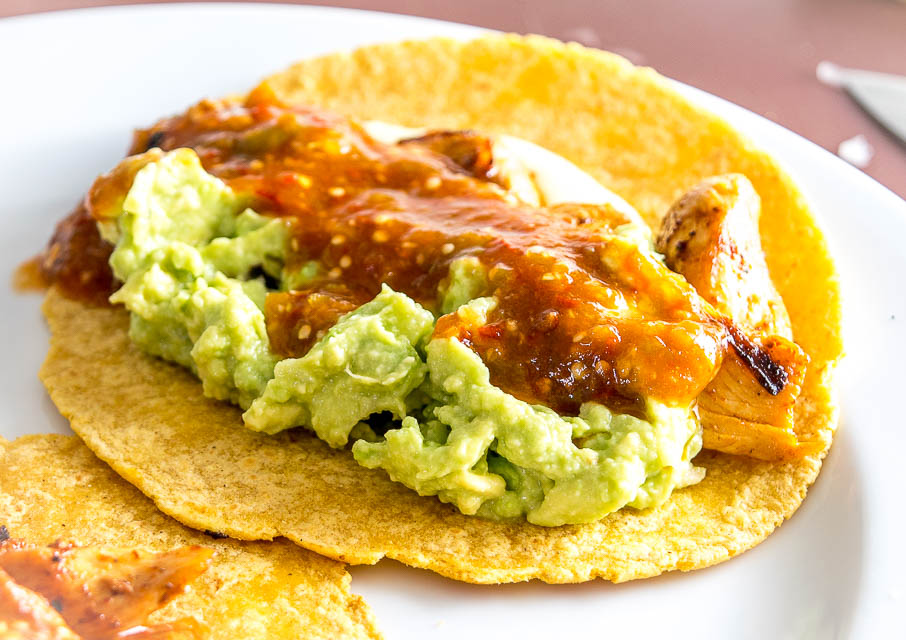
The most common application for the corn tortilla remains the taco. While simple in assembly, the dish relies on the quality of the tortilla. A standard, high-quality taco configuration often involves warm tortillas topped with protein, fresh guacamole, and a balanced salsa.
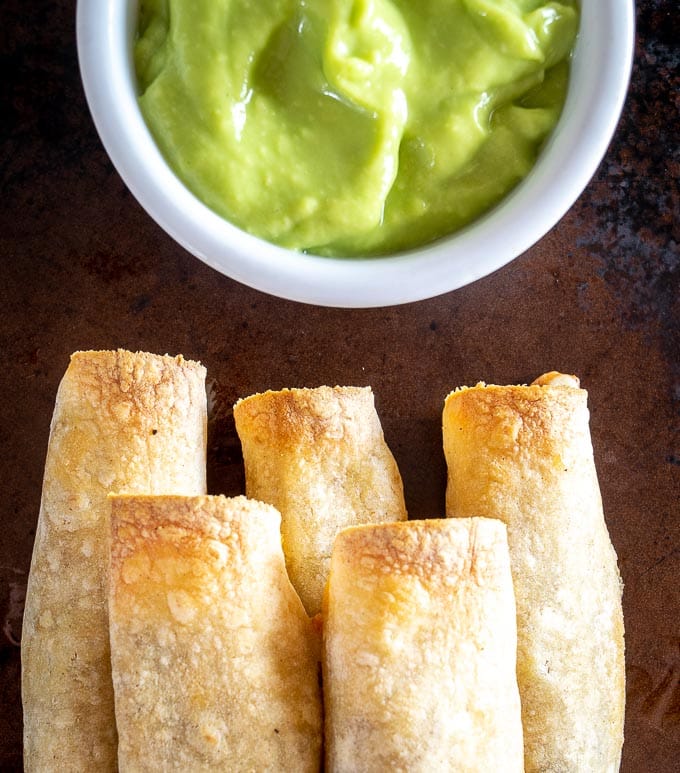
For those seeking textural variety, taquitos offer a compelling alternative. These rolled, stuffed tortillas—typically filled with seasoned ground beef, chicken, or vegetarian bean-and-cheese mixtures—provide a compact, handheld meal. While traditional preparation dictates deep-frying, home-based health trends have popularized oven-baked taquitos, which achieve a crisp exterior while maintaining a moist filling.
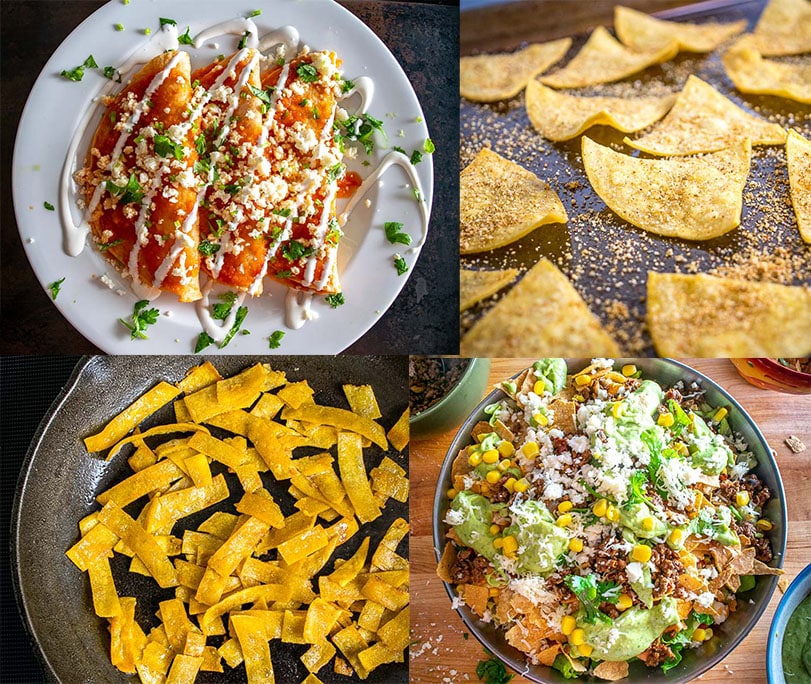
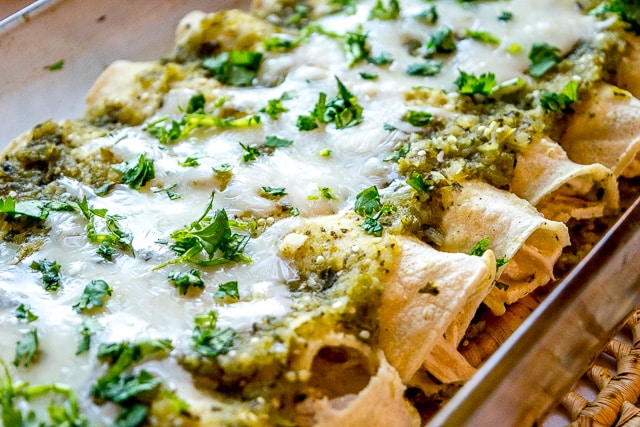
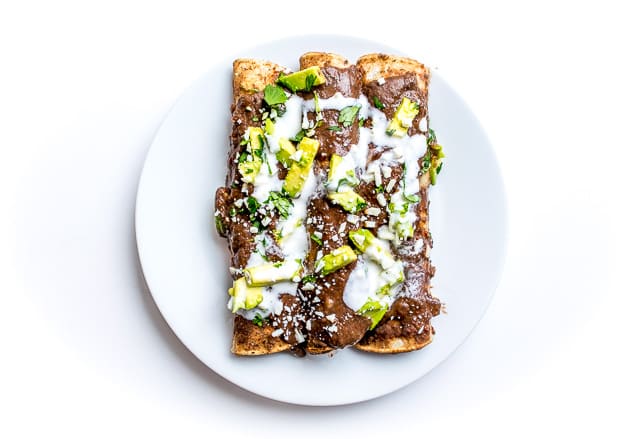
Enchiladas represent a distinct category where the tortilla serves as a wrapper for savory fillings, which are then submerged in a complex sauce. Whether utilizing a green tomatillo-based sauce (Enchiladas Suizas) or a robust red sauce made from dried Ancho chiles, the dish requires the tortilla to be slightly softened—often by a quick flash-fry or dip in hot oil—to prevent tearing during the rolling process. This method ensures the final product maintains structural integrity after baking.
Expanding Utility: Tostadas and Soups
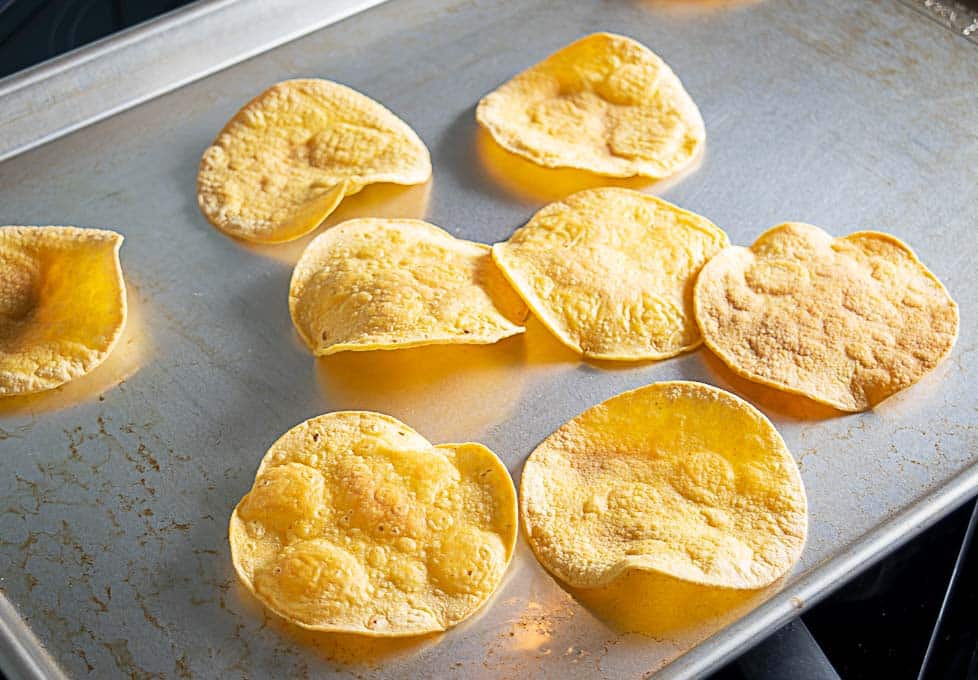
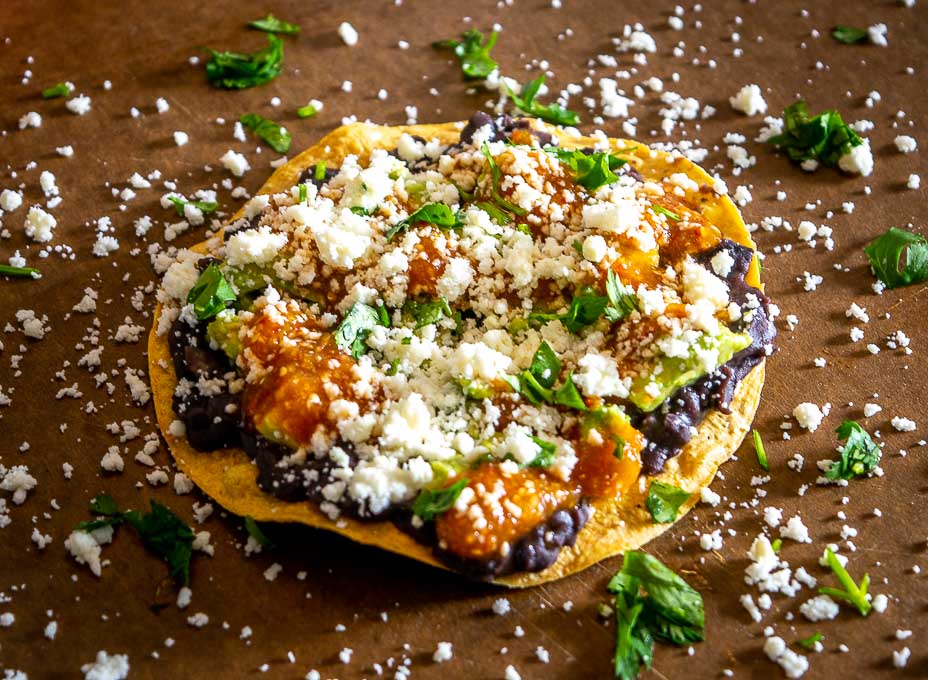
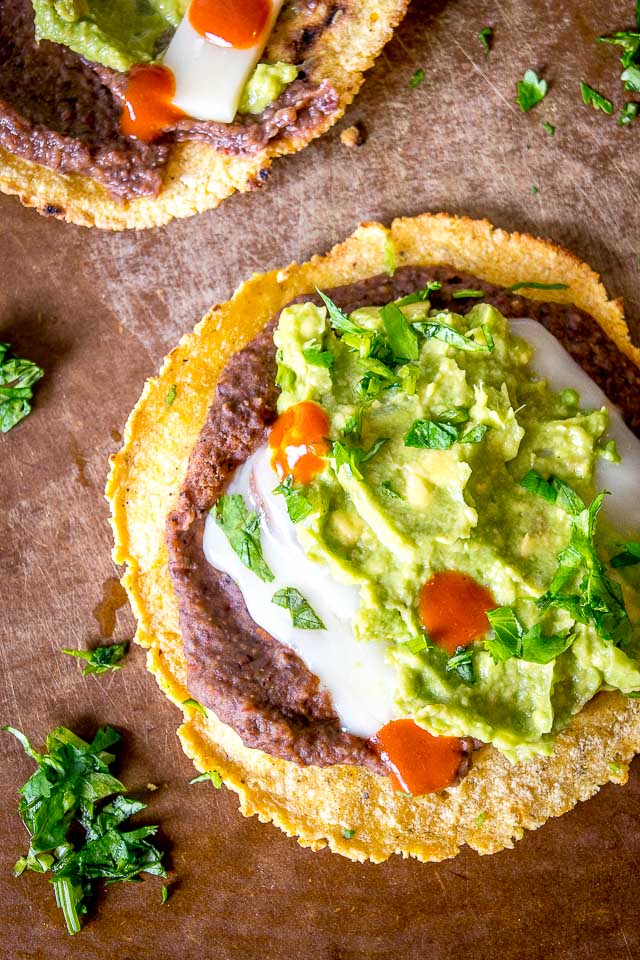
Tostadas provide an efficient solution for utilizing aging tortillas. By baking or frying the tortilla until completely rigid, it becomes a stable platform for various toppings. This application allows for a higher filling-to-tortilla ratio than soft tacos. Variations such as black bean and guacamole tostadas demonstrate the ingredient’s ability to support heavy, moisture-rich toppings without losing its characteristic snap.
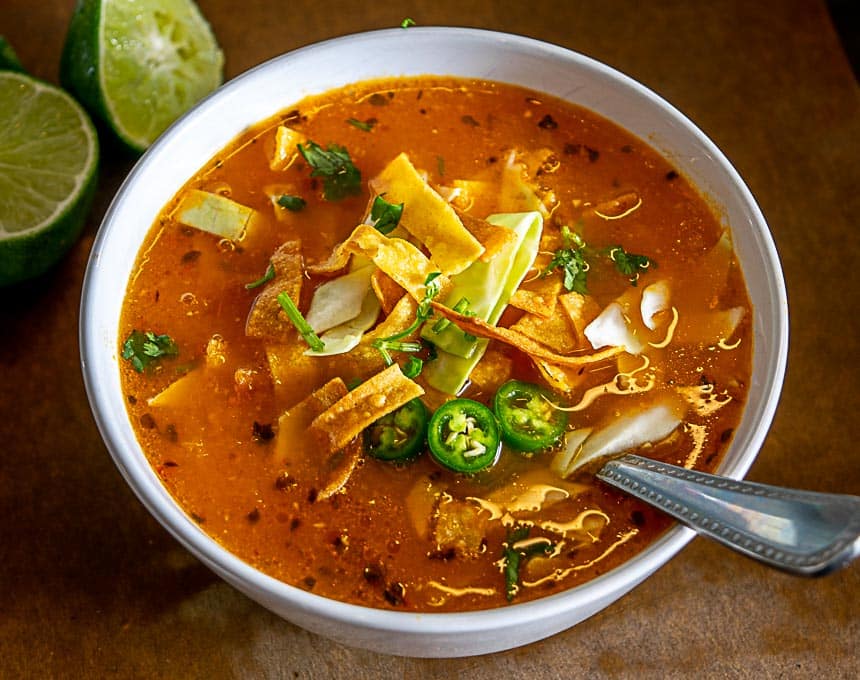
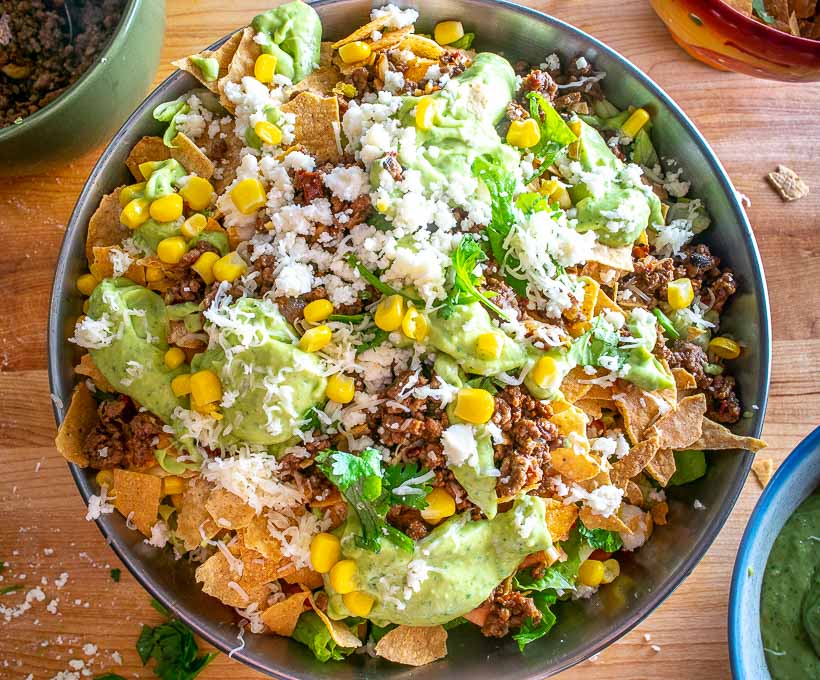
In the realm of soups, the tortilla acts as a garnish rather than a wrapper. In traditional Tortilla Soup, strips of corn tortillas are flash-fried until they reach a crisp, golden state. When added to a hot broth, they provide a textural contrast and a subtle corn flavor that enriches the overall profile of the dish. This technique is also frequently applied to Taco Salads, where crumbled tostada shells or fried strips provide the essential crunch required to balance fresh vegetables and proteins.
Breakfast Applications: Migas and Chilaquiles
Corn tortillas are a cornerstone of Mexican breakfast culture. Migas, a dish consisting of scrambled eggs mixed with crispy corn tortilla strips, exemplifies the efficient use of leftovers. The addition of salsa verde and fresh cilantro transforms these simple ingredients into a substantial morning meal. Similarly, Chilaquiles—a dish involving lightly fried or baked tortilla chips simmered briefly in a flavorful tomatillo-chipotle salsa—showcase how the tortilla can absorb liquid while maintaining a degree of chewiness. Industry observers note that these dishes have seen a surge in popularity in urban food markets, as consumers increasingly seek out hearty, protein-rich breakfast options.
Techniques for Maximizing Culinary Efficiency
To optimize the use of corn tortillas, home cooks should consider the following professional strategies:
- Moisture Control: If tortillas are slightly stale, they are ideal for frying or baking into chips and tostada shells. Fresh, pliable tortillas should be reserved for tacos or enchiladas.
- The Dipping Technique: When preparing enchiladas or enfrijoladas, briefly passing the tortilla through hot oil (or warm sauce) prevents the corn from cracking when rolled.
- Ingredient Pairing: Acidic elements, such as lime juice or salsa, are essential when working with fried tortillas to cut through the richness of the corn and the added fats.
- Storage: While corn tortillas are best consumed fresh, they can be stored in the refrigerator or freezer to extend their shelf life. When reheating, a dry cast-iron skillet or a direct flame remains the most effective method for restoring flavor and texture.
Implications for Sustainable Kitchen Management
The widespread adoption of these diverse preparation methods has significant implications for reducing food waste. By treating the tortilla as a dynamic ingredient—one that can transition from a soft wrap to a crispy base or a crunchy garnish—consumers can effectively extend the life of their pantry staples. This adaptability aligns with broader sustainability trends, where minimizing food waste and maximizing the utility of every ingredient are central to responsible kitchen management.
Conclusion
The corn tortilla is far more than a simple side dish. It is a versatile culinary tool that, when understood through various techniques such as frying, baking, and stewing, provides the foundation for an extensive array of dishes. From the breakfast table with Migas to the dinner plate with Enchiladas Suizas, the corn tortilla remains a testament to the enduring ingenuity of traditional foodways. As home cooking continues to evolve, the ability to repurpose this staple into nutritious, diverse, and satisfying meals remains a vital skill for any modern kitchen. By integrating these methods, cooks can ensure that their supply of corn tortillas is utilized to its full potential, minimizing waste and enhancing the quality of their daily culinary output.