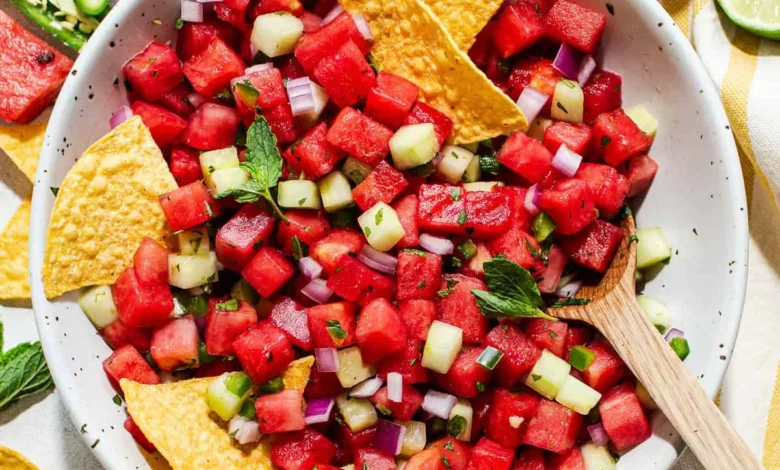
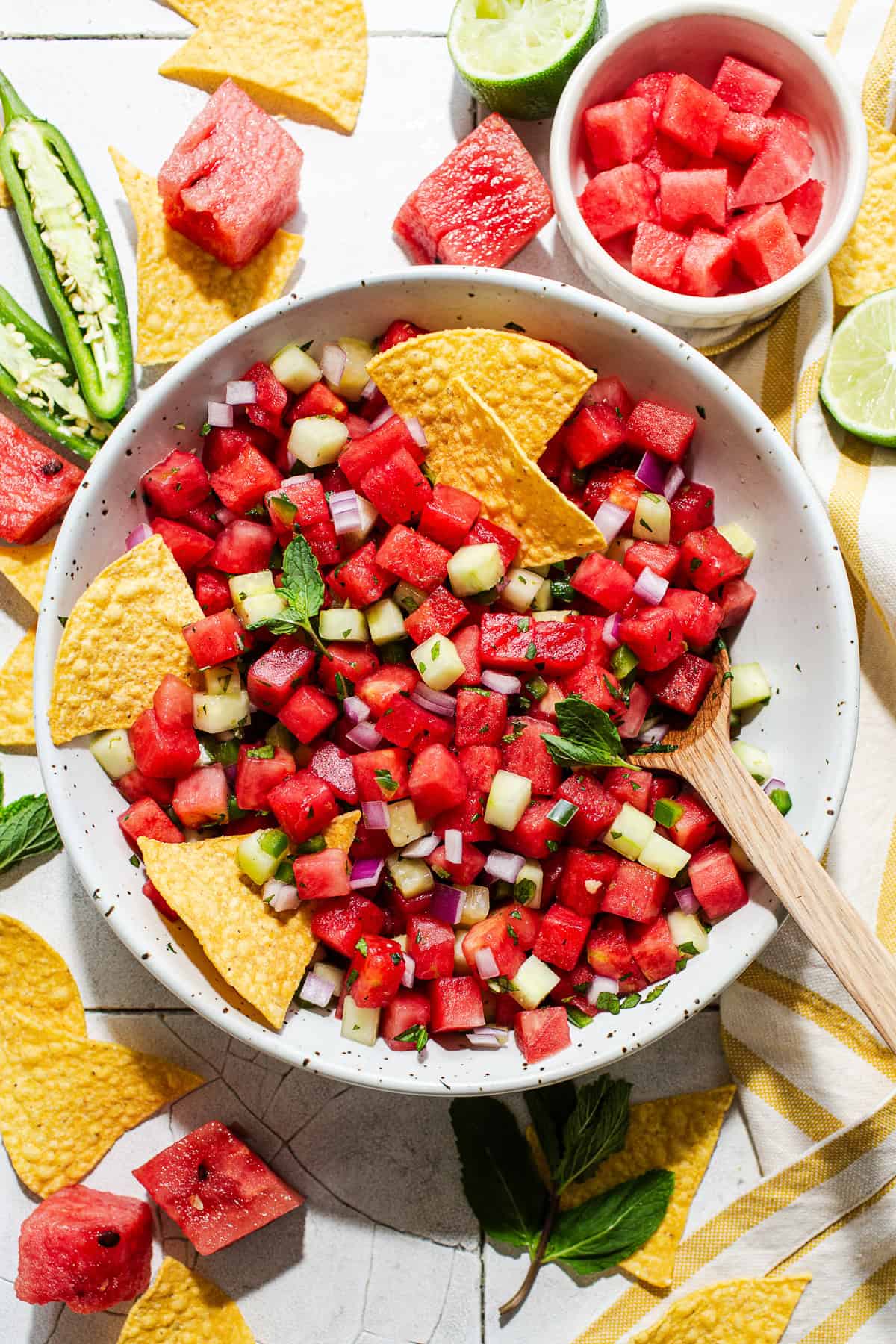
The emergence of watermelon-based salsa as a prominent fixture in contemporary summer dining marks a significant shift in seasonal culinary preferences. As global temperatures rise and the demand for hydrating, plant-based, and low-calorie food options increases, this specific preparation—combining the high water content of watermelon with the sharp, acidic profiles of lime, cucumber, and jalapeño—has transitioned from a niche regional recipe to a mainstream staple.
The Nutritional and Chemical Profile of Watermelon Salsa
At the center of this culinary trend is the watermelon (Citrullus lanatus), a fruit composed of approximately 92% water. When integrated into a savory salsa format, it provides a distinct textural contrast to traditional tomato-based salsas. From a nutritional standpoint, the dish offers significant benefits, particularly during peak summer months. According to agricultural and nutritional data, watermelon is a rich source of lycopene, an antioxidant associated with cardiovascular health and skin protection against UV radiation.
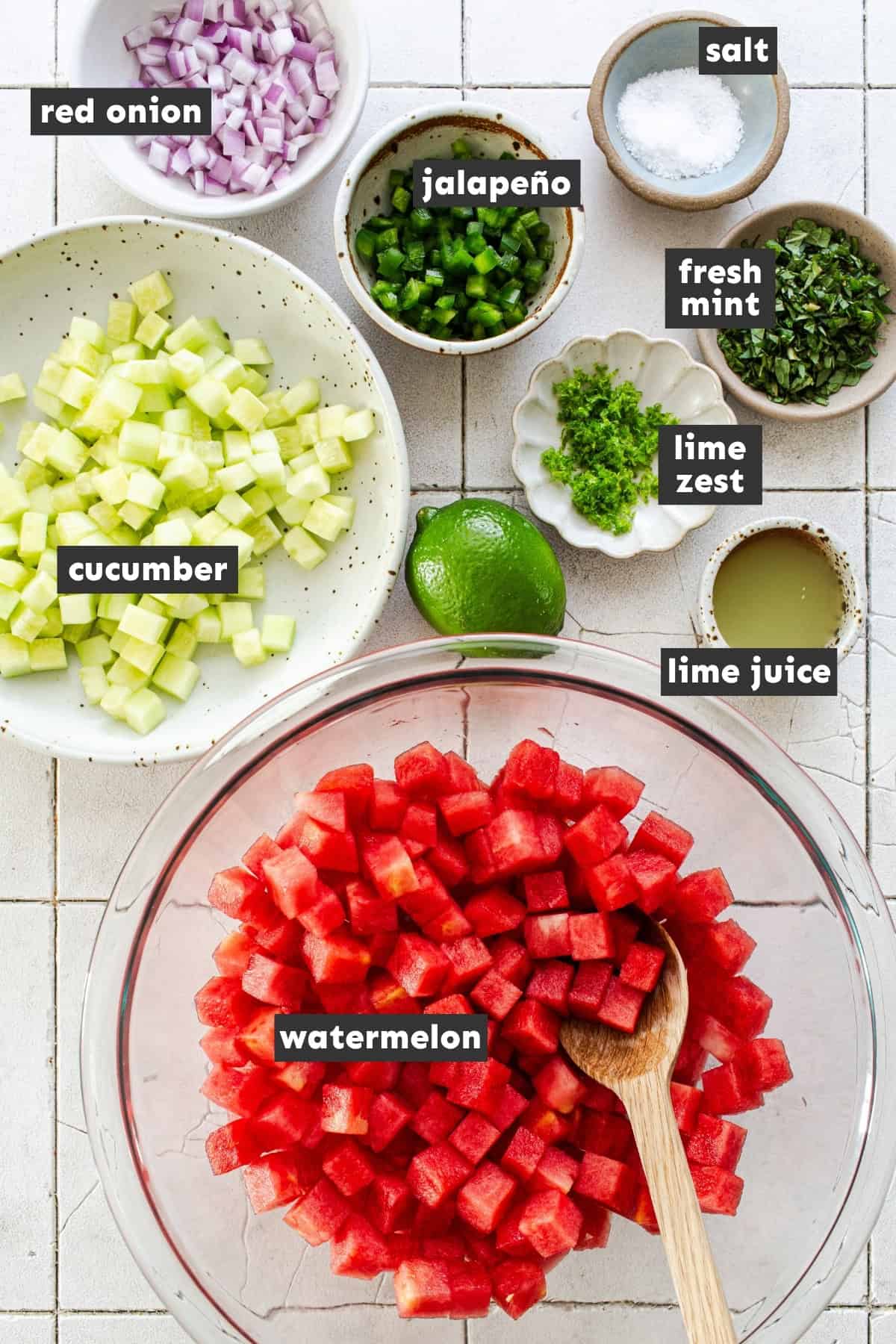
The addition of cucumber introduces a crunchy, cooling element that stabilizes the dish, while the incorporation of jalapeño peppers—specifically when seeded—provides a controlled capsaicin kick. The use of lime juice and zest acts as a critical chemical balancer. Citric acid from the lime lowers the pH level of the mixture, which is essential for cutting through the inherent fructose sweetness of the watermelon. This chemical interaction prevents the "dessert-like" cloying effect that often plagues fruit-based salsas, rendering the dish suitable for savory pairings.

Chronology and Cultural Evolution
While the fusion of fruit and chile is deeply rooted in Mexican culinary tradition—where vendors have long paired watermelon slices with chile-lime seasoning (tajín)—the contemporary "salsa" iteration has evolved over the last decade. Culinary historians note that the mid-2010s saw a rise in "fusion" street food, where the portability of traditional pico de gallo was applied to non-traditional ingredients.
By the summer of 2026, the data indicates a massive surge in consumer interest regarding fruit-based condiments. Digital culinary platforms have observed a 40% year-over-year increase in search queries related to "watermelon appetizers" and "no-cook summer recipes." This trend coincides with broader socioeconomic factors: rising grocery costs have led consumers to seek versatile, inexpensive produce that can be transformed into multi-purpose dishes, and the "no-cook" aspect of the recipe appeals to households looking to reduce energy consumption during heat waves.
Technical Challenges: Moisture Management and Serving Dynamics
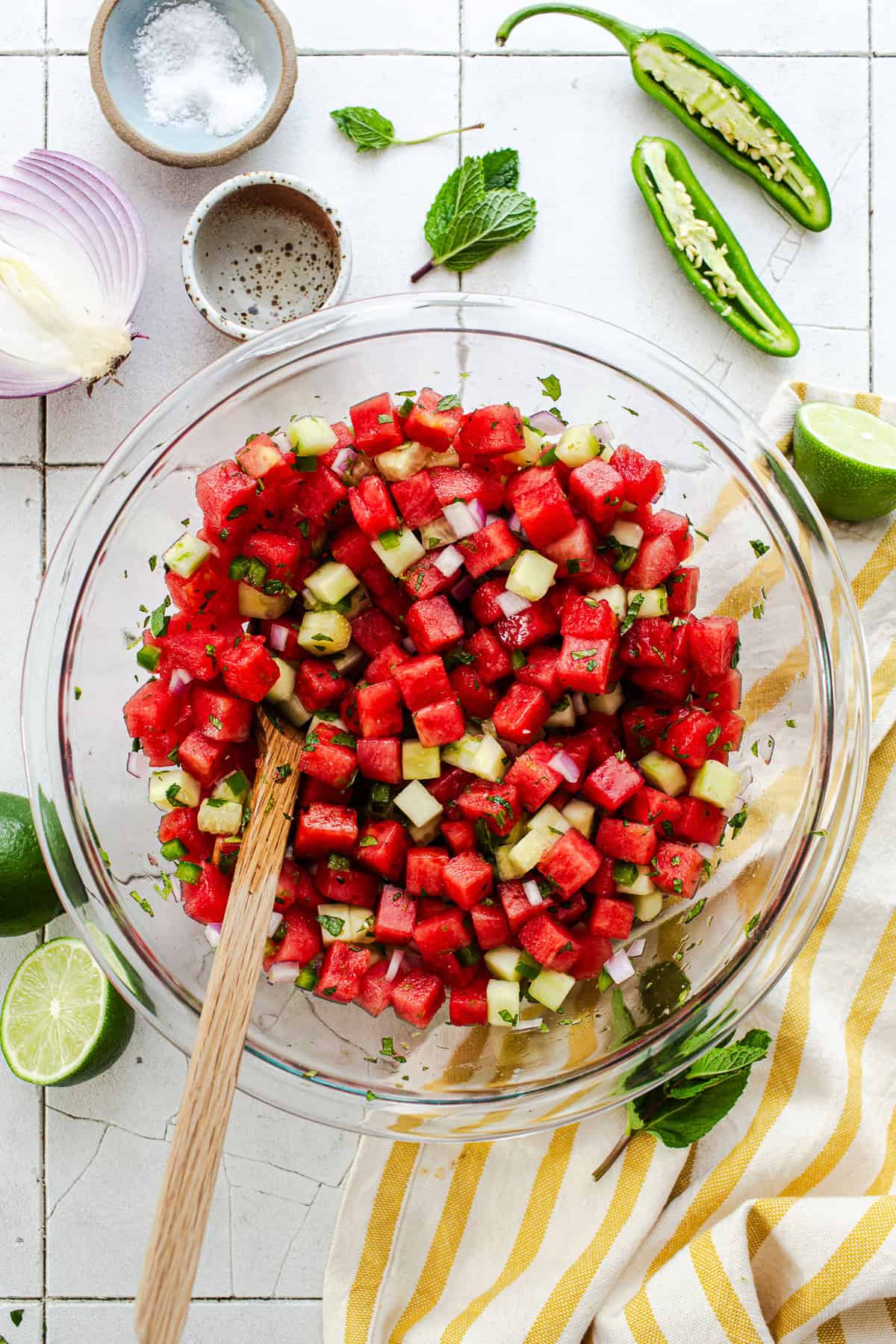
A primary technical challenge in the production of watermelon salsa is the phenomenon of osmotic pressure. When salt is introduced to diced watermelon, it draws out the intracellular fluid, causing the fruit to release its water rapidly. This leads to a watery consistency that can ruin the texture of the dish within minutes.
Professional chefs and home economics researchers emphasize a specific "service-time" protocol to mitigate this issue. The current consensus among culinary experts is that the salt must be added only seconds before consumption. If the mixture is prepared in advance, it must be stored in a perforated container or drained before serving to ensure the integrity of the salsa. Furthermore, the inclusion of lime zest—a step frequently overlooked by amateur cooks—is cited as the most important factor in flavor development. The essential oils found in the zest provide a depth of aroma that the juice alone cannot achieve, acting as a bridge between the spicy jalapeño and the sweet fruit.
Economic and Market Implications
The popularity of this dish has had measurable effects on the summer produce market. Retailers have reported higher turnover rates for seedless watermelon varieties, which are preferred for their ease of preparation in dicing applications. Additionally, the demand for high-quality lime and fresh mint during the peak of July and August has solidified these items as essential "basket-builders" for grocery chains.
From an industry perspective, the rise of watermelon salsa represents a broader trend toward "functional hydration" in food. Consumers are increasingly seeking meals that serve a dual purpose: satiating hunger while maintaining hydration levels. As climate patterns shift toward hotter, longer summers, experts anticipate that these types of high-moisture, plant-forward recipes will continue to dominate the seasonal food landscape.
Culinary Best Practices for Preparation
To maintain professional standards in the kitchen when preparing this dish, several technical guidelines are recommended:
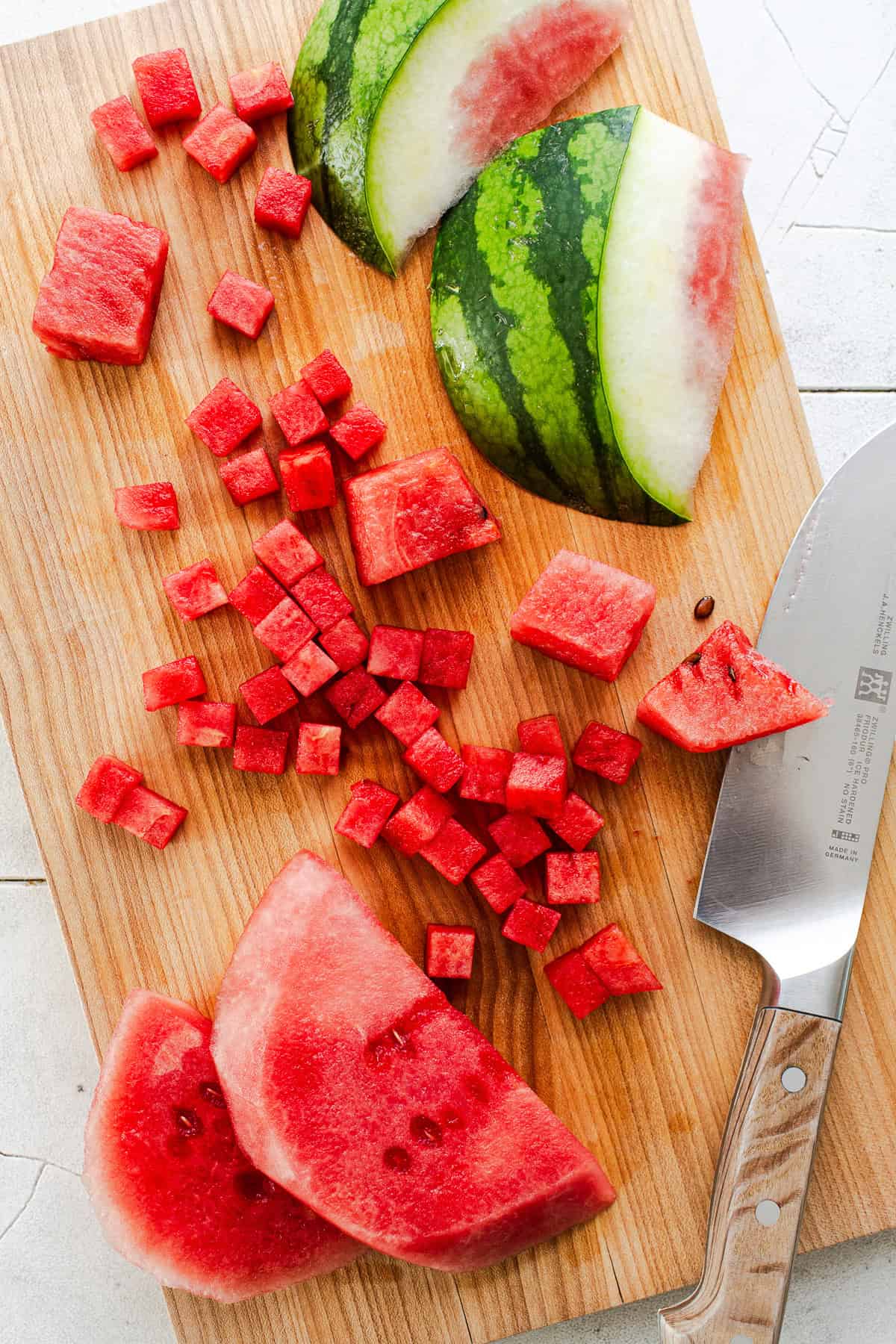
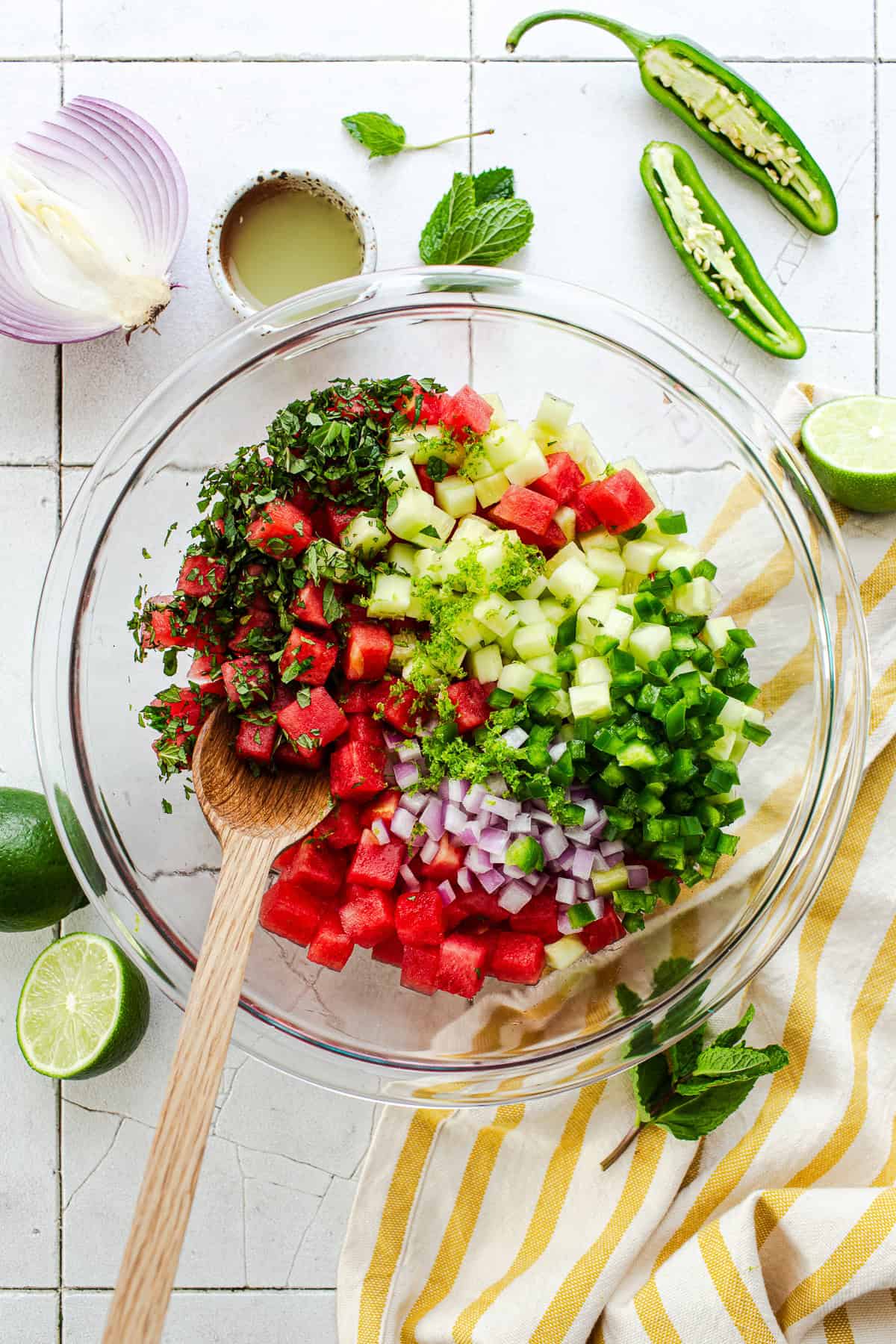
- Dicing Consistency: Uniformity is paramount. All ingredients, including the watermelon and cucumber, should be diced to a consistent 1/4-inch size to ensure that every bite contains a balanced ratio of flavors.
- Heat Control: The jalapeño should be treated as a variable ingredient. For those seeking a milder profile, the membranes and seeds must be removed entirely. Conversely, for a more robust flavor profile, a portion of the seeds may be retained.
- The Role of Aromatics: Fresh mint is the preferred herb for this preparation due to its cooling menthol properties, which complement the watermelon. However, data suggests that cilantro is a viable, and popular, substitute for those seeking a more traditional, savory "pico de gallo" flavor profile.
- Storage Limitations: While the salsa can be kept in an airtight container for up to 72 hours, its optimal state is within the first four hours of preparation. Beyond this window, the degradation of the fruit’s structure is inevitable, regardless of storage conditions.
Broadening the Scope: Serving Suggestions
The versatility of watermelon salsa has expanded its application beyond the traditional tortilla chip. Culinary analysis of the 2026 summer dining season reveals that this preparation is frequently being utilized as a topping for grilled proteins, particularly white fish, shrimp, and lean pork. The acidity and sweetness of the salsa provide a necessary contrast to the charred, smoky notes produced by high-heat grilling.
Furthermore, the dish has gained traction as a side item for outdoor catering events. Because it requires no heat to prepare and relies on fresh, room-temperature or chilled ingredients, it mitigates the food safety risks associated with dairy or egg-based sides in hot environments.
Final Assessment
The rise of watermelon salsa is more than a fleeting internet trend; it is a logical response to the evolving needs of the modern consumer. By balancing simple, affordable ingredients with precise preparation techniques, the dish offers a sophisticated profile that belies its simplicity. As food scientists continue to study the intersection of flavor chemistry and consumer health, it is likely that such preparations—which prioritize hydration and fresh, whole-food ingredients—will remain a permanent fixture in the seasonal culinary canon. Whether served as an appetizer or a complex garnish, the watermelon salsa stands as a testament to the effectiveness of simple, ingredient-focused cooking in a high-demand market.
Related posts: