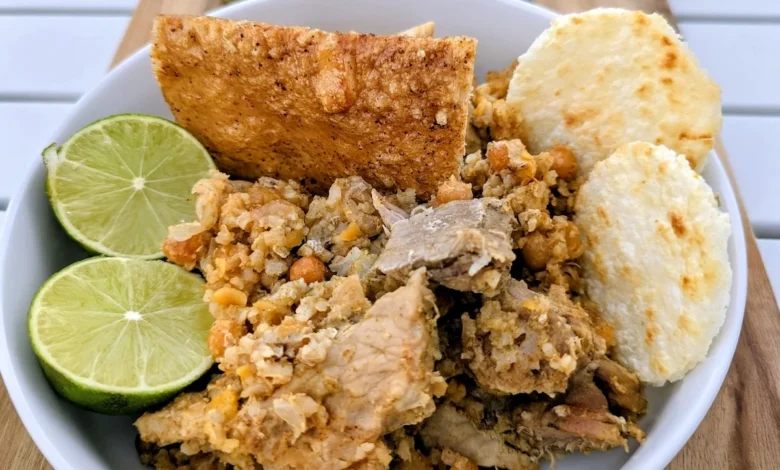
Lechona Tolimense, a cornerstone of Colombian gastronomy, is more than just a traditional dish; it is a cultural emblem, deeply woven into the fabric of celebrations and family gatherings, particularly in the Tolima department from which it hails. This elaborate preparation, featuring a whole roasted pig meticulously stuffed and slow-cooked, embodies a rich culinary heritage that continues to captivate palates and preserve ancestral traditions. While the full-scale preparation is a feat typically reserved for grand festivities, a more accessible, scaled-down version, utilizing pork skin and a flavorful rice and pea filling, allows home cooks to partake in this iconic dish.
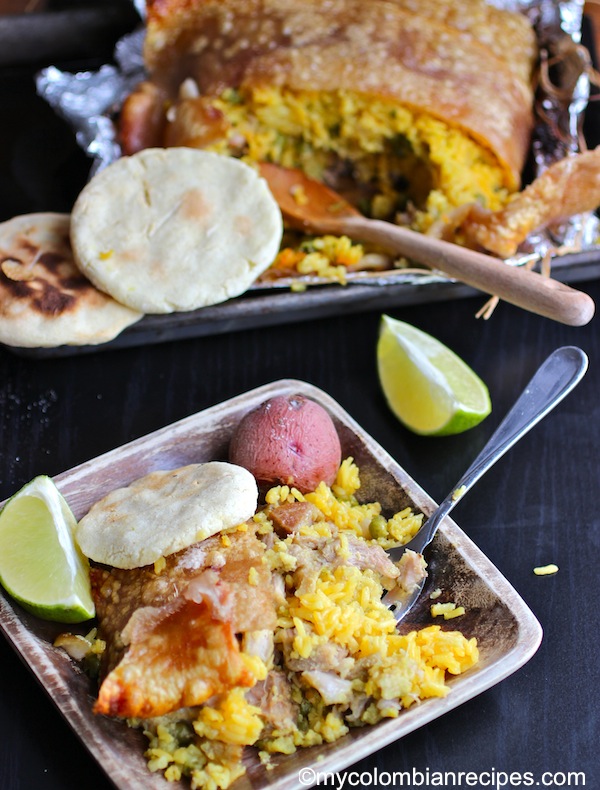
The essence of Lechona Tolimense lies in its meticulous preparation and the symphony of flavors it offers. Traditionally, a whole pig is hollowed out and then generously filled with a savory mixture of rice, peas, and a robust blend of spices. The cooking process is a testament to patience and culinary dedication, with the stuffed pork slow-roasting for an extended period, often between ten to twelve hours, in a brick oven. This extended cooking time is crucial for rendering the pork succulent while achieving the signature crispy skin, a highly prized element of the dish. The resulting culinary masterpiece is a harmonious balance of tender, flavorful meat and aromatic rice, all encased in a crackling, golden-brown exterior.

While the traditional method involves a whole hog, a testament to its communal nature, the recipe has evolved to accommodate smaller gatherings and home kitchens. This adaptation typically involves using the pork skin to create a delectable parcel, filled with a seasoned rice and pea mixture, and then baked to perfection. This approach ensures that the essential flavors and textures of Lechona Tolimense can be recreated without the logistical challenges of preparing an entire pig.
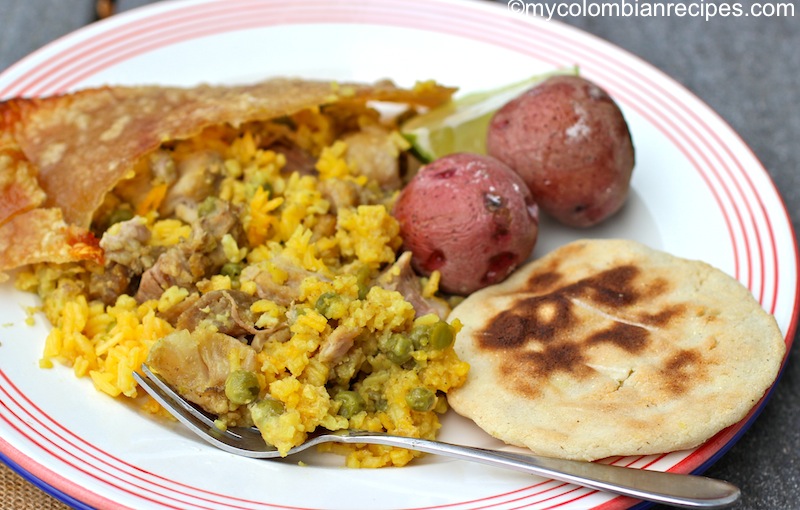
The origins of Lechona Tolimense are firmly rooted in the department of Tolima, a region in Colombia known for its rich agricultural landscape and vibrant culinary traditions. The dish is believed to have emerged as a celebratory meal, likely evolving from the practice of roasting whole pigs for significant events. Over time, the addition of rice and peas became a defining characteristic, transforming it into the celebrated dish it is today. While regional variations exist, with some purists omitting rice entirely, the inclusion of rice is widely embraced and enjoyed, adding another layer of texture and substance to the filling. This culinary debate, between rice-inclusive and rice-free versions, highlights the dish’s dynamic nature and the personal preferences that shape its preparation across different households and regions.

The ingredients that form the soul of Lechona Tolimense are fundamental to its distinct character. At its core is the pork, with various cuts like pork loin roast, pork butt, or pork shoulder offering versatile options for the filling. The accompanying vegetables, primarily scallions and garlic, form the base of a potent marinade, infusing the meat with aromatic depth. The spice profile is equally critical, featuring the earthy warmth of ground cumin, the vibrant color and subtle flavor of achiote, and the essential elements of salt and pepper, which season and enhance every component.

Peas play a vital role in the stuffing, with traditional recipes often calling for yellow peas, though green peas are a readily available and equally delicious substitute. The pork skin itself is an indispensable ingredient, serving as the culinary envelope that holds the flavorful filling together. Sourcing quality pork skin, often found in Latin American markets or available from local butchers, is key to achieving the desired crispy texture. To further enrich the filling and ensure a moist outcome, pork fat is utilized. While some opt to render their own from pork belly, lard serves as a convenient alternative. Finally, long-grain rice is the preferred choice for the stuffing, providing a light and fluffy base that absorbs the savory flavors beautifully.

The personal connection to this dish is often profound, as it is for many who grew up with its presence at significant family occasions. For many, like the author of the original text, Lechona Tolimense evokes cherished memories of childhood celebrations, particularly Noche Buena (Christmas Eve) and New Year’s Eve. The anticipation of the crispy skin, a hallmark of a perfectly prepared lechona, was a source of immense joy. The passing of loved ones, such as a beloved grandmother, often amplifies the sentimental value of these culinary traditions, transforming a dish into a tangible link to cherished memories and familial bonds.
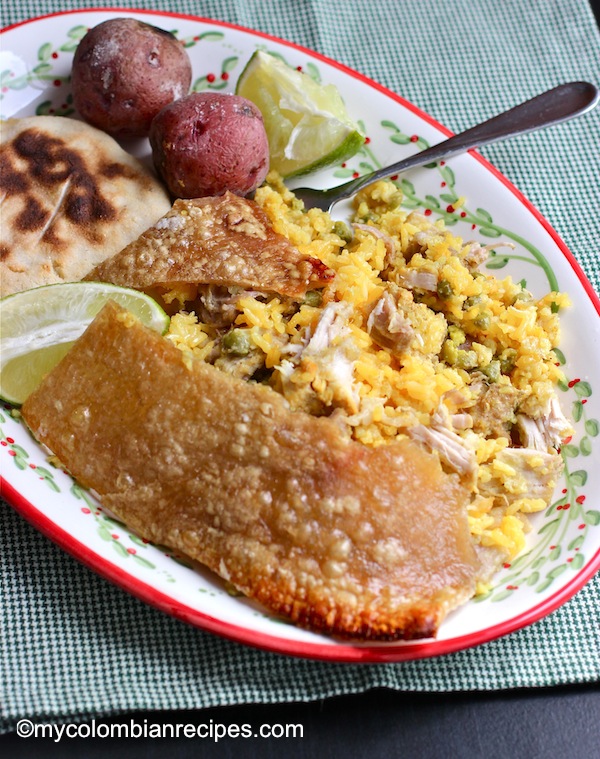
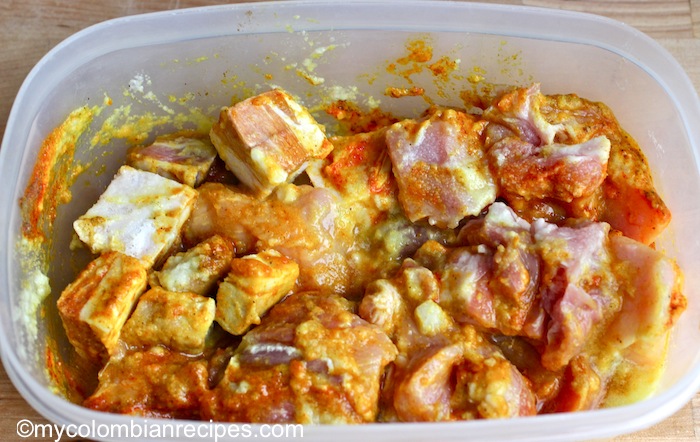
The preparation of Lechona Tolimense, even in its scaled-down home version, is a multi-step process that requires advance planning. The marinade, a flavorful blend of scallions, garlic, salt, pepper, ground cumin, and achiote, is typically prepared the day before. This allows the spices and aromatics to meld, creating a more intense flavor profile for the pork. The following day, the cooked rice is combined with pork fat, additional spices, peas, the reserved marinade, salt, and pepper, forming the hearty stuffing.
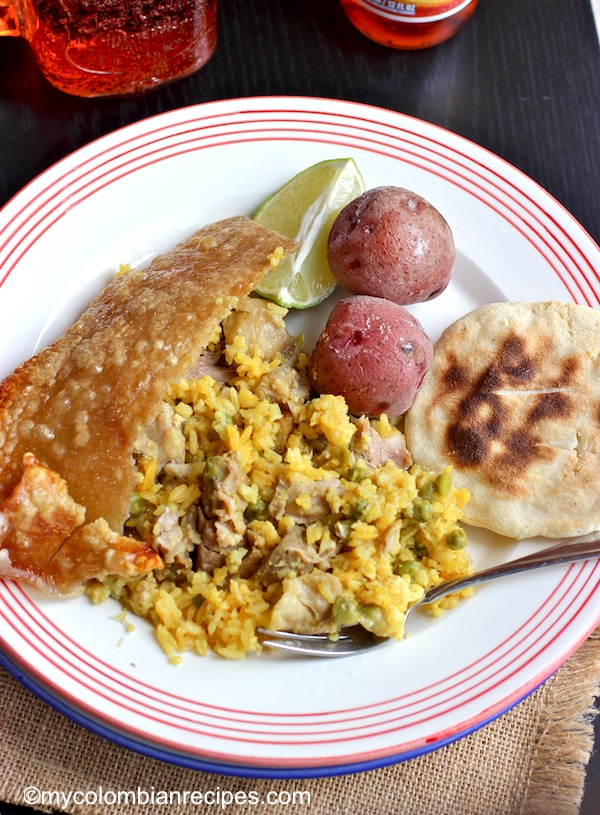
The assembly of the dish is a carefully orchestrated process. The pork skin, after being rinsed and thoroughly dried, is seasoned on both sides before being laid out on a baking sheet or pan lined with foil. The prepared rice and pork mixture is then spread evenly over the skin. Finally, the pork meat, marinated and ready, is layered on top of the rice filling. The key to achieving the characteristic shape and texture of lechona is the careful rolling of the pork skin to enclose the filling completely. This is then secured with kitchen string and covered with aluminum foil for initial baking.
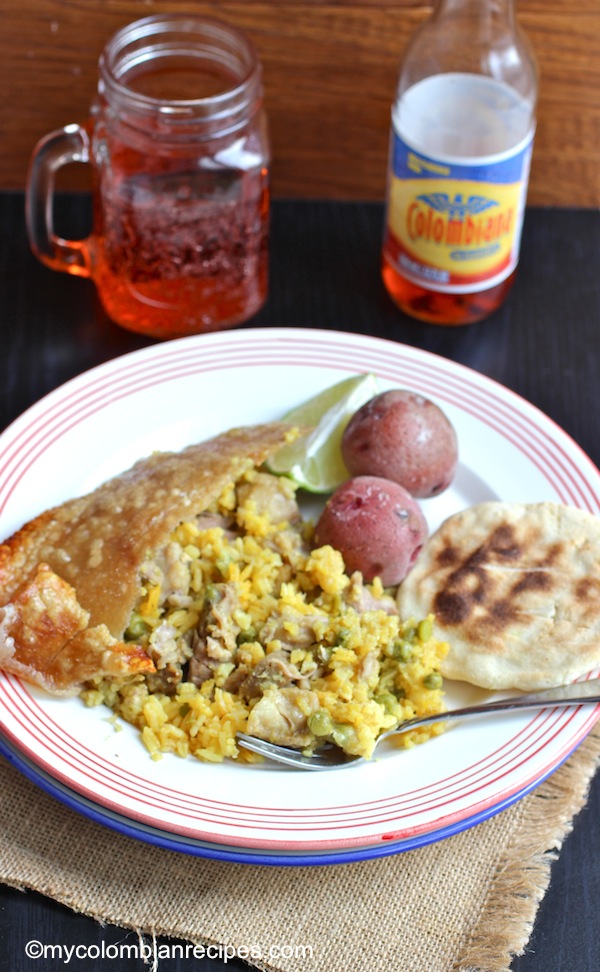
The cooking process involves an initial period of covered baking, followed by uncovering the dish to allow the pork skin to achieve its signature crispiness. The exact temperature and duration can vary depending on the oven and the size of the lechona, but patience is rewarded with a golden, crackling exterior. After baking, it’s recommended to let the lechona rest for about 20 minutes before serving, allowing the flavors to settle and the juices to redistribute.
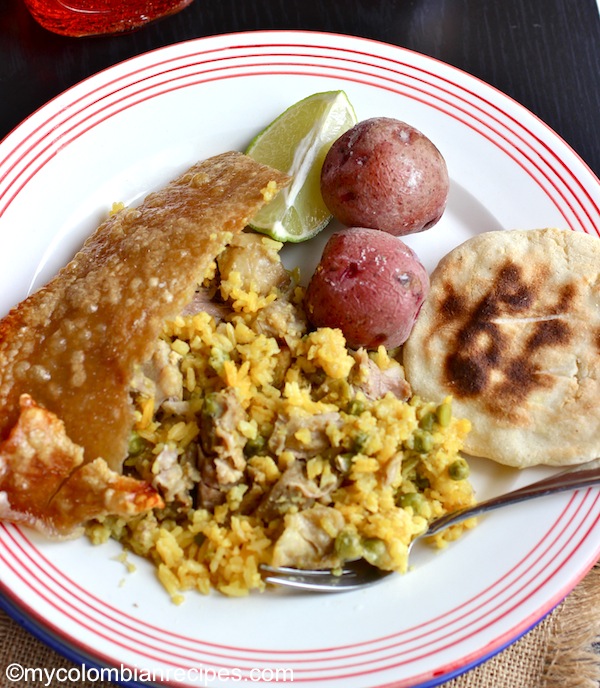
Lechona Tolimense is not typically served in isolation; it is a centerpiece meant to be enjoyed with a selection of complementary Colombian side dishes. Traditional accompaniments include Papa Salada (salted potato), which offers a simple yet satisfying starch; Colombian Arepas, a versatile corn-based bread that soaks up the rich flavors; and Refajo, a refreshing beer cocktail that cuts through the richness of the pork. For those who enjoy a bit of heat, Ají Picante, a Colombian hot sauce, provides a flavorful kick.
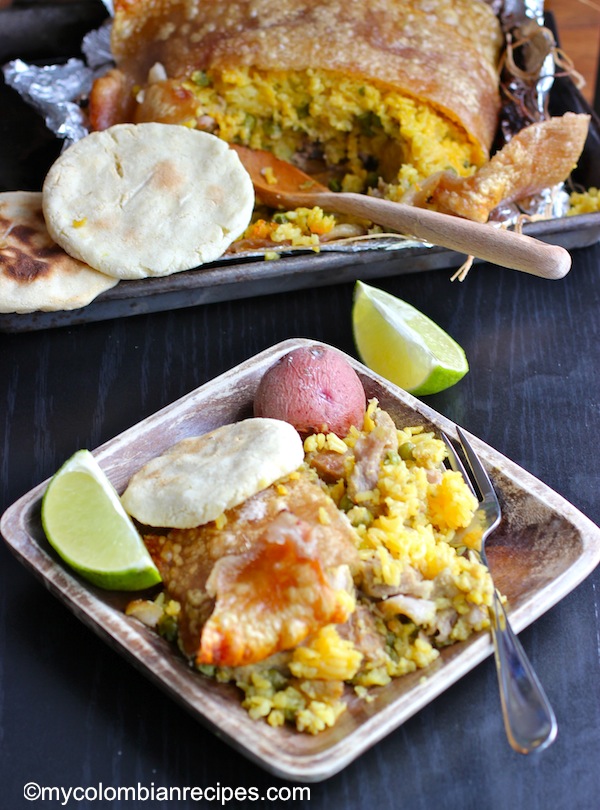
The culinary significance of Lechona Tolimense extends beyond its immediate appeal as a festive dish. It represents a deep connection to Colombian heritage, a way of preserving cultural identity through food. The detailed preparation, passed down through generations, ensures that the traditional methods and flavors are not lost. In a broader context, such iconic dishes serve as ambassadors of a nation’s culture, introducing its unique culinary landscape to the world. The enduring popularity of Lechona Tolimense speaks to its ability to transcend time and generations, remaining a beloved symbol of Colombian hospitality and culinary artistry.
The preparation of Lechona Tolimense, even for a home cook, is a journey that requires dedication and a love for traditional flavors. While the original preparation of a whole pig in a brick oven is a monumental undertaking, the adapted recipe offers a gateway to experiencing this iconic dish. The critical elements remain the same: the succulent marinated pork, the savory rice and pea filling, and, of course, the coveted crispy pork skin. This culinary tradition, deeply embedded in Colombian family life, continues to bring people together, fostering a sense of community and shared heritage with every delicious bite.
Related posts: