The culinary landscape is constantly evolving, with new ingredients and techniques emerging to tantalize taste buds. Among the most exciting developments is the rise of artisanal salsas, crafted with unique chili peppers that offer complex flavor profiles beyond the everyday. One such creation that has garnered significant attention is a wickedly delicious salsa, renowned for its intense heat and deep, smoky notes, primarily attributed to the star ingredient: the Morita chile. This article delves into the intricacies of this fiery condiment, exploring its origins, preparation, and the culinary impact of the Morita chile.
The Genesis of a Flavor Bomb: Understanding the Morita Chile
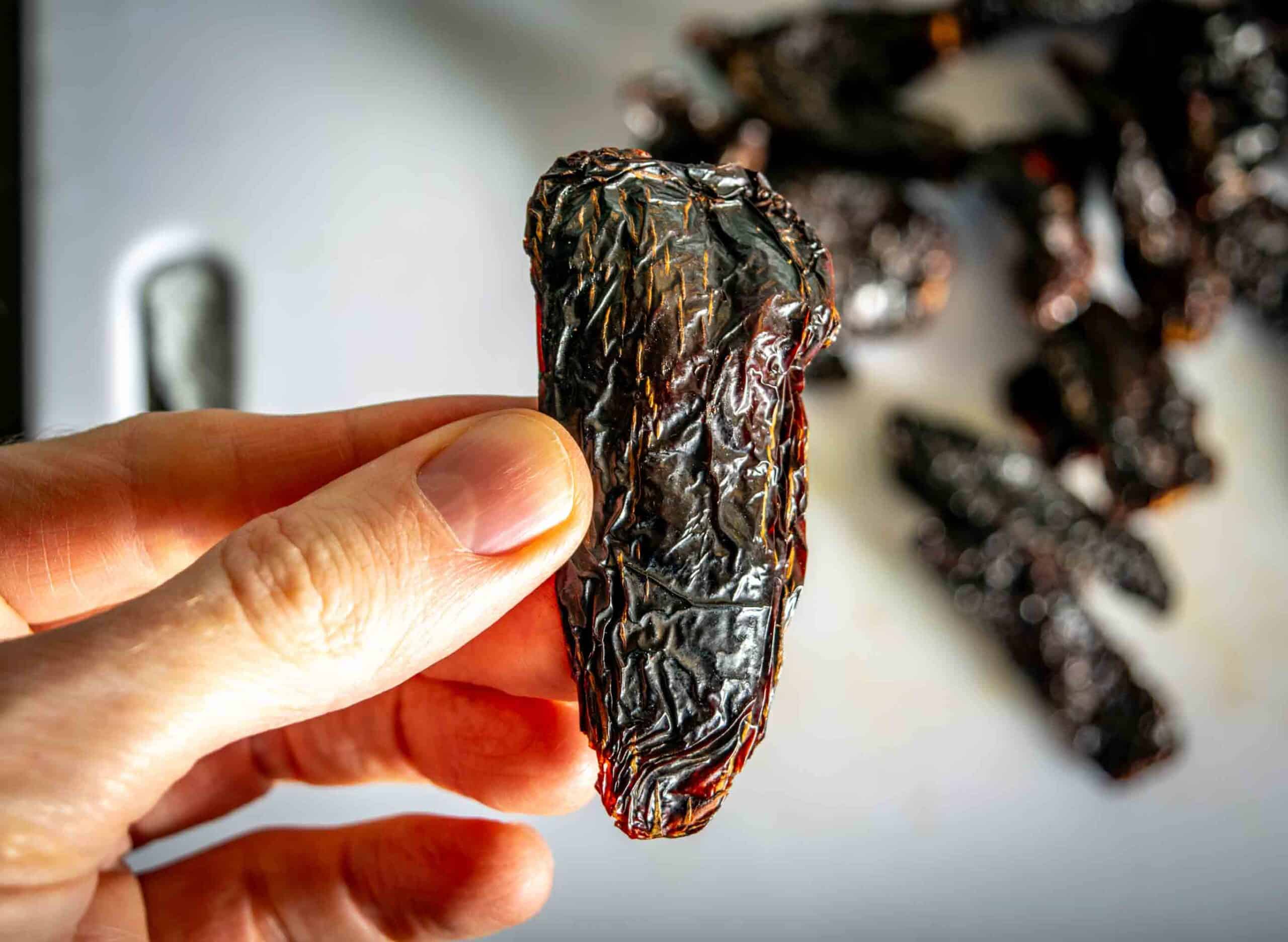
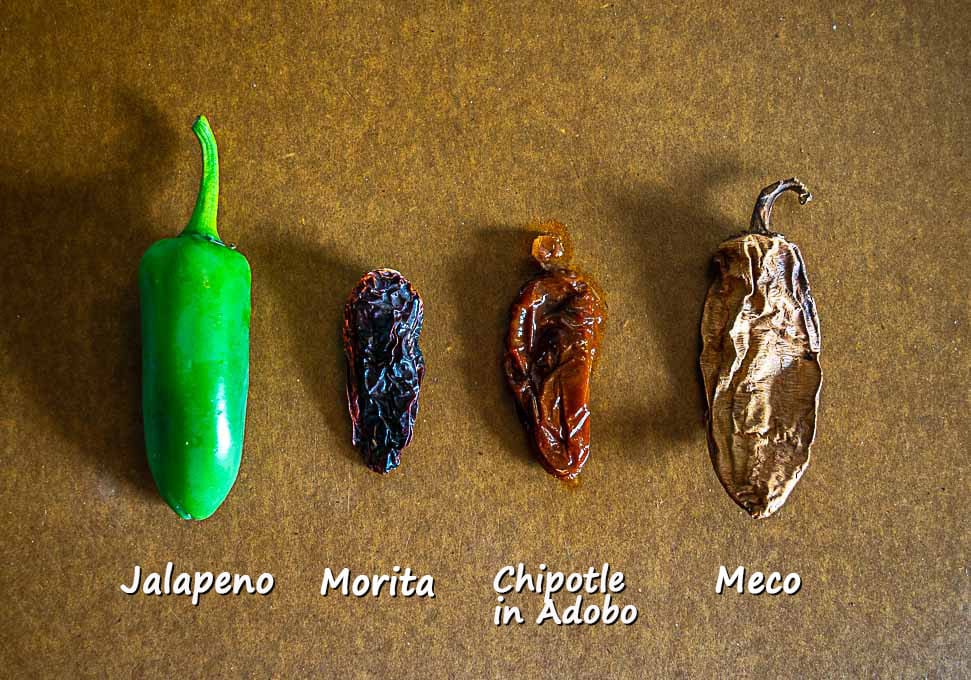
At the heart of this exceptional salsa lies the Morita chile, a dried pepper that, while relatively obscure to some, plays a pivotal role in authentic Mexican cuisine. Often mistakenly identified or conflated with other dried chiles, the Morita has a distinct lineage and character. These small, dark red peppers are essentially a fully ripened jalapeño that has undergone a smoking and dehydration process. The transformation from a fresh, green jalapeño to a dried, smoky Morita imbues it with a unique set of attributes.
The term "Morita" itself hints at its ripening process; the Spanish word "morado" means purple or dark, referring to the deep hue achieved during maturation. When a jalapeño is left on the vine to fully ripen, it turns red. This red jalapeño is then subjected to a smoking process, similar to that used for chipotles, followed by dehydration. This dual treatment results in a chile that is not only visually striking but also possesses a complex flavor profile characterized by a rich smokiness and a potent, lingering heat. Some sources may refer to them as "Chipotle Morita chiles," highlighting their shared smoky heritage with the more widely known chipotle, yet distinct in their specific preparation and resulting flavor.
The Morita chile’s contribution to salsa is profound. It acts as a flavor amplifier, transforming a standard salsa into what is often described as a "flavorbomb." Its inherent smokiness provides a sophisticated depth, while its inherent heat delivers a satisfying kick that can be adjusted to individual preferences.
The Culinary Journey: Crafting the Morita Chile Salsa
The creation of this Morita chile salsa is a testament to the importance of proper preparation techniques in unlocking the full potential of ingredients. The process begins with the chiles themselves. A crucial step, consistently emphasized by culinary experts and enthusiasts alike, is the roasting of the dried Morita chiles. This process is not merely a suggestion but a vital element in enhancing their inherent flavors.
Roasting the Chiles: Awakening the Flavors
Roasting dried chiles serves to "wake them up," intensifying their aroma and flavor. This can be achieved through several methods, with oven roasting being a popular and effective choice. Typically, the chiles are placed in an oven at a moderate temperature for a few minutes until they become fragrant and slightly pliable. Pan-roasting is another viable option, requiring careful attention to prevent burning.
Following roasting, the chiles are rehydrated. This is usually done by submerging them in hot tap water. This soaking process not only softens the chiles, making them easier to grind or blend, but also helps to infuse their flavor into the liquid, which can then be incorporated into the salsa. For those new to working with dried chiles, comprehensive guides on roasting and rehydrating are readily available, offering detailed insights into optimizing this critical stage.
The Base: Tomatoes and Tomatillos
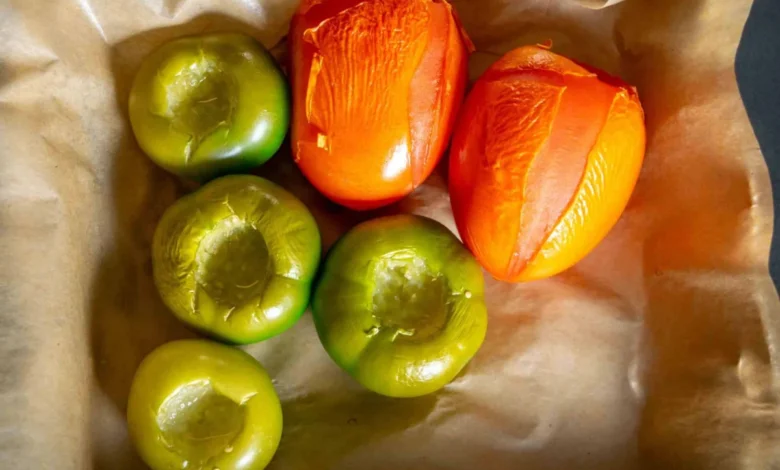
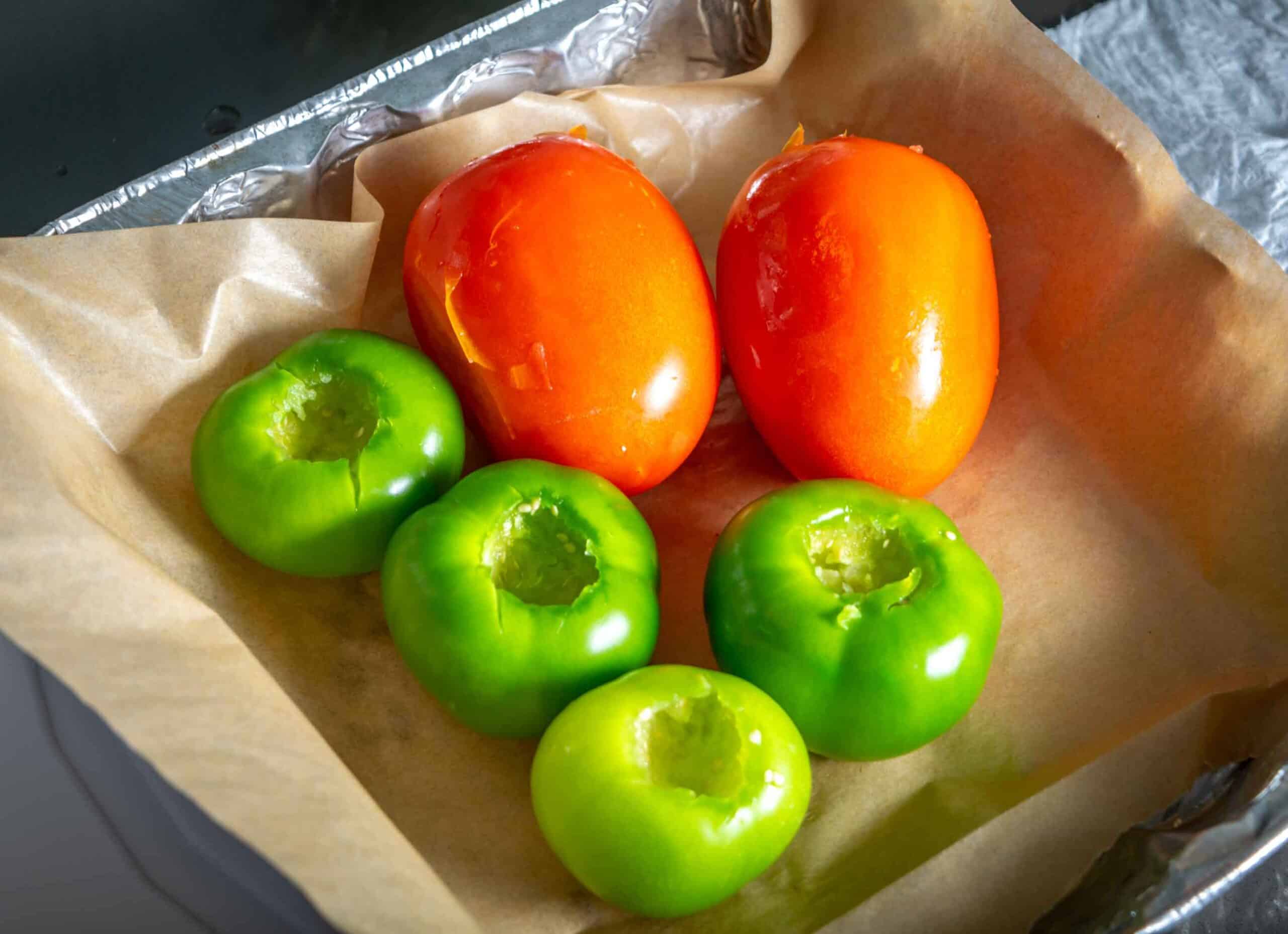
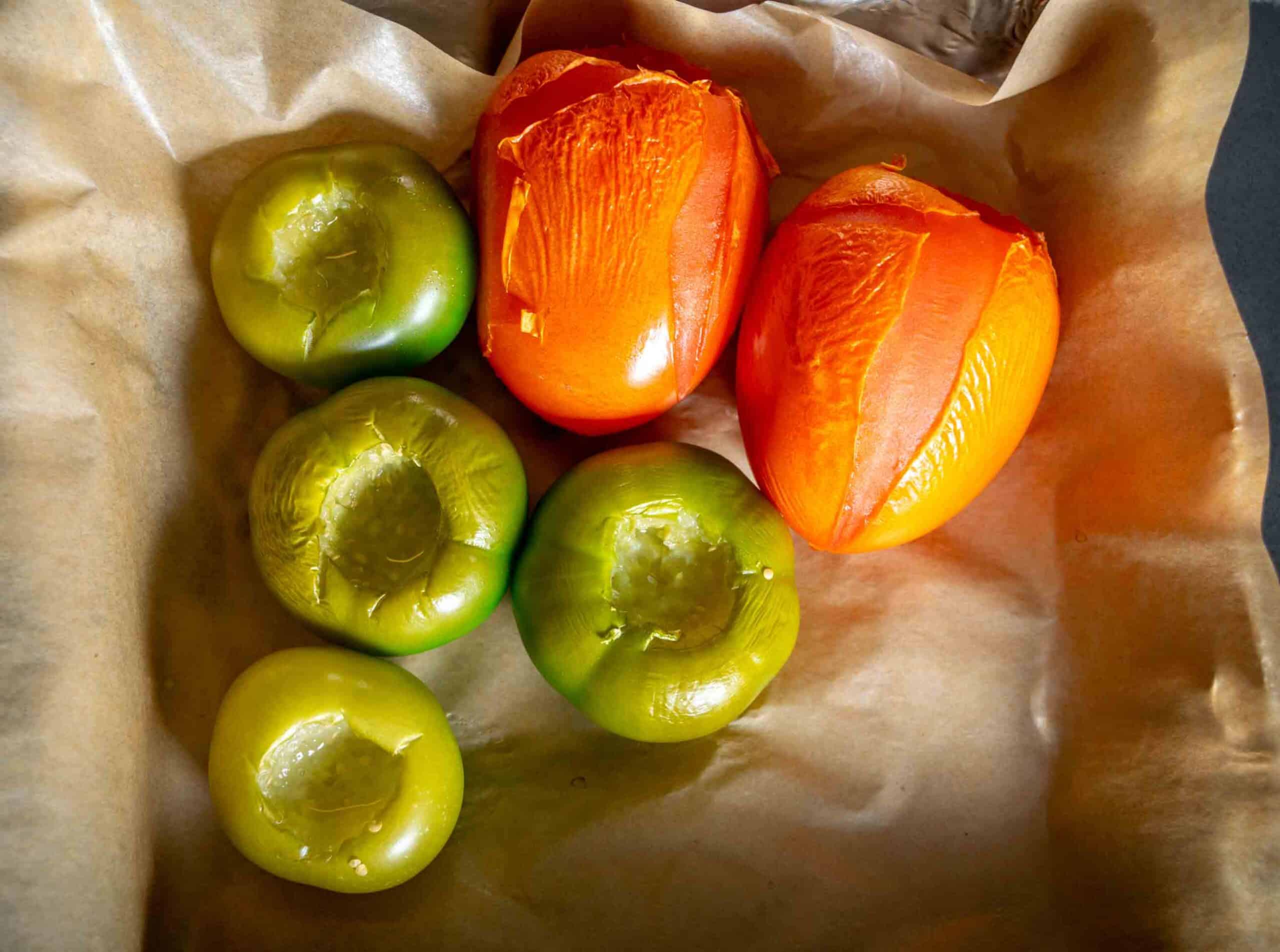
The foundation of this salsa is built upon a combination of tomatoes and tomatillos. These fresh ingredients, much like the chiles, benefit immensely from a roasting process. Roasting tomatoes and tomatillos caramelizes their natural sugars, deepening their flavor and adding a subtle sweetness that balances the heat of the chiles.
The roasting time for tomatoes and tomatillos can vary, but a general guideline is 20-30 minutes in an oven preheated to 400°F (200°C). Tomatillos, being smaller and more delicate, often require slightly less time than larger tomatoes. The visual cue for doneness is when the skins begin to char and the fruits soften. Various roasting methods exist, including broiling, which can impart a more intense char, but oven roasting is often preferred for its consistency and control. The choice of roasting method can significantly influence the final flavor profile of the salsa.
Assembling the Flavor Profile: Ingredients and Proportions
The precise combination of ingredients is key to achieving the desired balance of flavors. A typical recipe for this Morita chile salsa might include:
- 2 Roma Tomatoes: Providing a sweet and acidic base.
- 4 Tomatillos: Contributing a tangy, citrus-like brightness.
- 1/2 Small Onion: Offering a pungent and aromatic foundation.
- 1 Garlic Clove: Adding a sharp, savory note.
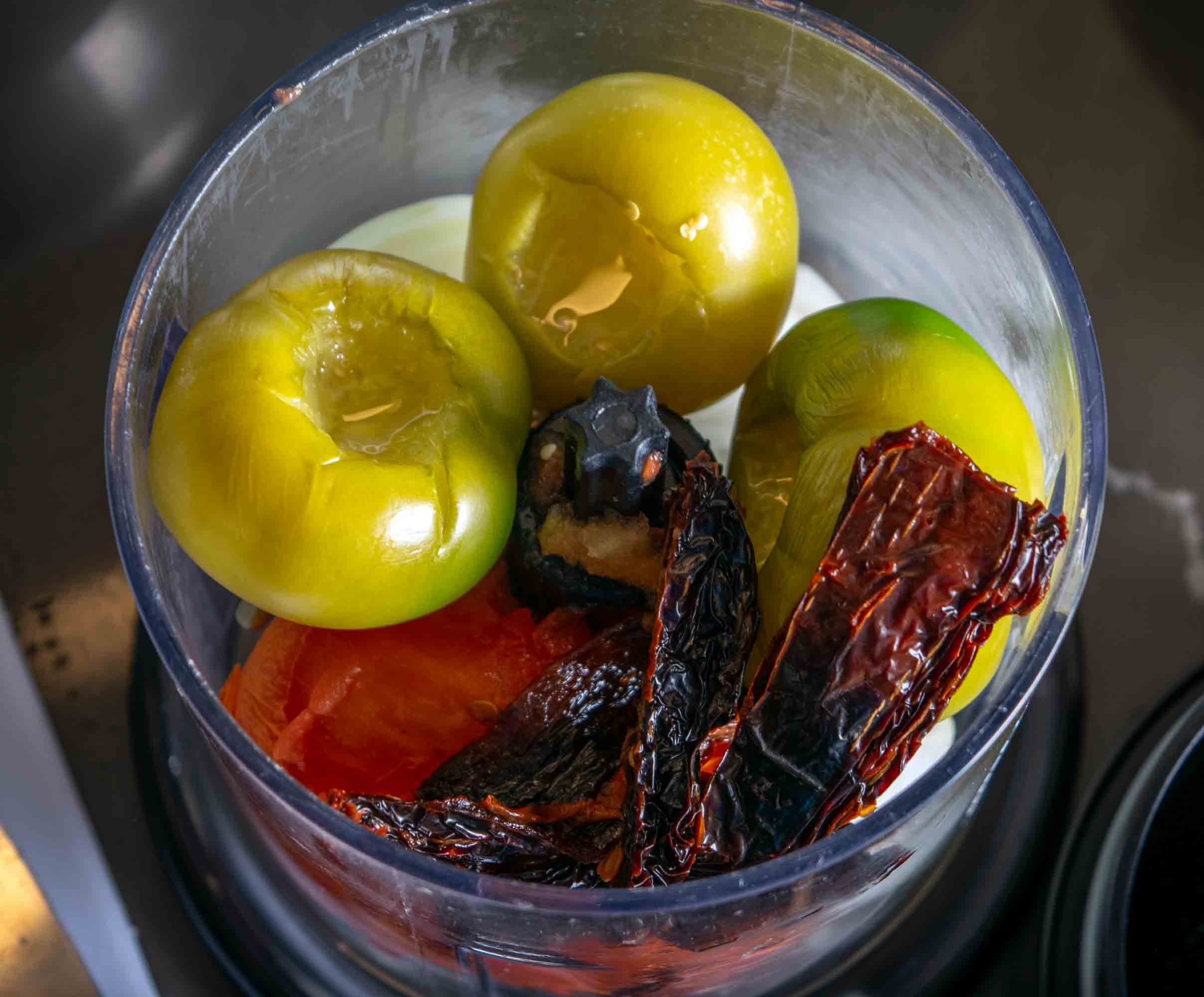
- 2 Morita Chiles: The primary source of smoky heat.
It is important to note that the quantity of Morita chiles can be adjusted to control the heat level. Two chiles generally produce a salsa with significant spice. For a milder version, starting with just one chile, or even half of one, is recommended. The heat can then be incrementally increased by adding slivers of chile until the desired intensity is reached.
The Blending Process: Unifying the Elements
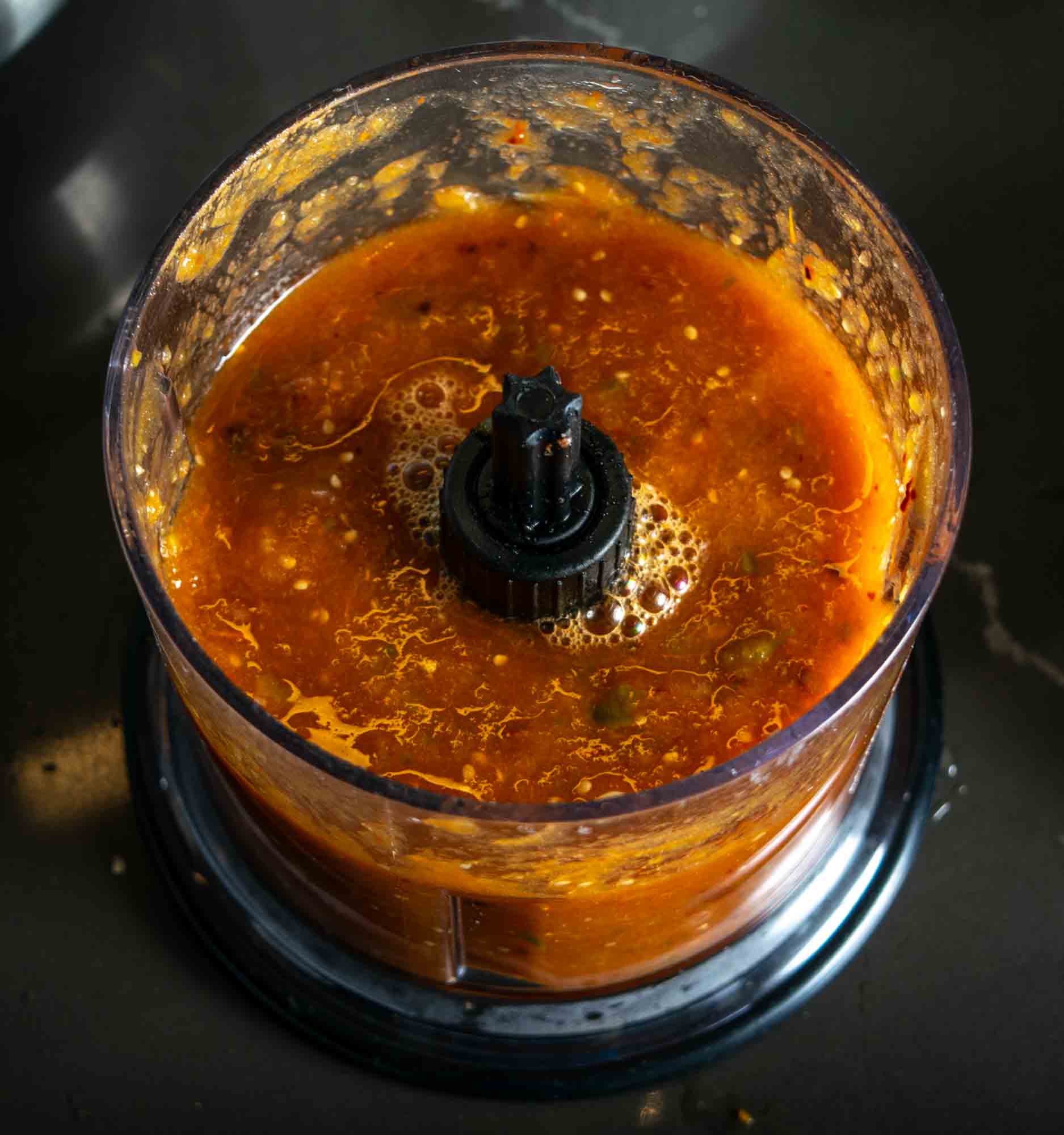
Once all the ingredients have been roasted and rehydrated (in the case of the chiles), they are combined in a blender. The blending process transforms the individual components into a cohesive salsa. The consistency can be adjusted to preference, from a smooth purée to a chunkier texture. The resulting salsa, vibrant in color and rich in aroma, is then ready for tasting and potential seasoning adjustments.
The Impact of Morita Chile Salsa on the Culinary Scene
The emergence of salsas like this Morita chile creation signifies a broader trend in the culinary world: an increasing appreciation for nuanced flavors and the exploration of less common ingredients. This salsa is more than just a condiment; it’s a statement piece that can elevate a wide range of dishes.
Versatility in Application
The versatility of Morita chile salsa is one of its most compelling attributes. While it is undeniably delicious served with classic tortilla chips, its applications extend far beyond a simple appetizer. It can serve as the primary salsa for a variety of Mexican staples, including:
- Bean Tostadas: Providing a spicy counterpoint to creamy beans and fresh toppings.
- Breakfast Tacos: Adding a bold flavor kick to morning meals.
- Chicken Burritos: Infusing a smoky depth into the hearty filling.
Beyond these specific examples, its robust flavor profile makes it an excellent addition to sandwiches, a marinade for meats, or even as a flavor enhancer for eggs. The possibilities are virtually endless, encouraging culinary creativity and experimentation.
The Broader Implications for Food Culture
The popularity of Morita chile salsa and similar artisanal condiments reflects a growing consumer interest in authentic flavors and homemade preparations. As consumers become more discerning about their food choices, there is a greater demand for products that offer distinct taste experiences and tell a story about their origins. The Morita chile, with its specific history and flavor profile, embodies this trend.
The accessibility of ingredients like Morita chiles has also increased. While traditionally found in Hispanic markets, they are now more readily available in larger grocery stores and online retailers, such as Amazon. This accessibility democratizes the creation of authentic Mexican cuisine, allowing home cooks to explore a wider range of flavors and techniques.
Expert Opinions and Market Trends
Culinary professionals and food critics have noted the increasing sophistication of the salsa market. The demand for heat, complexity, and unique flavor profiles continues to drive innovation. Salsas featuring ingredients like Morita chiles are no longer niche products but are becoming integral components of modern gastronomy. This shift signifies a move away from generic, mass-produced condiments towards handcrafted products that offer a more authentic and engaging culinary experience.
The increasing emphasis on provenance and ingredient quality in the food industry further bolsters the appeal of salsas like this one. Consumers are seeking to understand where their food comes from and how it is prepared, and the story behind the Morita chile – its transformation from a common jalapeño to a smoky, spicy delight – adds a layer of narrative to the culinary experience.
Conclusion: A Fiery Invitation to Explore
The Morita chile salsa stands as a compelling example of how a single ingredient, when treated with respect and culinary expertise, can create a product of extraordinary depth and flavor. Its intense heat, coupled with its signature smokiness, makes it a standout condiment that can transform ordinary meals into memorable culinary events. The preparation process, emphasizing the crucial steps of roasting and rehydrating, underscores the importance of technique in unlocking the full potential of ingredients. As the culinary landscape continues to embrace authenticity and unique flavor profiles, the Morita chile salsa is poised to remain a beloved and versatile addition to kitchens worldwide, inviting enthusiasts to embark on a fiery journey of taste and discovery.
Related posts: