The preparation of authentic Mexican carnitas, a dish renowned for its succulent pork and crispy edges, is often perceived as a time-consuming endeavor. However, recent culinary insights highlight a surprisingly accessible method that can transform a weekend meal into a genuine crowd-pleaser, even for the busiest home cooks. This approach emphasizes a critical, yet often overlooked, step: brining the pork.
The Science of Succulence: The Power of Brining
Traditional carnitas preparation historically involved submerging pork in copious amounts of lard. While this method undoubtedly contributes to the dish’s signature moisture and rich flavor, the sheer volume of lard required can be impractical for many modern kitchens. Fortunately, a more contemporary and equally effective technique has emerged: brining.
Brining, a process where meat is soaked in a saltwater solution, is not a new concept in culinary arts. Its fundamental principle is to allow the salt and water to penetrate the meat’s muscle fibers. This process enhances moisture retention during cooking and also introduces subtle flavor. For pork, the benefits are particularly pronounced. Without brining, leaner cuts of pork shoulder can risk drying out during the extended cooking period, resulting in a less satisfying texture and flavor profile.
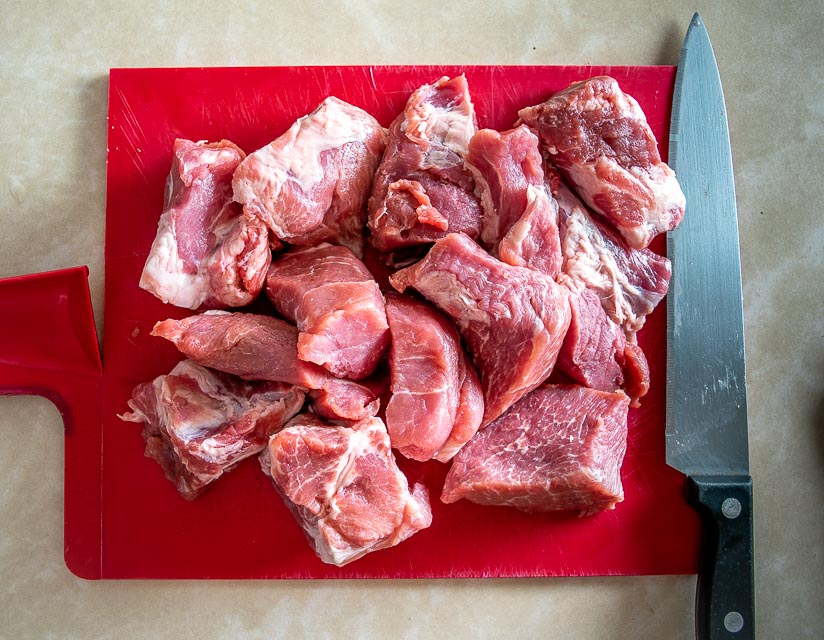
While many brining recipes call for 24-hour marination periods, a culinary revelation in this approach is the possibility of achieving remarkable results with a significantly shorter timeframe. By cutting the pork shoulder into manageable 2-inch chunks, the brining process can be condensed to as little as one hour. This reduction in time makes the technique far more approachable for spontaneous meal planning. The absorbed saltwater not only imbues the pork with added flavor but critically aids in its ability to retain moisture throughout the low-and-slow cooking process. This principle applies broadly across various meats, with lighter proteins like chicken and seafood requiring even shorter brining durations.
The Carnitas Process: From Brine to Broiler
The foundation of this simplified carnitas recipe begins with selecting approximately 2 to 2.5 pounds of pork shoulder. This cut is ideal due to its intramuscular fat content, which renders beautifully during slow cooking, contributing to both moisture and tenderness.
Step 1: The Quick Brine
To initiate the brining process, a large bowl is filled with two quarts of cold water. To this, half a cup of Kosher or sea salt is added and stirred until fully dissolved. The pork shoulder, pre-cut into 2-inch cubes, is then submerged in the saltwater solution. If the pork is not entirely covered, additional water can be added to ensure complete submersion. The bowl is then covered and refrigerated for one hour.
Step 2: Seasoning and Aromatics
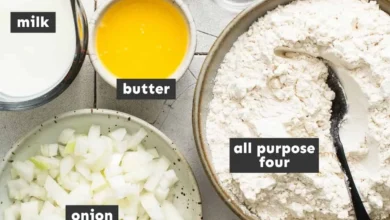
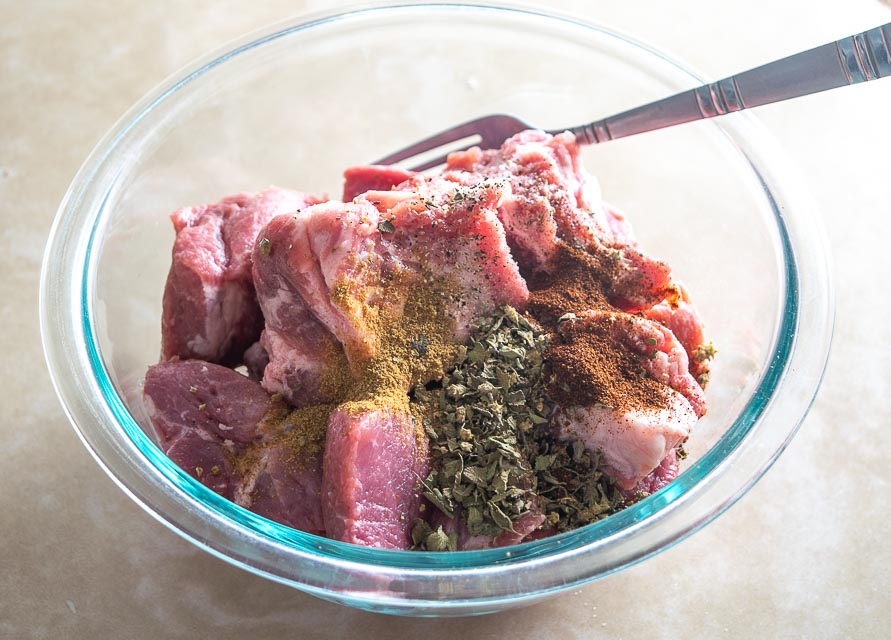
Following the brine, the pork chunks are removed and thoroughly patted dry. This is a crucial step to ensure proper searing and browning. The dried pork is then transferred to a mixing bowl and seasoned with a blend of ingredients designed to complement the rich pork flavor. These include two teaspoons of Mexican oregano, one teaspoon of cumin, half a teaspoon of chipotle powder (optional, for a touch of smoky heat), freshly cracked black pepper, and one teaspoon of salt. The addition of two to three tablespoons of olive oil helps to evenly distribute the seasonings and coat the pork.
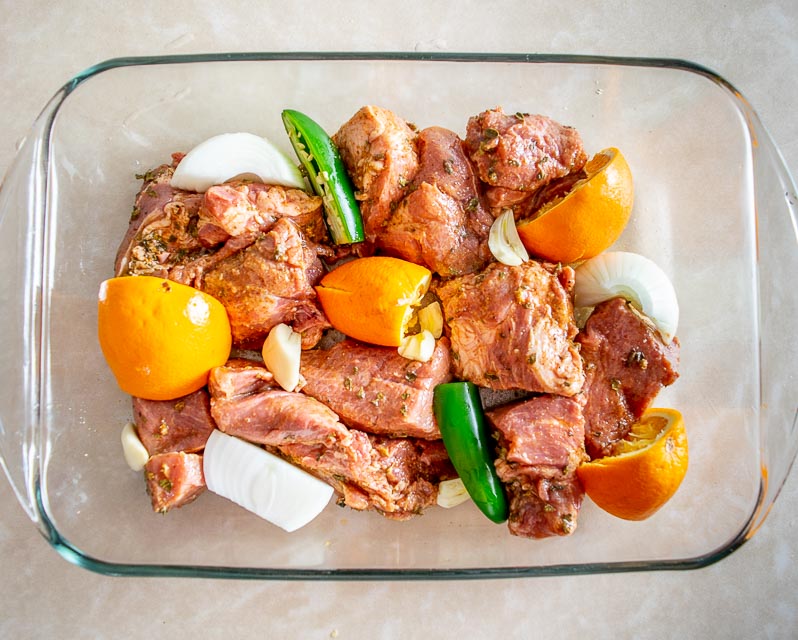
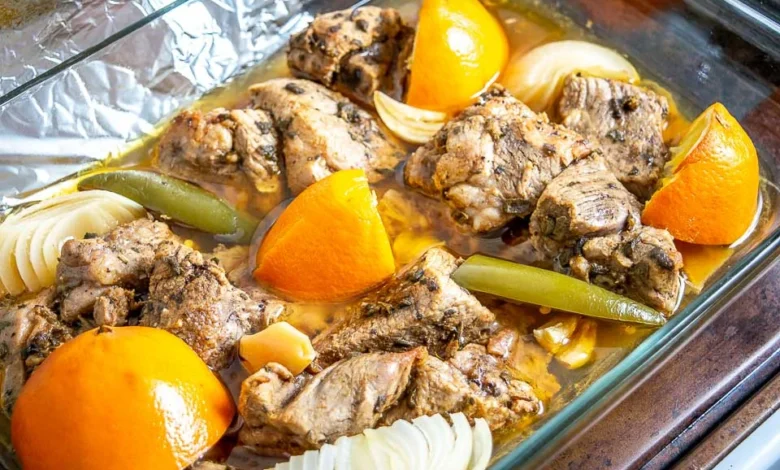
The seasoned pork is then placed into a casserole dish. The dish is further enhanced with the addition of aromatics: one whole orange, halved; half an onion, quartered; one jalapeno pepper, left whole; and four cloves of garlic, roughly chopped. The orange is typically squeezed over the pork before the segments are nestled amongst the meat.
Step 3: Slow and Low Cooking
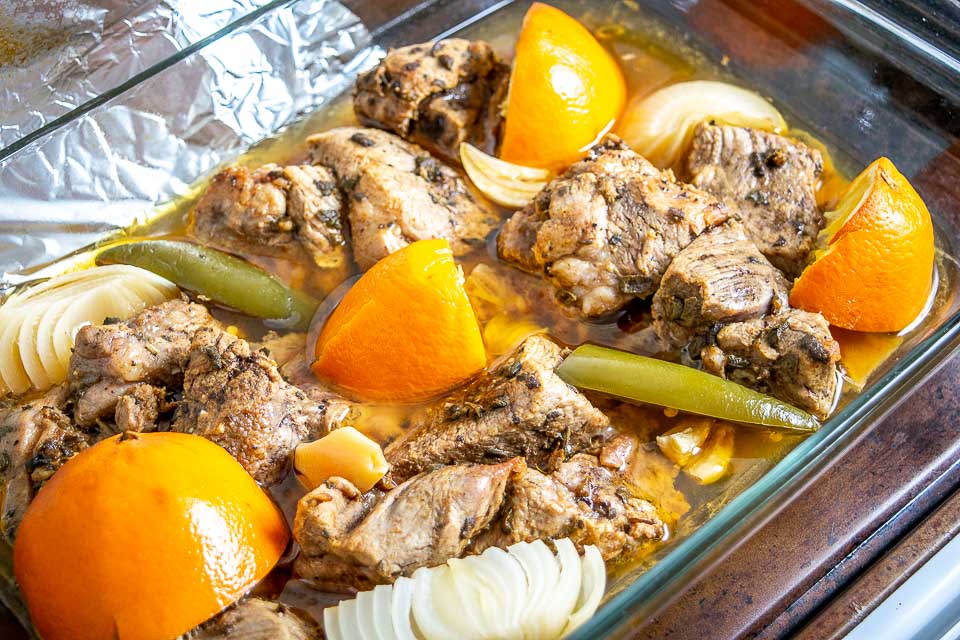
Pork shoulder thrives under low-and-slow cooking conditions. For this recipe, the casserole dish is covered tightly with foil to trap moisture and placed in a preheated oven at 300°F (150°C) for approximately three hours. The indicator of doneness is when a fork can be easily inserted into a piece of pork with minimal resistance, signifying fork-tender perfection. If the pork remains firm, an additional 30 minutes of cooking is recommended.
Unlocking the Flavor: The Resting Liquid
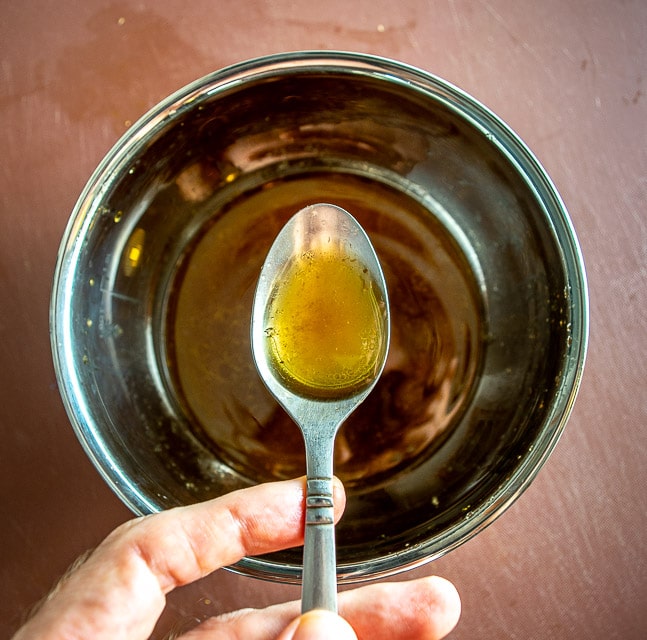
A key element of successful carnitas lies not only in the tender pork but also in the rich, flavorful resting liquid that accumulates at the bottom of the cooking dish. After the three-hour braise, this liquid is a concentrated essence of the pork, citrus, and aromatics. It should be tasted and appreciated for its complex notes of sweet citrus, savory pork, and the subtle depth from the Mexican oregano and cumin. This liquid serves as a "secret weapon," capable of rescuing any drier pieces of pork and enhancing the overall dish.
Step 4: Achieving the Crispy Finish
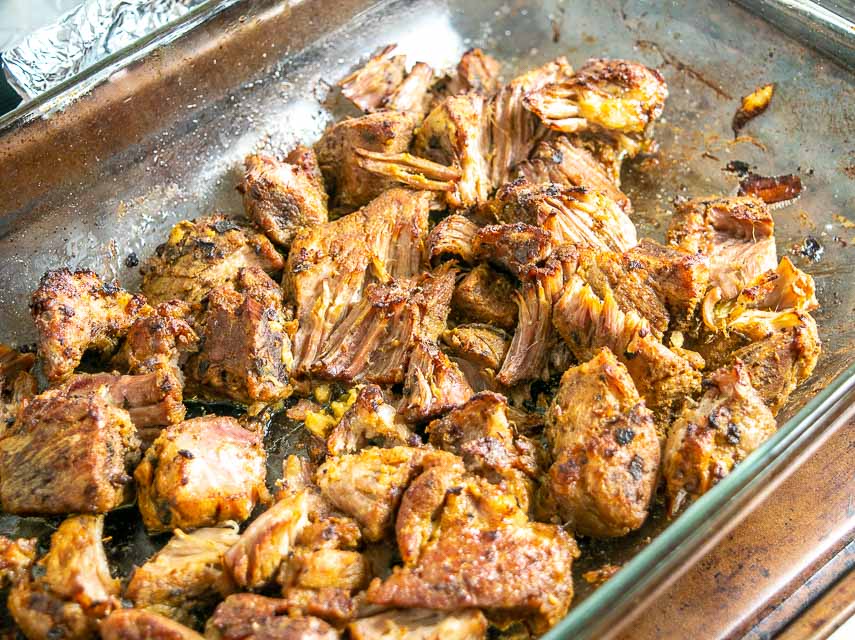
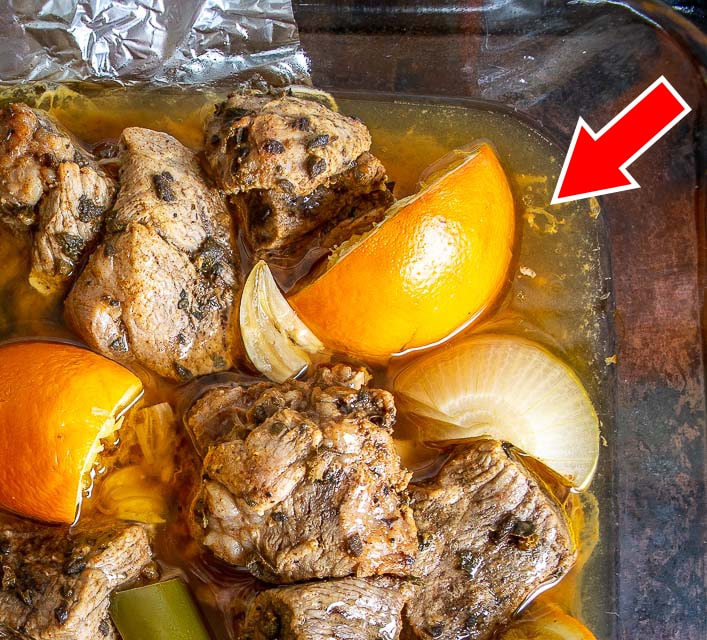
While the pork is already exceptionally flavorful and moist at this stage, traditional carnitas are finished with a crispy exterior. This is achieved by activating the broiler. Before broiling, the accumulated resting liquid is carefully separated from the pork. It is important to note that as the liquid cools, fat will rise to the surface. Drizzling some of this rendered fat back onto the pork chunks before broiling significantly aids in achieving a desirable crispness and amplifies the pork’s natural flavors.
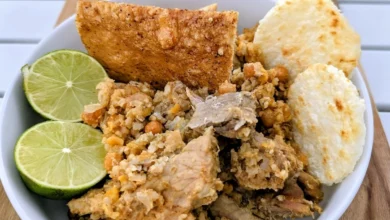
The pork is then placed under the broiler for approximately five to ten minutes, or until the edges are delightfully crisp and golden brown. The pork can be shredded with two forks or left in larger chunks, depending on preference. A semi-crispy texture, as achieved in about six to seven minutes of broiling, is often preferred by many enthusiasts.
Versatility Beyond Tacos: Culinary Applications of Carnitas
The beauty of carnitas extends far beyond its classic presentation. The tender, flavorful pork is incredibly versatile and can be incorporated into a multitude of dishes. This includes hearty burritos, vibrant bowls, crispy taquitos, and even as a savory addition to soups.
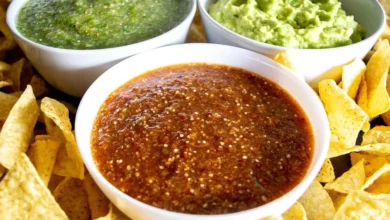
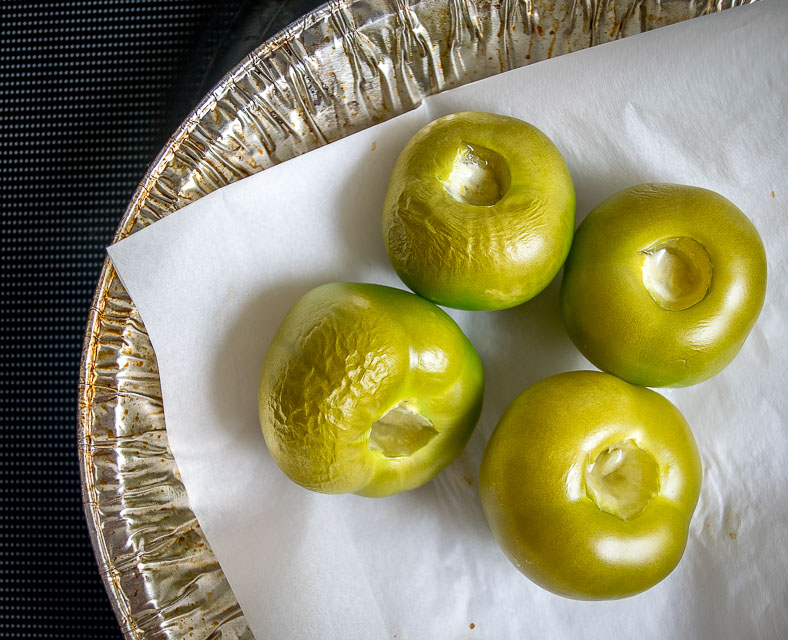
For those seeking the quintessential carnitas experience, serving them as tacos is a popular choice. This typically involves preparing a vibrant Salsa Verde to complement the richness of the pork. The salsa can be made concurrently with the pork, by roasting tomatillos in the oven during the final 20 minutes of the pork’s cooking time. These roasted tomatillos are then blended with half an onion, one garlic clove, two serrano peppers (for a pronounced heat that stands up to the carnitas), and 8-10 sprigs of cilantro. The inclusion of two serranos is a deliberate choice to create a sharp salsa that can cut through the richness of the pork, though the heat level can be adjusted by reducing the number of serranos or substituting them with milder jalapenos.
A final touch that elevates the carnitas taco experience is to lightly crisp the tortillas. A minute or two in a dry skillet over medium heat can impart a pleasant warmth and subtle crispness, enhancing the overall texture of the taco. The finished taco is typically assembled with the carnitas, salsa verde, finely chopped raw onion, and freshly chopped cilantro. While not always pictured, the addition of cheese is also a highly recommended enhancement.
A Culinary Technique for Every Kitchen
The method outlined for preparing carnitas emphasizes accessibility and exceptional results. The quick brining technique, in particular, democratizes a once-intimidating culinary process, making it achievable for home cooks of all skill levels. Even in situations where time constraints prevent a full brine, the rendered resting liquid from the slow-cooked pork can be used to revive any drier portions, ensuring a delicious outcome. This adaptability underscores the recipe’s appeal.
The journey from a humble cut of pork shoulder to a plate of perfectly rendered, crispy-edged carnitas is a testament to the power of thoughtful preparation. The brining step, though brief, is a game-changer, unlocking a level of moisture and flavor that elevates the dish. Coupled with the slow-cooking method and the final crisping under the broiler, this approach delivers a truly exceptional culinary experience, proving that authentic, craveable carnitas are well within reach for any weekend feast.
Related posts: