Oven Beef And Potato Stew

Oven Beef and Potato Stew: A Hearty, Flavorful Classic
Oven beef and potato stew represents a cornerstone of comforting, deeply satisfying cuisine. This dish leverages the slow, even heat of the oven to transform tough cuts of beef into fork-tender morsels, while coaxing out the nuanced sweetness of root vegetables. The principle behind oven stewing is simple yet profoundly effective: low and slow cooking in a covered vessel allows moisture to circulate, preventing dryness and ensuring flavors meld and deepen over time. Unlike stovetop stews, which require more vigilant stirring and temperature monitoring to avoid scorching, an oven-baked stew essentially cooks itself, freeing up the cook for other tasks or simply allowing for a more relaxed meal preparation. The robust combination of savory beef, earthy potatoes, and aromatic vegetables, all simmered in a rich broth, makes this a universally loved meal, perfect for chilly evenings or Sunday dinners. Mastering this dish involves understanding the role of each ingredient, from the selection of beef to the proper cooking time and temperature.
Selecting the Right Beef for Oven Stew
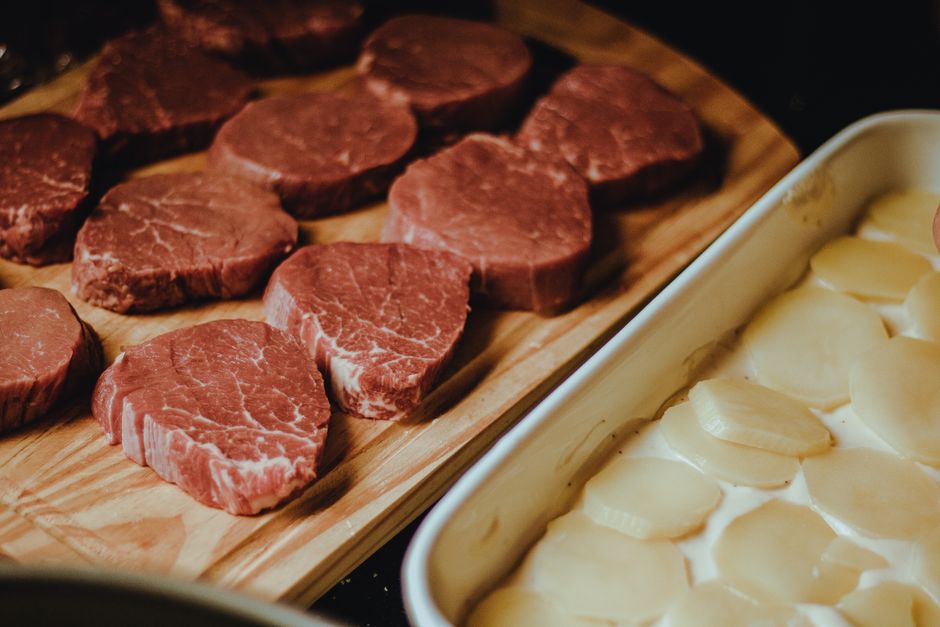
The success of an oven beef and potato stew hinges significantly on the choice of beef. Tougher, less expensive cuts are actually preferable for this cooking method. Their connective tissues, rich in collagen, break down slowly during the extended cooking period, transforming into gelatin. This gelatin not only tenderizes the meat but also contributes to the luscious, velvety texture of the stew’s broth. Ideal cuts include chuck roast, brisket, round roast, or even stew meat that is specifically cut for slow cooking. These cuts have the marbling and structure to withstand prolonged heat without becoming stringy or dry. Ribeye or sirloin, while tender and flavorful on their own, are too lean and tender for this application and would likely become tough and unappetizing after hours in the oven. When purchasing beef, look for pieces with good marbling – the fine white streaks of fat interspersed within the muscle. This intramuscular fat renders during cooking, adding moisture and enhancing the overall flavor profile of the stew. For stewing, it’s generally recommended to cut the beef into 1 to 1.5-inch cubes. This size ensures that each piece cooks through evenly and develops a tender texture without disintegrating entirely. Trimming excess fat from the beef is a matter of personal preference, but leaving a moderate amount can contribute to richness.
Prepping and Searing the Beef for Optimal Flavor
While oven stewing offers a forgiving cooking environment, a crucial step for developing deep flavor is searing the beef. This process, known as the Maillard reaction, occurs when the amino acids and sugars in the meat are exposed to high heat, creating complex, savory aromas and a rich brown crust. To sear effectively, ensure the beef cubes are thoroughly dried with paper towels. Moisture on the surface will cause the meat to steam rather than sear, hindering the browning process. Heat a generous amount of high-smoke-point oil (such as vegetable, canola, or grapeseed oil) in a heavy-bottomed Dutch oven or oven-safe pot over medium-high heat. Do not overcrowd the pot; sear the beef in batches to maintain high heat and allow for proper browning on all sides. Each batch should be seared until a deep brown crust forms, which typically takes about 2-3 minutes per side. Once seared, remove the beef from the pot and set it aside. The browned bits and fond left in the bottom of the pot are packed with flavor and will be essential for building the stew’s base.
Building the Flavor Base: Aromatics and Liquids
With the beef seared, the next step involves building the aromatic foundation of the stew. Add a little more oil to the same pot if necessary, then introduce finely chopped onions, carrots, and celery – the classic mirepoix. Sauté these vegetables over medium heat until they begin to soften and become fragrant, scraping up any browned bits from the bottom of the pot. This process infuses the oil with their sweet and savory essences. Garlic, minced, should be added in the last minute of sautéing, as it can burn easily. Once the aromatics are tender and translucent, it’s time to deglaze the pot. Pour in a liquid, such as red wine (a dry varietal like Cabernet Sauvignon or Merlot works well), beef broth, or even water. Scrape the bottom of the pot vigorously with a wooden spoon to loosen all the flavorful browned bits. The wine, if used, will add a layer of complexity and acidity that balances the richness of the beef. Allow the liquid to simmer and reduce slightly, concentrating its flavors.
Choosing and Preparing the Vegetables
Potatoes are the undisputed star alongside beef in this hearty stew. Starchy varieties like Russets or Yukon Golds hold their shape well during long cooking times and absorb the savory broth beautifully. Waxy potatoes, such as red potatoes or fingerlings, can also be used, offering a slightly firmer texture. Cut the potatoes into substantial chunks, about 1 to 1.5 inches, similar in size to the beef cubes, to ensure they cook evenly and don’t disintegrate into mush. Other root vegetables that complement beef and potatoes include parsnips, which offer a sweet, slightly peppery flavor, and turnips, which provide a mild, earthy bite. Carrots, beyond their aromatic role in the mirepoix, can also be added as larger chunks for added sweetness and color. For a more robust flavor, consider adding mushrooms; cremini or shiitake mushrooms will lend a deep, umami richness. When preparing vegetables, ensure they are cut into uniform pieces to promote even cooking.
The Liquid Component and Seasoning
The broth is the lifeblood of any stew, and for oven beef and potato stew, a rich, savory liquid is paramount. High-quality beef broth or stock is the ideal choice, providing a deep beefy flavor. For added depth, some recipes incorporate beef consommé or a combination of broth and red wine. The amount of liquid will depend on the size of your pot and how thick you prefer your stew. Generally, enough liquid should be added to almost cover the ingredients. Beyond the broth, consider adding a bay leaf, a few sprigs of fresh thyme or rosemary, and a tablespoon or two of tomato paste. The tomato paste, when sautéed with the aromatics, intensifies in flavor and adds a subtle tang and richness to the broth. Season generously with salt and freshly ground black pepper. Remember that the flavors will concentrate as the stew cooks, so it’s often best to season in stages, tasting and adjusting as needed.
The Slow Cooking Process in the Oven
Once all the ingredients – seared beef, sautéed aromatics, vegetables, and liquids – are in the Dutch oven or oven-safe pot, it’s time for the magic of slow cooking. Cover the pot tightly with its lid. The lid is crucial for trapping moisture, preventing evaporation, and ensuring the stew cooks evenly. Preheat your oven to a moderate temperature, typically between 300°F (150°C) and 325°F (160°C). Lower temperatures for longer durations generally yield more tender results. Place the covered pot in the preheated oven. The cooking time will vary depending on the size of the beef pieces and the oven’s temperature, but expect it to take anywhere from 2.5 to 4 hours. The stew is ready when the beef is exceptionally tender, easily pierced with a fork, and the potatoes are cooked through but still hold their shape.
Monitoring and Adjusting the Stew
While oven stewing is largely hands-off, it’s beneficial to check on the stew periodically. After about 2 hours, you can carefully remove the lid to check the liquid level. If it appears to be reducing too quickly, you can add a splash more beef broth or water. The vegetables should be tender but not mushy. If the stew seems too thin for your liking at the end of the cooking time, you can remove the lid for the last 30-60 minutes to allow some of the liquid to evaporate and the sauce to thicken naturally. Alternatively, for a quicker thickening solution, you can whisk together a tablespoon of cornstarch with two tablespoons of cold water to create a slurry, then stir this into the simmering stew and cook for a few more minutes until it thickens.
Finishing Touches and Serving Oven Beef and Potato Stew
Once the beef and potatoes are perfectly tender and the flavors have melded beautifully, it’s time to finish and serve your oven beef and potato stew. Before serving, remove the bay leaf and any herb sprigs. Taste the stew one last time and adjust the seasoning with salt and pepper as needed. For an extra burst of freshness and color, stir in a handful of chopped fresh parsley or chives just before serving. Oven beef and potato stew is a complete meal in itself, but it pairs wonderfully with crusty bread for soaking up the delicious broth, a simple green salad, or even a dollop of sour cream for added creaminess. The beauty of this dish lies in its rustic simplicity and profound flavor.
Variations and Enhancements
While the classic oven beef and potato stew is a crowd-pleaser, there are numerous ways to personalize and enhance it. For a richer, deeper flavor, consider adding a splash of Worcestershire sauce or a teaspoon of Dijon mustard to the liquid. For a touch of sweetness, a tablespoon of brown sugar or a finely diced apple can be incorporated along with the vegetables. Some variations include adding other vegetables like peas, green beans, or parsnips during the last hour of cooking to maintain their vibrant color and crisp-tender texture. For those who enjoy a bit of heat, a pinch of red pepper flakes or a diced jalapeño can be added to the aromatics. For a heartier, more rustic version, some cooks incorporate dumplings or a swirl of mashed potatoes into the stew during the final stages of cooking. Experimentation is key to discovering your personal favorite iteration of this timeless dish.
SEO Considerations for "Oven Beef and Potato Stew"
To optimize this content for search engines, several keywords and phrases have been strategically integrated. These include "oven beef and potato stew," "hearty beef stew," "slow cooked beef stew," "Dutch oven stew," "tender beef," "comfort food," "potato stew recipe," and "root vegetable stew." The article covers essential aspects such as "beef cuts for stew," "searing beef," "mirepoix," "degreasing the pot," "vegetable preparation," "broth for stew," "seasoning stew," "oven cooking time," and "stew variations." The structure of the article, moving from ingredient selection and preparation to the cooking process and finishing touches, logically follows user search intent for this dish. The comprehensive nature of the content, addressing all facets of making oven beef and potato stew, aims to provide valuable information that search engines will recognize as authoritative and helpful. The inclusion of detailed steps and explanations caters to users looking for clear instructions and tips.