The Rich and Vibrant Tradition of Dulce de Uchuvas: A Colombian Gooseberry Preserve

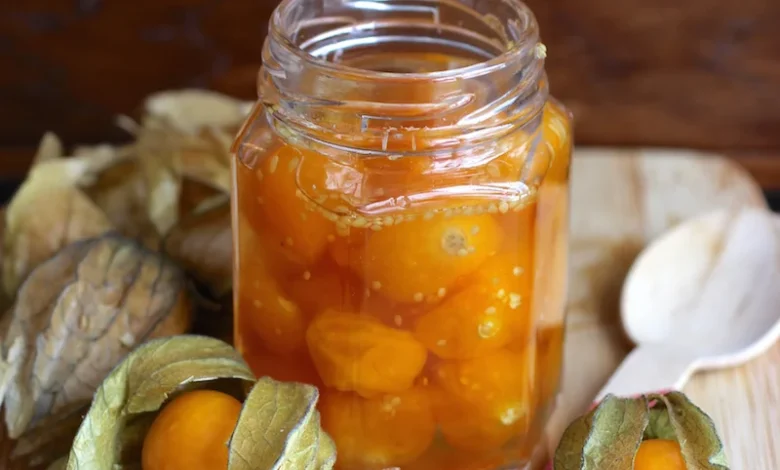
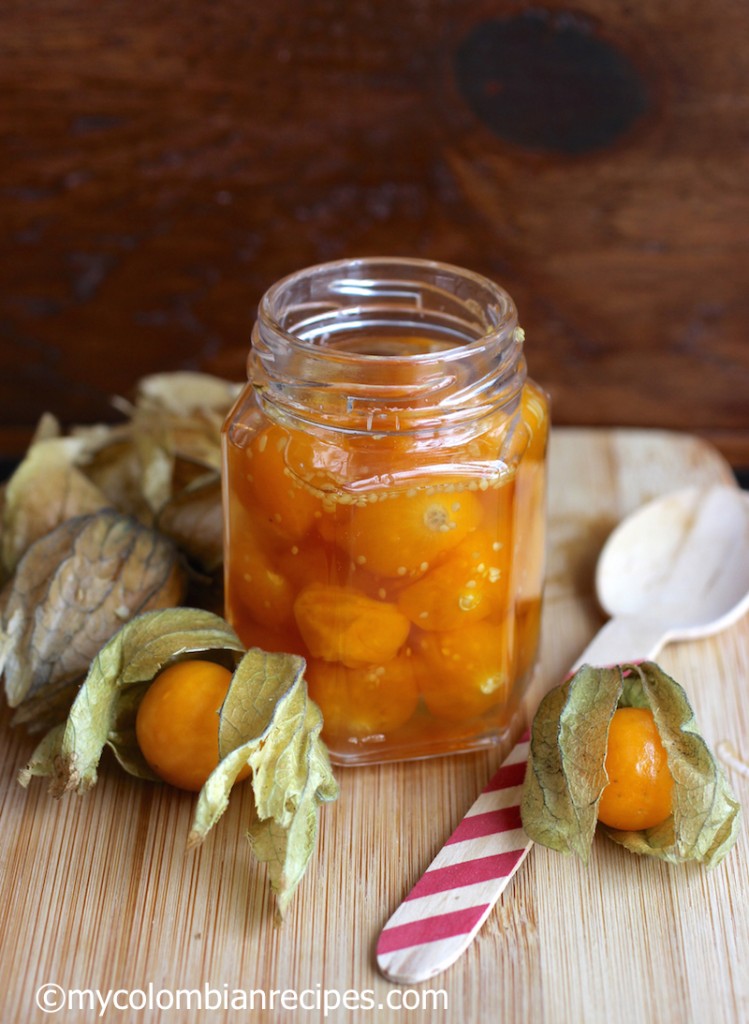
Dulce de Uchuvas, a treasured Colombian delicacy, represents more than just a sweet preserve; it embodies a rich culinary heritage passed down through generations. This vibrant gooseberry concoction, often referred to as a sweet sauce, is a testament to the simple yet profound flavors that define traditional Colombian cuisine. While seemingly straightforward in its preparation, its cultural significance and versatile application in both sweet and savory contexts make it a subject worthy of deeper exploration.
Understanding the Star Ingredient: The Uchuva
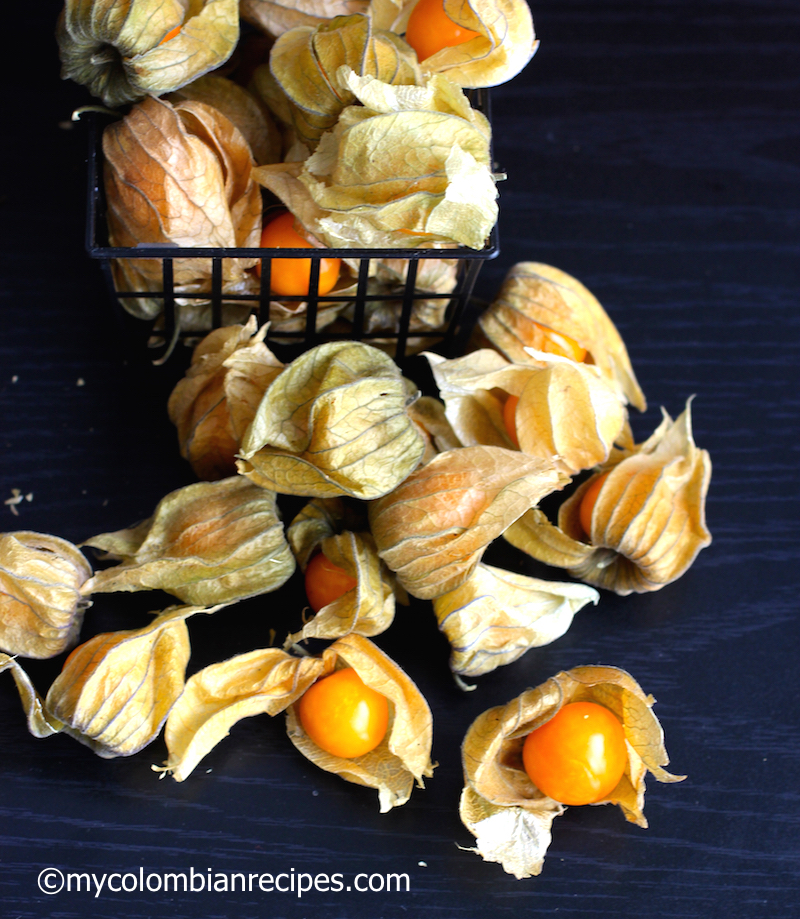
At the heart of Dulce de Uchuvas lies the uchuva, also known as the goldenberry or physalis. This small, round fruit, encased in a papery husk, is native to the Andean regions of South America, with Colombia, Peru, and Ecuador being primary cultivation centers. The uchuva boasts a unique flavor profile, characterized by a delightful balance of tartness and subtle sweetness, often described as a tropical citrus. Its exotic appeal and nutritional value, being a good source of vitamins A and C, have led to its increasing popularity worldwide, appearing in everything from gourmet salads and smoothies to artisanal desserts.
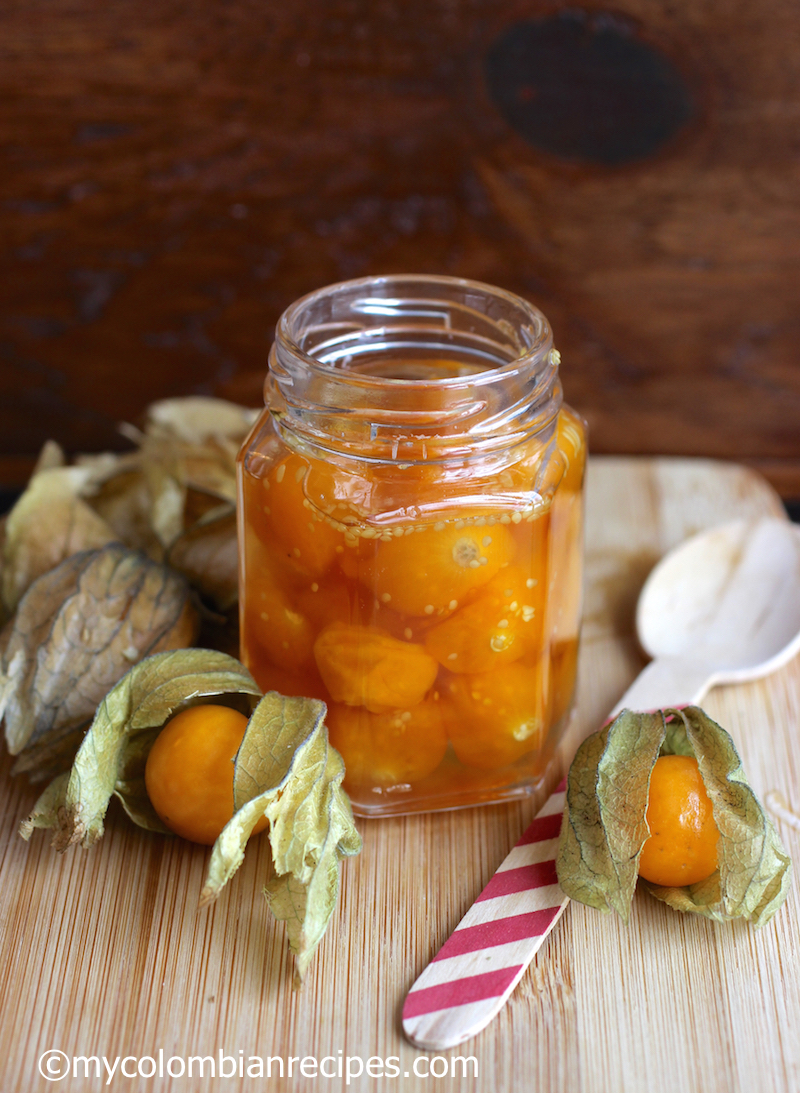
The cultivation of uchuvas in Colombia has a long history, intertwined with the country’s diverse agricultural landscape. The fruit thrives in the temperate climates found in the high-altitude regions, contributing to the economic livelihood of many farming communities. The harvesting process, often done by hand, requires careful attention to ensure the fruit is ripe and undamaged, preserving its delicate flavor and texture for culinary use.
The Genesis of Dulce de Uchuvas: A Grandmother’s Legacy
The recipe for Dulce de Uchuvas, as shared by culinary enthusiast Erica Dinho, is rooted in personal and familial tradition. Her grandmother, a masterful cook of traditional Colombian fare, was the custodian of this cherished recipe. This intergenerational transmission of culinary knowledge is a cornerstone of cultural preservation, ensuring that time-honored flavors and techniques are not lost to modernity. The emphasis on "homemade" and the use of simple, natural ingredients – primarily the uchuva and sugar – underscores a philosophy of authentic, unadulterated taste.
The simplicity of the recipe, requiring only three core ingredients, highlights a culinary approach that values the inherent quality of the produce. This is a stark contrast to many modern commercially produced preserves that often rely on artificial preservatives and stabilizers. The ability to create a delicious and wholesome product with minimal components speaks volumes about the power of fresh, high-quality ingredients and traditional cooking methods.
A Taste of Tradition: Serving and Enjoyment
The traditional serving suggestions for Dulce de Uchuvas offer a glimpse into its role within Colombian culinary culture. Dinho recalls her grandmother serving it alongside fresh white cheese, a common pairing that highlights the preserve’s ability to complement dairy products. This combination of sweet and savory is a hallmark of many Latin American cuisines, where fruit-based sauces are frequently used to balance the richness of cheeses and meats.
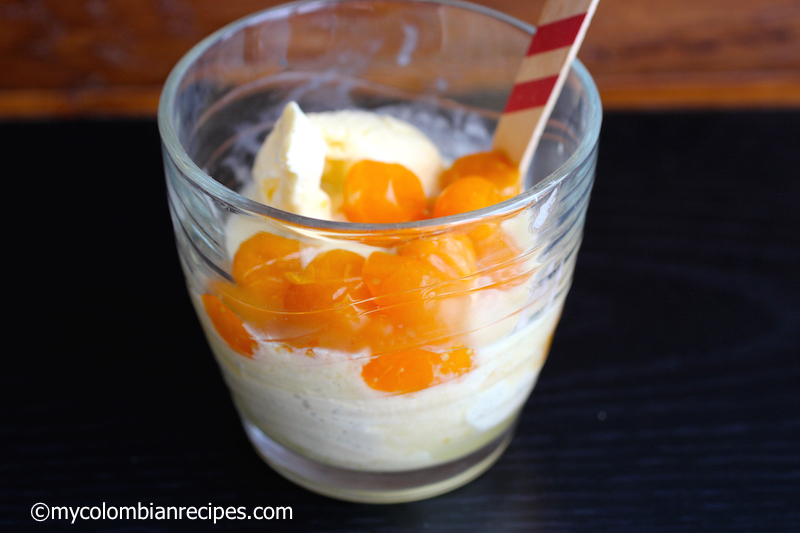
Beyond this classic pairing, Dinho offers contemporary suggestions that demonstrate the preserve’s versatility. Its tangy sweetness makes it an ideal accompaniment to vanilla ice cream, a pairing that elevates a simple dessert into something more sophisticated. Similarly, serving it with yogurt provides a healthier yet equally delightful option, allowing the natural flavors of the uchuva to shine through. This adaptability ensures that Dulce de Uchuvas remains relevant and enjoyable for a wide range of palates and dining occasions.
The practice of making extra jars for gifting further emphasizes the communal and generous spirit associated with food in Colombian culture. Sharing homemade delicacies is a way of expressing affection and maintaining social bonds, turning a simple preserve into a tangible symbol of connection.
The Art of Preservation: A Simple Yet Rewarding Process
The making of Dulce de Uchuvas is characterized by its ease and efficiency. The core process involves simmering the uchuvas with sugar until they break down and thicken into a jam-like consistency. The recipe’s reliance on real sugar, as opposed to artificial substitutes, is crucial for achieving the authentic texture and flavor profile. Sugar not only sweetens but also acts as a natural preservative, contributing to the longevity of the preserve.
A key aspect of the preparation involves allowing the preserve to cool completely before refrigeration. This ensures that the texture remains optimal and prevents premature spoilage. For those who prefer a smoother consistency, the use of an immersion blender offers a simple solution to achieve a more refined texture, further personalizing the homemade product. This ability to customize the final product is one of the significant advantages of making preserves at home.
Nutritional Insights and Culinary Applications
While the primary appeal of Dulce de Uchuvas lies in its taste and cultural significance, understanding its nutritional profile adds another layer of appreciation. The provided nutritional information indicates a significant calorie count, largely attributed to the sugar content. However, it also highlights the presence of vitamins A and C, stemming from the uchuva itself. The relatively low fat and sodium content are also noteworthy.
The classification of Dulce de Uchuvas as a "sauce" in the recipe’s metadata is indicative of its broad culinary applications. Beyond its use as a dessert topping, it can be incorporated into more complex dishes. Its tangy nature makes it a potential component in marinades for meats, adding a unique sweet and sour dimension. It could also serve as a vibrant glaze for roasted vegetables or as a flavorful addition to savory tarts and pastries. The potential for this simple preserve to elevate a variety of dishes underscores its culinary importance.
The Uchuva’s Global Trajectory and Economic Impact
The increasing global demand for exotic fruits like the uchuva has had a tangible economic impact on the regions where it is cultivated. Colombia, in particular, has seen a rise in uchuva exports, driven by the fruit’s unique flavor and perceived health benefits. This has created new economic opportunities for farmers and agricultural cooperatives, contributing to rural development and economic diversification.
However, this growing demand also presents challenges. Ensuring sustainable farming practices, maintaining consistent quality, and navigating international trade regulations are crucial for the long-term viability of the uchuva industry. The success of products like Dulce de Uchuvas, which showcase the fruit in a traditional and accessible format, can play a vital role in promoting its consumption and supporting the agricultural sector.
A Culinary Legacy Continues
The story of Dulce de Uchuvas is a compelling narrative of tradition, flavor, and cultural heritage. It reminds us that some of the most delightful culinary experiences stem from simple, natural ingredients prepared with care and passed down through generations. Erica Dinho’s sharing of her grandmother’s recipe serves as an invitation to explore the rich tapestry of Colombian cuisine, one delicious spoonful at a time. As the appreciation for authentic, homemade foods continues to grow, traditional recipes like Dulce de Uchuvas are poised to find new audiences and enduring relevance, celebrating the vibrant spirit of Colombian culinary artistry. The preserve, with its bright flavor and deep roots, stands as a testament to the enduring power of food to connect us to our past and nourish our present.
Related posts: