Transforming Leftover Grain Into Culinary Innovation: 9 Creative Recipes That Redefine Food Sustainability in Modern Kitchens

Global food waste continues to present a profound environmental, economic, and logistical challenge for households and municipalities worldwide. Recent culinary initiatives spearheaded by food historians and home economists are increasingly focusing on minor daily habits that collectively yield massive ecological impacts. Among the most promising frontiers of household waste reduction is the humble grain of rice. Often cooked in quantities that exceed immediate consumption, leftover rice frequently languishes in refrigerators before ultimately being discarded. To combat this pervasive issue, culinary expert and food writer Clara Gonzalez has released a comprehensive compendium detailing nine innovative recipes designed to repurpose leftover rice into vibrant, nutritionally dense, and culturally rich meals.
The cultural practice of avoiding food waste forms the philosophical backbone of these newly highlighted recipes. In many traditional households, particularly within Latin American and Caribbean cultures, discarding edible food is viewed as both economically irresponsible and culturally insensitive. Gonzalez, writing through her platform Dominican Cooking, emphasizes a zero-waste kitchen ethos where yesterday’s staple grain serves as the foundational building block for tomorrow’s feast. By shifting consumer perspectives on food preservation, home cooks can significantly lower their household carbon footprints while simultaneously expanding their culinary repertoires.
A Historical Culinary Evolution
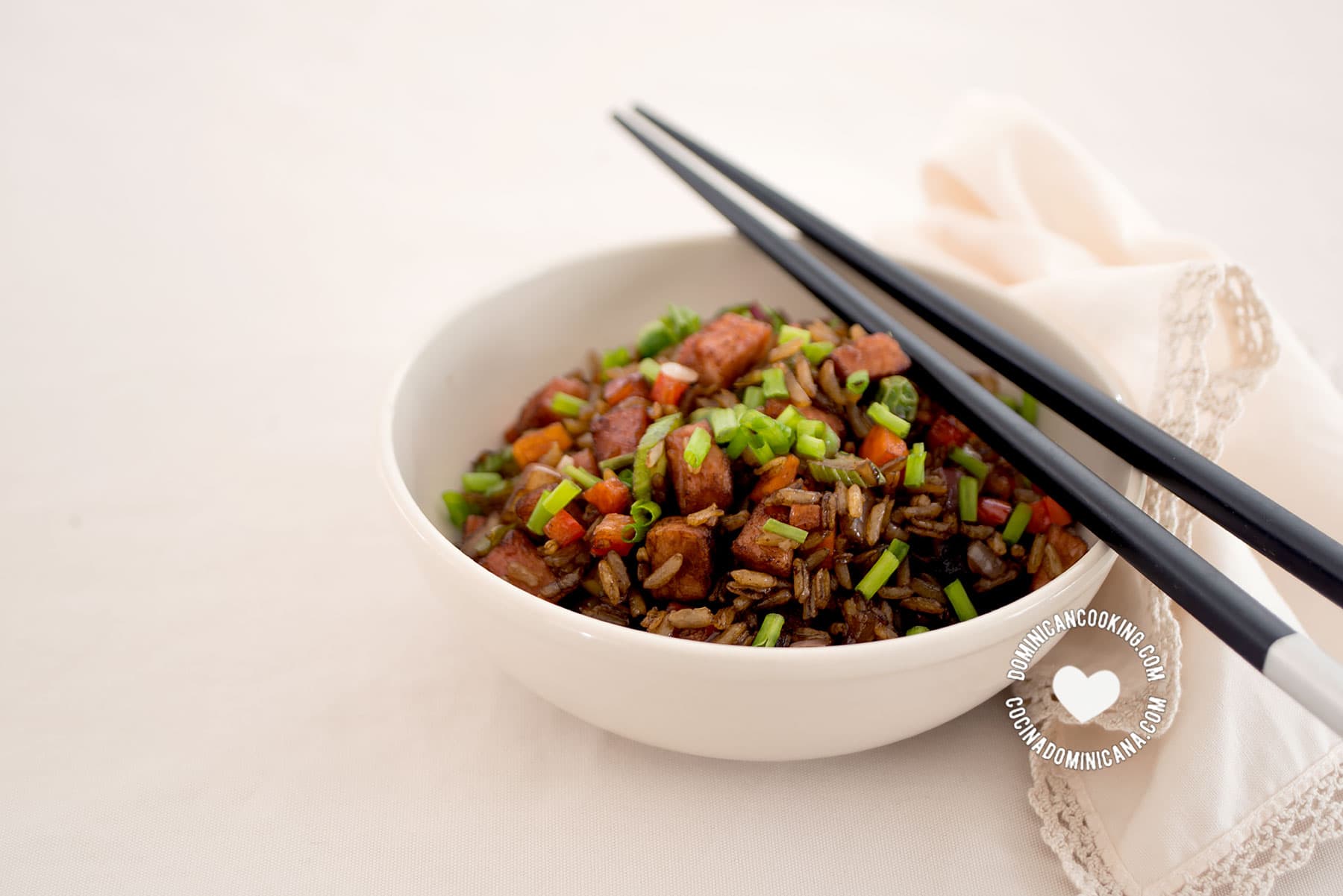
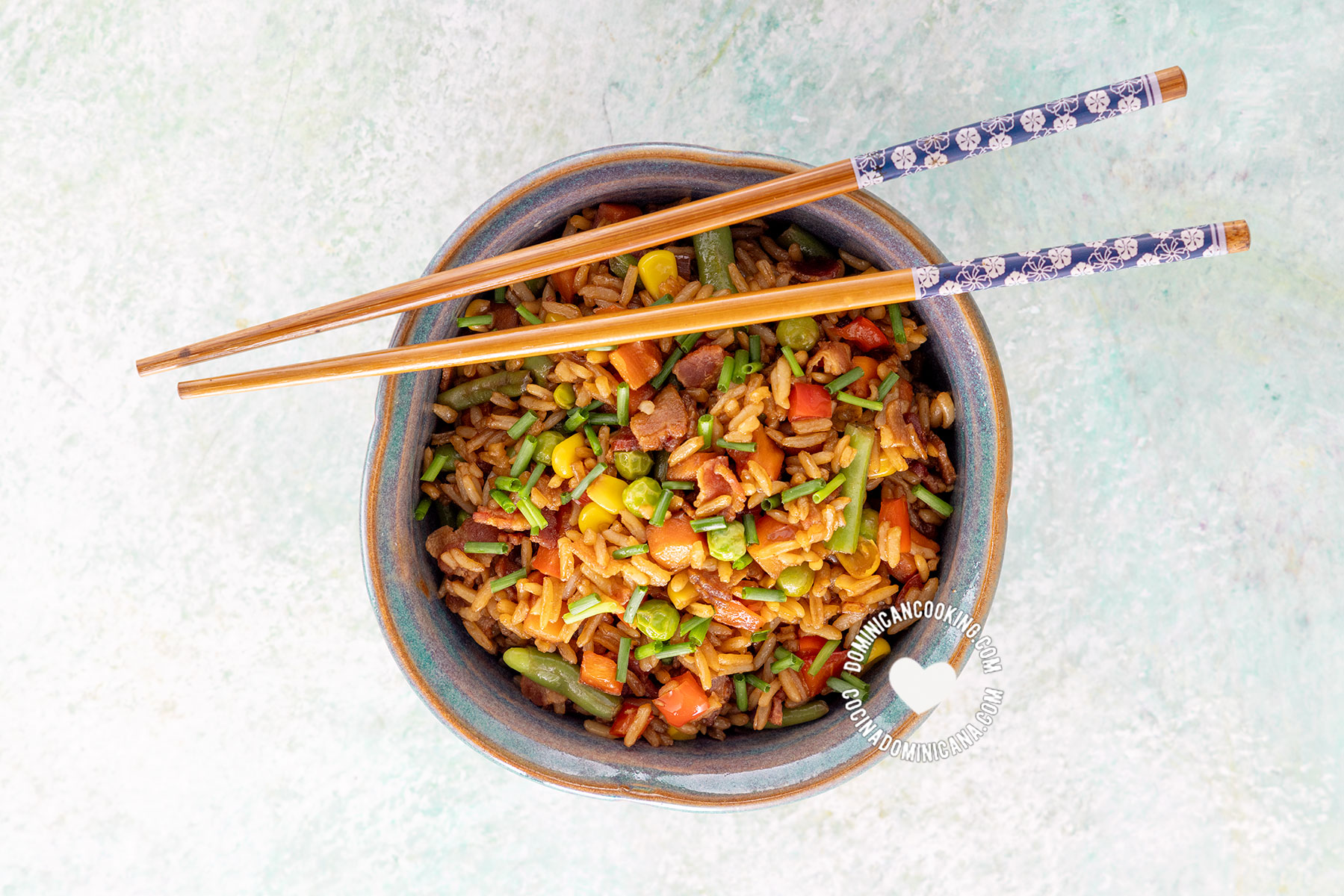
The integration of leftover grains into complex, multi-ingredient dishes is not a modern invention; rather, it is a practice deeply rooted in historical culinary cross-pollination. A prime example highlighted in Gonzalez’s collection is Chofan, the distinctively Dominican adaptation of Chinese fried rice. Brought to the Caribbean nation by Chinese immigrants during the early decades of the twentieth century, this dish represents an early paradigm of sustainable fusion cuisine. Immigrant cooks utilized pre-cooked, chilled rice because its dehydrated, firm texture yields a superior, non-gummy consistency when stir-fried in high-heat woks alongside local meats, vegetables, and soy-based seasonings.
Similarly, other traditional dishes across the globe have long relied on the specific chemical and physical properties of cold, day-old rice. When rice cools, its starch molecules undergo retrogradation, forming a firmer grain structure that resists breaking down or turning into mush when subjected to secondary cooking methods such as baking, frying, or simmering in liquids. Capitalizing on this scientific reality, modern home economists are updating ancient recipes to align with contemporary schedules and nutritional demands.
Detailed Overview of the Nine Leftover Rice Recipes
The curated collection spans a diverse array of culinary categories, ranging from traditional comfort foods and savory mains to innovative breakfast options and light desserts. Each recipe addresses specific structural advantages offered by leftover rice, optimizing preparation times and flavor absorption.
-
Chofan (Dominican-Chinese Fried Rice)
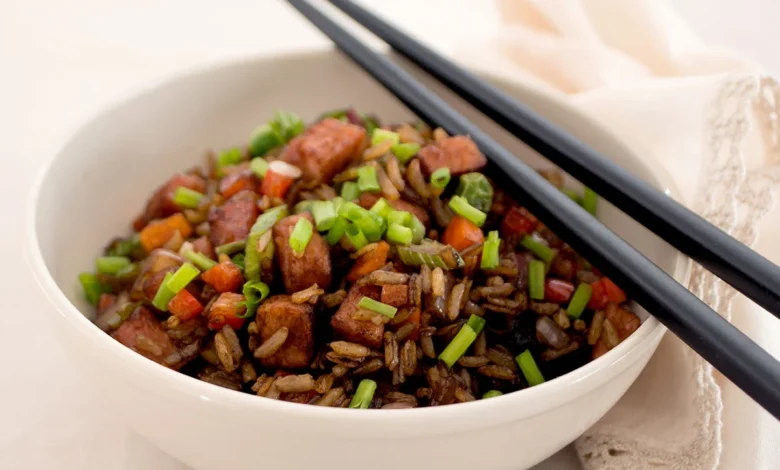
Serving as the cornerstone of the collection, this dish merges Asian stir-fry techniques with Caribbean seasoning profiles. Requiring approximately six servings, it utilizes cold white rice, mixed proteins, and aromatic vegetables. The primary advantage of using refrigerated rice in this context is the elimination of excess moisture, ensuring each grain remains discrete and well-coated with savory soy and garlic flavors.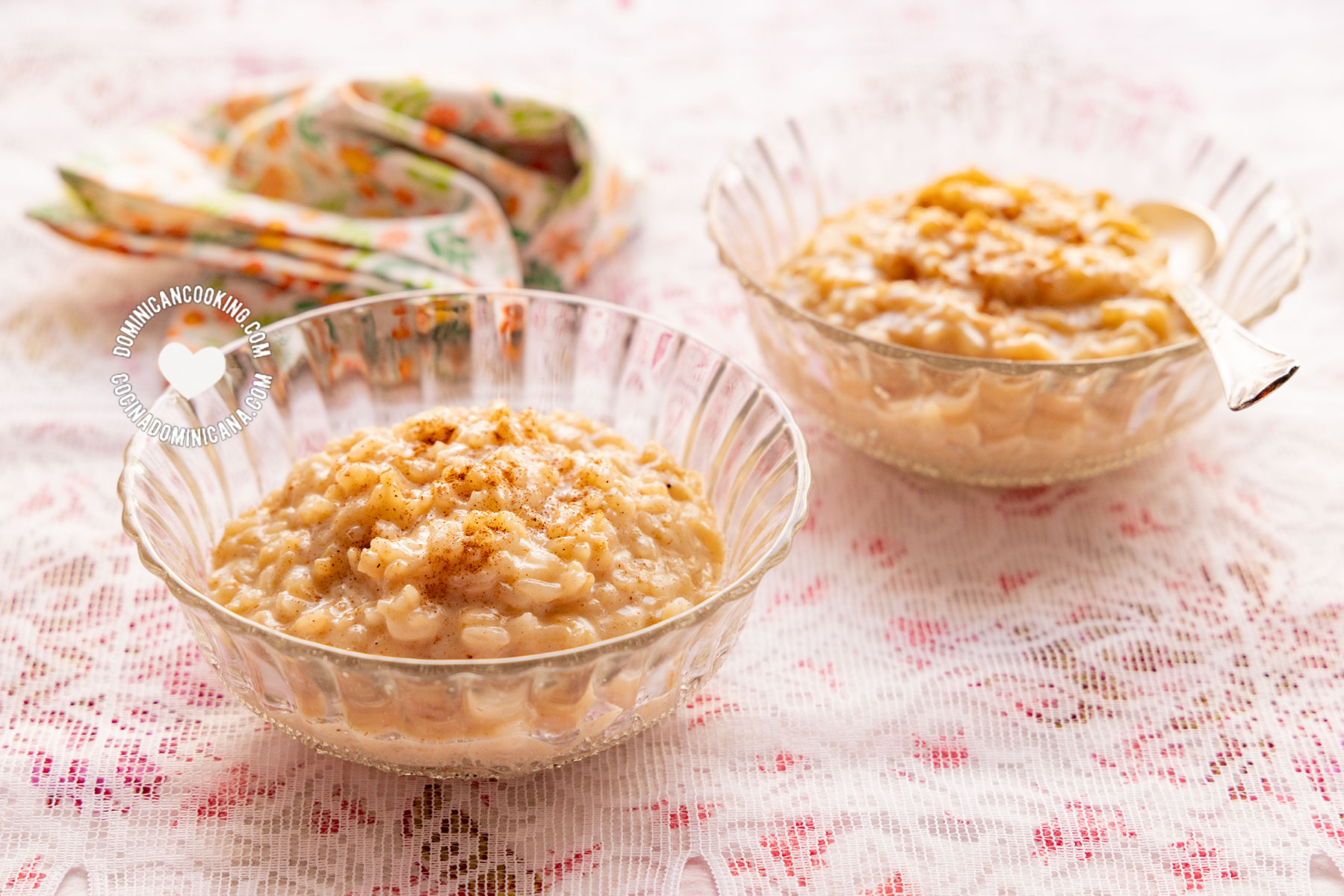
-
Leftover Rice Arroz Con Leche (Rice Pudding)
Transforming savory dinner leftovers into a sweet, comforting dessert is achieved through this accelerated take on traditional rice pudding. Designed for four servings, this recipe drastically reduces the standard simmering time required when starting with raw grains. By allowing the pre-cooked rice to absorb warm milk, cinnamon, citrus zest, and sweeteners quickly, home cooks can produce a rich, creamy dessert in a fraction of the traditional preparation time. -
Arroz Amarillo (Spanish Yellow Rice)
This vibrant side dish takes a baseline of plain leftover white rice and revives it through the strategic application of color and spice. Utilizing turmeric, achiote, or specific spice blends alongside onions, garlic, and bell peppers, cooks can turn monochromatic leftovers into a visually striking, aromatic accompaniment suitable for any protein main course. -
Ensalada de Arroz (Dominican Rice Salad)
Targeting warm-weather gatherings, family potlucks, and outdoor barbecues, the rice salad serves as a refreshing departure from traditional heavy side dishes. By combining chilled rice with crisp raw vegetables, herbs, and sweet elements such as pineapple, this dish leverages the temperature stability of leftover grains to create a refreshing, cohesive salad structure.
-
Pastelón de Arroz (Cheesy Rice Casserole)
For households seeking a hearty, single-dish dinner, this cheesy casserole layers leftover white rice with seasoned ground meat and abundant melting cheese. Baked until golden and bubbling, the casserole utilizes the dense packing capacity of leftover rice to create a structural matrix that holds its shape when sliced, offering a rice-based alternative to traditional potato or pasta bakes. -
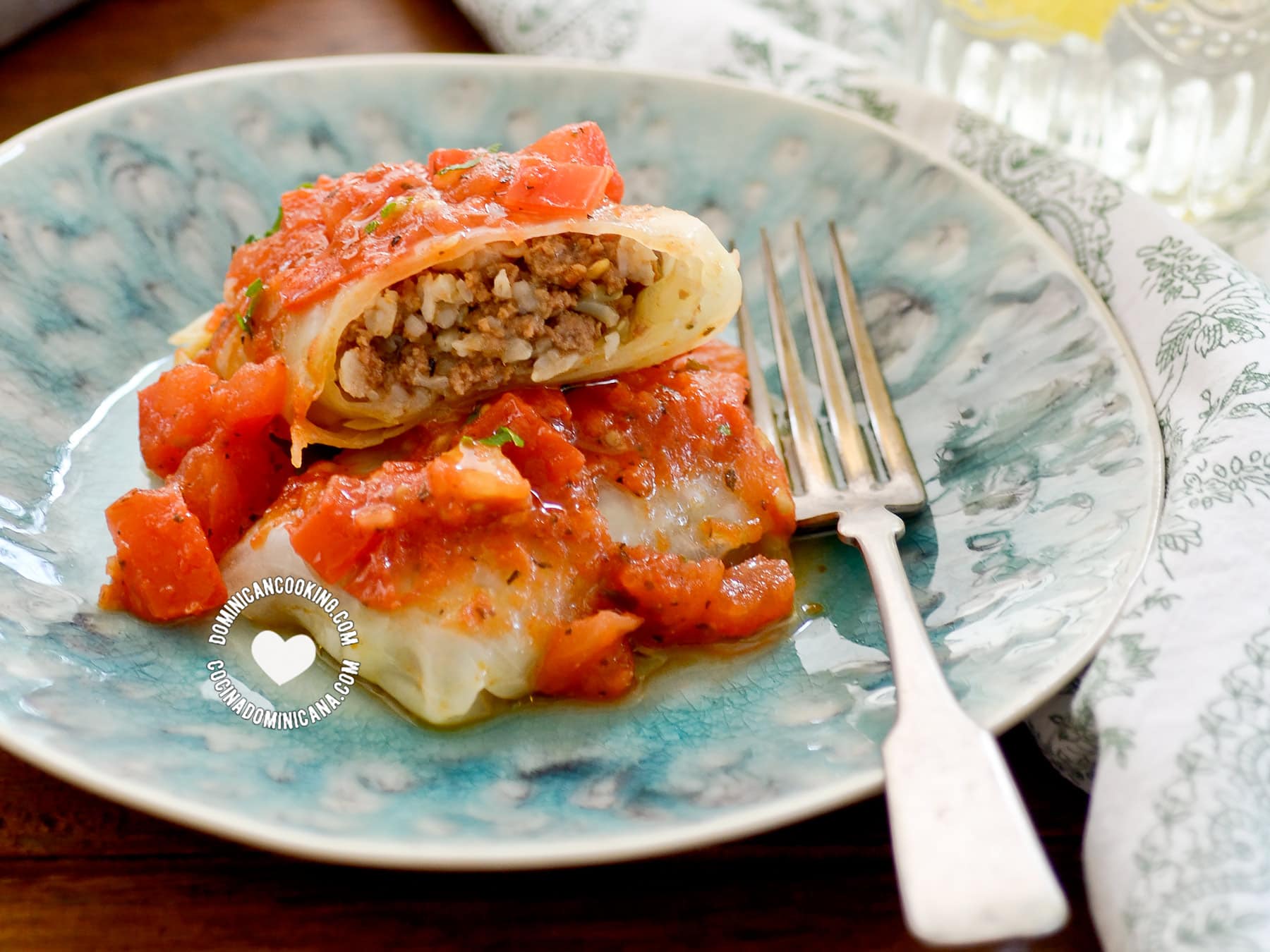
Niño Envuelto (Cabbage, Rice, and Beef Pockets)
Traditionally labor-intensive, the Dominican version of stuffed cabbage rolls sees a dramatic reduction in active cooking time through the integration of pre-cooked rice. By mixing leftover grains directly with seasoned ground beef for the filling, the assembly process becomes faster, and the internal moisture is perfectly balanced, preventing the cabbage leaves from bursting during the braising process. -
Stuffed Cubanelle Peppers
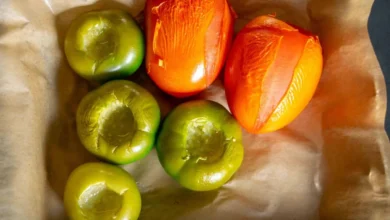
Capitalizing on the mild, sweet flavor profile of local Caribbean peppers, this dish utilizes leftover rice blended with protein and aromatics to stuff hollowed-out Cubanelle peppers before baking. The dish functions as a nutritionally complete standalone dinner, combining vegetables, grains, and proteins into a single, elegant presentation.
-
Baked Stuffed Rice Balls (Arancini-Inspired)
Offering a healthier alternative to traditional deep-fried preparations, these Italian-inspired rice balls can be successfully executed in a standard kitchen oven or an air fryer. Leftover rice is mixed with binding agents and seasonings, formed around a savory core, and baked until crispy. This method reduces overall fat content while maximizing the textural utility of grains that might otherwise be discarded. -
Quail Egg and Rice Salad
Rounding out the collection is a protein-rich, vegetable-heavy salad that pairs leftover grains with delicate quail eggs. Designed as a light yet satisfying dinner option, this recipe demonstrates the remarkable versatility of rice as a cold salad base that readily accommodates complex dressings and delicate proteins.
Broader Economic and Environmental Implications

The release of these recipes arrives at a critical juncture for food policy and household economics. Food waste remains a significant contributor to global greenhouse gas emissions; when organic matter decomposes in landfills, it generates substantial quantities of methane, a potent greenhouse gas. By encouraging consumers to repurpose common kitchen staples rather than discarding them, food educators play a direct role in mitigating municipal waste burdens.
Furthermore, in an era marked by persistent inflation and economic uncertainty, optimizing household grocery efficiency is paramount. Rice is one of the most widely consumed staples globally, yet surplus batches frequently find their way into household trash bins due to a lack of imaginative utilization strategies. Collections such as Gonzalez’s provide actionable, economically sound solutions that stretch family food budgets further while reducing the frequency of grocery trips.
Expert Reactions and Future Outlook
Culinary sociologists and sustainability advocates have praised grassroots educational efforts aimed at shifting consumer behavior regarding food waste. While large-scale agricultural and supply-chain reforms remain essential for addressing systemic food loss, individual consumer habits at the household level account for a substantial percentage of total food waste in developed nations. Educational resources that normalize the consumption of leftovers—framing them not as compromises, but as opportunities for culinary creativity—are increasingly viewed as vital components of a sustainable food future.
As home cooking trends continue to evolve in response to both economic pressures and environmental awareness, the rehabilitation of leftover ingredients is expected to gain further traction. Culinary platforms and food writers plan to expand these collections, incorporating digital tutorials and community-driven recipe exchanges to foster a broader cultural shift toward zero-waste kitchens. Ultimately, initiatives like the nine leftover rice recipes demonstrate that significant ecological and financial benefits can stem from simple, creative adjustments in how everyday meals are planned, prepared, and enjoyed.