Hatch Green Chile Enchiladas Are the Seasonal Culinary Highlight of Late Summer

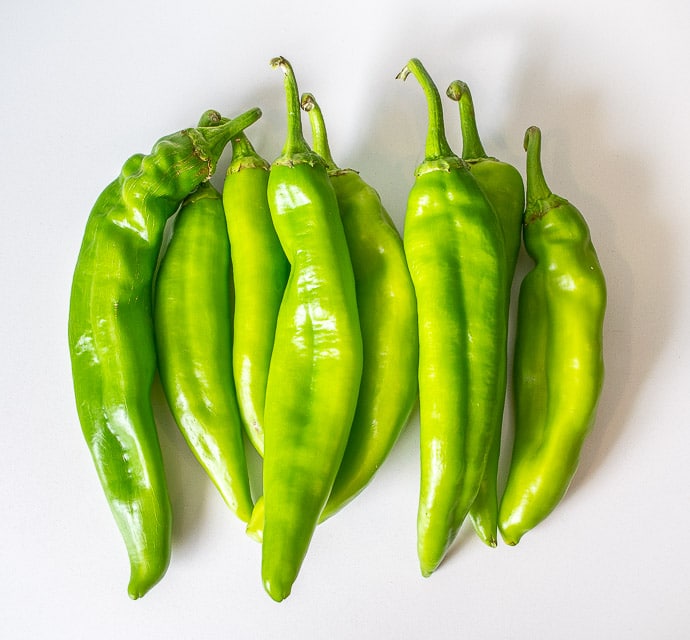
The arrival of late summer marks the highly anticipated emergence of Hatch chiles, a unique cultivar of Capsicum annuum grown exclusively in the Mesilla Valley of southern New Mexico. As these peppers hit the market, they trigger a surge in regional culinary activity, centering on the preparation of authentic dishes like Hatch Green Chile Enchiladas. The cultural and economic significance of this harvest period extends well beyond local kitchens, serving as a pillar of New Mexican agricultural identity and a significant driver of seasonal tourism in the American Southwest.
The Significance of the Hatch Chile Harvest
The Hatch chile is not merely a variety of pepper; it is a geographic indicator of quality. While similar green chiles are grown elsewhere, the unique combination of high altitude, intense desert sunlight, and the specific soil composition of the Rio Grande basin imparts a flavor profile that growers and culinary experts describe as distinctively savory and buttery once roasted.
The harvest season is brief, typically spanning from early August through the end of September. This limited window creates a sense of urgency among consumers, leading to the "roast and freeze" phenomenon where enthusiasts purchase large quantities to process and store for year-round use. For those outside the region, the expansion of e-commerce has bridged the geographic gap, allowing for direct-to-consumer shipping of fresh, farm-direct harvests.
Chronology of Preparation and Culinary Methodology
Professional chefs and home cooks alike emphasize that the preparation of the enchilada sauce is the most critical stage of the dish. The process involves a specific, sequential methodology designed to extract maximum flavor from the chiles.
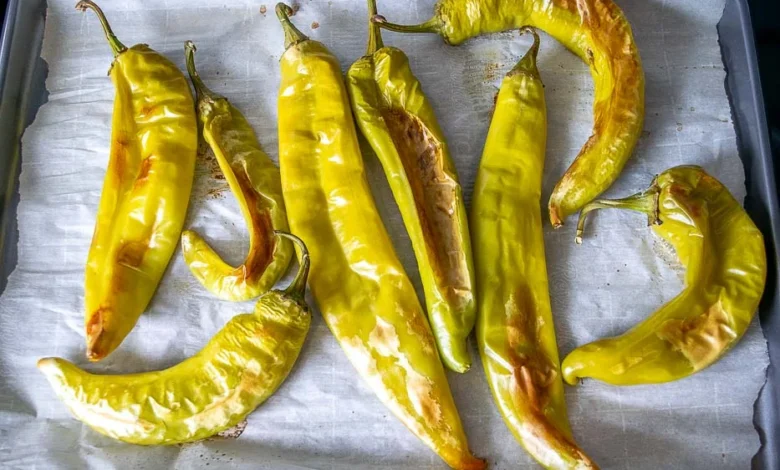
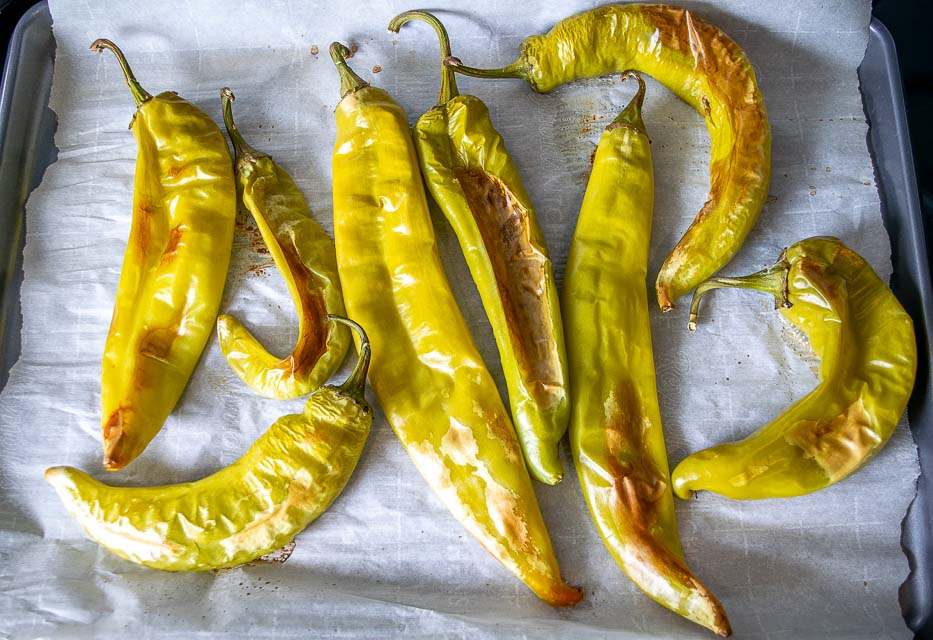
- Roasting (The Foundation): While frozen or pre-roasted options are available in commercial markets, the industry standard for peak quality remains fresh roasting. Whether performed in a high-temperature oven (approximately 400°F for 25–30 minutes) or over an open flame, the objective is to blister the skin, which facilitates peeling and imparts a smoky, complex aroma.
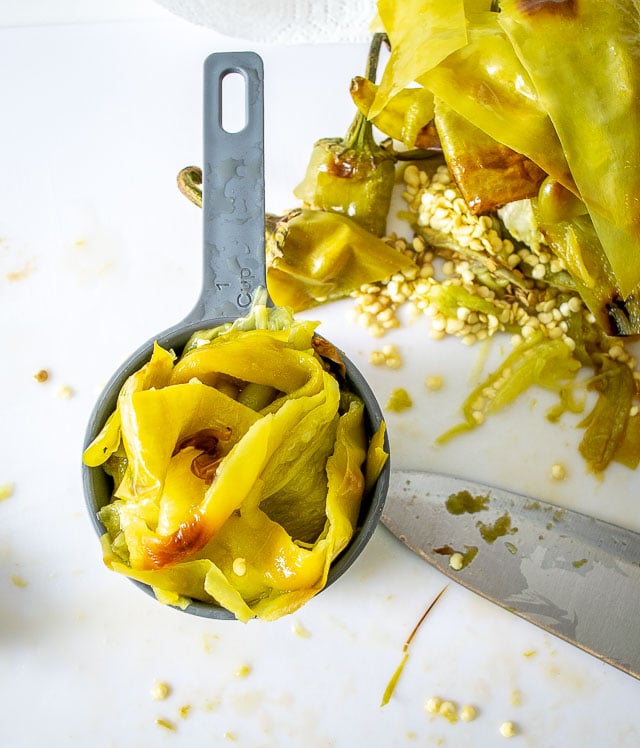
- Processing: After the chiles are roasted, they are cooled to prevent overcooking. The stems and seeds are removed. While skin removal is recommended for texture, culinary experts note that leaving small amounts of charred skin contributes to the desired rustic quality of the sauce.
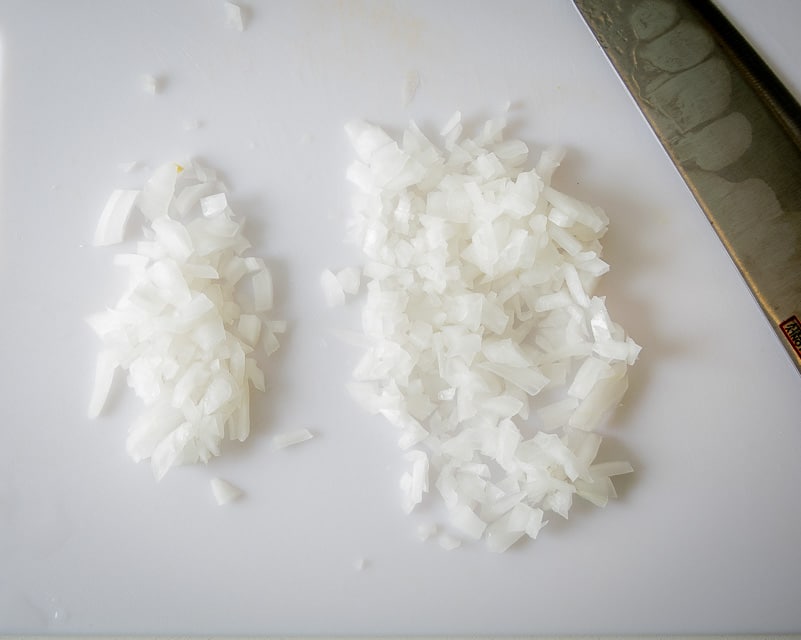
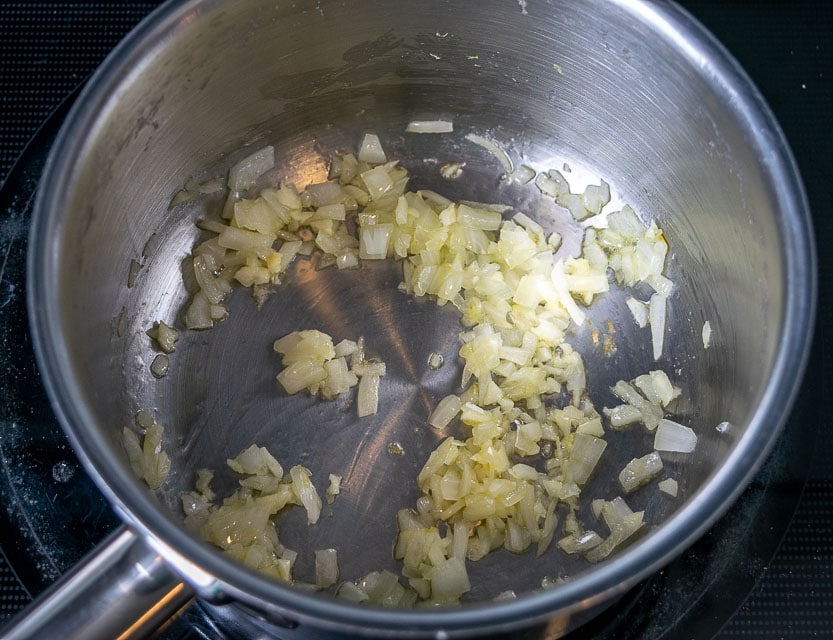
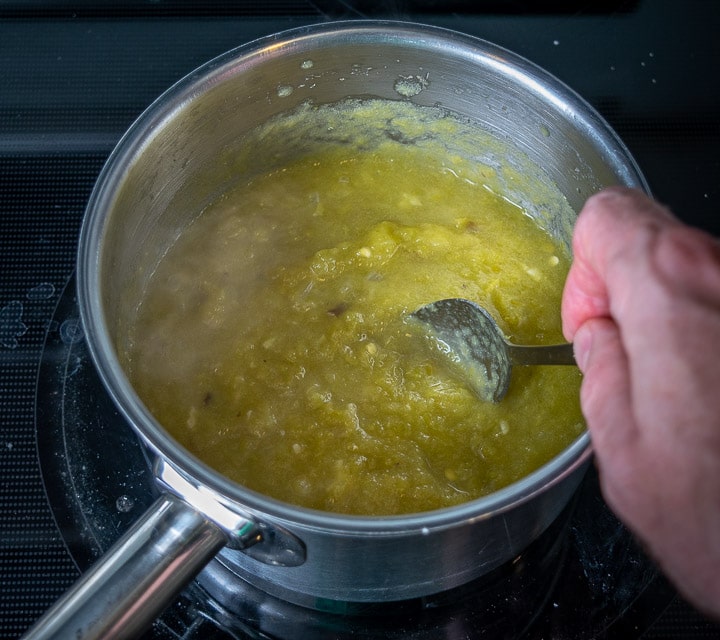
- Emulsification and Simmering: The processed chile pieces are blended with a liquid base—usually water or high-quality stock—before being combined with sautéed aromatics such as white onion and garlic. The addition of Mexican oregano, a species distinct from the Mediterranean variety, provides a citrus-like floral note that complements the earthiness of the chiles.
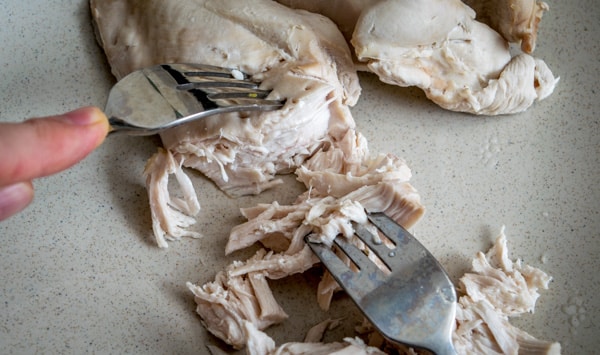
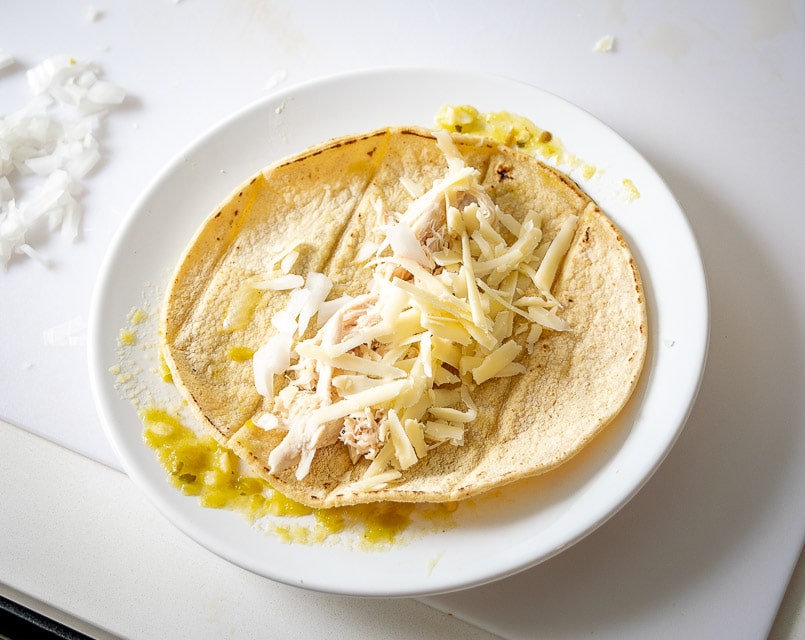
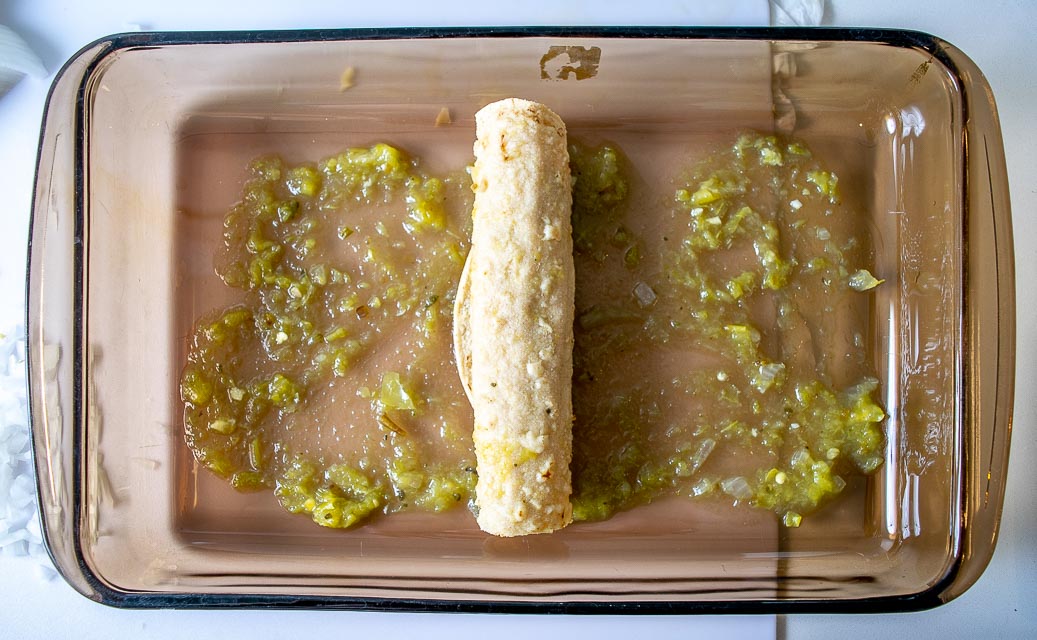
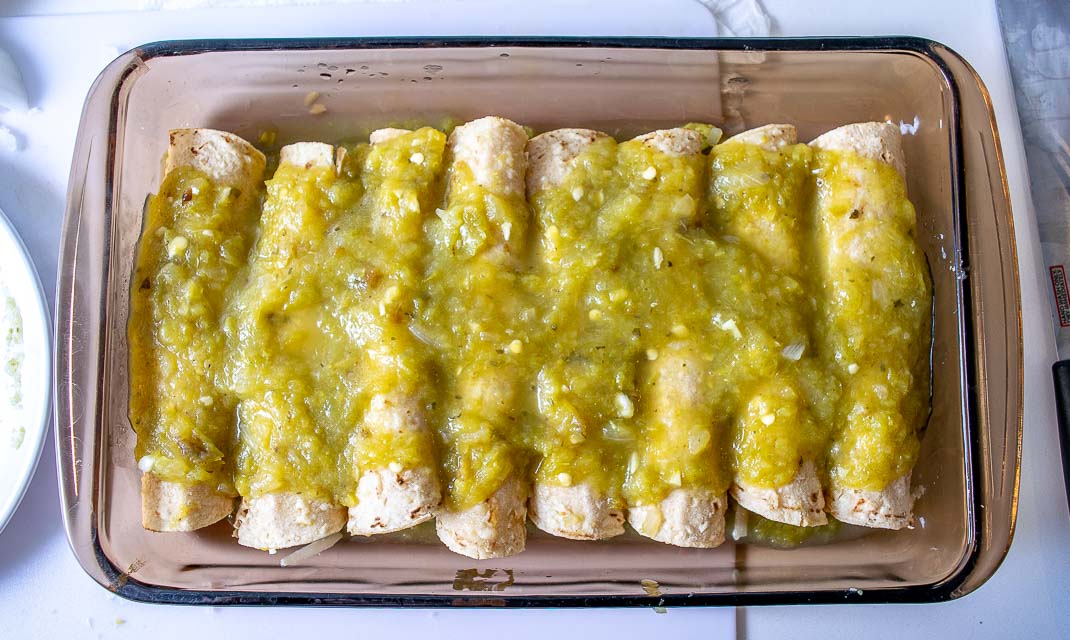
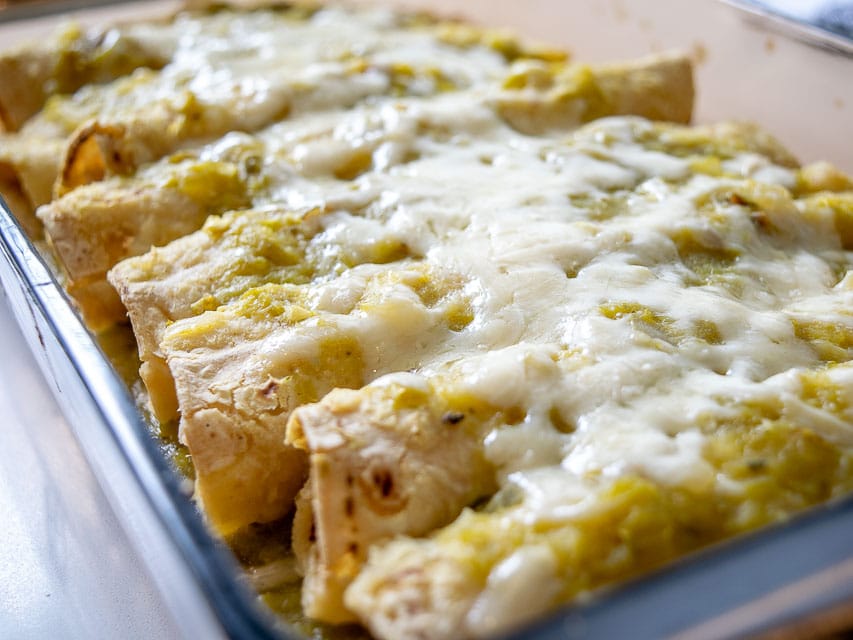
- Assembly: The final assembly of the enchiladas follows a traditional technique: corn tortillas are warmed to increase elasticity, dredged in the prepared sauce, filled with a protein (traditionally shredded chicken or cheese), and tightly rolled. A final coating of sauce and a layer of melting cheese finish the dish before a short bake.
Data and Nutritional Context
From a nutritional perspective, Hatch chiles are a significant source of vitamins A and C. Their heat levels vary significantly based on the specific strain and the environmental stress of the growing season. The Scoville Heat Units (SHU) for these chiles can range from mild (around 1,000 SHU) to medium-hot (up to 8,000 SHU).
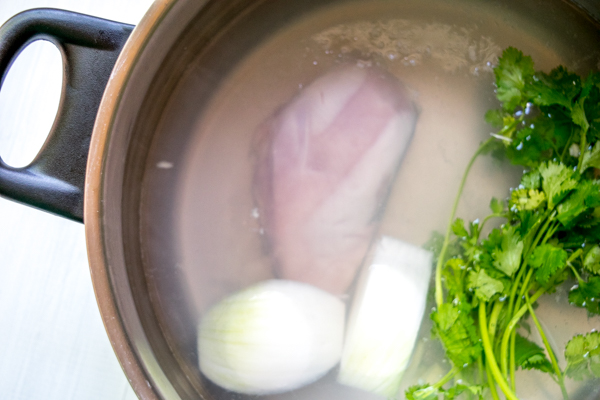
For those preparing the dish at home, balancing the salt content is a primary technical challenge. When using store-bought chicken stock, which is often sodium-dense, the addition of salt must be carefully measured to avoid overwhelming the delicate flavor profile of the roasted peppers. Homemade, low-sodium stocks are generally preferred by professionals to ensure that the "buttery" characteristic of the chiles remains the focal point.
Industry Perspectives on the Hatch Phenomenon
Agricultural analysts point to the Hatch chile industry as a model for regional branding. The "Hatch" name is synonymous with prestige in the food industry, leading to a proliferation of products labeled as such. However, genuine Hatch chiles are strictly defined by their origin.
"The demand for authentic Hatch chiles has outpaced supply in recent years due to climate volatility in the Southwest," notes an industry analyst familiar with New Mexico agricultural exports. "This has led to a tighter market where direct-to-farm orders are often placed weeks before the harvest begins."
The widespread adoption of the Hatch chile in national restaurant chains has also contributed to its status as a staple ingredient. Critics of this commercialization argue that the "mass-market" version often lacks the depth of the traditional, fire-roasted version prepared in New Mexico, reinforcing the narrative that the true quality of the product is tethered to its traditional preparation methods.
Broader Implications and Culinary Versatility
The popularity of the Hatch Green Chile Enchilada recipe highlights a broader trend in American home cooking: the "ingredient-forward" approach. Rather than relying on heavy sauces or complex spice blends, this dish relies on the quality of a single seasonal vegetable to dictate the outcome of the meal.
The adaptability of the dish is also notable. While chicken and cheese are the traditional fillings, the sauce is chemically and flavor-wise compatible with a variety of proteins, including pork, shredded beef, or roasted root vegetables. This versatility has allowed the dish to remain relevant across varying dietary preferences.
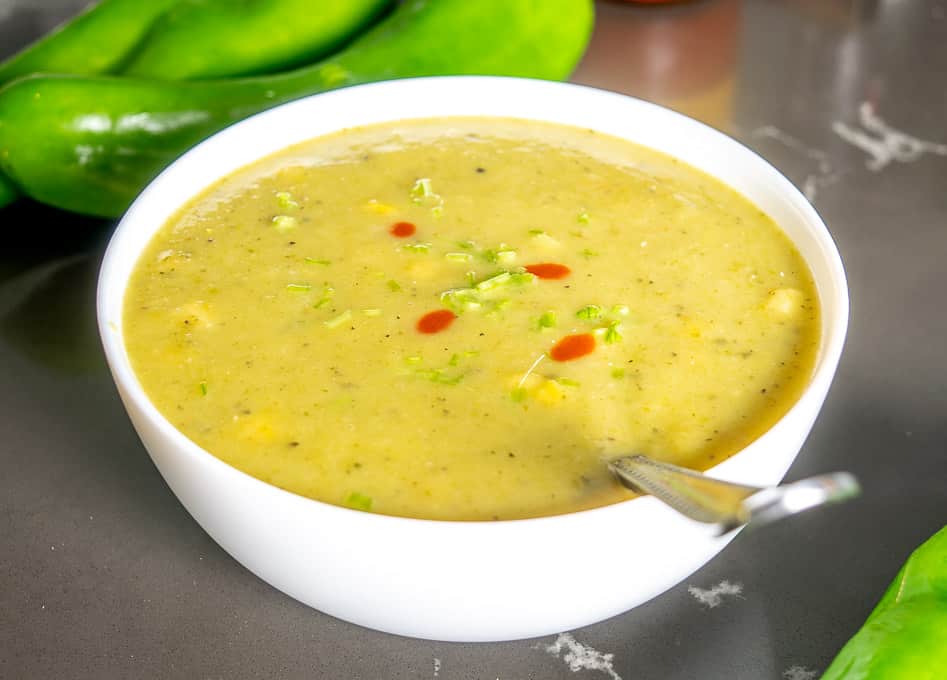
For those interested in extending the Hatch season, the culinary community suggests utilizing the same base sauce for secondary dishes. Soups, stews, and salsas are commonly cited as effective ways to utilize the remainder of a seasonal harvest. Furthermore, the practice of brining chicken before shredding it for enchiladas—a technique that involves soaking the meat in a saltwater solution for 30 minutes—has become an increasingly common recommendation to improve the moisture content of the finished dish.
Final Considerations for the Consumer
As the season progresses, consumers are advised to verify the origin of their chiles to ensure they are receiving authentic New Mexico-grown produce. With the rise of digital marketplaces, the logistical barriers to accessing these chiles have effectively vanished, allowing households across the United States to participate in the annual tradition.
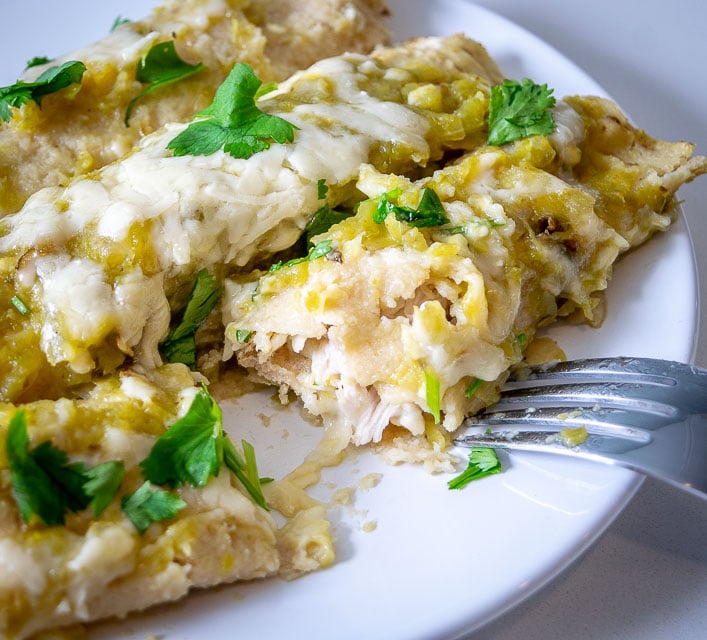
Whether one chooses to garnish the final product with traditional elements like Mexican crema and fresh cilantro, or prefers the "bare-bones" approach to allow the pepper’s flavor to dominate, the Hatch Green Chile Enchilada remains a quintessential example of regional American cuisine. It represents a confluence of agricultural heritage, specific environmental conditions, and time-honored cooking techniques that define the culinary landscape of the Southwest.
For those looking to expand their repertoire beyond the traditional enchilada, the culinary landscape offers a variety of applications for the roasted chile. However, as of this year, the focus remains firmly on the classic preparation, as it best honors the brief, vibrant, and highly anticipated arrival of the Hatch chile harvest.
For further information on the current state of the market, harvesting schedules, or specific preparation techniques, consumers are encouraged to follow regional agricultural boards and local New Mexico produce cooperatives, which provide the most accurate updates during the peak of the season.
Related posts: