
Ham And Scalloped Potatoes

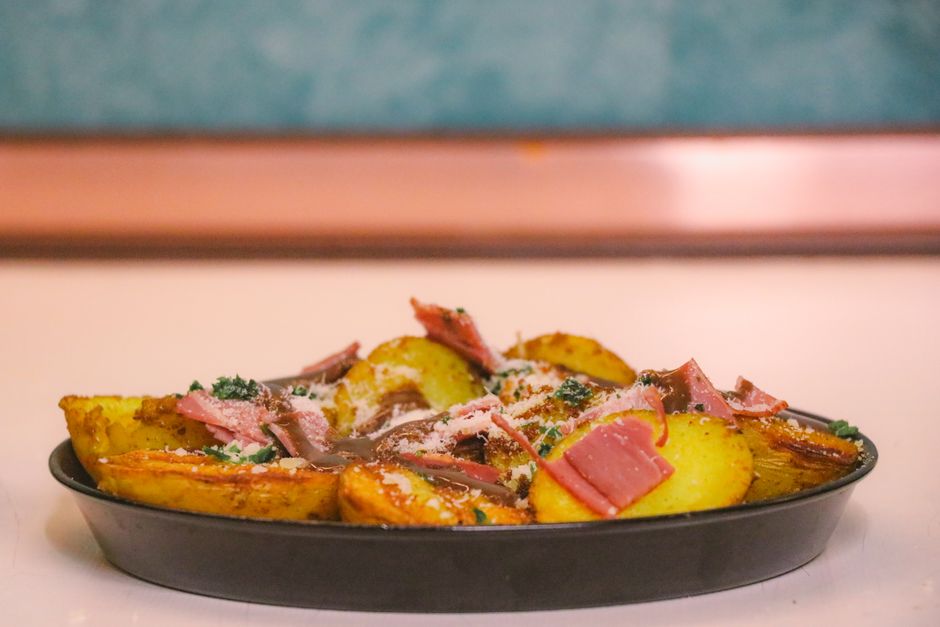
The Ultimate Guide to Ham and Scalloped Potatoes: A Culinary Masterpiece
Ham and scalloped potatoes represent a classic comfort food pairing, a culinary symphony of savory, salty ham melded with the creamy, tender embrace of thinly sliced potatoes. This dish transcends mere sustenance, becoming a cornerstone of holiday tables, celebratory meals, and cherished family gatherings. Its enduring popularity stems from a harmonious balance of textures and flavors, its comforting warmth, and its inherent versatility. Whether it’s a centerpiece for a festive feast or a comforting weeknight indulgence, understanding the nuances of preparing and perfecting ham and scalloped potatoes is key to unlocking its full potential. This comprehensive guide delves into every facet of this beloved dish, from selecting the ideal ham and potatoes to mastering the creamy sauce and achieving that coveted golden-brown crust. We will explore the science behind achieving perfect tenderness, the art of flavor layering, and practical tips for both novice cooks and seasoned culinarians seeking to elevate their ham and scalloped potato game.
The foundation of exceptional scalloped potatoes lies in the quality and type of potato chosen. Starchy potatoes, such as Russets, are generally not ideal for scalloping as they tend to break down and become mushy during the long cooking process. The ideal potato for scalloped potatoes is a waxy or all-purpose variety that holds its shape while becoming tender. Yukon Golds are a perennial favorite, offering a buttery texture and a subtly sweet flavor that complements the richness of the sauce and ham. Red potatoes, with their thin, edible skins and firm texture, also perform admirably, providing a slight tang and a visually appealing color contrast. Fingerling potatoes, when sliced thinly, can also be used, offering a slightly nutty flavor and a delightful bite. Regardless of the specific variety, the key is uniformity in slicing. Aim for slices approximately 1/8 to 1/4 inch thick. This ensures even cooking, preventing some slices from becoming overcooked and mushy while others remain underdone. Mandolines are invaluable tools for achieving this consistent thickness, but a sharp knife and a steady hand can also produce excellent results. Proper preparation of the potatoes involves rinsing them thoroughly to remove excess starch, which can contribute to a gummy sauce, and then patting them completely dry before layering. Moisture content is a critical factor in achieving the desired texture; excess water will dilute the sauce and impede the browning process.
The ham component of this iconic duo is equally important, offering a salty, savory counterpoint to the creamy potatoes. The choice of ham significantly impacts the overall flavor profile. A fully cooked, cured ham is the most common and convenient choice. Options range from spiral-cut hams, which are pre-sliced for ease of serving and even cooking, to bone-in hams, which often boast superior flavor and moisture retention due to the presence of the bone. Glazed hams, pre-seasoned with sweet and savory glazes, can add an extra layer of complexity, but it’s essential to consider the sweetness of the glaze in relation to the richness of the potato dish. For those seeking a more artisanal approach, a good quality country ham, known for its intense saltiness and smoky notes, can be a bold and rewarding choice. However, it’s crucial to adjust the salt content of the béchamel sauce accordingly when using a very salty ham to prevent the dish from becoming overpoweringly saline. Dicing or cubing the ham into bite-sized pieces ensures that each forkful of scalloped potatoes is infused with the savory essence of the ham. If using a whole ham, the trimmings and any leftover bits can be finely diced and incorporated into the sauce for an extra burst of flavor, or reserved for other culinary uses. The rendered fat from the ham can also be used as a flavorful base for the sauce, further enhancing the dish’s depth.
The soul of scalloped potatoes lies in its creamy, luscious sauce, typically a classic béchamel. A béchamel, also known as a white sauce, is a fundamental mother sauce in French cuisine, formed by a roux (equal parts fat and flour) cooked together, into which milk is gradually whisked. The fat used for the roux can be butter, but for an even richer and more integrated flavor, rendered ham fat or a combination of both is highly recommended. The flour, usually all-purpose, acts as a thickening agent. The key to a smooth, lump-free béchamel is to cook the roux for a minute or two before adding the liquid, allowing the raw flour taste to dissipate. The milk, ideally whole milk for maximum creaminess, should be warmed before being gradually whisked into the roux. Adding cold milk to a hot roux can cause it to seize and form lumps. Continuous whisking is paramount during this stage to ensure a silky smooth consistency. Seasoning is where the magic truly happens. Beyond salt and freshly ground black pepper, a pinch of nutmeg is a traditional and highly effective addition, its subtle warmth and earthy notes complementing the dairy and potato beautifully. Garlic powder or finely minced fresh garlic can add a pungent depth, while a touch of Dijon mustard can introduce a gentle tang and emulsifying properties. For an extra layer of indulgence, consider incorporating a portion of grated cheese into the sauce, transforming it into a Mornay sauce. Gruyère, with its nutty, slightly sweet, and melt-in-your-mouth qualities, is a classic choice that pairs exceptionally well with ham. Sharp cheddar offers a bolder, more pronounced cheese flavor, while a blend of cheeses can provide a more nuanced and complex taste. The consistency of the sauce is also crucial; it should be thick enough to coat the back of a spoon but still pourable enough to evenly distribute amongst the potato and ham layers.
The layering and baking process are where the disparate elements of ham and scalloped potatoes unite to create a harmonious whole. Begin by greasing a baking dish thoroughly to prevent sticking. A standard 9×13 inch baking dish is suitable for most recipes. A single layer of sliced potatoes at the bottom provides a base. Distribute a generous portion of the diced ham evenly over the potato layer. Then, ladle a portion of the prepared béchamel sauce over the ham, ensuring it seeps down and coats the ingredients. Continue layering in this manner: potatoes, ham, sauce, repeating until all ingredients are used, or the dish is nearly full. The final layer should be a generous coating of the béchamel sauce, ensuring all the potatoes are submerged. For a beautifully golden and slightly crispy topping, sprinkle a final layer of grated cheese over the sauce. This can be the same cheese used in the sauce or a different variety for added complexity. Some recipes also call for a light dusting of breadcrumbs, which, when combined with cheese and baked, creates a delightful textural contrast. Preheat the oven to a moderate temperature, typically between 350°F (175°C) and 375°F (190°C). The baking time will vary depending on the thickness of the potato slices and the depth of the dish, but generally ranges from 45 minutes to 1.5 hours. It’s essential to cover the baking dish with aluminum foil for the majority of the baking time. This traps steam, allowing the potatoes to cook through evenly and become tender without the sauce drying out or the topping burning prematurely. The foil can be removed during the last 15-20 minutes of baking to allow the cheese to melt, bubble, and achieve a beautiful golden-brown hue. To test for doneness, insert a knife or skewer into the center of the dish; the potatoes should be easily pierced and tender.
Achieving that perfect, mouthwatering crust on top of your ham and scalloped potatoes is an art form in itself. The combination of cheese, sauce, and the heat of the oven works together to create a delectable caramelized layer that adds both visual appeal and a delightful textural contrast to the creamy interior. As mentioned, removing the aluminum foil for the final stage of baking is crucial for this browning to occur. Ensure the oven temperature is adequate to facilitate browning without burning. If the top is browning too quickly while the potatoes are still undercooked, loosely tenting the dish with foil can help protect it. For an extra crispy topping, consider broiling for the last minute or two, but watch it very closely to prevent charring. Some culinary enthusiasts even advocate for adding a thin layer of panko breadcrumbs, mixed with a touch of melted butter and herbs, on top of the cheese for an even crunchier finish. The visual cue of bubbling sauce and a golden-brown, slightly blistered cheese topping is the ultimate indicator of a perfectly baked ham and scalloped potato dish.
Beyond the classic preparation, there are numerous ways to customize and elevate your ham and scalloped potato experience. Incorporating caramelized onions into the layers adds a deep, sweet, and savory dimension that beautifully complements the ham and potatoes. Sautéed mushrooms, particularly cremini or shiitake, can introduce an earthy umami flavor and a pleasant textural element. For a touch of spice, a pinch of red pepper flakes or a dash of hot sauce in the béchamel can add a subtle kick. Fresh herbs, such as thyme, rosemary, or chives, finely chopped and stirred into the sauce or sprinkled as a garnish, provide brightness and aromatic complexity. Experimenting with different cheese blends can also lead to exciting flavor profiles; consider adding a touch of smoked gouda for a smoky depth, or a sharp provolone for a more robust cheese flavor. For a healthier variation, opt for reduced-fat milk and a lighter cheese, or even consider incorporating some finely chopped steamed broccoli or cauliflower into the layers. The possibilities for personalization are virtually endless, allowing you to tailor this beloved dish to your specific taste preferences.
The optimal time to serve ham and scalloped potatoes is when they are freshly baked and still warm. Allowing the dish to rest for 10-15 minutes after removing it from the oven allows the sauce to set slightly, making it easier to serve and preventing a watery consistency. This resting period also allows the flavors to meld further. Ham and scalloped potatoes are incredibly versatile as a side dish. They pair exceptionally well with roasted meats, such as turkey, prime rib, or pork loin. They can also stand as a hearty vegetarian main course if the ham is omitted and replaced with additional vegetables or a vegetarian protein. For a complete meal, consider serving them alongside a crisp green salad or steamed green beans. The rich and comforting nature of the dish makes it a perfect accompaniment to lighter, brighter flavors.
Leftover ham and scalloped potatoes are a culinary treasure, offering the promise of another delicious meal. When reheating, it’s crucial to do so gently to avoid drying out the potatoes or making the sauce oily. The best method is to reheat the dish in a moderate oven (around 300-325°F or 150-160°C) covered with foil. This allows the heat to penetrate evenly without direct exposure to intense heat that can cause moisture loss. If reheating individual portions, a microwave can be used on a lower power setting, with a splash of milk or water added to help rehydrate the dish. Avoid reheating multiple times, as this can degrade the texture and flavor of the dish. Properly stored, leftovers can remain delicious for 2-3 days in an airtight container in the refrigerator. Freezing ham and scalloped potatoes is generally not recommended, as the texture of the potatoes and sauce can become compromised upon thawing.
In conclusion, the harmonious marriage of ham and scalloped potatoes is a testament to the power of simple, quality ingredients expertly prepared. From the careful selection of potatoes and the savory contribution of the ham, to the velvety embrace of the béchamel sauce and the crowning glory of a golden-brown crust, each element plays a vital role in creating this iconic comfort food. By understanding the fundamental techniques and embracing the opportunities for personalization, any home cook can master the art of ham and scalloped potatoes, transforming a simple meal into a memorable culinary experience. This dish, with its inherent warmth and satisfying flavors, continues to hold a special place in the hearts and on the tables of discerning eaters, proving that sometimes, the most beloved classics are classics for a reason. Its SEO-friendly nature lies in the comprehensive coverage of keywords such as "ham and scalloped potatoes," "scalloped potato recipe," "creamy potato dish," "comfort food," "holiday side dish," and variations thereof, ensuring that individuals searching for this beloved meal will find detailed and valuable information.


