Arepitas de Yuca & Arañitas: Dominican Cassava Fritters Offer a Taste of Tradition

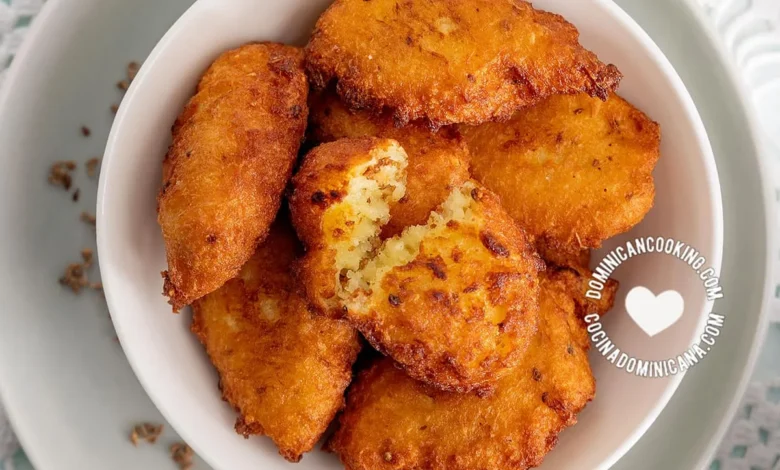
The Dominican Republic’s culinary landscape is rich with flavors and textures that speak to its vibrant history and cultural fusion. Among its beloved street foods and side dishes, arepitas de yuca and their distinct variation, arañitas de yuca, stand out as simple yet profoundly satisfying creations. These crispy cassava fritters, often infused with the subtle aroma of anise, represent more than just a tasty snack; they are a testament to the ingenuity of Dominican home cooking and a cherished part of the national gastronomic identity. This article delves into the origins, preparation, and cultural significance of these delectable treats, exploring the nuanced differences between arepitas and arañitas and their enduring appeal.
The Essence of Arepitas and Arañitas de Yuca
At their core, arepitas de yuca are a form of Dominican fritura, a category of fried delicacies that are a staple in the island’s cuisine. Yuca, also known as cassava or manioc, is a starchy root vegetable that forms the backbone of countless dishes across Latin America and the Caribbean. In the Dominican Republic, it is transformed into these delightful fritters, typically served as a side dish to complement lunch meals. The appeal lies in their dual nature: a wonderfully crispy exterior that gives way to a tender, flavorful interior. The addition of anise, a common flavoring agent in Dominican cooking, imparts a unique aromatic quality that elevates these fritters from ordinary to extraordinary.

The distinction between arepitas and arañitas de yuca lies in a subtle yet significant alteration of the grating process, which directly impacts the final texture and appearance. This difference, though seemingly minor, yields two distinct culinary experiences, showcasing the versatility of yuca and the creativity inherent in traditional cooking.
Unraveling the Difference: Arepitas vs. Arañitas
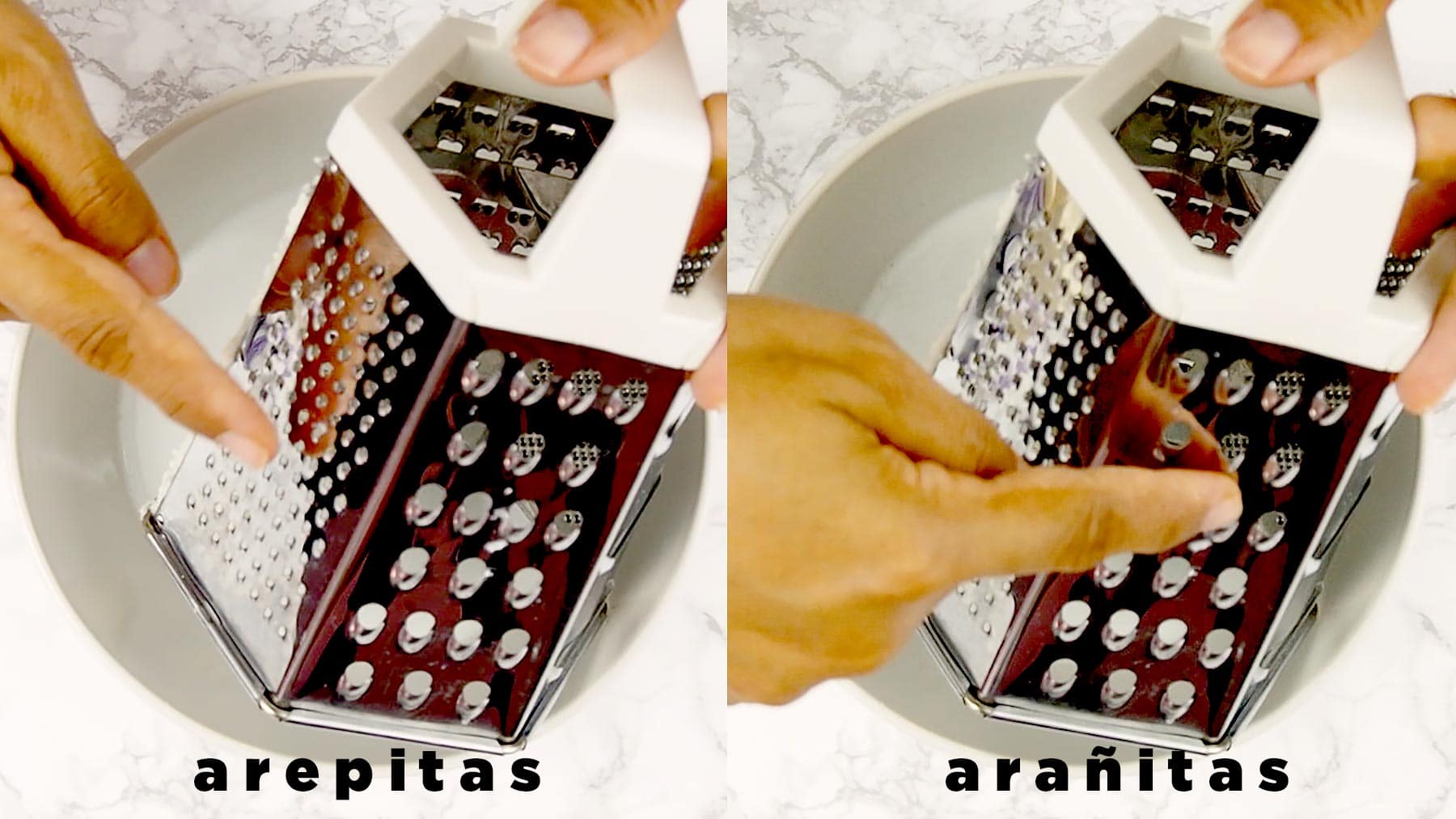
The key to understanding the divergence between arepitas and arañitas de yuca rests entirely on the grater used and the side of the grating surface.
-
Arepitas de Yuca: These are made by grating the yuca using the finer side of a grater. This method produces a smoother dough-like mixture, which is then formed into small patties or balls and deep-fried. The resulting arepitas are generally more uniformly shaped with a denser, yet still crispy, texture. They offer a consistent crunch and a well-integrated flavor profile.

-
Arañitas de Yuca: The name "arañitas" translates to "little spiders" in Spanish, a moniker that perfectly describes their characteristic appearance. To achieve this unique look, the yuca is grated using the coarsest side of the grater. This process results in longer, thinner strands of yuca that, when fried, stick out in various directions, resembling a spider’s legs. These loose strands create an exceptionally crispy and airy fritter, with a more irregular, "shaggy" texture. The arañitas offer a delightful textural contrast, with delicate, lacy edges that shatter upon biting, surrounding a tender core.
This simple variation in grating technique highlights how a small adjustment in preparation can lead to a significantly different, yet equally enjoyable, culinary outcome. It’s a testament to the nuanced artistry found in everyday cooking, where precision and understanding of ingredients can unlock a spectrum of textures and flavors.
A Culinary Legacy: The Roots of Yuca Fritters
The use of yuca in the Dominican Republic dates back centuries, deeply intertwined with the island’s agricultural history and the culinary traditions inherited from indigenous Taíno populations, as well as Spanish and African influences. Yuca was a staple food for the Taíno people, who cultivated it extensively. Over time, its preparation evolved, with various methods of cooking and transforming it into different dishes.
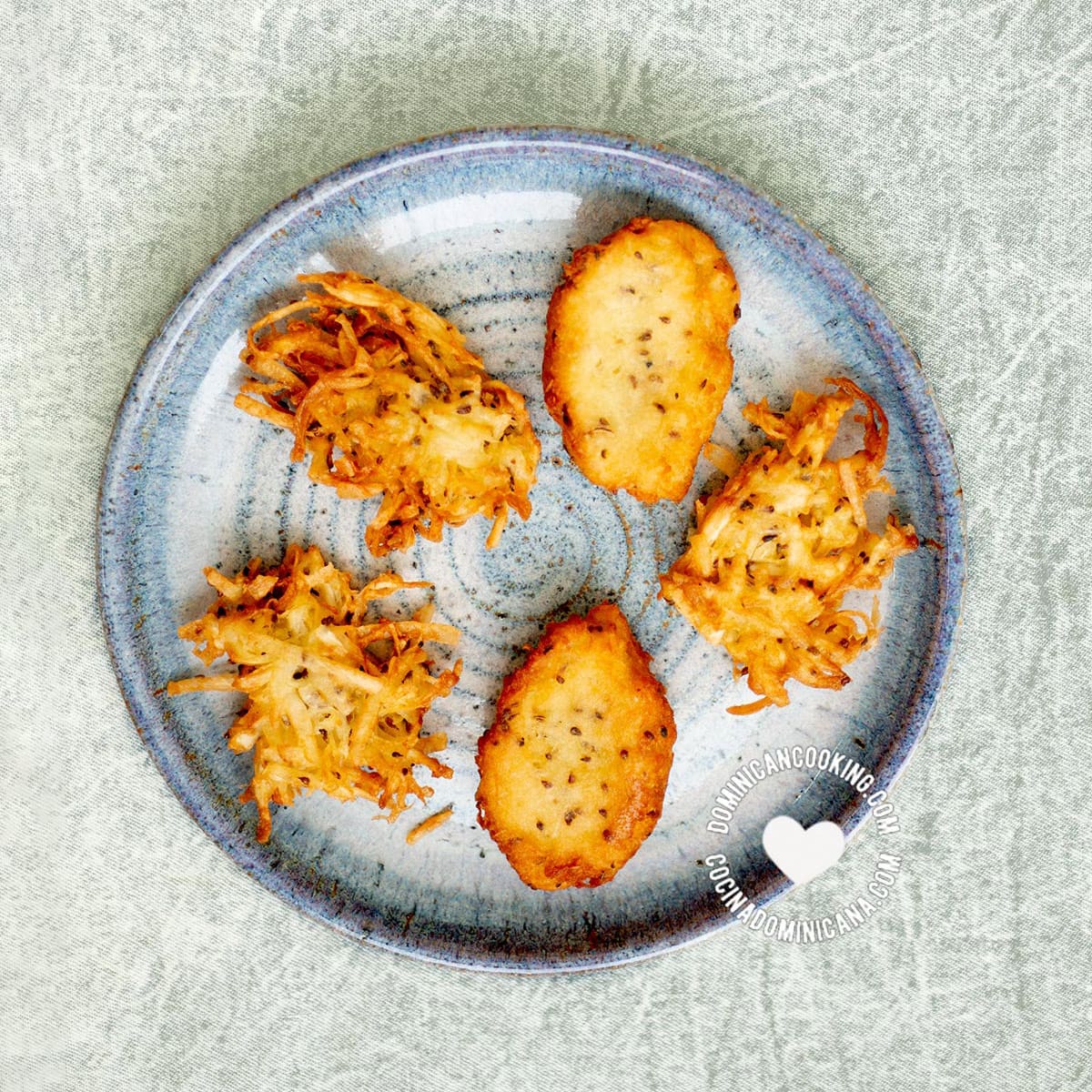
Fritters, or frituras, are a common culinary practice across many cultures, often born out of a desire to utilize ingredients in appealing and palatable ways. In the Dominican context, yuca fritters likely emerged as a resourceful and delicious method to prepare this versatile root vegetable. The addition of flavorings like salt, sugar, and anise reflects the broader Dominican palate, which often balances sweet and savory notes with aromatic spices.
The specific evolution of arepitas and arañitas may not have a precise historical record, as is often the case with traditional home-style cooking. However, their presence in Dominican households and local eateries for generations speaks to their enduring popularity. The introduction of the arañitas variation, attributed in some accounts to friends or family members sharing recipes, underscores the communal nature of food culture, where knowledge is passed down and adapted, enriching the culinary heritage.
The Taste Profile: A Symphony of Flavors
The flavor profile of both arepitas and arañitas de yuca is a delightful interplay of simple yet profound tastes. The inherent mild sweetness of the yuca is enhanced by the addition of salt, creating a balanced base. The subtle inclusion of anise provides an aromatic counterpoint, adding a warm, slightly licorice-like note that is both distinctive and comforting.
- Salt: Essential for enhancing the natural flavors of the yuca and providing a savory foundation.
- Sugar: Often added in small quantities to round out the flavors and contribute to the caramelization during frying, adding a hint of sweetness.
- Anise: The star aromatic. Ground anise seeds or anise extract are incorporated into the yuca mixture, imparting a fragrant aroma and a subtle, warm spice that is characteristic of many Dominican desserts and savory dishes.
When fried to a perfect golden brown, the exterior develops a satisfying crispness, while the interior remains tender and moist. The combination of the crispy texture, the savory-sweet yuca, and the fragrant anise creates a truly moreish experience. They are often enjoyed on their own as a snack or appetizer, but their versatility makes them an excellent accompaniment to a wide range of Dominican main courses, adding a textural and flavorful dimension to any meal.
Preparation: A Simple Process, Remarkable Results
The preparation of arepitas and arañitas de yuca is remarkably straightforward, making them an accessible dish for home cooks. The primary ingredients are yuca, salt, sugar, and anise. The process involves:
- Peeling and Grating Yuca: The yuca root is peeled to remove its tough outer skin. It is then grated according to the desired fritter type: the finer side for arepitas, and the coarser side for arañitas.
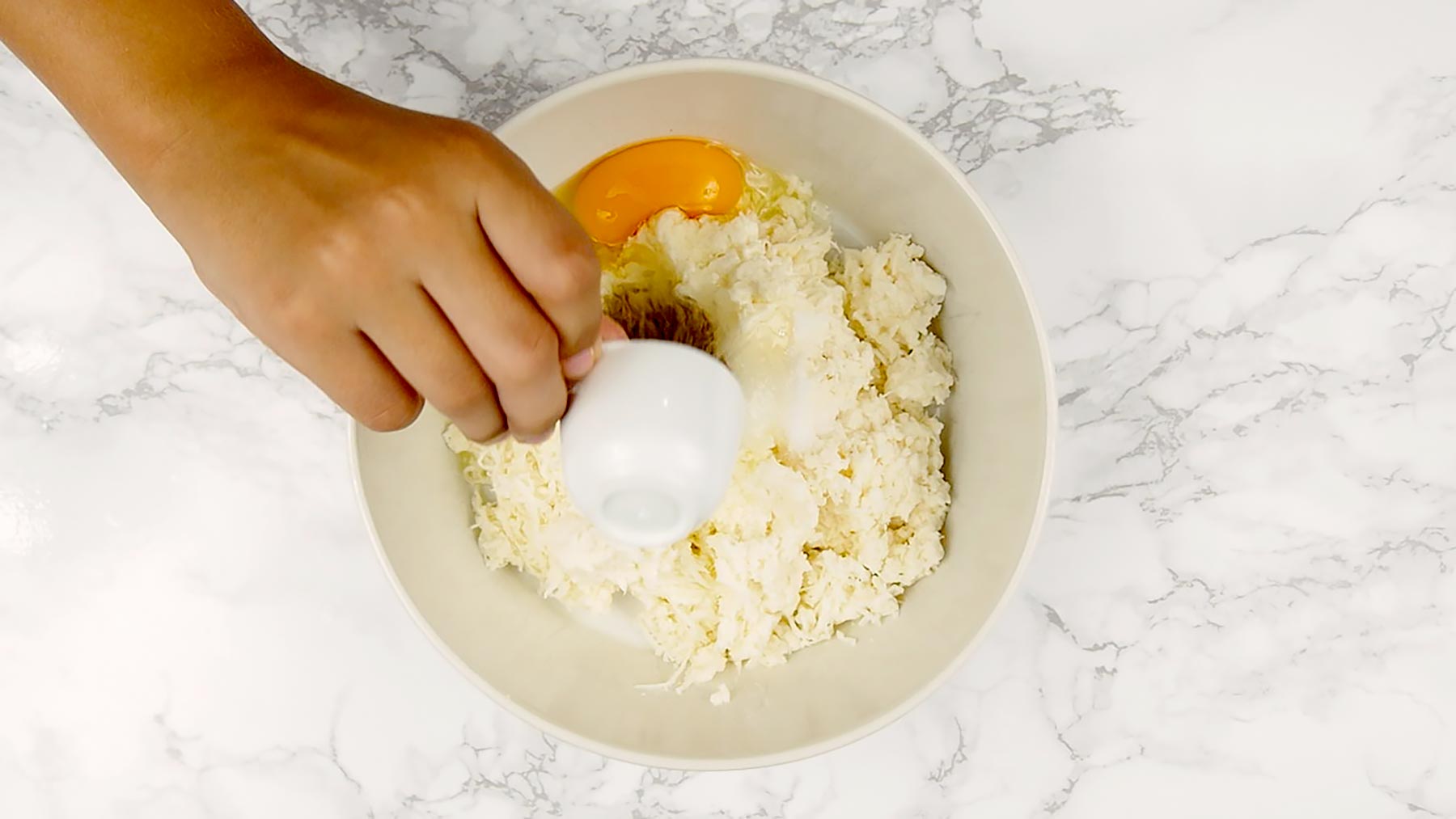
- Seasoning the Mixture: The grated yuca is then mixed with salt, sugar, and anise. Some recipes may also include a binder like a small amount of flour or egg, though many traditional versions rely solely on the starchiness of the yuca.
- Forming the Fritters: For arepitas, small patties or balls are formed. For arañitas, the grated strands are loosely gathered.
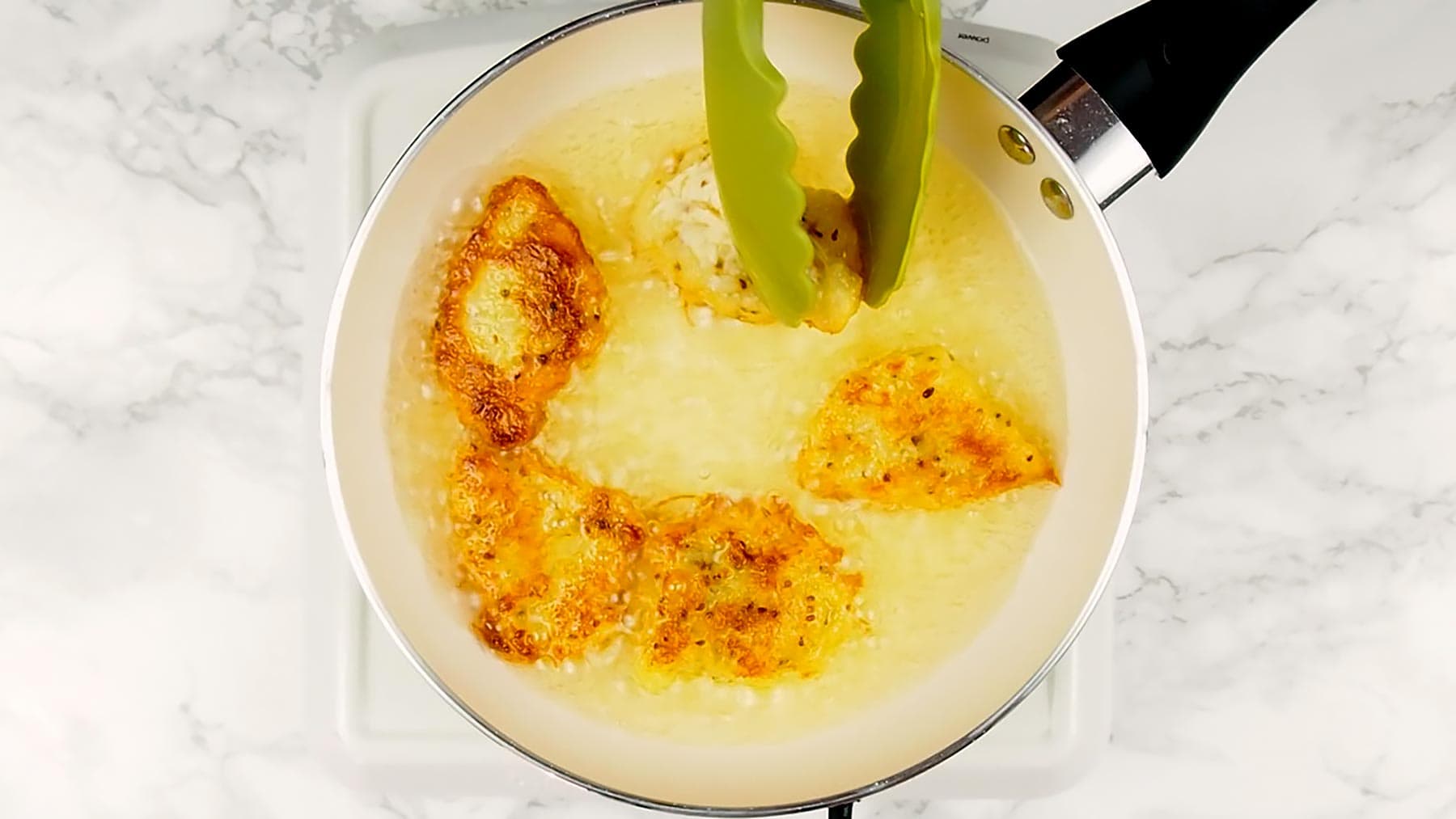
- Frying: The fritters are deep-fried in hot oil until they are golden brown and crispy. The temperature of the oil is crucial for achieving the desired crispness without burning the exterior before the interior is cooked.
The entire process, from preparation to frying, is relatively quick, often completed within 15-30 minutes, depending on the quantity. This speed and simplicity contribute to their popularity as a go-to snack or side dish.
Cultural Significance and Culinary Context
Arepitas and arañitas de yuca are more than just food; they are woven into the fabric of Dominican culture. They represent the resourcefulness and culinary creativity that characterizes the nation’s cuisine. As a common picadera (appetizer or snack), they are often found at informal gatherings, family meals, and even as part of street food offerings.
The practice of sharing recipes and culinary knowledge, as highlighted by the author’s mention of a friend teaching her the arañitas technique, is a cornerstone of Dominican food culture. These recipes are often passed down through generations, with each family adding its own subtle variations. The gratitude expressed for this knowledge transfer underscores the value placed on preserving and propagating these culinary traditions.
In the broader context of Dominican cuisine, yuca is a versatile ingredient used in various forms, including boiled yuca with mojo (a garlic sauce), moro de yuca (a rice and yuca dish), and casabe (a thin, crisp flatbread). Arepitas and arañitas offer a delightful fried dimension to this staple, showcasing its adaptability and widespread appeal.
Broader Implications and Culinary Tourism
The popularity of arepitas and arañitas de yuca extends beyond the Dominican Republic. As global interest in Caribbean cuisine continues to grow, these accessible and flavorful fritters are gaining recognition among food enthusiasts and culinary tourists. Their simple ingredients and distinctive textures make them an appealing entry point into the richness of Dominican gastronomy.
The increasing visibility of traditional dishes like these also supports local economies, encouraging the cultivation and trade of key ingredients like yuca. Furthermore, it fosters a sense of national pride, as traditional recipes are shared and celebrated on a wider platform. The ability to recreate these tastes at home, facilitated by online recipes and cooking tutorials, bridges geographical distances and allows individuals to connect with Dominican culture through its food.
The enduring appeal of arepitas and arañitas de yuca lies in their humble origins, their straightforward preparation, and their undeniably delicious taste. They are a reminder that some of the most satisfying culinary experiences come from simple, well-loved ingredients transformed with a touch of tradition and a dash of culinary ingenuity. Whether enjoyed as a crispy, spider-like arañita or a more uniformly shaped arepita, these cassava fritters offer a genuine taste of the Dominican Republic, one delightful bite at a time.
Related posts: