
Persian Saffron Braised Chicken Thighs

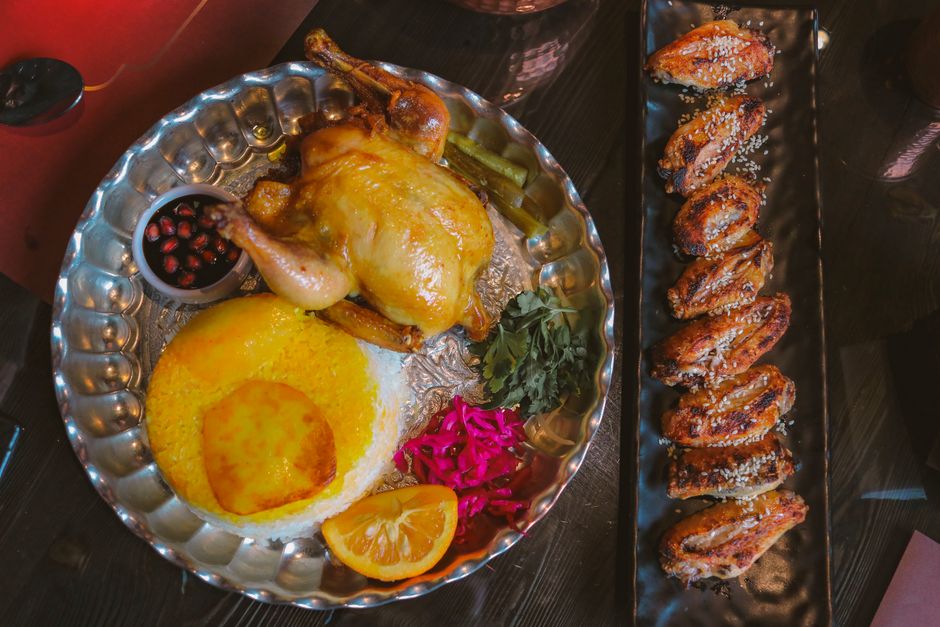
Persian Saffron Braised Chicken Thighs: An Aromatic Culinary Masterpiece
Persian saffron braised chicken thighs represent a pinnacle of Persian cuisine, a dish where the delicate floral notes of saffron intertwine with the savory depth of slow-cooked chicken. This recipe transcends simple weeknight meals, offering a complex flavor profile and a luxurious texture that speaks of ancient culinary traditions and meticulous preparation. The magic lies in the interplay of premium ingredients, particularly the potent saffron, which imbues the chicken with its characteristic golden hue and unmistakable aroma. This isn’t merely about cooking chicken; it’s an alchemical process of transforming humble ingredients into an aromatic masterpiece, best enjoyed with fluffy Persian rice, known as chelow, to absorb every last drop of the exquisite braising liquid.
The foundational element of this dish, and indeed many Persian culinary triumphs, is saffron. True Persian saffron, derived from the stigmas of the Crocus sativus flower, is renowned globally for its superior quality, vibrant color, and potent aroma. Sourcing authentic saffron is paramount. Look for deep red threads with a subtle golden base, a sign of proper drying and minimal damage. Avoid powdered saffron, which is often adulterated and loses its delicate fragrance quickly. To unlock saffron’s full potential, it must be bloomed. This involves steeping a generous pinch of saffron threads in a small amount of warm water (not boiling) for at least 15-20 minutes. The water will transform into a vivid, golden elixir, releasing the saffron’s essence. This bloomed saffron will be the soul of the braising liquid, infusing the chicken with its unmistakable flavor and enchanting aroma.
Chicken thighs are the ideal cut for braising. Their higher fat content compared to chicken breasts ensures they remain incredibly moist and tender throughout the slow cooking process. This succulence is crucial for a successful braised dish, preventing dryness and creating a melt-in-your-mouth texture. When selecting chicken thighs, opt for bone-in, skin-on varieties for maximum flavor development. The skin will render its fat, adding richness to the braising liquid, and the bone will contribute to a more profound depth of flavor. Before braising, searing the chicken thighs is a critical step that builds a foundational layer of flavor through the Maillard reaction. A well-seared thigh develops a beautiful golden-brown crust, adding complexity and visual appeal to the finished dish.
The aromatic foundation of this Persian saffron braised chicken thigh recipe is built upon a carefully curated blend of spices and aromatics, mirroring the intricate spice palettes found throughout Persian cooking. Onions, finely diced and slowly caramelized, provide a sweet and savory base. Garlic, minced, adds its pungent counterpoint, while a touch of turmeric, beyond its health benefits, contributes to the dish’s golden hue and earthy undertones. Cinnamon, a hallmark of Persian cuisine, adds a subtle warmth and sweetness that beautifully complements the saffron and chicken. The judicious use of black pepper, freshly ground, provides a gentle bite, balancing the richness. Some variations might include a pinch of cardamom for an extra layer of exotic fragrance, or a whisper of cumin for a deeper, more savory note. The key is balance; each aromatic should enhance, not overpower, the star ingredient: saffron.
The braising liquid itself is a symphony of flavors designed to tenderize the chicken and create a luscious sauce. Beyond the bloomed saffron and the initial aromatics, this liquid often incorporates a flavorful broth – chicken or vegetable broth are common choices. A touch of tomato paste, caramelized slightly before deglazing, can add a pleasant tang and depth of color. For a touch of sweetness and complexity, a tablespoon or two of honey or a drizzle of date syrup can be incorporated, reflecting the historical use of natural sweeteners in Persian cooking. Lemon juice or a splash of white wine can add a subtle acidity, cutting through the richness and brightening the overall flavor profile. The goal is a liquid that is rich, aromatic, and perfectly seasoned, capable of transforming tough cuts of meat into tender, flavorful morsels.
The process of braising is intrinsically linked to patience and controlled heat. After searing the chicken thighs and sautéing the aromatics, the chicken is returned to the pot, and the bloomed saffron and other liquids are added. The pot is then covered tightly, and the heat is reduced to a gentle simmer. This low and slow cooking method allows the collagen in the chicken to break down, resulting in incredibly tender and succulent meat. The lid ensures that the moisture is trapped within the pot, creating a steamy environment conducive to braising. The braising time can vary depending on the size of the chicken thighs, but typically ranges from 45 minutes to 1.5 hours, or until the chicken is fork-tender and easily pulled apart. Regular checking of the liquid level is advisable, and if it appears to be reducing too quickly, a small addition of hot broth or water can be made.
Serving Persian saffron braised chicken thighs is an art form in itself, designed to showcase the dish’s beauty and aromatic prowess. The most traditional accompaniment is chelow, a meticulously prepared Persian rice. Chelow is characterized by its fluffy, separated grains and the coveted crispy bottom layer known as tahdig. The saffron-infused braising liquid from the chicken is poured generously over the chelow, allowing the rice to absorb its rich flavors and golden hue. Glistening saffron threads, a few reserved from the blooming process, can be sprinkled atop the chicken for visual appeal and an intensified saffron experience. Fresh herbs, such as finely chopped parsley or cilantro, can offer a bright, herbaceous counterpoint. Roasted nuts, like slivered almonds or pistachios, add a delightful textural contrast and a subtle nutty flavor.
The SEO optimization of this article is achieved through strategic keyword integration and a clear, logical structure. Keywords such as "Persian saffron chicken," "braised chicken thighs," "saffron chicken recipe," "how to cook saffron chicken," "Middle Eastern chicken," and "authentic Persian recipes" are naturally woven throughout the text. The title itself is designed to be highly searchable and descriptive. The article’s structure, moving from the core ingredient (saffron) to the cooking method (braising) and finally to serving suggestions, provides a comprehensive overview that caters to users seeking detailed information. Internal linking opportunities can be explored by linking to other relevant Persian recipes or articles on saffron, further enhancing SEO.
Beyond the core recipe, understanding the cultural significance and historical context of saffron in Persian cuisine adds another layer of richness. Saffron has been cultivated and prized in Persia for millennia, deeply embedded in its art, medicine, and culinary traditions. It was often used as a dye, a medicinal ingredient, and a symbol of wealth and status. The use of saffron in dishes like this braised chicken signifies a connection to this enduring heritage, a culinary lineage passed down through generations. The gentle fragrance and distinct flavor of saffron are not merely ingredients; they are an integral part of the Persian sensory experience.
To further enhance the flavor profile and ensure optimal tenderness, consider marinating the chicken thighs in a mixture of yogurt, garlic, lemon juice, and a pinch of saffron for at least an hour, or preferably overnight, before searing. The acidity in the yogurt and lemon juice helps to tenderize the meat, while the saffron begins to infuse its color and flavor even before cooking commences. This pre-treatment can elevate the dish from excellent to truly exceptional. When searing the chicken, ensure the pan is hot enough to achieve a good crust without burning the skin. This initial searing locks in juices and creates a flavorful foundation.
When it comes to the braising liquid, achieving the perfect consistency is key. The liquid should be reduced to a rich, glossy sauce that coats the chicken beautifully. If the braising liquid is too thin after cooking, it can be transferred to a separate saucepan and simmered uncovered to allow excess moisture to evaporate and the sauce to thicken. Alternatively, a slurry of cornstarch or flour mixed with a small amount of cold water can be whisked into the simmering liquid to achieve a thicker consistency. Conversely, if the sauce becomes too thick, a splash of warm broth can be added to loosen it. Tasting and adjusting the seasoning at various stages of the cooking process is crucial. A well-seasoned dish is a testament to a thoughtful cook.
The versatility of Persian saffron braised chicken thighs allows for creative variations and adaptations. While traditionally served with rice, this dish can also be a flavorful addition to stews or served with crusty bread to soak up the delectable sauce. Some cooks might incorporate dried fruits like apricots or prunes into the braising liquid for a sweet and tangy dimension, a common practice in many Persian stews. The inclusion of barberries (zereshk), a tart dried berry, can add a vibrant, zesty contrast to the richness of the chicken and saffron. Experimentation with these additions can lead to personalized versions of this classic dish, always honoring the foundational elements of saffron and slow-cooking.
In conclusion, Persian saffron braised chicken thighs are more than just a recipe; they are an invitation to explore a rich culinary heritage. The careful selection of ingredients, particularly the precious saffron, coupled with the patience of the braising technique, results in a dish that is both comforting and sophisticated. The aromatic complexity, the tender succulence of the chicken, and the visually stunning golden hue combine to create a truly unforgettable dining experience, a testament to the enduring allure of Persian cuisine. This dish serves as a gateway to understanding the subtle art of flavor layering and the profound impact of high-quality ingredients in creating culinary magic.


