Chicken Cordon Bleu Stromboli: A Modern Culinary Adaptation of Classic French-Inspired Comfort Food

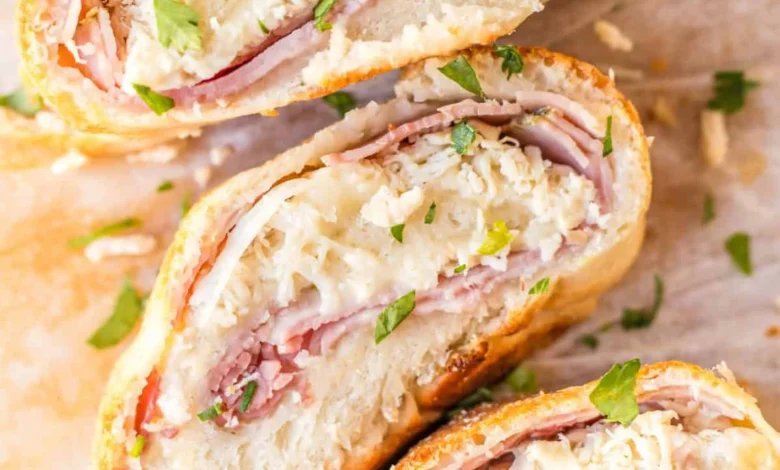
The evolution of home cooking in the 21st century has been defined by a concerted shift toward high-efficiency preparation methods that retain the flavor profiles of labor-intensive, classical dishes. A primary example of this culinary trend is the emergence of the Chicken Cordon Bleu Stromboli, a dish that reinterprets the traditional French-Swiss preparation of Chicken Cordon Bleu through the lens of Italian-American convenience. By deconstructing the classic breaded, stuffed chicken breast and reassembling it within a rolled pizza dough structure, home cooks have managed to reduce preparation time from over an hour to approximately 35 minutes, marking a significant change in how complex comfort foods are adapted for modern, time-constrained households.

The Historical and Culinary Context of Chicken Cordon Bleu
To understand the impact of this adaptation, one must first consider the origins of the original dish. While the term "Cordon Bleu" (Blue Ribbon) has been used in culinary circles for centuries to denote excellence, the specific dish featuring ham and Swiss cheese wrapped in chicken was popularized in the mid-20th century, likely originating in Switzerland before gaining widespread popularity in the United States during the 1960s. The traditional method requires a multi-step process: pounding chicken breasts thin, carefully wrapping them around ham and cheese, breading the exterior, and pan-frying or baking the ensemble to ensure internal safety while maintaining a crisp exterior.
The logistical challenges of this process—namely the potential for cheese leakage and the uneven cooking of the chicken—have historically limited the dish to restaurant menus or weekend "project" cooking. The rise of the stromboli format represents a departure from these constraints. By substituting the breaded exterior with pre-prepared, refrigerated pizza dough, the dish achieves a uniform crust that traps moisture and prevents the cheese from escaping, providing a consistent outcome that is far more accessible to the average home cook.
Chronology and Methodology of the Modern Adaptation
The shift toward "shortcut" iterations of classic recipes gained significant traction in the post-pandemic era, as consumer data indicated a heightened demand for "weeknight-friendly" recipes that utilize pre-cooked proteins. The current iteration of the Chicken Cordon Bleu Stromboli relies on a specific assembly sequence that optimizes thermal distribution during the baking process.
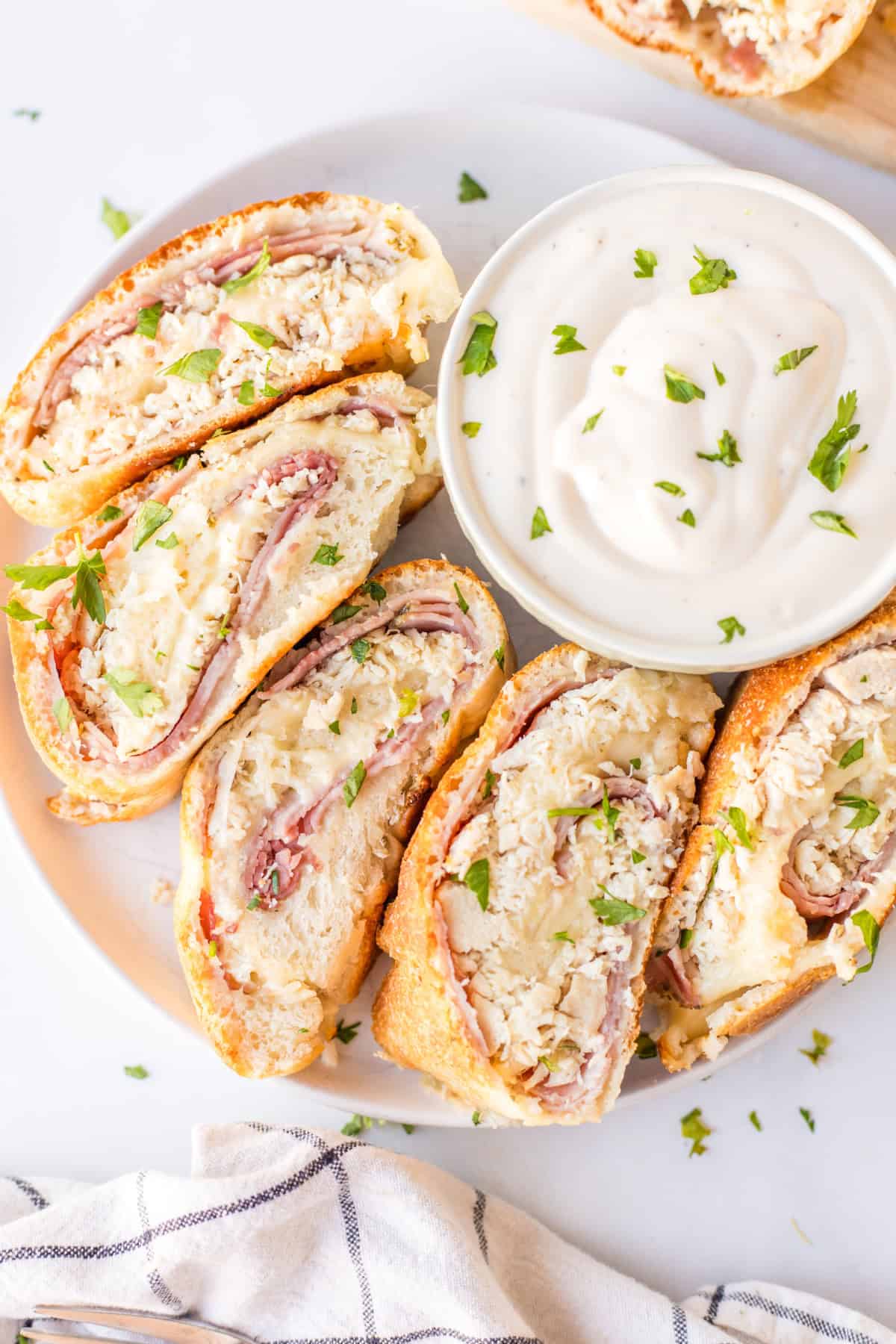
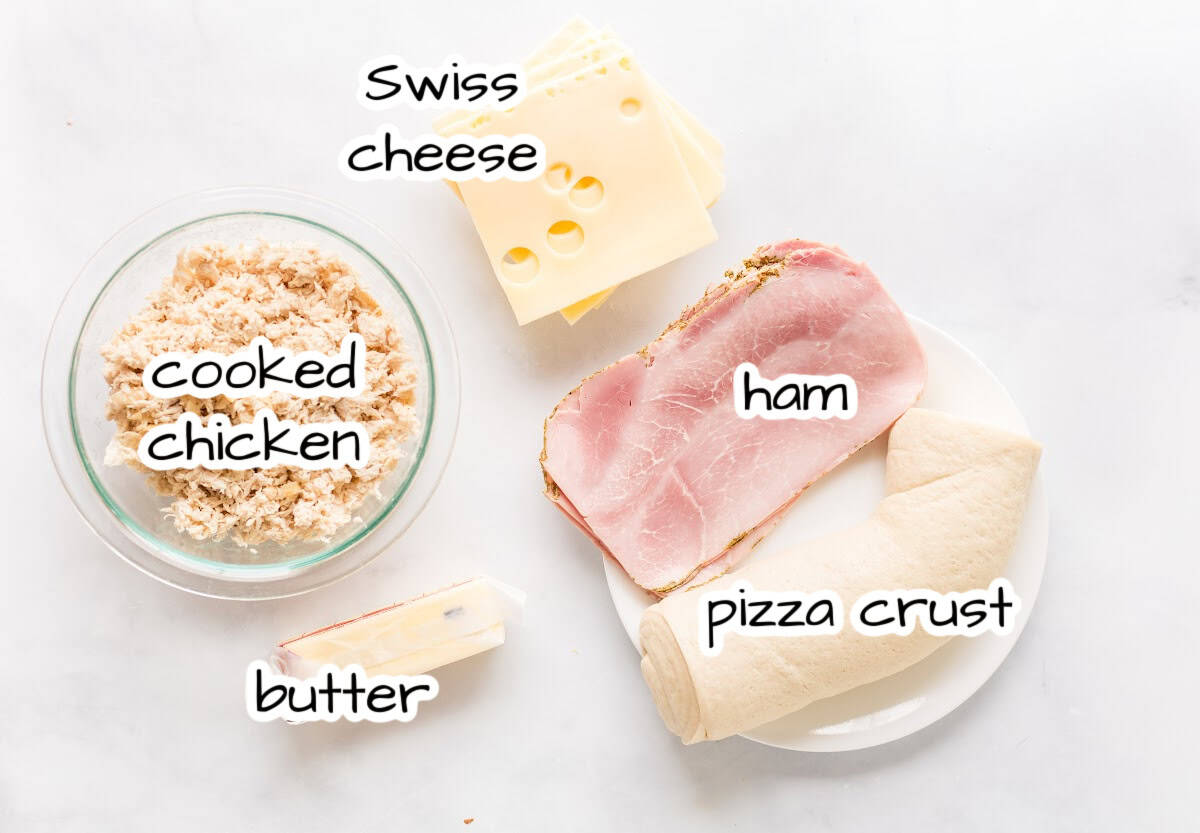
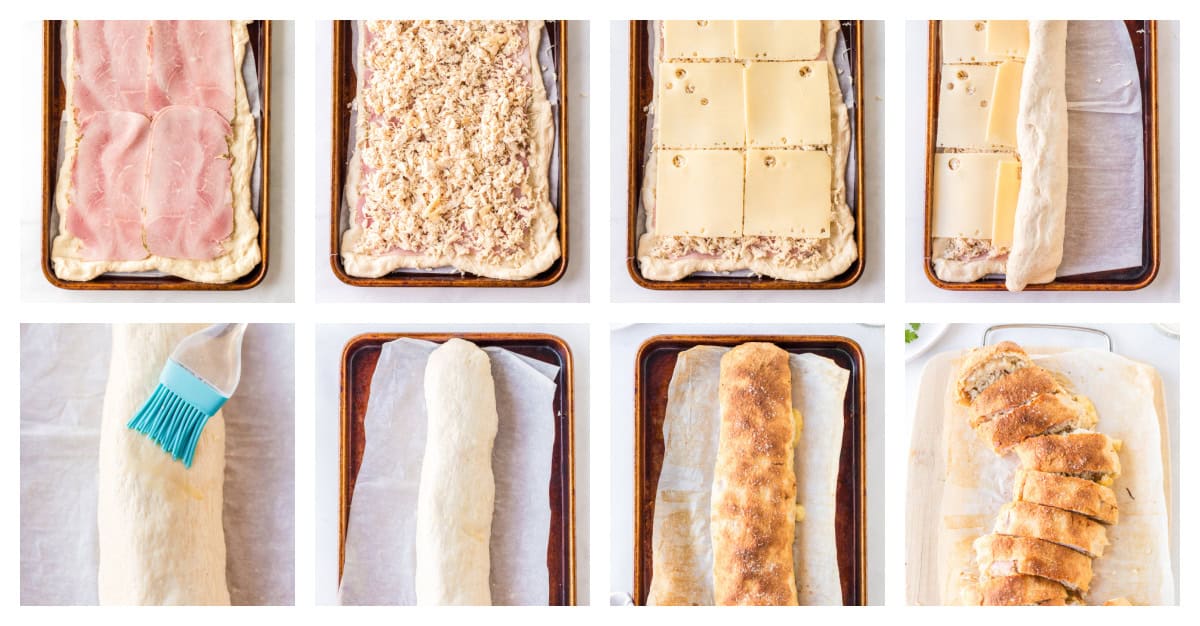
The methodology begins with the preheating of an oven to ensure the dough reaches an internal temperature sufficient to rise without burning. The foundational layer consists of stretched pizza dough, which acts as a vessel for the fillings. Culinary analysts note that the choice of ingredients is paramount: shredded, pre-cooked chicken—often sourced from rotisserie chickens—is preferred over raw protein to ensure the filling reaches safe consumption temperatures before the crust over-browning. The inclusion of thin-sliced ham and Swiss cheese follows, typically accented with Dijon mustard, which provides the necessary acidity to balance the richness of the melted cheese and the buttery nature of the dough. The process concludes with a tight roll, sealing the seams to create a self-contained unit that mimics the structural integrity of a traditional stromboli.
Supporting Data and Nutritional Composition
From a nutritional standpoint, the transition from a breaded, fried cutlet to a dough-wrapped loaf represents a shift in macronutrient distribution. A standard serving of this stromboli, calculated at approximately 393 kilocalories, offers a balanced intake for a primary meal. Data points indicate that the dish provides roughly 26 grams of protein, largely derived from the poultry and cheese components, while carbohydrates are moderated by the portioning of the pizza dough.
The sodium content, which averages around 789 milligrams per serving, is largely attributed to the inclusion of processed meats and commercial pizza dough. Culinary experts recommend that for those monitoring sodium intake, the use of low-sodium deli ham or fresh, non-processed chicken can effectively mitigate these levels. The lipid profile, containing approximately 18 grams of fat, is consistent with similar comfort-food entrées, though the use of Swiss cheese ensures a higher calcium content compared to standard pizza-based dishes.
Industry Implications and Consumer Behavior
The proliferation of this recipe format across digital platforms and culinary publications highlights a broader trend in the food industry: the "democratization of classic cuisine." By lowering the barrier to entry, these simplified recipes encourage home cooks to experiment with flavors that were previously perceived as "advanced" or "time-consuming."
Retailers have noted an uptick in the sale of refrigerated dough and pre-shredded chicken, which suggests that consumers are increasingly looking for "assembly-based" cooking rather than "prep-based" cooking. This behavioral change is supported by market research showing that households are prioritizing speed and minimal cleanup without sacrificing the "warm, homemade" quality of the final product. The integration of optional dipping sauces, such as Alfredo or honey mustard, further demonstrates the consumer’s desire for customization, a key driver in the success of modern recipe development.
Expert Perspectives on Culinary Simplification
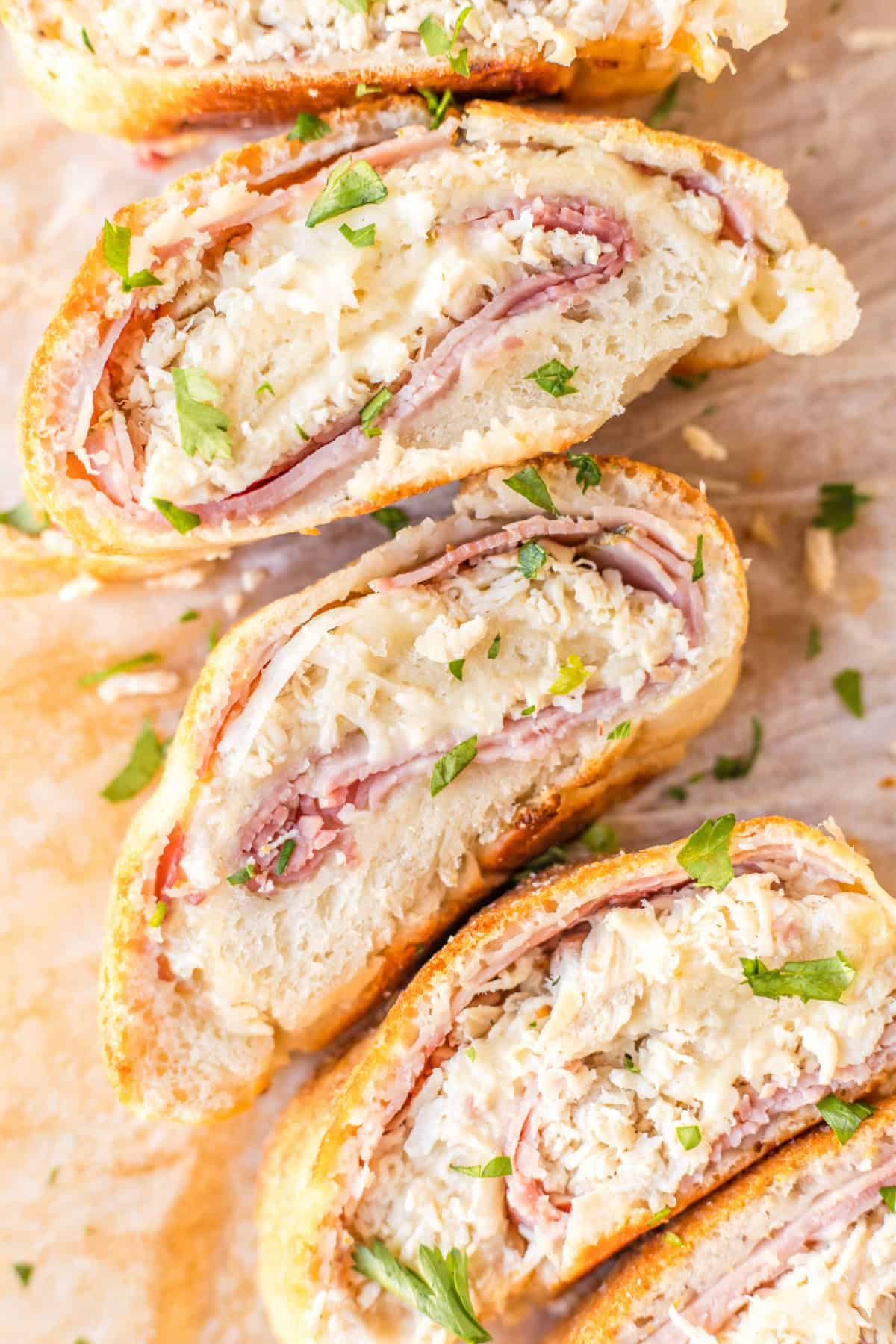
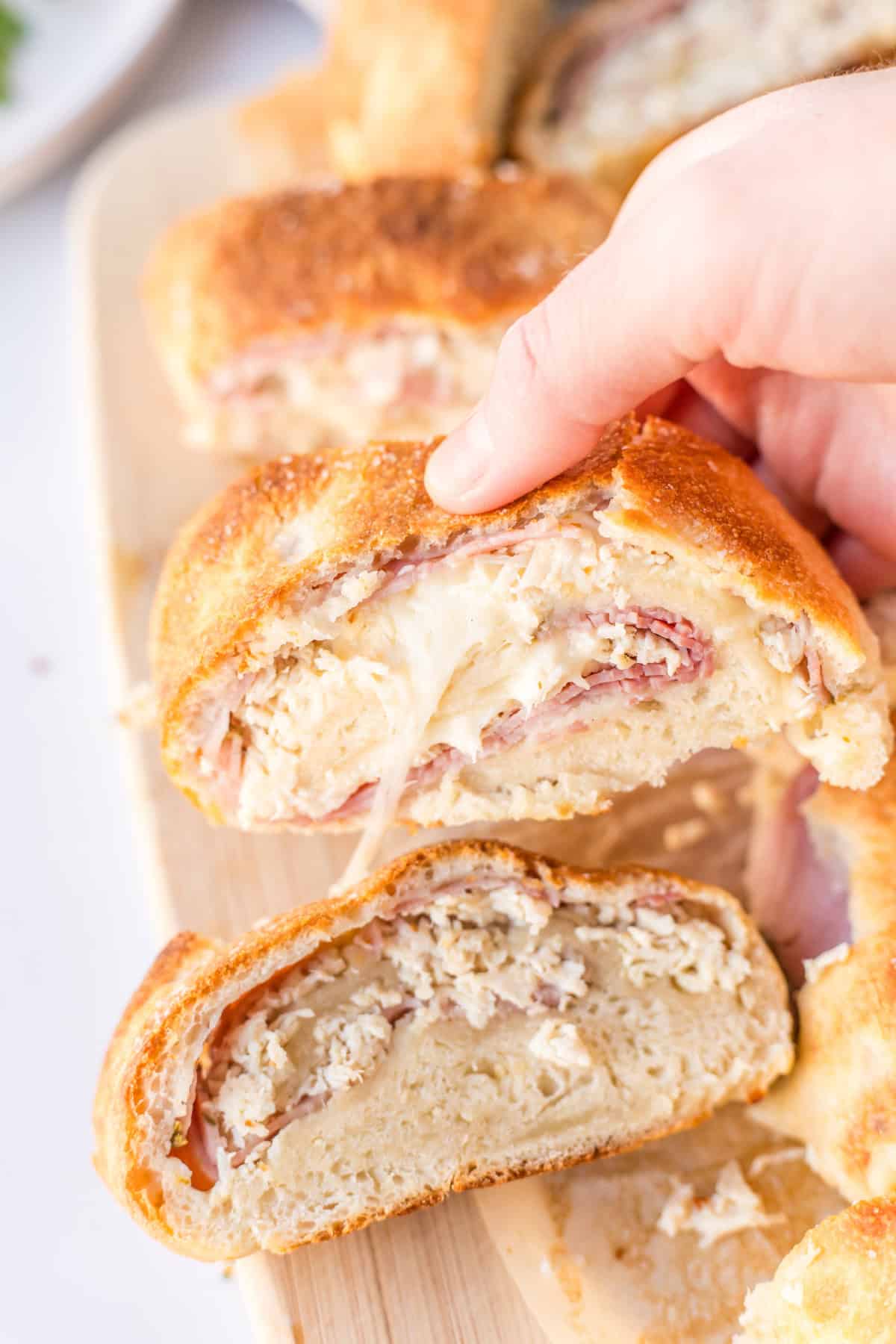
Food scientists and chefs have generally responded positively to the trend of reinterpreting classic dishes, provided that the integrity of the flavor profile is maintained. The primary challenge in adapting Chicken Cordon Bleu is the retention of the "melty" texture of the Swiss cheese. When cooked inside a breaded chicken breast, the cheese is insulated; when placed inside a stromboli, the dough provides a similar, albeit more bready, insulation.
"The key to a successful adaptation is understanding the thermal properties of your ingredients," says a culinary consultant familiar with the dish’s rise. "By using pre-cooked chicken, the baker is essentially focusing on heating the components and crisping the dough, rather than worrying about the dangers of undercooked poultry. This minimizes the margin for error significantly."
Future Outlook for Home Cooking Trends
As we look toward the future of home meal preparation, the success of the Chicken Cordon Bleu Stromboli serves as a blueprint for other classic dishes. The potential for similar adaptations—such as beef Wellington pockets or simplified chicken Kiev—remains high. The central implication is that as life schedules become more demanding, the culinary focus will continue to shift away from technical mastery of traditional French methods and toward the intelligent application of modern, convenient ingredients.
This shift does not necessarily signal the end of traditional cooking, but rather the creation of a tiered culinary experience: one for professional environments and weekend hobbyist endeavors, and another for the daily requirement of providing nutritious, satisfying meals for families. The Chicken Cordon Bleu Stromboli stands as a testament to the fact that with a slight re-imagining of form, the most beloved flavors of the past can remain relevant and accessible in the present day. Through this lens, the humble stromboli becomes more than just a quick dinner; it is an evolution of culinary convenience that balances historical appreciation with the practical realities of modern life.
Related posts: