Upside-Down Mushroom Tarts Offer a Sophisticated Plant-Based Appetizer Solution

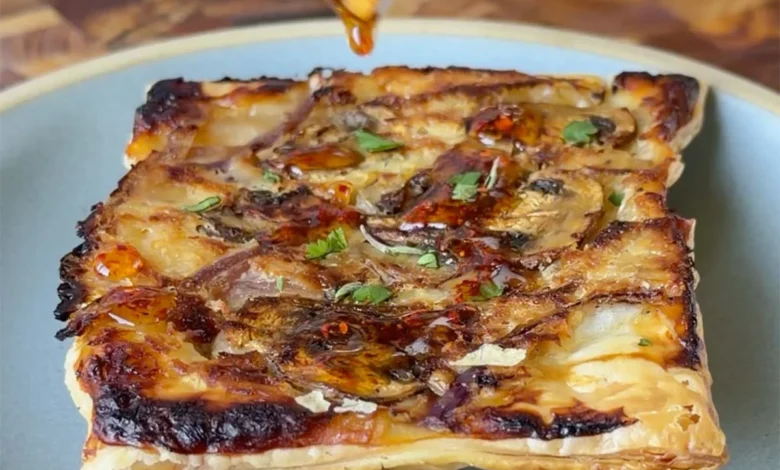
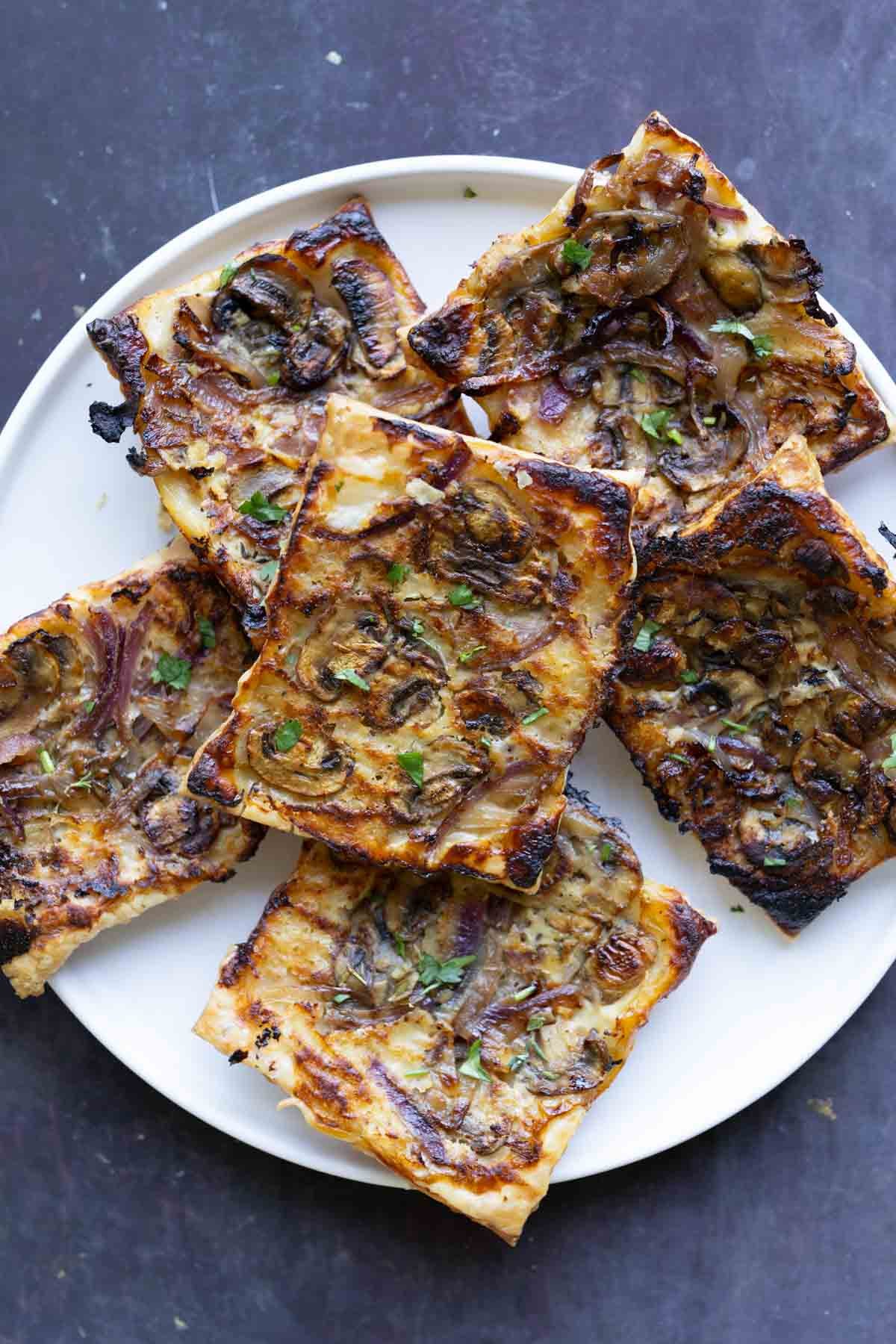
The landscape of modern plant-based culinary arts has been significantly shaped by the recent trend of "upside-down" pastries, a technique that prioritizes ease of preparation without compromising aesthetic or flavor complexity. Among the latest contributions to this movement is the emergence of savory, handheld mushroom tarts that utilize a strategic combination of balsamic-glazed mushrooms and a protein-rich white bean spread. This development reflects a broader shift in home entertaining, where hosts increasingly seek sophisticated, nutrient-dense, and allergen-friendly options that minimize time spent in the kitchen during events.
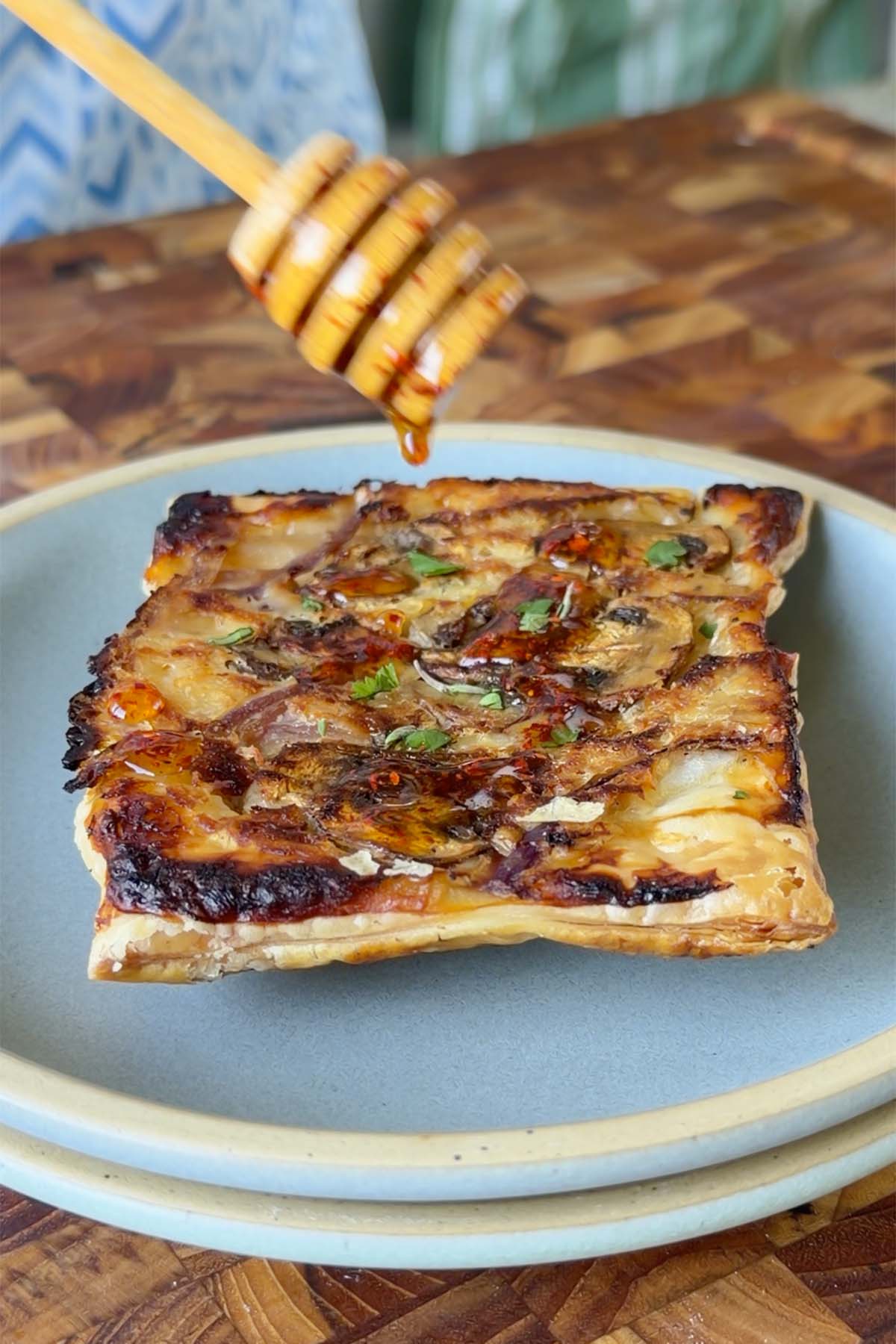
Culinary Mechanics and Preparation Efficiency
The preparation of these tarts deviates from traditional pastry construction, which typically requires pre-cooking fillings and blind-baking crusts. In this methodology, the raw components—specifically sliced mushrooms, onions, and a seasoned white bean puree—are assembled directly on a baking sheet before being topped with puff pastry. This “upside-down” approach allows the vegetable mixture to caramelize in its own juices while the pastry bakes, effectively turning the baking sheet into a roasting vessel.
From a logistical standpoint, this design is highly efficient for large-scale gatherings. Because the components do not require extensive pre-processing, the assembly time is reduced to a fraction of that required for traditional tarts or quiches. The white bean spread serves as a functional culinary bridge; it acts as a creamy, savory anchor that mimics the texture of classic soft-ripened cheeses like Brie or Camembert. By incorporating white beans, the dish achieves a nutritional profile that includes approximately 10 grams of protein and 5 grams of fiber per serving, providing a degree of satiety rarely found in standard puff pastry appetizers.
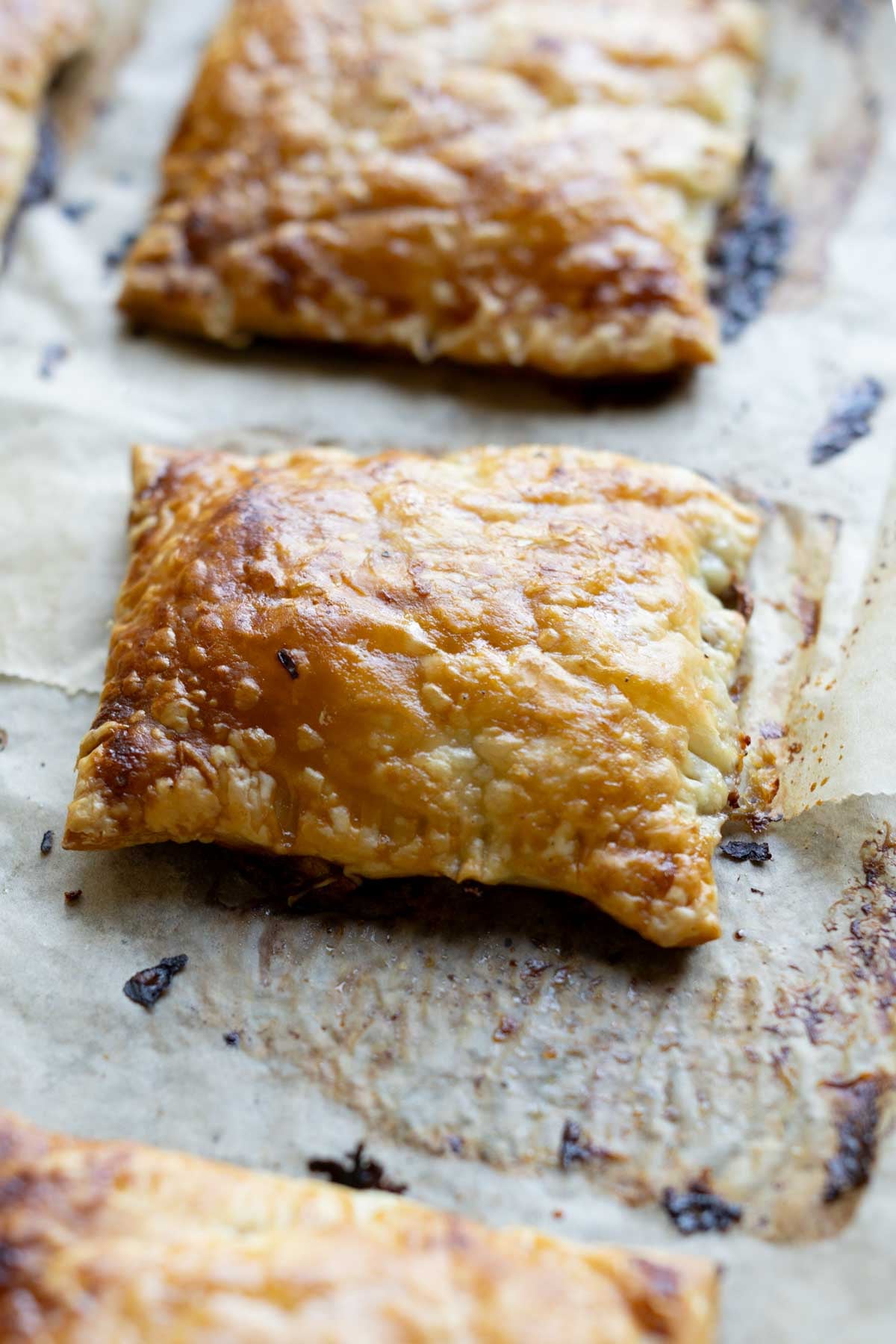
Nutritional Profile and Dietary Inclusivity
As dietary restrictions become more prevalent in communal dining settings, the importance of "inclusive" recipes—those that avoid common allergens—has grown. These tarts are naturally soy-free and nut-free, provided that non-dairy milk and other components are selected with care. The protein density, derived primarily from the legumes in the bean spread and the addition of nutritional yeast, offers a substantial alternative for health-conscious consumers.
Data regarding the nutritional content indicates a profile of 371 calories per serving, with a balanced distribution of macronutrients. The inclusion of complex carbohydrates from the beans and the fiber content from the mushrooms suggests that the dish can serve as a more nutritionally robust option compared to traditional puff-pastry appetizers, which are often characterized by high saturated fat content and minimal micronutrient density.
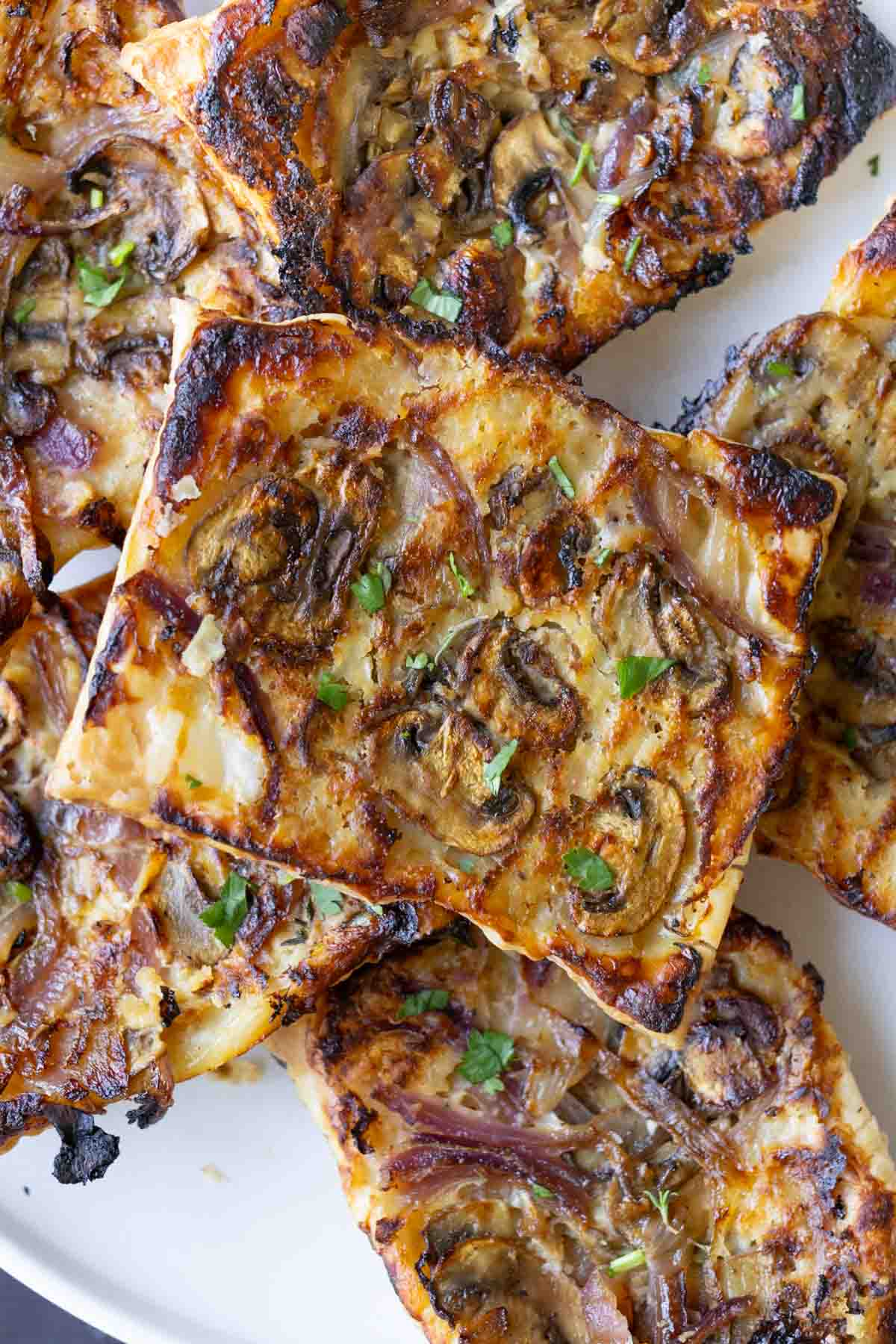
Historical Context and Modern Trends
The rise of the "upside-down" tart—often characterized by caramelized fruit or vegetable bases topped with pastry—can be traced to the broader evolution of viral food trends that prioritize visual appeal for social media platforms. However, the adaptation into a savory, protein-focused appetizer represents a maturing of the trend. Culinary historians note that the use of balsamic vinegar to caramelize mushrooms is a classic technique, but pairing it with a bean-based "cheese" reflects contemporary advancements in food science and plant-based ingredient substitution.
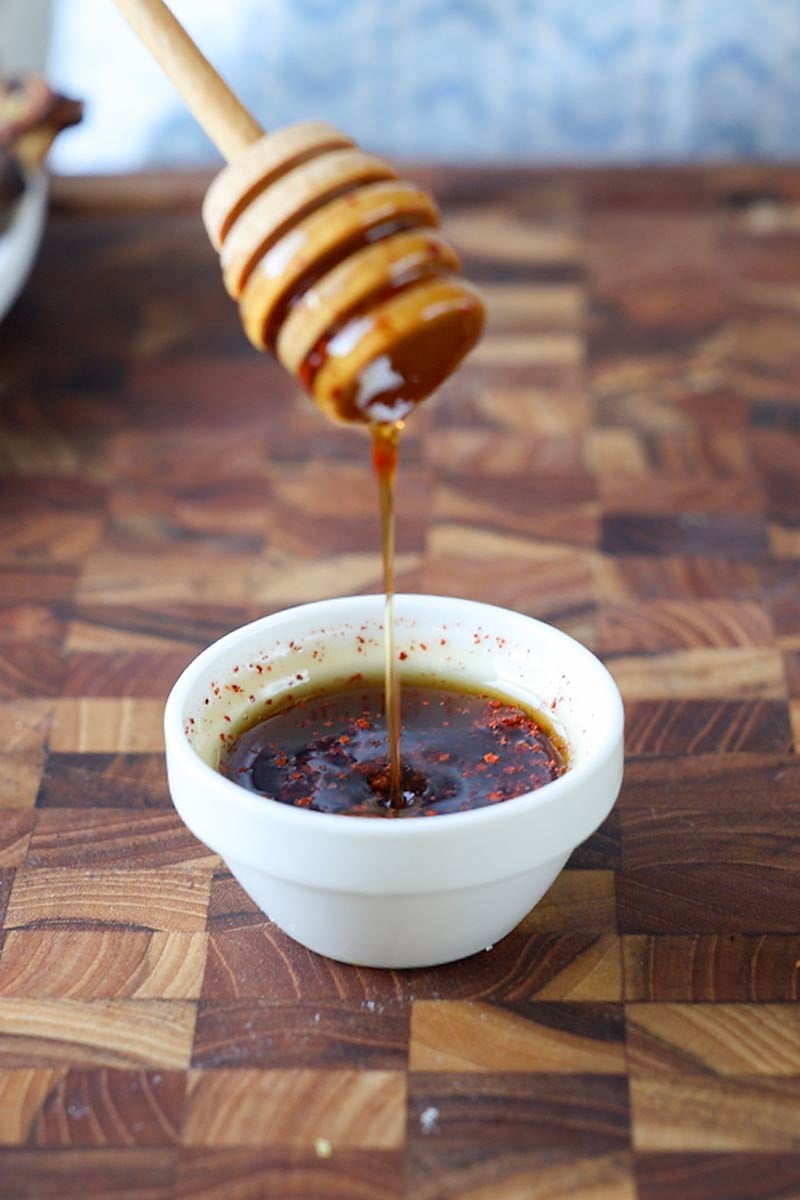
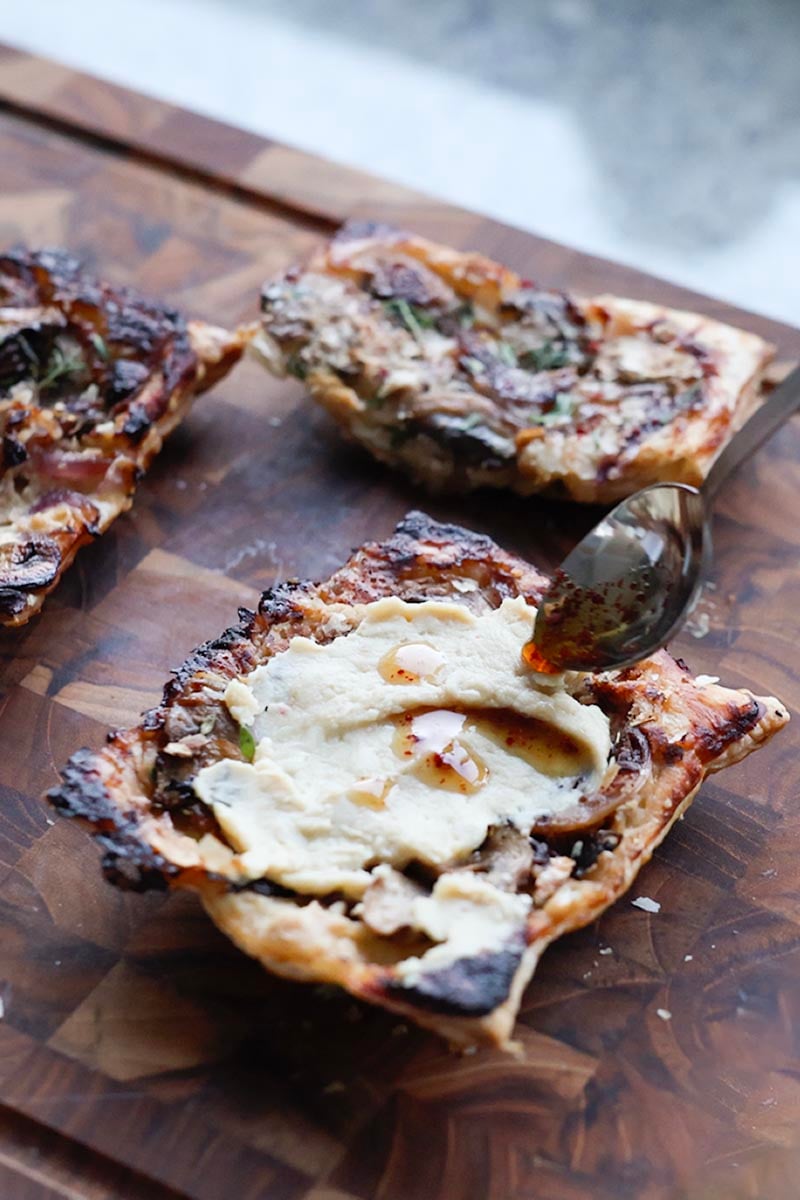
The use of hot maple syrup as a finishing glaze is a nod to the "hot honey" trend that has dominated professional and home kitchens over the past three years. This addition introduces a sweet-and-savory contrast, elevating the dish from a simple vegetable pastry to a more complex, multi-dimensional appetizer.
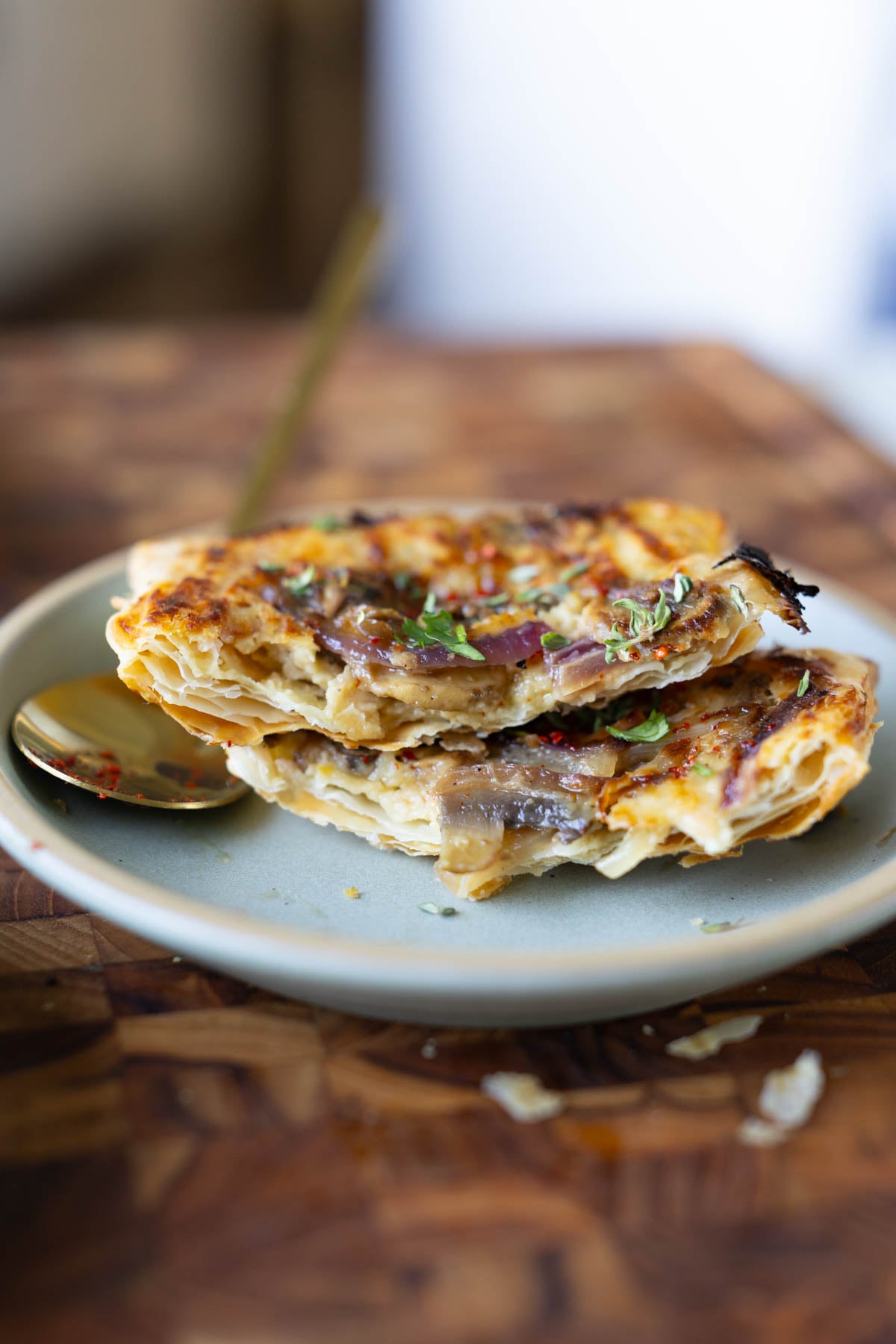
Chronology of Assembly and Service
For those organizing events, the preparation timeline is designed to be segmented to reduce pressure.
- Advance Preparation (Up to 72 hours prior): The white bean spread can be prepared in advance and refrigerated, allowing flavors to meld.
- Preparation (Day of): Mushrooms and onions are sliced and tossed with balsamic and seasonings. Pastry is thawed and cut into uniform squares.
- Assembly: The raw mixture is placed on the tray, topped with the pastry, and sealed.
- Baking: A 20-to-25-minute bake at 400°F (205°C) yields a golden, crisp exterior.
- Final Touch: A brief "flip" in the oven ensures the base is perfectly caramelized, followed by an optional drizzle of spiced maple syrup.
Industry Implications and Consumer Impact
The popularity of such recipes signals a demand for "low-effort, high-reward" dining. As consumers become more adept at working with plant-based substitutes, the boundary between "specialty diet" food and "standard" party fare continues to blur. The versatility of the recipe—which allows for the substitution of gluten-free pastry for those with celiac disease or gluten sensitivity—demonstrates the adaptability required for modern, inclusive event planning.
Furthermore, the shift toward handheld, single-serving appetizers suggests a departure from traditional "buffet-style" dining, where guests are required to use silverware and plates. By providing a self-contained, handheld option, hosts can simplify the flow of a gathering and reduce the need for excessive dishware, aligning with a more sustainable and minimalist approach to home entertaining.
Professional Feedback and Serving Suggestions
Culinary analysts suggest that the success of this dish lies in its texture contrast. The crisp, flaky puff pastry provides a necessary structural integrity to the softened, savory mushrooms underneath. When served with the remaining white bean spread, the dish offers a customizable experience for guests, allowing for an extra layer of creaminess or a sharp, sweet kick from the maple glaze.
In a professional catering context, this recipe is viewed as a high-margin, high-satisfaction item. It uses accessible, low-cost ingredients—mushrooms, beans, onions, and pantry staples—to create a result that appears labor-intensive. As food costs remain a concern for households and professional chefs alike, the ability to produce high-quality, plant-forward results from simple, shelf-stable, or inexpensive produce is a significant driver of this recipe’s adoption.
Future of Plant-Based Appetizers
Looking ahead, it is anticipated that similar recipes will continue to leverage "hidden" sources of protein and nutrition. The integration of legumes into traditional pastry fillings is likely to expand, as it addresses the common critique that plant-based snacks are often lacking in nutritional substance. Furthermore, the emphasis on reducing food waste—by utilizing every part of the mushroom and using the "leftover" bean spread as a dip—aligns with the growing consumer interest in circular, sustainable cooking practices.
In conclusion, the upside-down mushroom tart represents a synthesis of modern culinary aesthetics, nutritional awareness, and practical home-cooking demands. By stripping away unnecessary complexity and focusing on the interplay of savory, sweet, and textural elements, this dish provides a blueprint for the next generation of party appetizers: simple, inclusive, and fundamentally focused on the quality of its core ingredients. Whether served as a standalone snack or as part of a broader spread alongside cheese logs and onion dips, it is poised to remain a staple of contemporary entertaining.