The Evolution of Japanese Fusion Gastronomy
Chicken katsu, or tonkatsu (when made with pork), has been a cornerstone of Japanese cuisine since the Meiji era. Traditionally, the dish consists of a breaded, deep-fried cutlet served with a tangy, Worcestershire-based sauce and shredded cabbage. However, the contemporary culinary movement, spearheaded by experimental chefs and social media influencers, has sought to decouple the dish from its traditional condiments. By substituting heavy, savory sauces with the delicate, saline profile of sturgeon roe, the dish undergoes a textural and flavor transformation.

This specific fusion relies on the principles of sensory contrast. The crunch of the panko-breaded chicken provides a structural foundation that acts as a canvas for the creamy, lipid-rich profile of crème fraîche and the briny, oceanic pop of premium caviar. This pairing follows a well-established culinary principle: the balance of salt, fat, and acidity.

Chronology and Preparation Methodology
The process of elevating a standard katsu dish into a gourmet experience requires precise attention to the chemistry of frying and ingredient selection. The preparation typically follows a rigorous, multi-step timeline that ensures both the integrity of the protein and the freshness of the garnish.

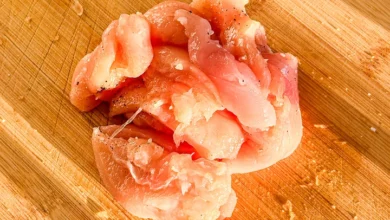
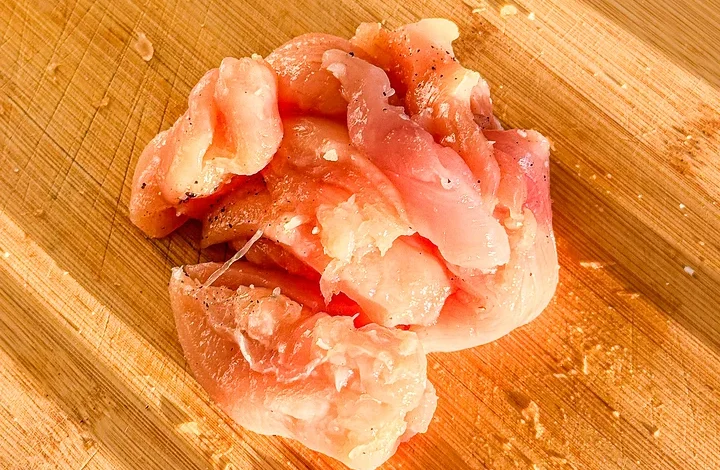
- Protein Preparation: Culinary standards suggest using chicken tenders or high-quality breast meat, sliced to ensure uniform cooking. Light seasoning with salt and white pepper is essential to avoid overpowering the caviar.
- The Breading Matrix: A departure from traditional methods involves the modification of the panko crust. By introducing a small amount of water to the breadcrumbs before coating, cooks can achieve a lighter, more ethereal crunch that prevents the chicken from feeling overly dense.
- Thermal Management: Frying is conducted at a steady range of 170°C to 180°C (340°F to 355°F). This window is critical; exceeding it causes the panko to darken prematurely, while dropping below it leads to oil saturation, which ruins the delicate balance required to pair with chilled caviar.
- Final Assembly: The application of the crème fraîche and caviar occurs only at the moment of service. This prevents the heat from the chicken from "cooking" the caviar or causing the crème fraîche to break, maintaining the temperature differential that makes the dish a success.
Supporting Data and Ingredient Profiles
The rise of "home-luxury" cooking is supported by shifting market trends. According to recent consumer food behavior reports, there has been a 14% year-over-year increase in the retail sale of luxury garnishes, such as caviar and truffle oil, for in-home consumption. This indicates a growing demographic of home chefs who prioritize high-quality ingredients over complex cooking techniques.

Caviar selection is a pivotal factor in the success of this dish. Experts recommend using sustainable, farmed sturgeon roe, such as Ossetra or Siberian sturgeon. These varieties offer a flavor profile that is generally nutty and briny without the overwhelming metallic notes found in some lower-quality alternatives. The fat content of the crème fraîche acts as a necessary bridge between the chicken’s crispy exterior and the caviar’s intense saline concentration, effectively muting any bitterness while amplifying the umami present in the chicken.

Culinary Implications and Industry Reception
The movement toward "elevated comfort food" has been met with both enthusiasm and skepticism within the gastronomic community. Traditionalists argue that the historical integrity of Japanese katsu is compromised when paired with European luxury ingredients. Conversely, proponents argue that fusion is the lifeblood of culinary progress.

From an industry perspective, this recipe represents the "democratization of luxury." By providing a framework that allows the average consumer to interact with caviar—a product historically associated with high barriers to entry due to both cost and perceived difficulty of preparation—the culinary world is seeing a shift in how luxury goods are marketed and consumed. Restaurants that have adopted similar "katsu-caviar" concepts often position them as "appetizer flights," designed to stimulate the palate before a larger, more traditional meal.

Nutritional and Sensory Analysis
While often perceived as an indulgent dish, the nutritional profile of chicken katsu with caviar is surprisingly balanced if portion control is maintained. The lean protein of the chicken, when breaded correctly with a light layer of panko, contains moderate calories. The caviar adds high-quality omega-3 fatty acids and essential vitamins, including B12 and selenium.

The sensory experience is defined by the "snap" of the panko, the tender resistance of the poultry, and the "pop" of the caviar beads. This trifecta of textures is a hallmark of high-end culinary design. By keeping the seasoning restrained—using only minimal salt and the optional addition of Korean dasida or garlic powder—the chef ensures that the inherent flavors of the chicken and the caviar remain the focal point.

Broader Impact on Home Cooking Trends
The availability of step-by-step digital tutorials has significantly lowered the learning curve for such complex pairings. Where once this dish might have been limited to high-end Tokyo or Parisian bistros, it is now achievable within a standard residential kitchen. This accessibility is further enhanced by the availability of "entry-level" caviar, which has become more widely distributed through specialty online retailers.

The broader implication for home cooking is the increased expectation of variety. As consumers become more sophisticated, the "meat-and-two-sides" model of home dining is increasingly being replaced by dishes that prioritize flavor profiles, aesthetic presentation, and a narrative-driven dining experience. The chicken katsu with caviar serves as an ideal case study for this transition, blending the familiar, comforting nature of fried chicken with the sophisticated, aspirational nature of luxury seafood.

Conclusion
Chicken katsu with caviar stands as a testament to the fact that culinary boundaries are increasingly fluid. By focusing on the structural integrity of the fry and the quality of the caviar, the home chef can create a dish that is both technically impressive and deeply satisfying. As the culinary landscape continues to evolve, it is likely that we will see further integration of such high-end ingredients into everyday recipes, marking a permanent change in how we perceive and perform the act of cooking at home. Whether served as a standalone appetizer at a formal dinner or as a surprise element in a casual meal, this dish proves that the most memorable culinary experiences often arise from the most unexpected combinations.