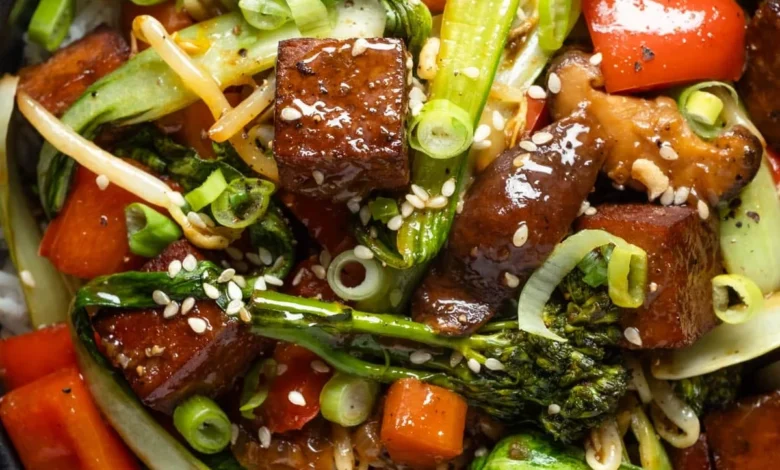
The evolution of plant-based nutrition has led to a significant shift in how home cooks approach traditional global dishes, with the recent popularization of vegan-friendly adaptations of classic stir-fry recipes. One of the most notable examples is the contemporary reimagining of Chop Suey, a dish historically rooted in Chinese-American cuisine. By replacing traditional animal-based proteins with marinated tofu and emphasizing a diverse array of fresh, seasonal vegetables, culinary enthusiasts have successfully modernized a staple that was first documented in the United States during the late 19th century.

Historical Context and Culinary Evolution

The origins of Chop Suey—a term often translated as "assorted pieces"—remain a subject of historical debate, with various theories linking its emergence to Chinese immigrants in the American West during the Gold Rush or the late 1800s. While historically characterized by the inclusion of meat or poultry, the dish has undergone several iterations to accommodate changing dietary preferences. In the modern era, the rise of the plant-based movement has catalyzed a shift toward incorporating high-protein soy products like tofu, which effectively absorbs the complex flavor profiles of ginger, garlic, and savory umami sauces.

Nutritional and Dietary Considerations

Data from recent nutritional studies indicate that plant-based stir-fry dishes can serve as an efficient delivery mechanism for essential micronutrients. A standard serving of this vegan rendition, which typically contains approximately 305 kilocalories, offers a balanced macro-nutrient profile. With 12 grams of protein per serving and roughly 5 grams of dietary fiber, the dish addresses common concerns regarding the nutritional adequacy of meat-free diets. Furthermore, the inclusion of various vegetables provides a spectrum of vitamins, including A, C, and K, contributing to the growing body of evidence that plant-centric meals can support long-term metabolic health.

The inclusion of tofu as the primary protein source is particularly significant from a nutritional standpoint. Tofu, a derivative of condensed soy milk, is a complete protein, containing all nine essential amino acids. By marinating the tofu prior to cooking, the dish achieves a depth of flavor that rivals traditional versions while maintaining a lower saturated fat content, typically averaging around 22 grams of total fat, largely derived from plant-based sources like sesame oil.

Preparation and Technical Methodology

The professional approach to preparing vegan Chop Suey requires a focus on mise en place—the systematic preparation of ingredients before the cooking process begins. In a commercial or high-end home kitchen, the process follows a strict chronological order to ensure texture and flavor integrity:

- Sauce Formulation: The base of the dish is built on a mixture of soy sauce (or gluten-free alternatives like liquid aminos), ginger, garlic, and aromatics. Creating this emulsion beforehand ensures even distribution of flavor.
- Protein Marination: Tofu must be pressed to remove excess moisture before being introduced to the marinade. A minimum marination time allows the soy-based sauce to permeate the porous structure of the tofu.
- Thermal Application: The protein is seared in a high-temperature pan, typically using sesame oil, to achieve a golden, crisp exterior. This step is crucial for textural contrast.
- Vegetable Integration: Vegetables are added in stages based on their density and water content. Harder vegetables are introduced first, followed by softer, leafy greens, ensuring that the final dish retains a distinct, crisp-tender texture.
Market Trends and Consumer Behavior

The surge in interest regarding such recipes reflects broader trends in the food and beverage industry. Market research suggests that "flexitarian" eating—a diet that is primarily plant-based but allows for occasional consumption of animal products—is driving demand for recipes that are both accessible and nutritionally sound. Culinary blogs and digital platforms have reported a substantial increase in search volume for "quick weeknight meals," indicating that consumers are prioritizing efficiency without sacrificing culinary quality.

Meal prep, a practice that has gained traction among busy professionals, is highly compatible with this recipe structure. By preparing the marinade and chopping the vegetables in advance, households can reduce total active cooking time to under 30 minutes. This logistical efficiency is a key factor in the sustained popularity of stir-fry-style meals, as it minimizes the reliance on pre-processed or convenience foods that are often high in sodium and preservatives.

Implications for Dietary Inclusivity

One of the significant advantages of the modern vegan Chop Suey is its inherent adaptability. The dish serves as a "clean out the fridge" template, allowing for the use of seasonal surplus produce, which reduces food waste—an increasingly important metric in sustainable living. Furthermore, the ability to substitute soy sauce with gluten-free alternatives or tamari ensures that the recipe remains inclusive for individuals with celiac disease or non-celiac gluten sensitivity.

As global food systems face pressure to become more sustainable, the shift toward plant-based recipes is not merely a lifestyle choice but a functional response to environmental and economic factors. Reducing reliance on animal agriculture is frequently cited by environmental agencies as a primary method for lowering the carbon footprint of the average household. By adopting recipes that utilize plant-based proteins, consumers are participating in a larger, systemic change in food production and consumption patterns.

Future Outlook on Plant-Based Cooking

The continued refinement of recipes such as vegan Chop Suey signals a maturing of the plant-based culinary space. Rather than attempting to mimic meat dishes with ultra-processed alternatives, the focus is increasingly moving toward honoring the natural qualities of vegetables and legumes. This approach is widely supported by health professionals who advocate for whole-food, plant-based diets.

Looking ahead, it is likely that digital culinary resources will continue to evolve, providing more granular nutritional data and customization options for users. As the demographic of home cooks continues to diversify, the demand for recipes that can be easily modified to suit various dietary restrictions, budget constraints, and time limitations will likely drive further innovation in the digital food media landscape.

In summary, the transition of Chop Suey into a plant-based staple represents the intersection of cultural history and modern dietary science. Through the strategic use of tofu and fresh, high-fiber vegetables, this dish provides a viable model for nutritionally dense, efficient, and sustainable meal preparation. Its enduring popularity serves as a testament to the fact that with proper technique and high-quality ingredients, traditional recipes can successfully adapt to meet the demands of the 21st-century palate.