The Evolution of the Katsu Culinary Tradition
Chicken katsu, or tori katsu, traces its origins to the late 19th-century Meiji era in Japan, where Western influences—specifically the French côtelette—were adapted to the local palate. Traditionally, the dish consists of a butterflied chicken breast or tenderloin, breaded in panko (Japanese breadcrumbs), and deep-fried to achieve a high-contrast texture: an exceptionally crunchy exterior shielding a succulent, tender interior.

For decades, the standard accompaniment for katsu has been a thick, savory-sweet Worcestershire-based sauce or a mild Japanese curry. However, the emergence of the "katsu with caviar" variant signals a departure from traditional condiment profiles. By substituting heavy, sugar-laden sauces with the delicate, fatty richness of crème fraîche and the briny, umami-forward pop of high-grade caviar, chefs are shifting the dish from a hearty, caloric comfort meal to an appetizer that emphasizes acidity, salt, and texture.

Analytical Breakdown: The Gastronomic Pairing
From a culinary science perspective, the pairing of fried chicken and caviar is grounded in the principles of fat-pairing and flavor balancing. The panko crust, when fried at the optimal temperature of 170–180°C, creates a lipid-rich shell that acts as a neutral carrier. When topped with a chilled dollop of crème fraîche—a cultured cream with a slightly tangy, lactic acid profile—the dish gains a necessary brightness that cuts through the oiliness of the fried protein.

Caviar, specifically, provides a concentrated burst of sodium and marine glutamate. In professional kitchens, this technique of using a neutral, crunchy base to showcase expensive, fragile ingredients is common in amuse-bouche service. The heat of the chicken serves to gently warm the fat in the caviar, releasing its volatile aromatic compounds, while the crème fraîche acts as a thermal buffer, preventing the delicate pearls from cooking or becoming overly salty.

Chronology of the Recipe’s Popularity
The rise of this specific preparation can be mapped through the evolution of modern "foodie" culture on digital platforms.

- Early 2020s: A gradual shift toward "accessible luxury" began as consumers sought to replicate restaurant-grade dining experiences at home due to lockdowns and global travel restrictions.
- Mid-2023: Culinary creators began experimenting with high-low food pairings, often featuring domestic sturgeon caviar, which has become more affordable and widely available through direct-to-consumer aquaculture providers.
- Present Day: The recipe has reached a state of standardization, with specific technical requirements—such as mixing water into the panko to ensure a "lighter, airier" crust—being widely disseminated through instructional media.
Preparation and Technical Standards
The preparation of this dish requires strict adherence to temperature control to maintain the intended luxury profile. The following technical requirements have been identified as essential for achieving professional results:

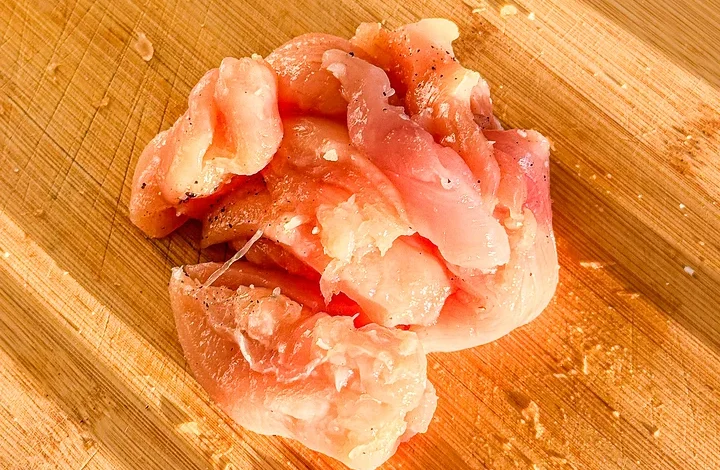
- Protein Preparation: Utilizing chicken tenders is preferred for consistency. They must be cleaned of connective tissue and lightly seasoned, as the caviar will provide the primary salinity for the final bite.
- The Panko Technique: A critical innovation in this specific recipe involves incorporating a small amount of water into the panko breadcrumbs. This technique, while counterintuitive to those seeking dryness, prevents the breading from absorbing excessive oil during the flash-fry process, resulting in a lace-like, airy crunch rather than a dense, oily crust.
- The Thermal Gradient: The chicken must be fried to an internal temperature that ensures food safety (74°C/165°F) without drying out. The assembly process is time-sensitive; the crème fraîche and caviar must be added immediately before service to ensure the temperature contrast between the hot chicken and the cold topping remains distinct.
Market Trends and Consumer Behavior
The market for caviar, once restricted to high-end white-tablecloth establishments, has expanded significantly. According to industry reports on gourmet food trends, the "at-home luxury" segment has seen a 15% year-over-year growth in the sales of sustainable, farm-raised caviar.

This recipe serves as a gateway for consumers who are intimidated by the complexity of caviar service. By pairing it with a familiar, non-threatening protein like chicken, the barrier to entry is lowered. Industry analysts suggest that this trend is part of a larger "democratization of fine dining," where professional techniques are being applied to "everyday" ingredients, allowing home cooks to demonstrate technical proficiency without the need for specialized equipment or high-cost proteins like wagyu or lobster.

Nutritional and Dietary Considerations
While the dish is categorized as an indulgence, it is relatively modest in portion size when served as an appetizer. The primary nutritional concern involves the sodium content, as both the panko-crusted chicken (if pre-seasoned) and the caviar are high in salt. However, compared to traditional katsu meals—which are often served with large portions of white rice and heavy, high-sugar sauces—this iteration is arguably lower in total carbohydrates, fitting into a variety of dietary patterns, provided the portion of the fried element is controlled.

Broader Culinary Implications
The persistence of the chicken katsu and caviar pairing suggests a shift in how diners perceive "value" in a meal. Consumers are increasingly valuing the "moment" of the dining experience over the volume of food consumed. The visual aesthetic of the dish—the contrast of the dark, glistening pearls against the golden, textured chicken—is highly optimized for the current visual-media-driven food culture.

Furthermore, the flexibility of the recipe encourages individual adaptation. Whether a chef chooses to incorporate Korean dasida (a beef-based seasoning powder) into the flour to add depth, or utilizes garlic and onion powders for a more Westernized profile, the underlying structure of the dish remains robust enough to withstand significant variation.

Conclusion: A New Standard for Home Entertaining
The fusion of Japanese technique and high-end garnish represents a significant milestone in home cooking. By focusing on the balance of temperature, texture, and acidity, the chicken katsu with caviar recipe elevates the standard fried chicken dish into a centerpiece that is as much about the experience of the ingredients as it is about the act of cooking. As the availability of premium ingredients continues to widen, it is highly likely that this style of "accessible luxury" will continue to influence how home chefs structure their menus for social gatherings and formal dinner parties alike. The dish remains a testament to the fact that with proper technique, the boundaries between the pantry staple and the delicacy can be successfully and deliciously blurred.