The evolution of pesto from the traditional Ligurian pesto alla genovese—historically composed of basil, pine nuts, garlic, parmesan, pecorino, and olive oil—to contemporary variations like kale pesto reflects a broader shift in global food habits. As the demand for vegan alternatives continues to rise, home cooks and professional chefs alike are re-engineering classic Italian staples to adhere to dairy-free requirements without sacrificing the mouthfeel or complexity of the original dish.

Nutritional Profile and Ingredient Analysis
The substitution of kale for basil in pesto production is driven by both nutritional density and supply chain accessibility. Kale (Brassica oleracea), a cruciferous vegetable, is recognized for its high concentration of vitamins A, K, and C, as well as essential minerals such as calcium and potassium.
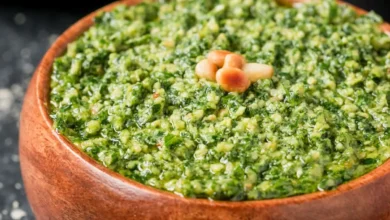
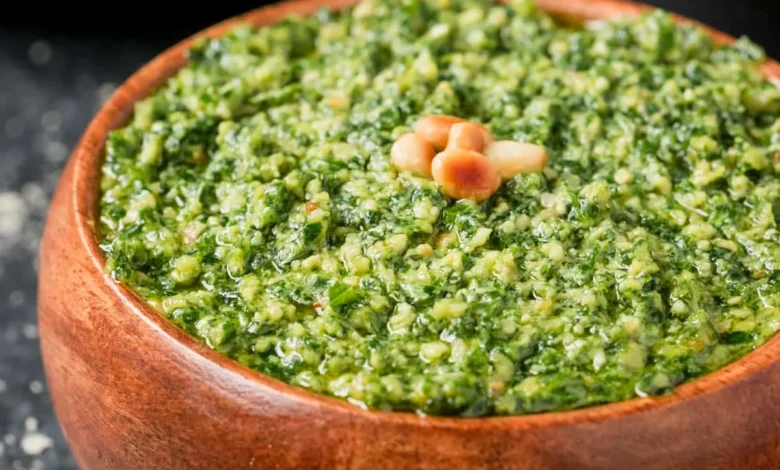
In this specific recipe, the base relies on the structural integrity of kale leaves, which are processed into a semi-emulsified paste. To emulate the umami-rich qualities of traditional hard cheeses like Parmesan, the recipe incorporates nutritional yeast. Nutritional yeast is a deactivated form of Saccharomyces cerevisiae, which provides a savory, "cheesy" flavor profile while remaining completely plant-based.

The inclusion of Dijon mustard serves a dual purpose: it acts as a mild emulsifier, helping to stabilize the suspension of olive oil and lemon juice, and it contributes a sharp, pungent note that cuts through the natural earthiness of the kale. Garlic remains the foundational aromatic, while pine nuts—or suitable alternatives—provide the necessary healthy fats and creamy texture essential for a balanced pesto.
Culinary Methodology and Preparation Efficiency
The preparation of vegan kale pesto is optimized for modern kitchen workflows, typically requiring less than 10 minutes of active labor. The efficiency of this process is achieved through the use of high-speed food processors, which mechanically break down the fibrous structure of kale leaves.

The sequence of preparation typically involves:
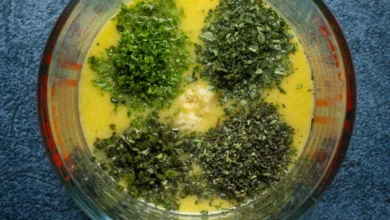
- Aromatic Base: Soaking minced garlic in lemon juice. This brief period of contact, often referred to as "maceration," mellows the intensity of the raw garlic and allows the acidity to penetrate the cells, resulting in a more integrated flavor.
- Nut Toasting: Lightly browning pine nuts in a dry pan. This heat application triggers the Maillard reaction, developing deeper, nutty aromas that are critical to the final sauce’s complexity.
- Emulsification: The gradual incorporation of high-quality extra virgin olive oil while the processor is running. This creates a stable emulsion, ensuring the sauce is consistent in texture rather than oily or separated.
The Rise of Plant-Based Italian Cuisine
The development of this recipe coincides with a broader market trend toward "veganized" Italian classics. According to market research in the plant-based sector, Italian cuisine remains one of the most frequently "veganized" culinary categories due to its heavy reliance on fresh produce and high-quality fats.

Industry analysts suggest that the shift is driven by a combination of health-conscious consumer behavior and a move toward sustainable farming practices. Kale, being a hardier crop than traditional sweet basil, offers a longer growing season in many climates, potentially reducing the carbon footprint associated with sourcing delicate herbs in off-seasons.
Serving Suggestions and Dietary Integration
The versatility of vegan kale pesto extends well beyond its application as a pasta sauce. Culinary applications documented by food researchers include:

- As a Spread: Utilizing the pesto as a nutrient-dense base for sourdough or ciabatta toast.
- As a Condiment: Incorporation into pizza preparations, either as a base layer or a drizzle post-baking.
- As a Dressing: Diluting the pesto with additional lemon juice or water to create a vinaigrette for massaged kale salads or roasted vegetable medleys.
- Bread Enhancements: Integration into doughs for focaccia or usage as a filling for dinner rolls, providing an herbaceous, savory profile to standard yeast breads.
Storage, Preservation, and Food Safety
One of the logistical advantages of this recipe is its relative stability. When stored in an airtight, sterile glass container, the pesto maintains its chemical and sensory integrity for up to one week under refrigeration.
For longer-term storage, the recipe is highly suitable for freezing. Culinary experts recommend freezing the pesto in ice cube trays, which allows for portion-controlled usage. This method protects the sauce from freezer burn and oxidation, preserving the vibrant green color imparted by the chlorophyll in the kale. When properly sealed, the frozen product retains its quality for approximately three months.

Economic and Dietary Implications
From a dietary standpoint, the reduction of traditional dairy cheese in favor of nutritional yeast and nuts significantly alters the macronutrient profile of the dish. While traditional pesto can be high in saturated fats from animal-derived dairy, this vegan version relies primarily on monounsaturated fats from olive oil and plant-based proteins from the nuts.
Furthermore, the low glycemic index of kale makes this preparation suitable for a wide range of dietary protocols, including those focused on blood sugar management and anti-inflammatory nutrition.

Conclusion: A Modern Culinary Staple
The emergence of vegan kale pesto as a mainstream kitchen staple is indicative of a permanent shift in how traditional recipes are interpreted in the 21st century. By leveraging the specific physical and nutritional properties of kale, and by substituting dairy with nutrient-rich plant alternatives, the recipe satisfies both the desire for traditional flavor profiles and the evolving needs of the modern consumer.
As food technology continues to advance, the refinement of such recipes serves as a case study in how simple, whole-food ingredients can be manipulated through basic culinary techniques to produce high-value, versatile products. Whether used as a sauce for traditional pasta or as an innovative topping for artisan breads, this preparation demonstrates the continued relevance of plant-based cooking in contemporary gastronomy.

The ease of preparation, coupled with the nutritional benefits and the extended shelf life provided by proper storage techniques, ensures that vegan kale pesto will remain a fixture in both home and professional kitchens for the foreseeable future. The recipe’s adaptability—allowing for the inclusion of various nuts, seeds, or additional leafy greens—provides a template that encourages further culinary exploration and innovation.