Caesar Roasted Cabbage and White Beans: A Modern Evolution of Mediterranean Culinary Traditions

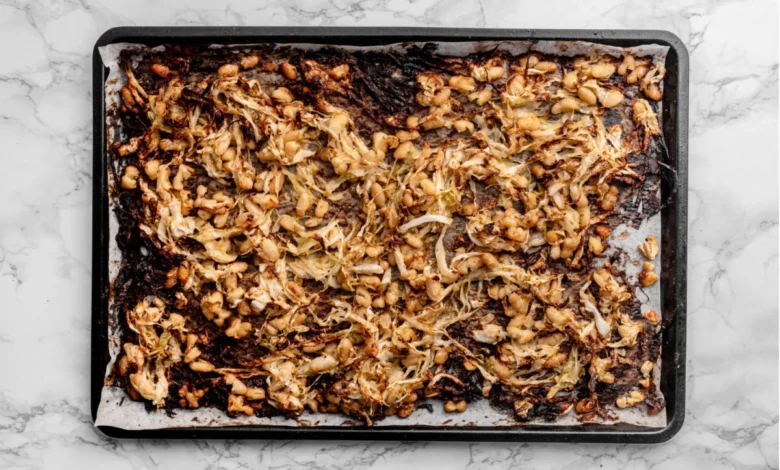
The intersection of classic Mediterranean flavors and modern, efficient cooking techniques has produced a rising trend in home kitchens: the transformation of cruciferous vegetables through high-heat roasting. Specifically, the emergence of Caesar-inspired roasted cabbage and white beans represents a significant shift in how home cooks approach vegetable-forward meals. This dish, which marries the pungent, umami-rich profile of a traditional Caesar dressing with the structural, sweet notes of caramelized green cabbage and the fiber-dense texture of cannellini beans, has gained traction as both a sophisticated side dish and a viable plant-forward main course.
The Evolution of the Caesar Profile in Warm Applications
Historically, the Caesar salad, attributed to Caesar Cardini in the 1920s, has been defined by its reliance on raw romaine lettuce, which provides a crisp, neutral base for a heavy, emulsified dressing composed of garlic, anchovies, lemon, olive oil, and Parmesan cheese. In the current culinary landscape, however, chefs and nutritionists alike have begun to explore the application of these specific flavor profiles to cooked vegetables.
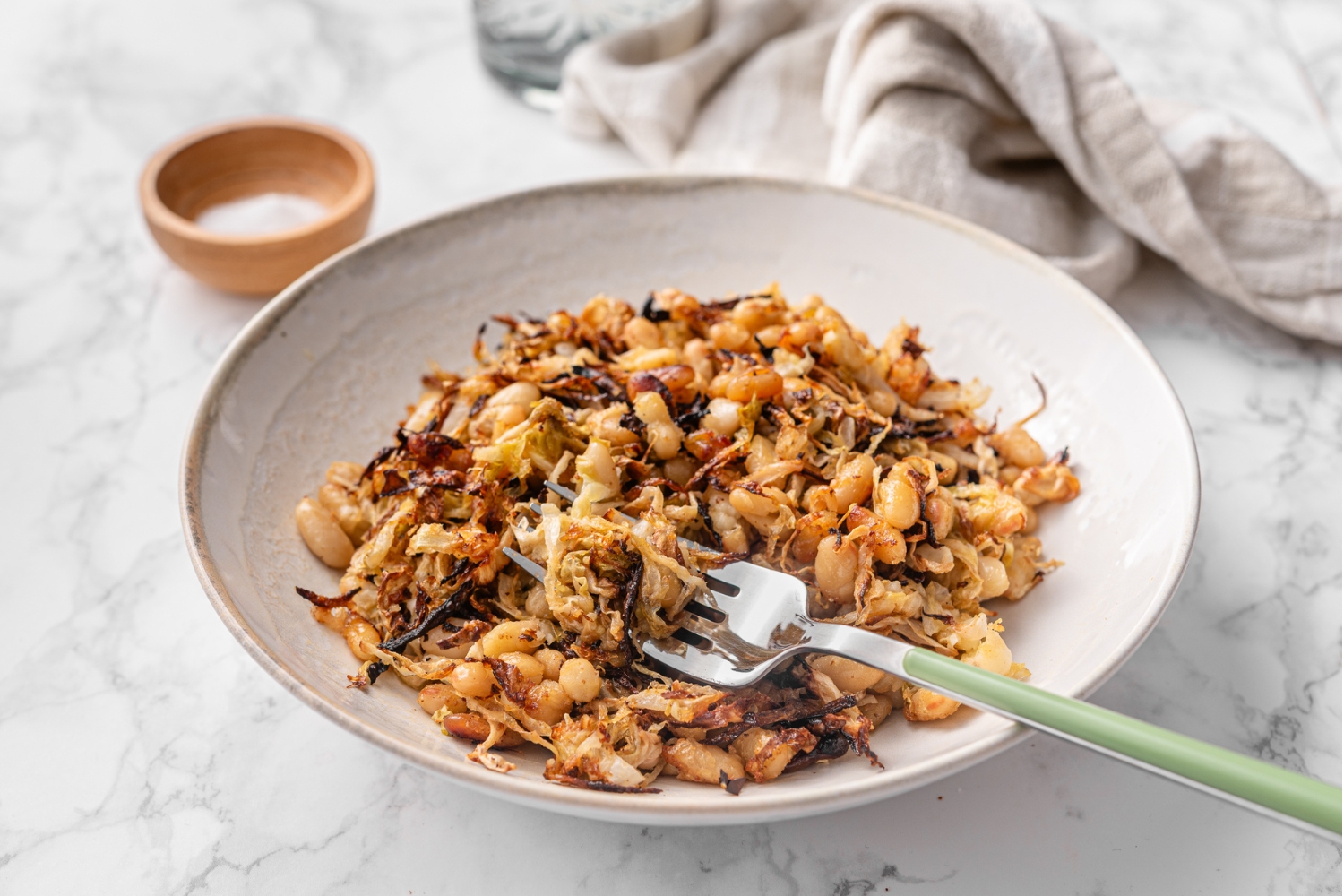
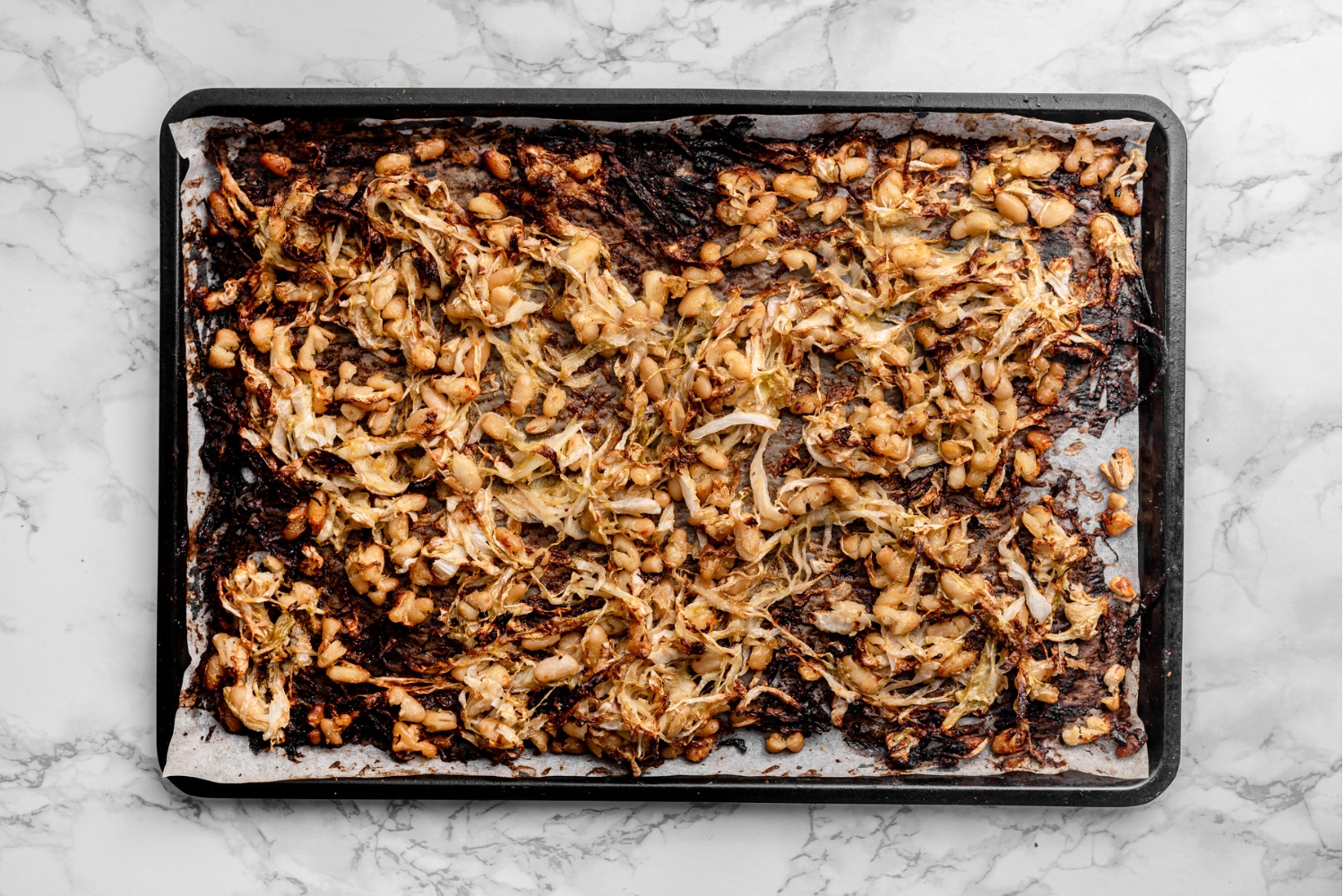
The transition from raw to roasted is not merely aesthetic; it is a chemical process. When green cabbage is subjected to temperatures of 425°F, the plant’s natural sugars undergo the Maillard reaction, resulting in deep browning and a nutty, caramelized finish. By incorporating cannellini beans, the dish gains a necessary structural contrast. The beans, when exposed to high heat on a sheet pan, develop a semi-crisp exterior while maintaining a creamy interior, effectively replacing the traditional crouton’s function of providing a textural counterpoint to the softer leaves.
Chronology of Preparation and Culinary Methodology
The efficiency of this dish is a primary factor in its growing popularity among demographics seeking high-nutrient meals with minimal time investment. The preparation timeline is notably brief, often totaling less than 45 minutes from raw ingredients to service.
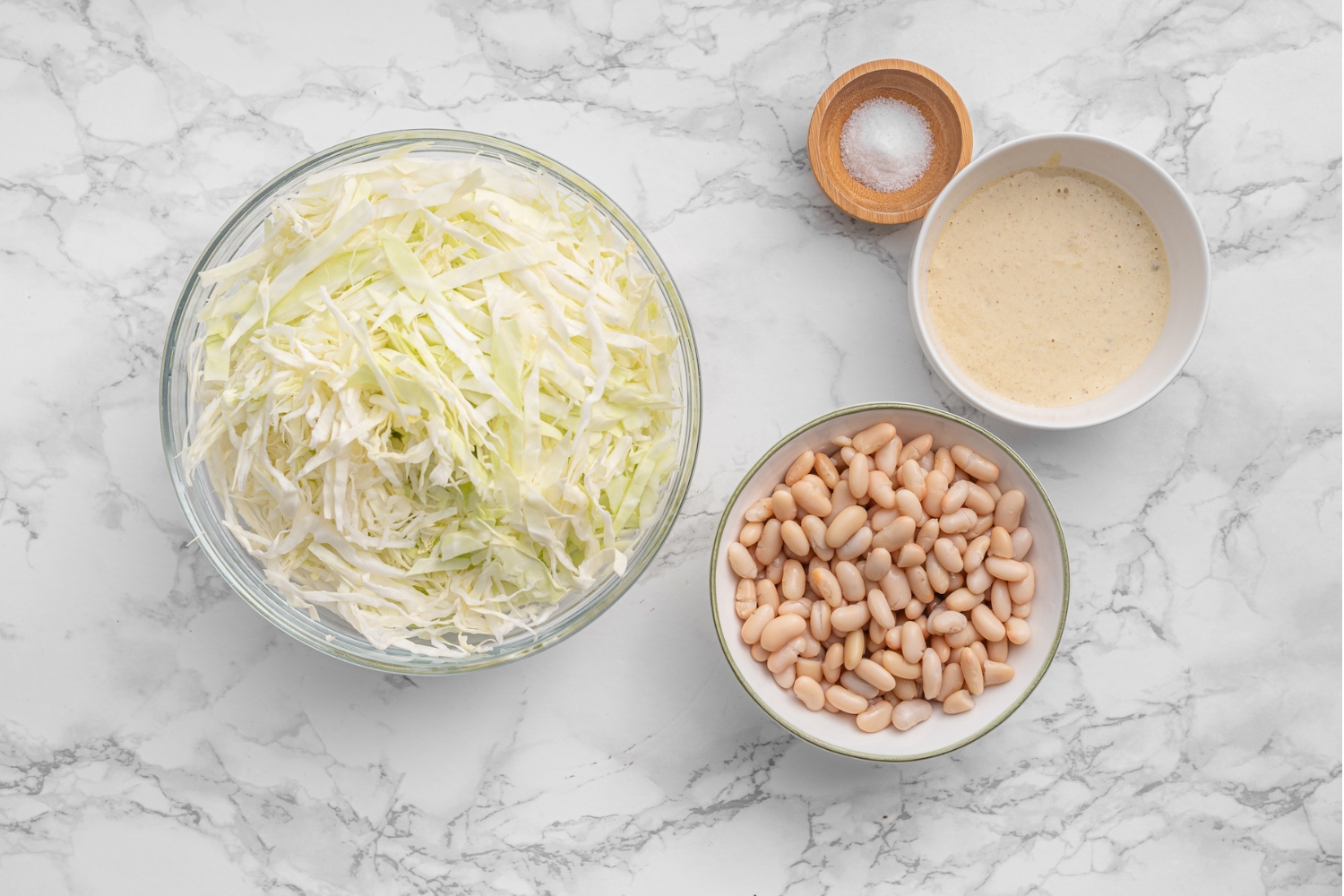
- Pre-heat and Prep (0–10 minutes): The oven must reach a high temperature of 425°F to ensure effective caramelization rather than mere steaming. During this window, the dressing is emulsified. The traditional method involves mashing garlic and anchovies with salt to create a paste, which is then whisked with Dijon mustard, lemon juice, mayonnaise, and extra virgin olive oil.
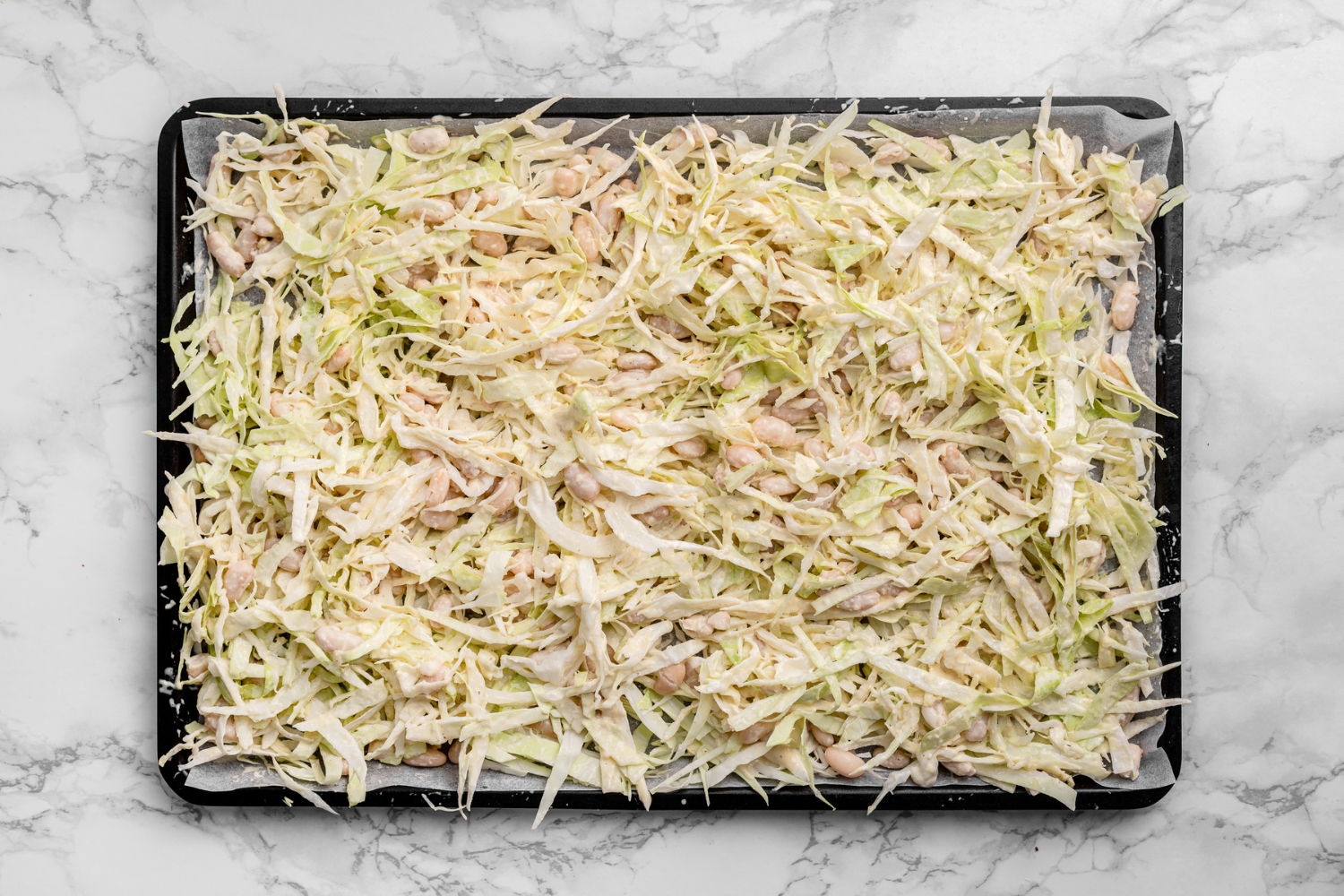
- Sheet Pan Integration (10–15 minutes): Shredded green cabbage and drained, rinsed cannellini beans are combined on a parchment-lined sheet pan. The application of the dressing at this stage is critical; the fats in the dressing facilitate the even distribution of heat across the vegetable fibers.
- The Roasting Phase (30–40 minutes): The chemical transition occurs during this period. The objective is to achieve a deep, dark brown edge on the cabbage shreds. Culinary experts note that the "darkening" of the cabbage is often misunderstood as burning, when in reality, it is the desired state of sugar concentration.
- Service (Final 5 minutes): The dish is best served immediately, ensuring the beans retain their crisp exterior and the dressing remains cohesive.
Nutritional Analysis and Dietary Implications
From a public health perspective, the combination of cabbage and legumes provides a significant nutritional density. According to agricultural and nutritional data, cabbage is a powerhouse of vitamin K, vitamin C, and glucosinolates—compounds associated with reduced oxidative stress. When paired with cannellini beans, the dish achieves a more complete macronutrient profile, offering approximately 7 grams of protein and 6 grams of dietary fiber per serving.
The inclusion of extra virgin olive oil aligns the dish with the core tenets of the Mediterranean diet, which emphasizes monounsaturated fats. This dietary pattern has been consistently linked by global health organizations to improved cardiovascular outcomes and metabolic health. By preparing the dressing from scratch, the home cook mitigates the common issues associated with mass-produced, store-bought dressings, such as the inclusion of high-fructose corn syrup, artificial stabilizers, and lower-quality vegetable oils.
Comparative Analysis: Traditional vs. Modern Adaptations
While traditionalists might argue that the integrity of the Caesar flavor profile requires a chilled environment, contemporary food science suggests that the "umami bomb" created by anchovies and Parmesan is actually intensified by heat. The anchovy, a staple of Mediterranean coastal regions, provides a depth of salinity that balances the inherent bitterness of cooked cabbage.
There are, however, limitations to this preparation. Unlike a standard salad, this dish does not retain its texture for extended periods. The moisture content in the cabbage, once roasted, begins to soften the structure of the bean if stored for longer than 72 hours. Consequently, culinary professionals advise against freezing the dish, as the cellular breakdown of the cabbage during the thawing process leads to an unappealing, watery consistency.
Broader Impact on Home Cooking Trends
The rise of the "sheet pan" meal format—of which this recipe is a prime example—reflects a broader sociological shift in household food preparation. With the average consumer spending less time in the kitchen than in previous decades, recipes that utilize high-heat roasting to achieve complex flavors in a single vessel are increasingly prioritized.
This specific preparation also addresses the demand for "plant-forward" dining. By using the beans as a primary protein source, the recipe satisfies the requirements of individuals looking to reduce meat consumption without sacrificing satiety. The versatility of the dish allows it to act as a bridge between a simple weeknight side and a more complex component of a Mediterranean-style spread, often paired with grilled fish or poultry.
Expert Perspectives on Ingredient Selection
Nutritional experts often emphasize the importance of ingredient quality in this specific recipe. Because the dressing relies on so few components, the quality of the extra virgin olive oil and the freshness of the lemon juice dictate the final output. The use of anchovies—while optional—is frequently debated; however, from a culinary standpoint, they are considered essential for the "anchovy-garlic" profile that defines the Caesar experience. For those with dietary restrictions, such as vegetarians, the substitution of capers or miso paste is often suggested as a way to replicate the brine and umami provided by the fish, though the flavor profile shifts significantly.
Conclusion: A Staple of Modern Nutrition
The Caesar roasted cabbage and white beans recipe is more than a fleeting culinary trend; it is a highly functional approach to modern nutrition. It successfully utilizes high-heat, low-effort cooking techniques to elevate humble, affordable ingredients into a nutrient-dense, flavorful meal. As the food industry continues to move toward sustainable, plant-centric models, the adoption of such recipes underscores a growing preference for meals that are as efficient to prepare as they are beneficial to the human body. By prioritizing fiber, healthy fats, and cruciferous vegetables, this dish provides a blueprint for the future of home-based, health-conscious culinary practices.
Related posts: