For decades, the prevailing medical advice regarding heart health centered on a restrictive paradigm: avoid eggs, banish dietary fat, and strictly limit the consumption of anything containing cholesterol. This "low-fat" era, while well-intentioned, often failed to account for the biological complexity of human metabolism. Today, modern nutritional science has shifted the focus from the simplistic demonization of dietary cholesterol toward a more nuanced understanding of cardiovascular health, emphasizing the role of saturated fats, fiber, and the cumulative impact of dietary patterns. At the forefront of this shift is the Mediterranean Diet, a regimen celebrated not for what it removes from the plate, but for the life-sustaining, nutrient-dense foods it incorporates.

The physiological necessity of cholesterol is often overlooked in public discourse. Cholesterol is a vital lipid, essential for the structural integrity of cell membranes, the synthesis of hormones, and the production of bile acids necessary for digestion. However, the pathology arises when low-density lipoprotein (LDL) cholesterol—often referred to as "bad" cholesterol—accumulates in the bloodstream. Over time, these particles infiltrate arterial walls, contributing to the formation of plaques. If these plaques rupture, they can trigger the formation of blood clots, leading to catastrophic cardiovascular events such as myocardial infarctions or strokes. Consequently, the objective of a heart-healthy diet is not merely to lower a laboratory value on a lipid panel, but to preserve vascular health and mitigate systemic inflammation.

The Evolution of Cardiovascular Nutrition
Historically, the medical community emphasized the reduction of dietary cholesterol, leading to the widespread avoidance of eggs and shellfish. However, landmark clinical research over the past twenty years has revealed that for the majority of the population, dietary cholesterol has a minimal impact on serum cholesterol levels. The primary culprits in raising LDL are, in fact, saturated fats—found in abundance in butter, lard, fatty cuts of red meat, full-fat dairy products, and tropical oils like coconut and palm.
This evolution in understanding has led to the "substitution strategy." Nutritionists now argue that the health profile of a diet is defined by what replaces high-saturated-fat items. When one swaps a breakfast of bacon and eggs for a bowl of steel-cut oats with nuts, the benefit is twofold: the reduction of pro-inflammatory saturated fats and the introduction of bioactive compounds that actively support cardiovascular function.
The Nutritional Power of the Mediterranean Pattern
The Mediterranean approach to eating is less of a rigid diet and more of a sustainable lifestyle pattern. It relies on the synergistic effect of five key food groups: fatty fish, whole grains, extra virgin olive oil, legumes, and nuts.
1. The Role of Fatty Fish
Fatty fish, such as wild-caught salmon, sardines, mackerel, and trout, are the primary source of long-chain omega-3 fatty acids—specifically eicosapentaenoic acid (EPA) and docosahexaenoic acid (DHA). Unlike some other nutrients that directly modulate LDL, omega-3s are renowned for their ability to lower triglyceride levels and reduce the risk of arrhythmias. By substituting a heavy portion of processed red meat with a serving of fatty fish twice a week, individuals significantly decrease their intake of saturated fats while simultaneously increasing their intake of heart-protective unsaturated fats.

2. The Mechanics of Whole Grains
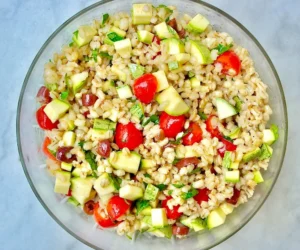
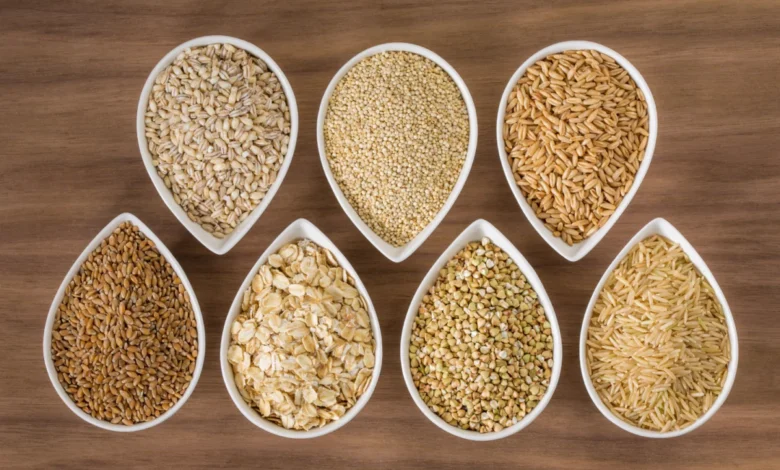
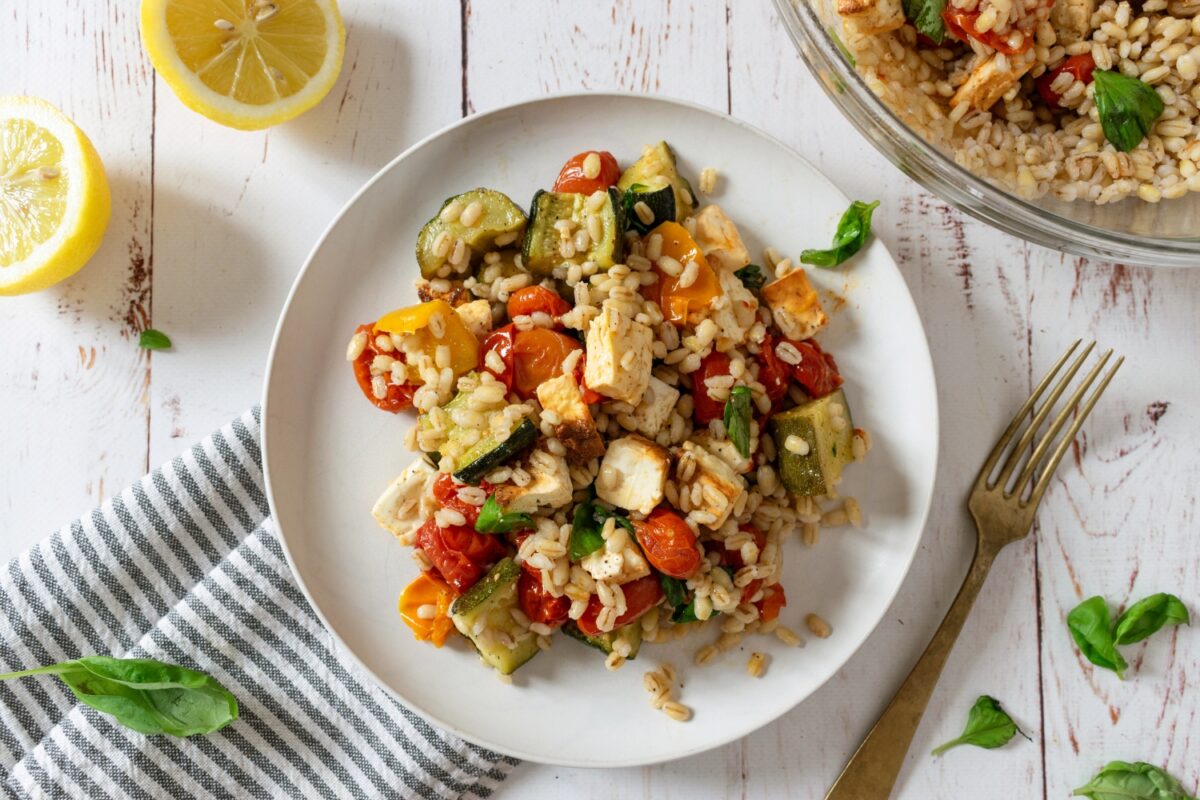
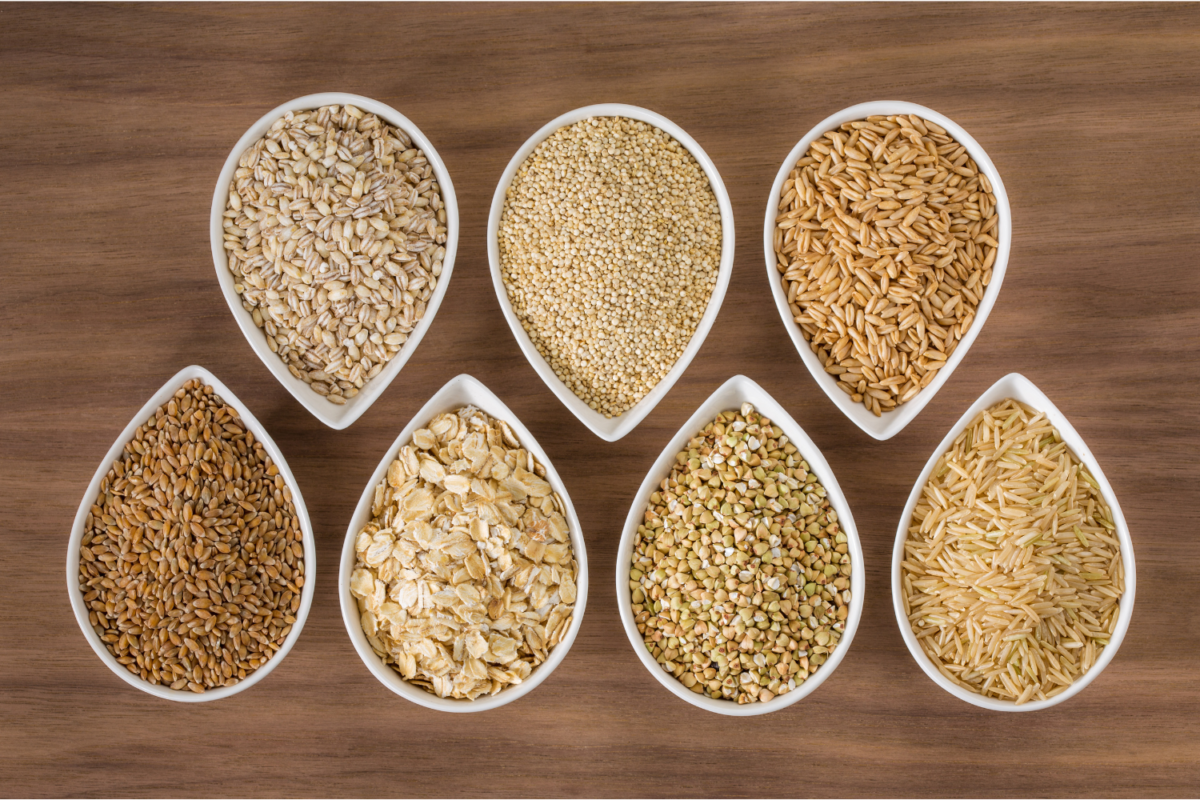
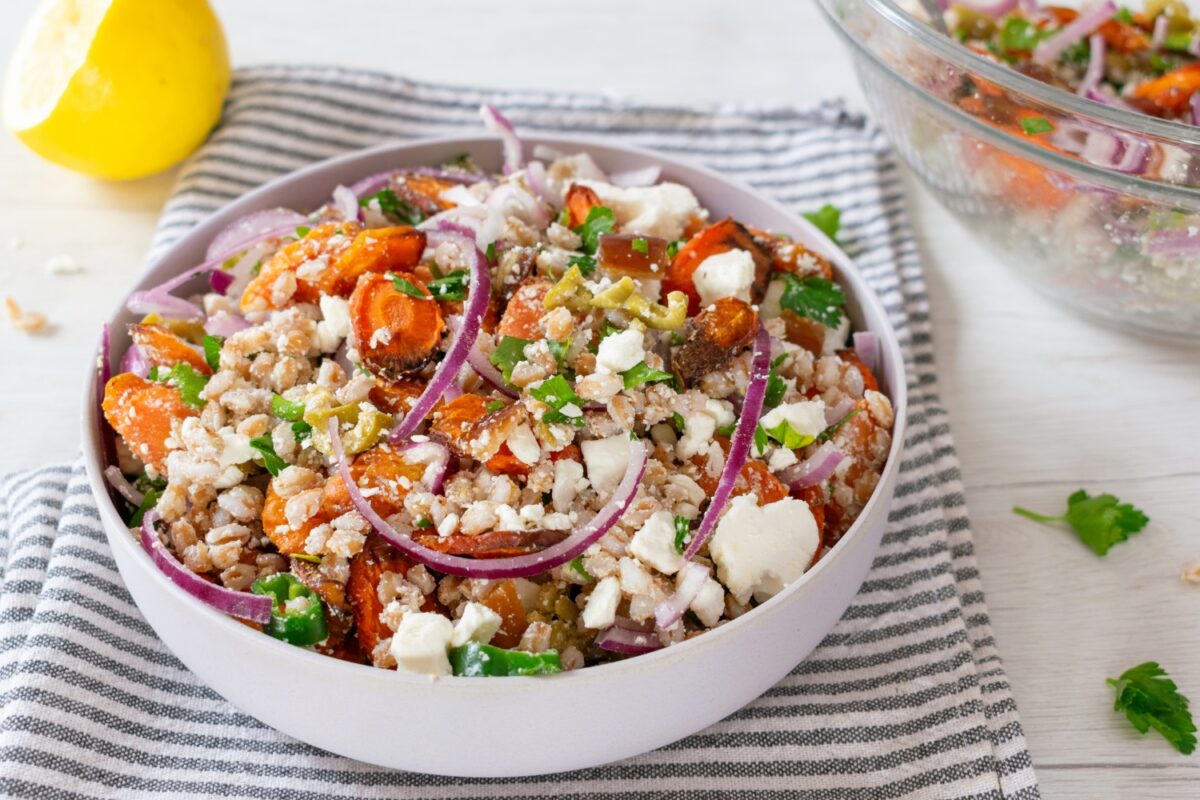
While oatmeal is the most famous grain for heart health, it is far from the only option. Barley, farro, bulgur, and whole-wheat varieties are essential components of the Mediterranean pantry. These grains are rich in beta-glucan, a type of soluble fiber that acts as a scavenger in the digestive system. Once ingested, soluble fiber forms a gel-like substance that binds to bile acids, which are synthesized from cholesterol. By preventing the reabsorption of these bile acids, the liver is forced to pull more cholesterol from the blood to create new bile, thereby lowering circulating LDL levels.

3. Extra Virgin Olive Oil: The Polyphenol Advantage
Extra virgin olive oil (EVOO) serves as the cornerstone of Mediterranean lipid intake. Rich in monounsaturated fatty acids, EVOO is also a potent source of polyphenols—plant compounds that act as antioxidants. Research, including the pivotal PREDIMED (Prevención con Dieta Mediterránea) study, has demonstrated that individuals following a Mediterranean diet supplemented with high-quality olive oil showed a statistically significant reduction in major cardiovascular events. The polyphenols in EVOO are believed to protect LDL particles from oxidation, a critical step in the development of atherosclerosis.
4. Legumes: The Inexpensive Nutrient Dense Solution
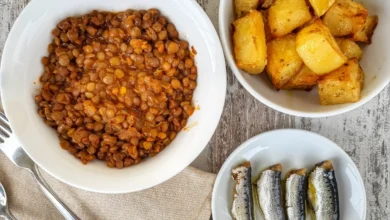
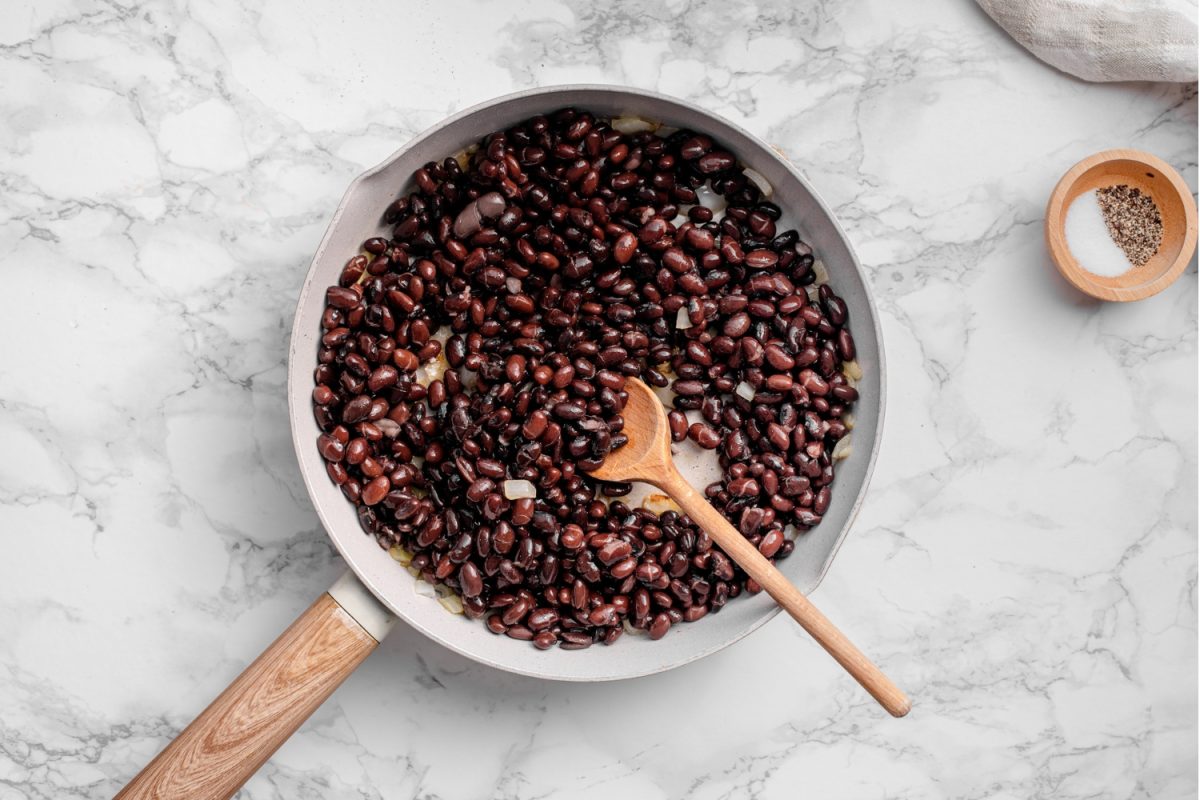
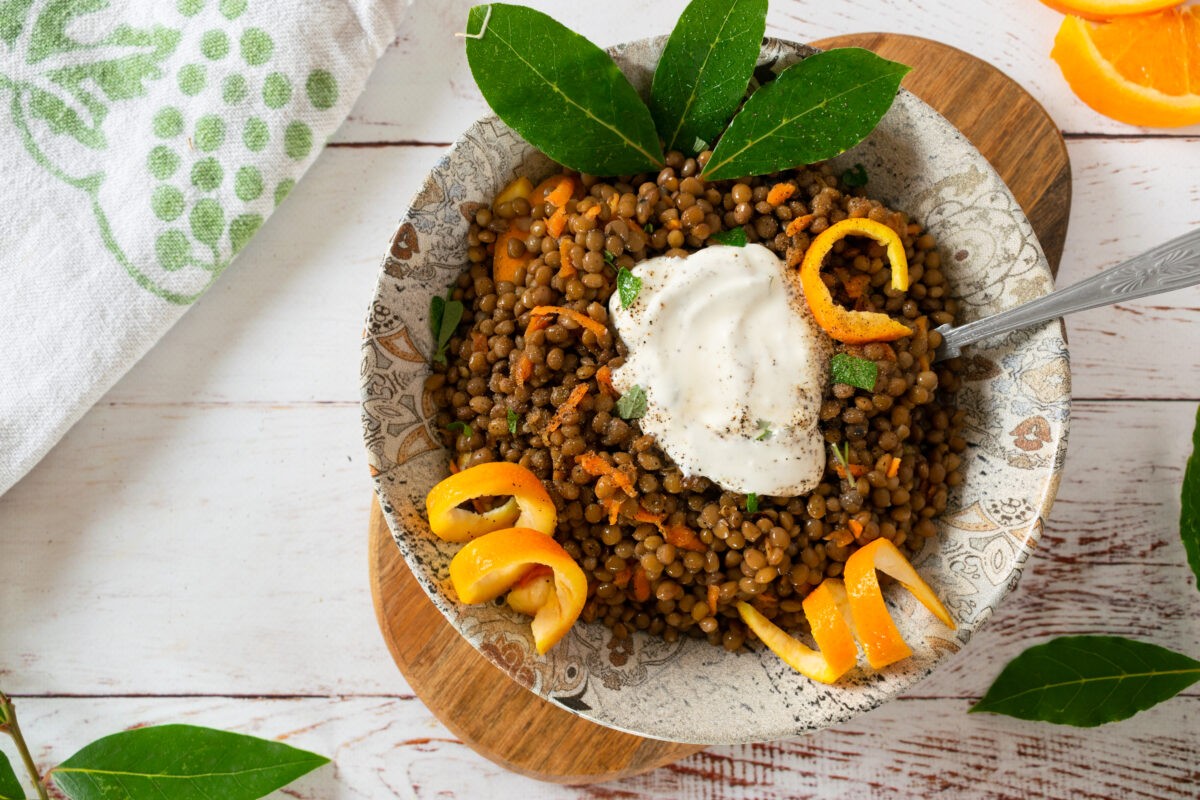
Lentils, chickpeas, and various beans are the "unsung heroes" of heart-healthy eating. These plant proteins provide a double benefit: they are naturally free of saturated fat and are exceptionally high in both fiber and resistant starch. These components not only assist in cholesterol excretion but also serve as prebiotics, fueling the gut microbiome. A healthy microbiome is increasingly recognized as a key regulator of systemic inflammation and metabolic health. Integrating lentils into soups or replacing ground beef with white beans in pasta dishes is a simple, cost-effective way to improve cardiovascular markers.
5. Nuts: The Cardiovascular Superfood
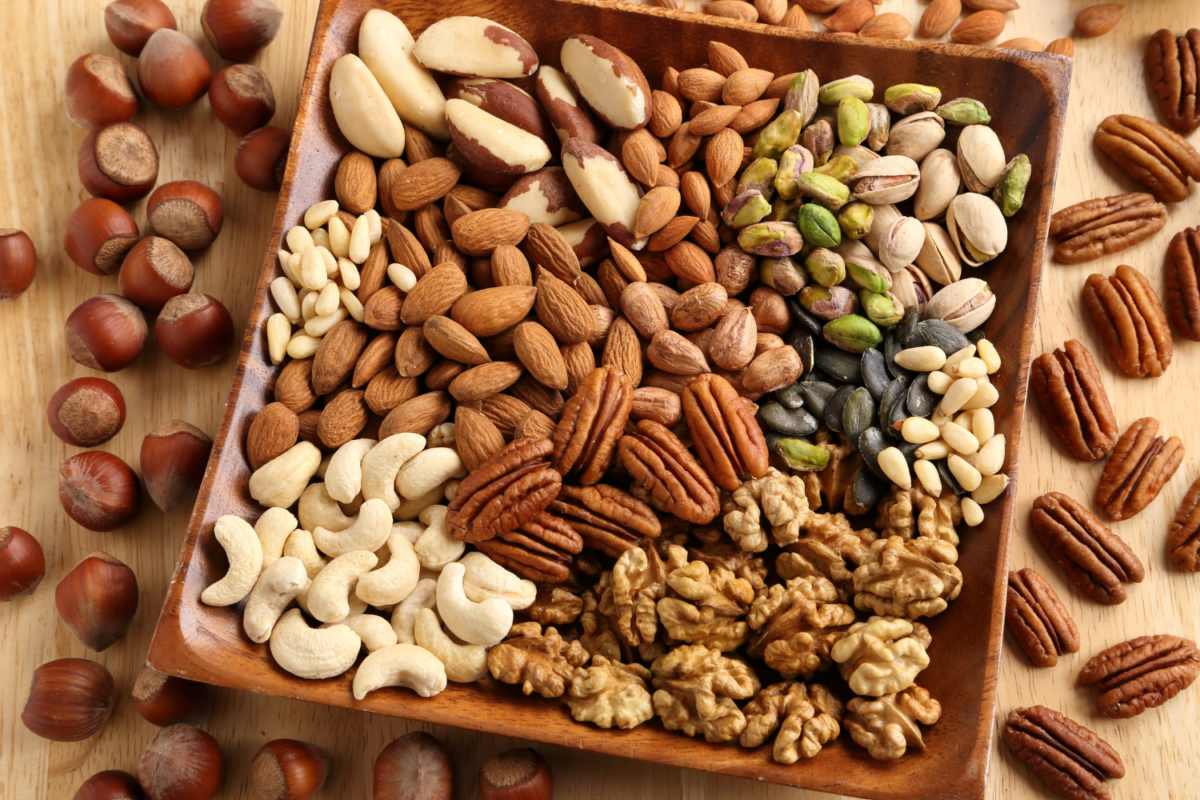
Nuts—particularly walnuts, almonds, and pistachios—are calorie-dense but nutritionally dense. They offer a unique profile of fiber, plant sterols, and unsaturated fats. Plant sterols, in particular, compete with cholesterol for absorption in the intestines, effectively blocking a portion of dietary cholesterol from entering the bloodstream. Furthermore, walnuts are a unique plant-based source of alpha-linolenic acid (ALA), an omega-3 fatty acid. While critics often cite their caloric density as a potential drawback, longitudinal studies suggest that regular nut consumption does not lead to the weight gain predicted by calorie-counting models, likely due to the high satiety levels they provide.
Clinical Implications and Implementation
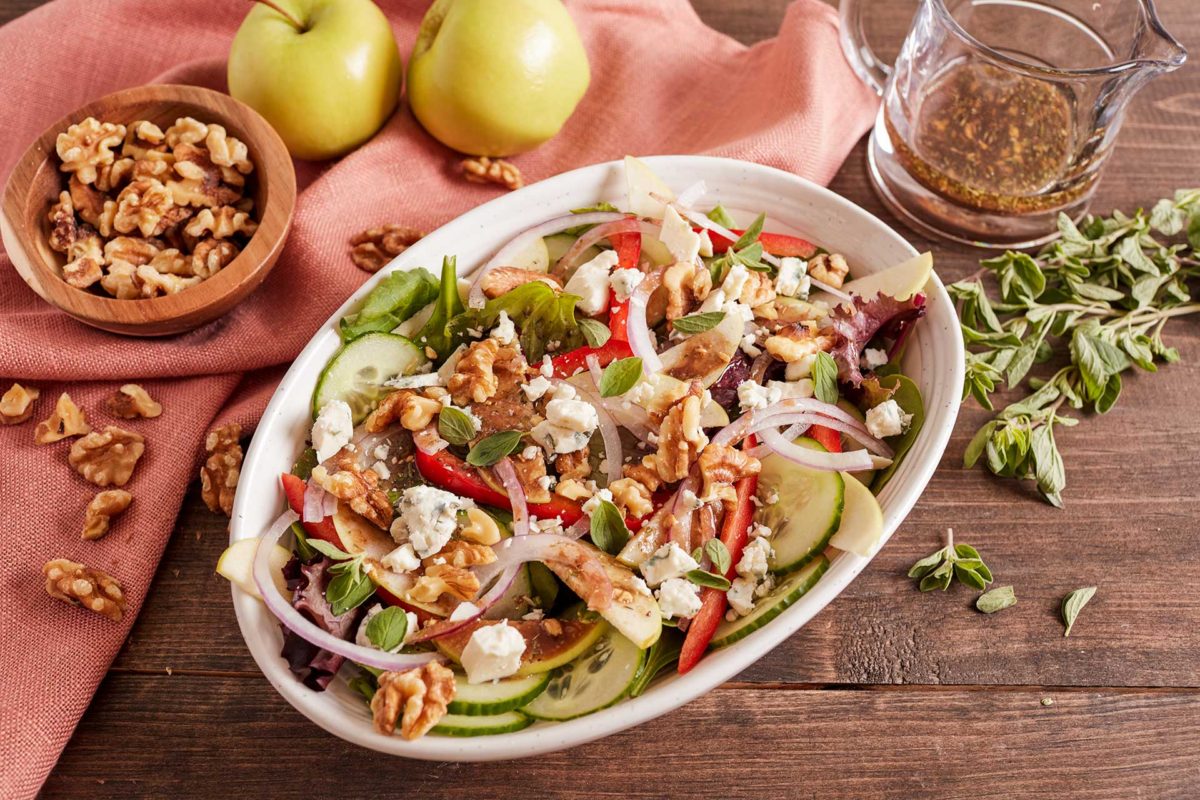
The transition to a Mediterranean eating pattern requires a move away from the "all-or-nothing" mentality. The goal is the creation of an environment where beneficial foods dominate the plate. A typical day might involve a breakfast of yogurt with crushed walnuts, a lunch featuring a lentil and vegetable soup, and a dinner of baked salmon served with a side of whole-grain farro and a salad dressed in high-quality extra virgin olive oil.
This approach is supported by organizations such as the American Heart Association, which advocates for dietary patterns over isolated "superfoods." The cumulative effect of these nutrients is to lower blood pressure, improve insulin sensitivity, and maintain healthy cholesterol levels.

A Measured Approach to Health
While these dietary adjustments are robust, they should not be viewed as a substitute for professional medical care, particularly for individuals already diagnosed with coronary artery disease or those requiring pharmacotherapy. Cholesterol levels are determined by a combination of genetics, lifestyle, and environment. Therefore, any significant change in diet should be undertaken in consultation with a primary care physician or a registered dietitian.
In summary, the modern scientific consensus suggests that cardiovascular health is not won by the elimination of fat or the strict avoidance of specific foods. Instead, it is found in the deliberate selection of high-quality, whole foods that support the body’s natural physiological processes. By moving toward a Mediterranean pattern, individuals can replace pro-inflammatory, heart-taxing foods with ingredients that provide the fiber, healthy fats, and antioxidants necessary for long-term health. The shift is not about restriction, but about the elevation of the quality of the diet, ensuring that the food we eat serves as a foundational pillar for vitality rather than a risk factor for disease.