The Mediterranean Cottage Cheese Bowl: A 5-Minute Powerhouse of Protein and Flavor

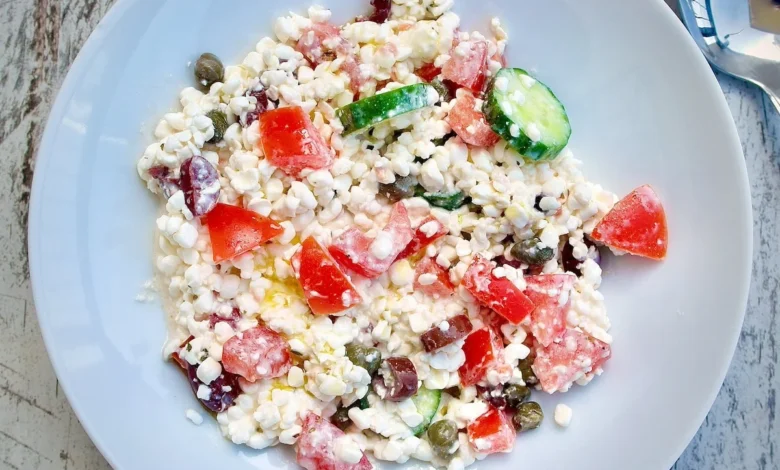
The culinary landscape is constantly evolving, with ingredients once relegated to specific eras or dietary trends experiencing a resurgence. Cottage cheese, a dairy staple often associated with the diet-conscious fads of the 1970s and 80s in the United States, is now enjoying a significant comeback, largely fueled by the enduring popularity of high-protein diets. This humble cheese, when thoughtfully combined with vibrant, fresh ingredients, transforms into a remarkably satisfying and nutritionally robust meal that aligns perfectly with the principles of the Mediterranean diet. The Mediterranean Cottage Cheese Bowl, a creation that requires no cooking and can be assembled in a mere five minutes, offers a compelling fusion of convenience, exceptional flavor, and substantial health benefits.
At its core, this dish leverages the creamy, slightly tangy profile of cottage cheese as a versatile base. This protein-rich foundation is then artfully complemented by a medley of crisp, refreshing vegetables such as cucumber and juicy tomatoes. The addition of briny olives and the sharp, savory notes of feta cheese introduce layers of complex flavor, evoking the sun-drenched essence of the Mediterranean. A final, delicate drizzle of extra-virgin olive oil not only binds these elements together but also contributes its characteristic peppery finish and healthy monounsaturated fats. The appeal of this bowl extends beyond its taste and nutritional prowess; its sheer simplicity and speed of preparation make it an ideal option for busy individuals seeking a wholesome meal or snack without compromising on quality or satiety.
The Nutritional Powerhouse: A Dietitian’s Perspective
From a nutritional standpoint, the Mediterranean Cottage Cheese Bowl stands out for its impressive macronutrient and micronutrient profile. The primary ingredient, cottage cheese, is a well-established source of high-quality protein. A typical serving, approximately 200 grams, can provide around 25 grams of protein, a significant contribution that aids in muscle repair and growth, and critically, promotes a prolonged sense of fullness, helping to curb unnecessary snacking and manage appetite. This protein content is a key factor in its ability to provide sustained energy and support overall metabolic health.
Beyond protein, cottage cheese is also a valuable source of essential vitamins and minerals. It is particularly rich in calcium, a mineral vital for maintaining strong bones and teeth, and plays a role in numerous bodily functions, including muscle contraction and nerve signaling. Furthermore, cottage cheese provides a good amount of vitamin B12, which is indispensable for the formation of red blood cells and the proper functioning of the nervous system, and is crucial for energy metabolism.
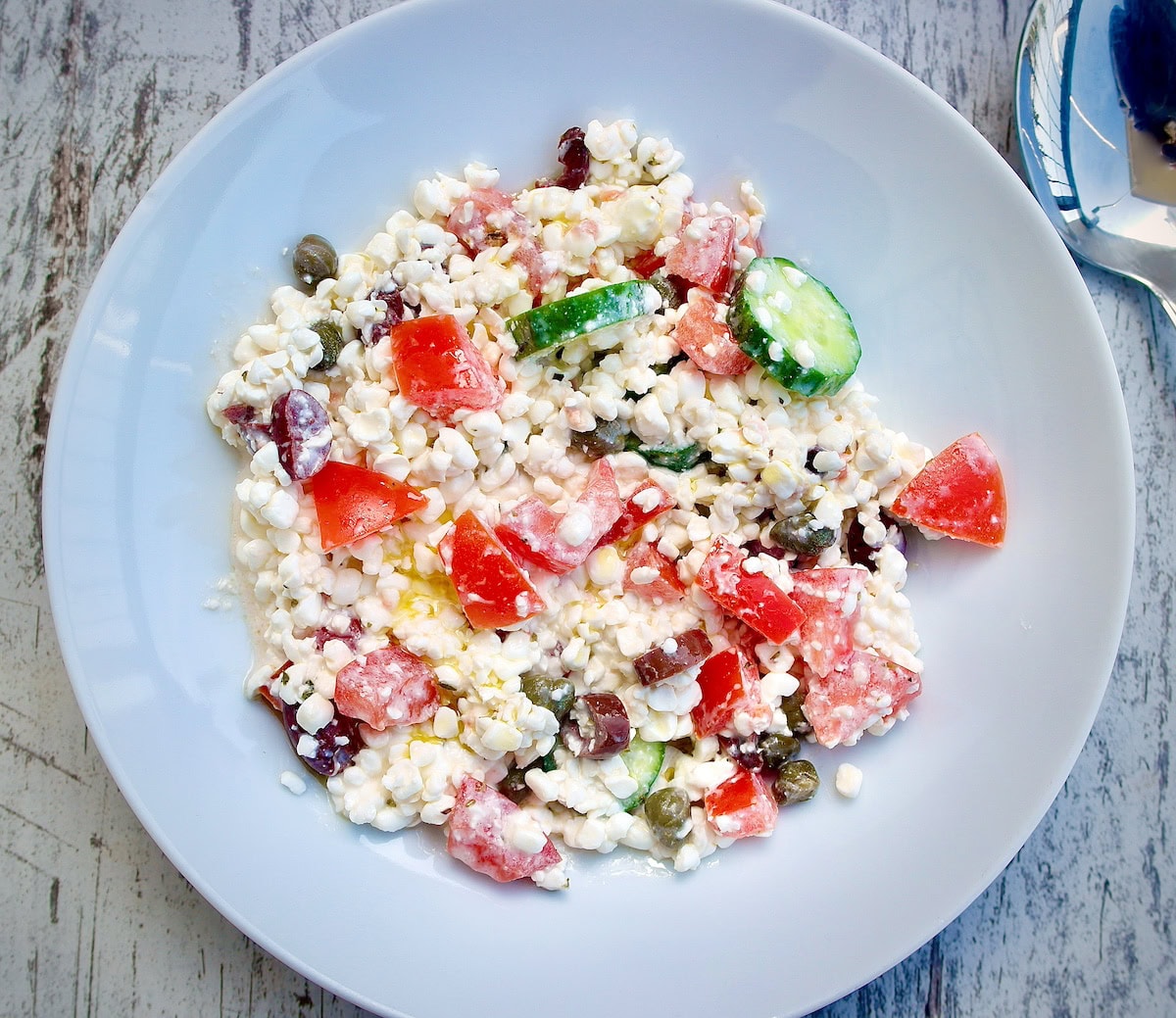
The accompanying vegetables further enhance the bowl’s nutritional value. Tomatoes, for instance, are packed with vitamins A and C, as well as potent antioxidants like lycopene, which has been linked to numerous health benefits, including a reduced risk of certain chronic diseases. Cucumbers contribute hydration and a range of vitamins and minerals, along with dietary fiber, which is essential for digestive health and can help regulate blood sugar levels.
The inclusion of Kalamata olives introduces beneficial monounsaturated fats, specifically oleic acid, which is a cornerstone of the Mediterranean diet’s cardiovascular health benefits. These fats can help lower LDL ("bad") cholesterol levels and raise HDL ("good") cholesterol levels, contributing to a healthier heart. Extra-virgin olive oil, a staple of Mediterranean cuisine, further bolsters the intake of these heart-healthy monounsaturated fats and provides antioxidants.
With an estimated caloric count of around 300 calories per serving, the Mediterranean Cottage Cheese Bowl offers a substantial and satiating meal that can effectively fuel the body without an excessive calorie load. This balance of protein, healthy fats, and micronutrients makes it a strategic choice for individuals aiming for weight management, muscle maintenance, or simply a healthier, more balanced diet.
A Nod to the Past, A Vision for the Future: Cottage Cheese’s Resurgence
The journey of cottage cheese from a perceived "diet food" of yesteryear to a modern nutritional star is a fascinating testament to changing dietary trends and a deeper understanding of food science. In the mid-20th century, particularly in the United States, cottage cheese was widely marketed as a low-fat, high-protein option for weight loss. Its perceived blandness and texture often led to its consumption being associated with restrictive dieting rather than enjoyable eating. However, this perception began to shift as the emphasis in nutrition moved from solely calorie restriction to a more holistic approach that prioritized nutrient density, satiety, and the quality of food consumed.
The "high-protein trend" has been a significant catalyst for cottage cheese’s renewed popularity. As research has consistently highlighted the benefits of adequate protein intake – including improved satiety, muscle preservation, and metabolic regulation – consumers have actively sought out protein-rich foods. Cottage cheese, with its naturally high protein content and relatively low cost, fits this demand perfectly. Moreover, its versatility in culinary applications has been rediscovered. Instead of being relegated to a lonely dollop on a plate, it is now being incorporated into smoothies, used as a base for dips and spreads, and, as exemplified by the Mediterranean bowl, transformed into a complete and flavorful meal.

The Mediterranean diet, consistently lauded by health organizations and researchers for its profound health benefits, including reduced risk of heart disease, type 2 diabetes, and certain cancers, emphasizes whole, unprocessed foods, healthy fats, and lean protein. While cottage cheese itself is not a traditional cheese native to the Mediterranean region, its natural production process, primarily involving milk and bacterial cultures, allows it to align with the broader principles of a Mediterranean-style diet. The key lies in its preparation and pairing. When cottage cheese is combined with the quintessential ingredients of Mediterranean cuisine – olive oil, fresh vegetables, herbs, and lean proteins – it becomes an integral part of a balanced, Mediterranean-inspired eating pattern.
Crafting the Mediterranean Cottage Cheese Bowl: Simplicity Redefined
The creation of a Mediterranean Cottage Cheese Bowl is a testament to the power of minimal effort yielding maximum reward. The process is remarkably straightforward, requiring only a few minutes and basic kitchen tools.
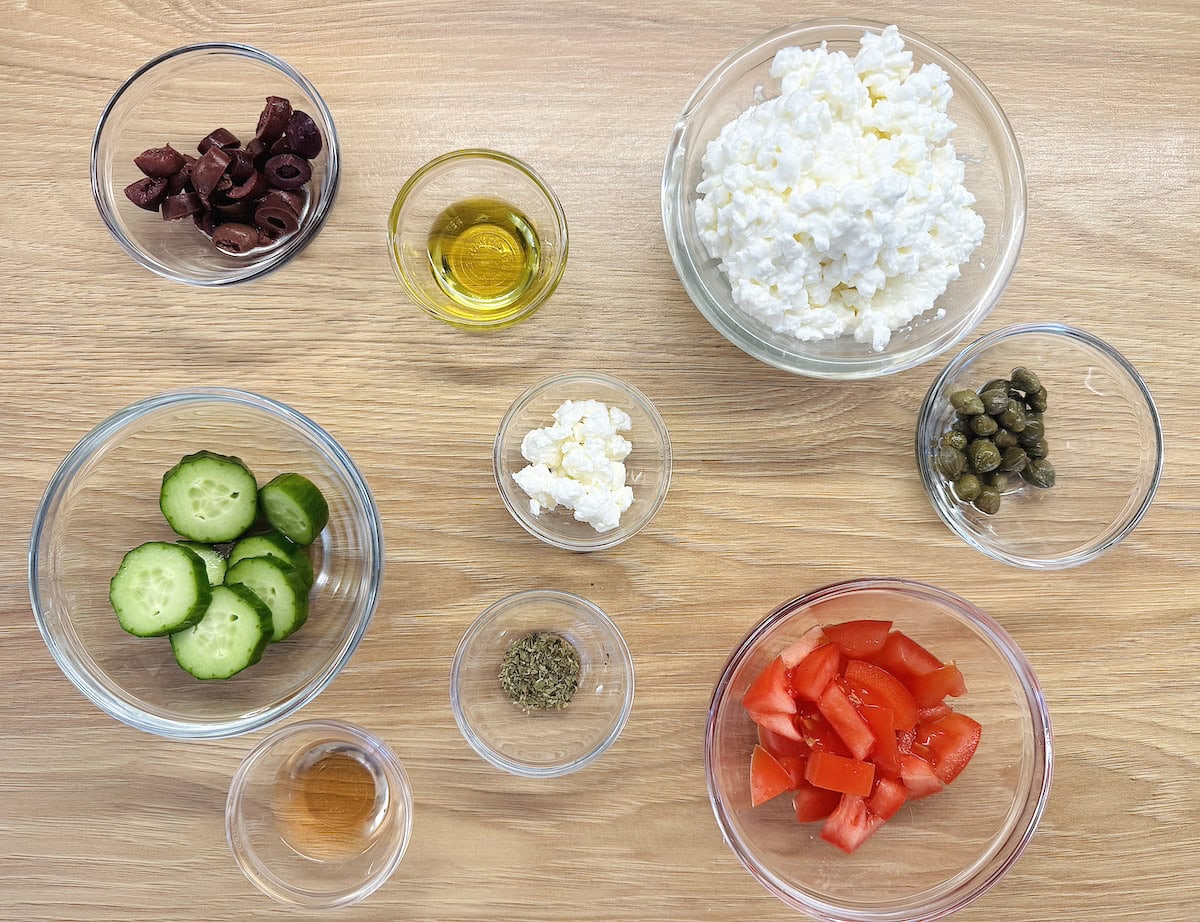
Key Ingredients:
- Cottage Cheese: The creamy, protein-rich base. Opt for full-fat or low-fat versions based on personal preference and dietary goals.
- Cucumber: Provides a refreshing crunch and hydration. Diced or thinly sliced.
- Tomatoes: Cherry or grape tomatoes, halved or quartered, add sweetness and acidity.
- Kalamata Olives: These briny, flavorful olives are essential for that authentic Mediterranean taste. Pitted and halved.
- Feta Cheese: Crumbled feta introduces a salty, tangy counterpoint to the creamy cottage cheese.
- Extra-Virgin Olive Oil: A high-quality olive oil for drizzling, adding richness and healthy fats.
- Optional Enhancements: Fresh herbs like parsley or mint, a sprinkle of black pepper, or a pinch of dried oregano can further elevate the flavor profile.
Preparation Steps:
- Base Layer: Spoon a generous serving of cottage cheese into a bowl.
- Vegetable Medley: Scatter the diced cucumber and halved tomatoes over the cottage cheese.
- Olive and Feta: Distribute the halved Kalamata olives and crumbled feta cheese across the top.
- Finishing Touches: Drizzle with extra-virgin olive oil.
- Optional Additions: Garnish with fresh herbs and a grind of black pepper if desired.
This no-cook assembly process ensures that the vibrant flavors and textures of the fresh ingredients remain at their peak. The entire preparation can be completed in under five minutes, making it an ideal option for a quick breakfast, a light lunch, or a satisfying post-workout snack.
Exploring Variations and Enhancements
While the classic Mediterranean Cottage Cheese Bowl is a delightful and complete meal in itself, its adaptability allows for numerous variations to suit individual tastes and nutritional needs.
- Herbal Infusion: Incorporating fresh herbs such as dill, chives, or basil can add a burst of aroma and flavor. A small amount of finely chopped red onion or shallots can also provide a pleasant pungent note.
- Spice and Zest: For those who enjoy a bit of heat, a pinch of red pepper flakes or a dash of harissa can add a welcome kick. Lemon zest can provide a bright, citrusy dimension.
- Additional Vegetables: Bell peppers, chopped red onions, or even a handful of baby spinach can be incorporated to boost nutrient intake and add textural variety.
- Seed and Nut Boost: A sprinkle of toasted sunflower seeds, pumpkin seeds, or chopped almonds can add a satisfying crunch and an extra layer of healthy fats and protein.
- Grain Integration: For a more substantial meal, a small portion of cooked quinoa or bulgur can be added to the base.
- Protein Enhancements: Cooked chicken breast, flaked tuna, or hard-boiled eggs can be added to transform the bowl into a more robust main course.
Frequently Asked Questions
Is cottage cheese considered part of the Mediterranean diet?
While not a traditional cheese originating from the Mediterranean basin, cottage cheese can be integrated into a Mediterranean-style diet. Its suitability stems from its natural production methods. When chosen with minimal additives and combined with core Mediterranean ingredients like olive oil, vegetables, and herbs, it forms a balanced and Mediterranean-inspired meal. The emphasis within the Mediterranean diet is on whole, minimally processed foods, and cottage cheese, when selected appropriately (e.g., those with only milk and cultures listed as ingredients), aligns with this philosophy.
What is the protein content of a typical Mediterranean Cottage Cheese Bowl?
A standard Mediterranean Cottage Cheese Bowl, prepared with approximately 200 grams of cottage cheese, generally provides around 25 grams of protein. This makes it an exceptionally effective option for individuals seeking to increase their protein intake, whether for muscle building, weight management, or sustained energy levels.

How is cottage cheese produced?
Cottage cheese is a type of cheese curd product made from skimmed milk, milk, or cream. The process involves adding a starter culture of bacteria, and then rennet or another coagulant, to the milk. This causes the milk to curdle, separating the solids (curds) from the liquid (whey). The curds are then washed, and a dressing, typically made from milk or cream, salt, and sometimes stabilizers, is added to create the characteristic texture and flavor of cottage cheese.
A Legacy of Health: The Enduring Appeal of Mediterranean Cuisine
The Mediterranean diet, a dietary pattern inspired by the traditional eating habits of countries bordering the Mediterranean Sea, has garnered significant global recognition for its profound impact on long-term health and well-being. This eating style is not merely a collection of foods but a lifestyle that emphasizes fresh, seasonal produce, healthy fats, lean proteins, and whole grains, often enjoyed in a social context. The widespread adoption and endorsement of this dietary approach by health professionals underscore its efficacy in preventing and managing chronic diseases.
The Mediterranean Cottage Cheese Bowl, by integrating a readily available and protein-dense food with the foundational elements of this celebrated diet, offers a practical and delicious pathway for individuals to embrace healthier eating habits. Its rapid preparation time addresses the modern challenge of time constraints, making nutritious choices more accessible. As dietary science continues to unravel the intricate connections between food, health, and longevity, recipes like the Mediterranean Cottage Cheese Bowl serve as valuable tools, demonstrating that wholesome eating can be both simple and exceptionally flavorful. The resurgence of cottage cheese, propelled by its protein power and versatility, has found a perfect culinary home within the vibrant, health-promoting framework of the Mediterranean diet, offering a modern solution to enduring nutritional needs.