The Enduring Allure of the Sidecar Cocktail: A Deep Dive into its History, Variations, and Enduring Appeal

The world of mixology, much like any vibrant cultural landscape, is characterized by trends and obsessions that capture the collective imagination of enthusiasts and professionals alike. For nearly two decades, this publication has chronicled such culinary journeys, often highlighting the author’s deep dives into specific cocktails that spark a passionate embrace. From the refreshing Porch Swing and the seasonal zest of Blood Orange Margaritas to the decade-long reign of the Perfect Manhattan and the enduring presence of the Boulevardier, these explorations have consistently mirrored the ebb and flow of cocktail culture. Most recently, the focus has shifted to the Sidecar, a classic 1920s-era libation shrouded in conflicting origin stories yet celebrated for its sophisticated balance of flavors. This in-depth look delves into the history, the contested narratives, and the undeniable appeal of the Sidecar, a cocktail that continues to captivate palates and spark conversation.
Tracing the Origins: A Cocktail Born of Ambiguity
The precise genesis of the Sidecar cocktail remains a subject of spirited debate, a testament to the often anecdotal and evolving nature of early 20th-century bar lore. Two primary narratives dominate the historical discourse, each offering a distinct, yet equally plausible, account of its creation.

The first, and perhaps most widely circulated, tale attributes the Sidecar’s invention to an American Army captain stationed in Paris during World War I. According to this account, the captain, a regular patron of either the Hôtel Ritz Paris or Harry’s New York Bar (depending on the storyteller), would arrive at the establishment via a motorcycle sidecar. It is said that he would consistently order a specific concoction of cognac, orange liqueur, and lemon juice. Bartenders, in recognition of his unique mode of transport, eventually named the drink in his honor, christening it the "Sidecar." While this narrative is undeniably charming, it leaves certain intriguing questions unanswered, such as the identity of the intrepid driver who chauffeured the captain to his favored watering hole. The lack of definitive historical records to corroborate this specific anecdote fuels the ongoing speculation.
A second, equally compelling, origin story suggests a more utilitarian beginning. In this version, bartenders would prepare a cocktail, and any leftover mixture from the shaker would be poured into a separate, smaller glass, which was then served alongside the main drink. This diminutive serving was affectionately termed the "sidecar." While this explanation offers a pragmatic rationale for the name, it too, lacks concrete historical documentation, leaving it to reside in the realm of conjecture.
Regardless of which origin story holds more historical weight, the fact remains that the Sidecar emerged as a prominent cocktail during the Roaring Twenties, a period of significant social and cultural upheaval, and a golden age for cocktail innovation. This era, characterized by Prohibition in the United States, led many Americans to seek out speakeasies and cocktail lounges in Europe, particularly in Paris, where the cocktail culture flourished. The Sidecar, with its sophisticated flavor profile, quickly found favor among this discerning clientele.

The Anatomy of a Classic: Flavor Profile and Composition
At its core, the Sidecar is a testament to the power of balanced simplicity. Its components – a base spirit, a sweetener, and a sour element – are fundamental to many classic cocktails, but the Sidecar achieves a unique harmony. The typical ratio often cited is 2:1:1, comprising two parts cognac, one part orange liqueur (such as Cointreau or Triple Sec), and one part fresh lemon juice.
The cognac provides a rich, warming depth, offering notes of oak and dried fruit. This is beautifully counterbalanced by the bright, zesty acidity of the fresh lemon juice, which cuts through the richness of the spirit and prevents the drink from becoming overly cloying. The orange liqueur bridges these two elements, introducing a subtle sweetness and a distinct citrus aroma that enhances the overall complexity. The result is a cocktail that is simultaneously potent, refreshing, and elegantly nuanced.
This flavor profile has led many to draw comparisons between the Sidecar and the Margarita, a comparison that holds significant merit. Both cocktails feature a spirit base, a citrus element, and a sweetener. However, the Sidecar’s use of cognac instead of tequila, and its characteristic orange liqueur, imbues it with a distinct character. As a member of the "daisy" family of cocktails, characterized by a base spirit, citrus, and a sweetener, the Sidecar exemplifies the category’s inherent ability to deliver a vibrant yet well-rounded drinking experience.

The Aesthetic Appeal: The Sugared Rim and its Significance
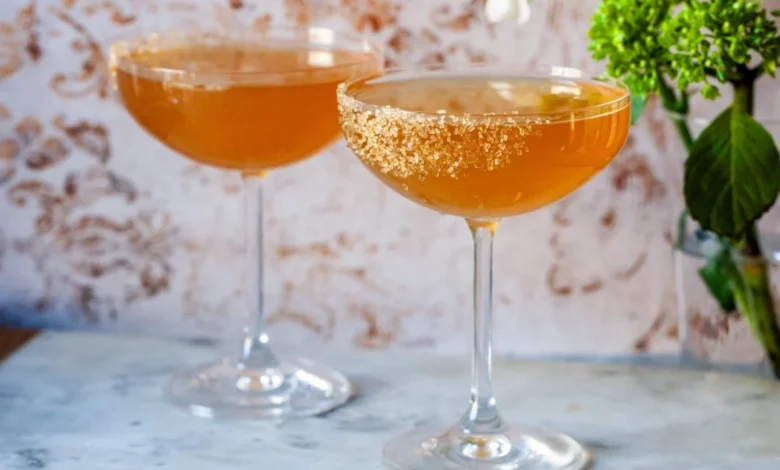
A signature visual element of the Sidecar, and one that is often debated for its necessity, is the sugared rim. While purists might argue that the cocktail’s inherent sweetness makes the sugar superfluous, its inclusion offers a compelling aesthetic and textural dimension. The raw sugar, when applied with care, catches the light, creating a glistening halo around the rim of the glass. This visual flourish adds a touch of elegance and celebratory flair, transforming the act of drinking into a more sensory experience.
Furthermore, the texture of the sugar crystals provides a subtle crunch that contrasts with the smooth liquid, adding another layer of complexity to each sip. While the taste impact might be debated, the visual and textural contribution of the sugared rim is undeniable, offering a small indulgence that can enhance the overall enjoyment of the cocktail. It speaks to the human desire for a little "extra sparkle" in life, a sentiment that resonates beyond the realm of beverages.
Variations and Modern Interpretations
While the classic recipe remains the benchmark, the Sidecar, like many enduring cocktails, has lent itself to a variety of interpretations and adaptations. One notable variation involves the choice of base spirit. While cognac is traditional, some enthusiasts have explored the use of other spirits. Bourbon, for instance, can lend a different character to the Sidecar, offering a more robust and vanilla-forward profile that can complement the citrus and orange liqueur in unexpected ways. Reports from establishments like Albany Ale & Oyster highlight successful bourbon-based Sidecar variations, suggesting that experimentation can yield delightful results.

The orange liqueur component also offers room for variation. While Cointreau is a popular choice for its clean, bright orange flavor, other triple secs or even curaçaos can be employed, each imparting subtle differences to the final drink. The sweetness and acidity can also be adjusted, allowing for personalized adjustments to suit individual preferences. The inherent flexibility of the Sidecar’s formula ensures its continued relevance and appeal in a constantly evolving cocktail landscape.
The Enduring Legacy of a Timeless Classic
The Sidecar cocktail, with its rich history, its intriguing origin stories, and its impeccably balanced flavor profile, stands as a testament to the enduring power of well-crafted beverages. Its journey from the bustling bars of post-WWI Paris to contemporary cocktail menus across the globe is a narrative of timeless appeal. While the exact details of its birth may remain elusive, its impact on the world of mixology is undeniable.
The cocktail’s ability to be both sophisticated and approachable, its inherent adaptability to variations, and its visually appealing presentation all contribute to its lasting legacy. As cocktail culture continues to thrive and evolve, the Sidecar remains a cornerstone, a reliable and elegant choice that consistently delivers a memorable drinking experience. It is a drink that invites contemplation, sparks conversation, and, most importantly, delights the palate – a true classic that continues to hold its own in the ever-changing world of spirits.