9 Easy Greek Recipes From My Family Kitchen: A Nutritionist’s Guide to Authentic Mediterranean Living


The global culinary landscape has long celebrated the Mediterranean diet as a gold standard for longevity, cardiovascular health, and sustained vitality. At the heart of this dietary tradition lies Greece, where home kitchens have preserved centuries-old methods of transforming basic, locally sourced agricultural bounty into deeply satisfying meals. Eschewing the heavily modified, commercialized versions of Mediterranean cuisine often found in Western restaurants, traditional Greek cooking relies on minimalism, exceptional extra virgin olive oil, seasonal vegetables, and aromatic herbs. Elena Paravantes, a registered dietitian nutritionist specializing in the authentic Greek iteration of the Mediterranean diet, has curated a foundational collection of nine everyday family recipes that highlight the true essence of this heritage. Drawing from decades of professional expertise and a childhood divided between the United States and Greece, Paravantes offers a window into the unpretentious, health-promoting cooking style that has sustained generations.
Historical Context and the Evolution of the Mediterranean Diet
The recognition of the Mediterranean diet as a formal nutritional framework dates back to the mid-20th century, largely catalyzed by the landmark Seven Countries Study led by American physiologist Ancel Keys. Researchers observed that populations in the Mediterranean basin, particularly in Crete and mainland Greece, experienced remarkably low rates of chronic illnesses, such as coronary heart disease, despite high consumption of dietary fats—primarily derived from olive oil.
Historically, Greek cuisine was shaped by necessity, geography, and religious fasting traditions. Greek Orthodox Christianity mandates approximately 180 to 200 days of fasting per year, which historically restricted the consumption of meat, dairy, and eggs. This cultural practice necessitated the development of a rich repertoire of plant-based dishes known as "lathera" (foods cooked in oil). Olive oil serves not merely as a cooking medium in these recipes, but as a primary source of healthy monounsaturated fats and powerful antioxidants. Over generations, Greek home cooks mastered the art of stewing vegetables with olive oil, tomatoes, and herbs, creating deeply savory meals that required minimal ingredients yet delivered exceptional nutritional value.
Nutritional Analysis and Health Implications
From a clinical nutrition perspective, the traditional Greek diet offers profound physiological benefits. According to nutritional data compiled by health organizations and academic institutions, replacing saturated fats with the extra virgin olive oil prominent in Greek cooking helps maintain healthy cholesterol profiles, reducing low-density lipoprotein (LDL) cholesterol while preserving high-density lipoprotein (HDL) levels.
Furthermore, the emphasis on leafy greens, legumes, and fresh produce ensures a high intake of dietary fiber, vitamins A, C, and K, and essential minerals such as potassium and magnesium. Dishes like spanakorizo (spinach and rice) and fakes (lentil soup) provide robust plant-based protein profiles combined with complex carbohydrates, stabilizing blood sugar levels and promoting sustained metabolic health. Public health researchers frequently cite adherence to this dietary pattern as a key factor contributing to the high life expectancy observed in certain Greek regions, often referred to as "Blue Zones."
The Nine Foundational Family Recipes

The curated collection of nine recipes emphasizes practical home cooking, utilizing straightforward preparation techniques without sacrificing flavor or authenticity.
-
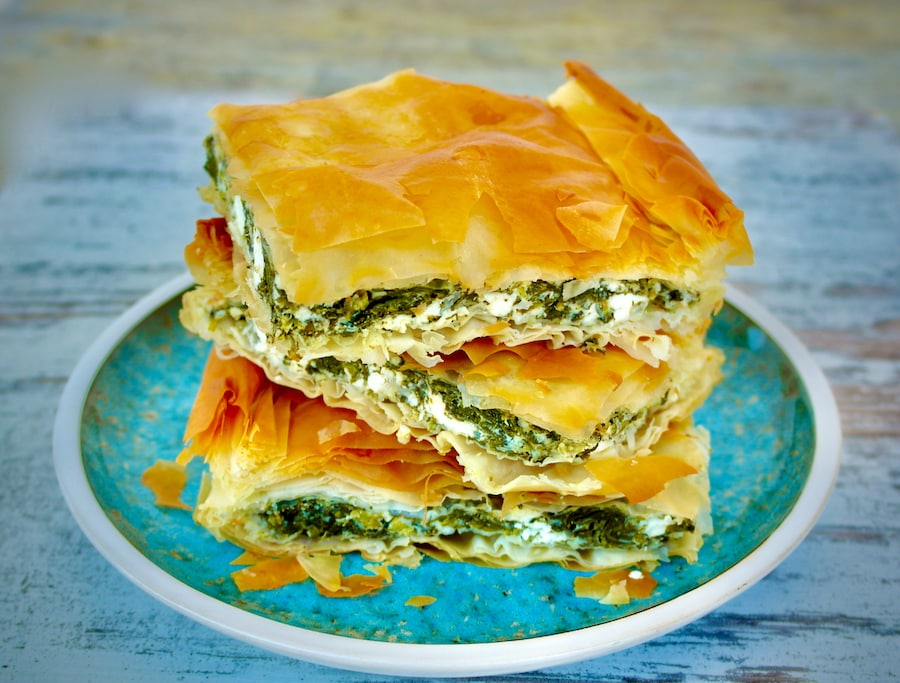
Authentic Greek Spanakopita (Spinach and Feta Pie)
A cornerstone of Greek savory pastry making, spanakopita features delicate, flaky layers of phyllo dough brushed with extra virgin olive oil, encasing a mineral-rich filling of fresh spinach, sharp feta cheese, aromatic herbs, and scallions. Unlike commercially frozen variants, the authentic family method prioritizes the crispness of the olive oil-baked crust over excessive dairy fillers. -
Authentic Greek Lemon Roasted Chicken and Potatoes
Reserved traditionally for Sunday family dinners, this roasting pan dish combines bone-in chicken with thick-cut potatoes that absorb the pan juices, which consist of fresh lemon juice, garlic, oregano, olive oil, and chicken broth. The high-heat roasting process yields a crisp exterior on the poultry while rendering the potatoes meltingly tender.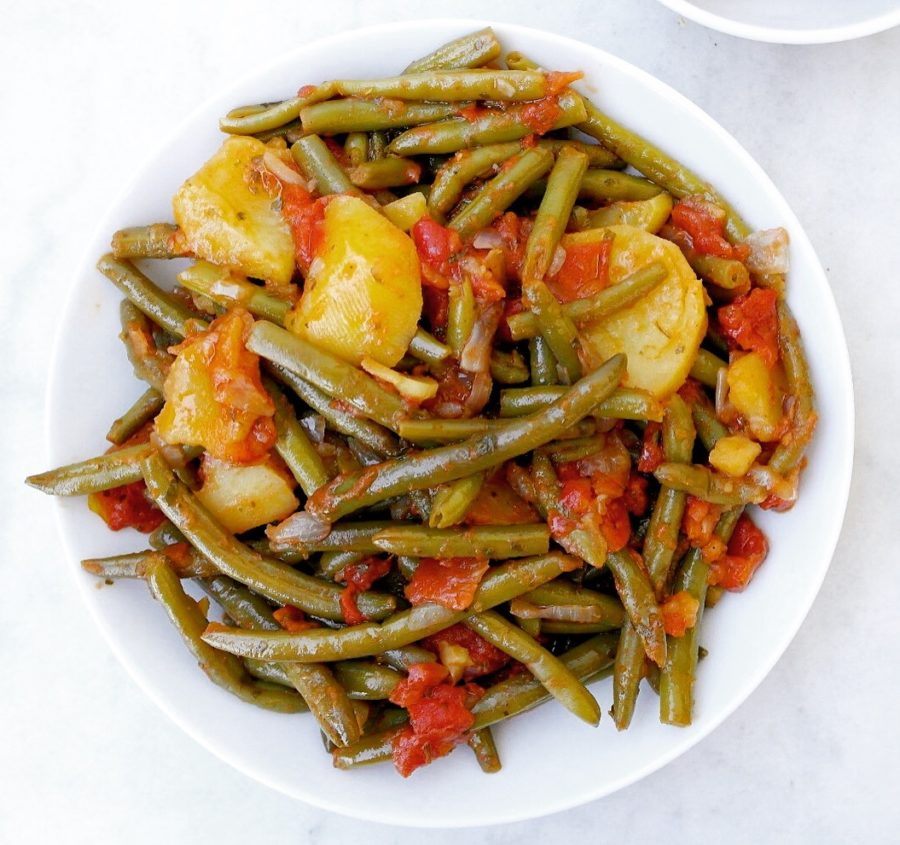
-
Authentic Greek Green Beans (Fasolakia Lathera)
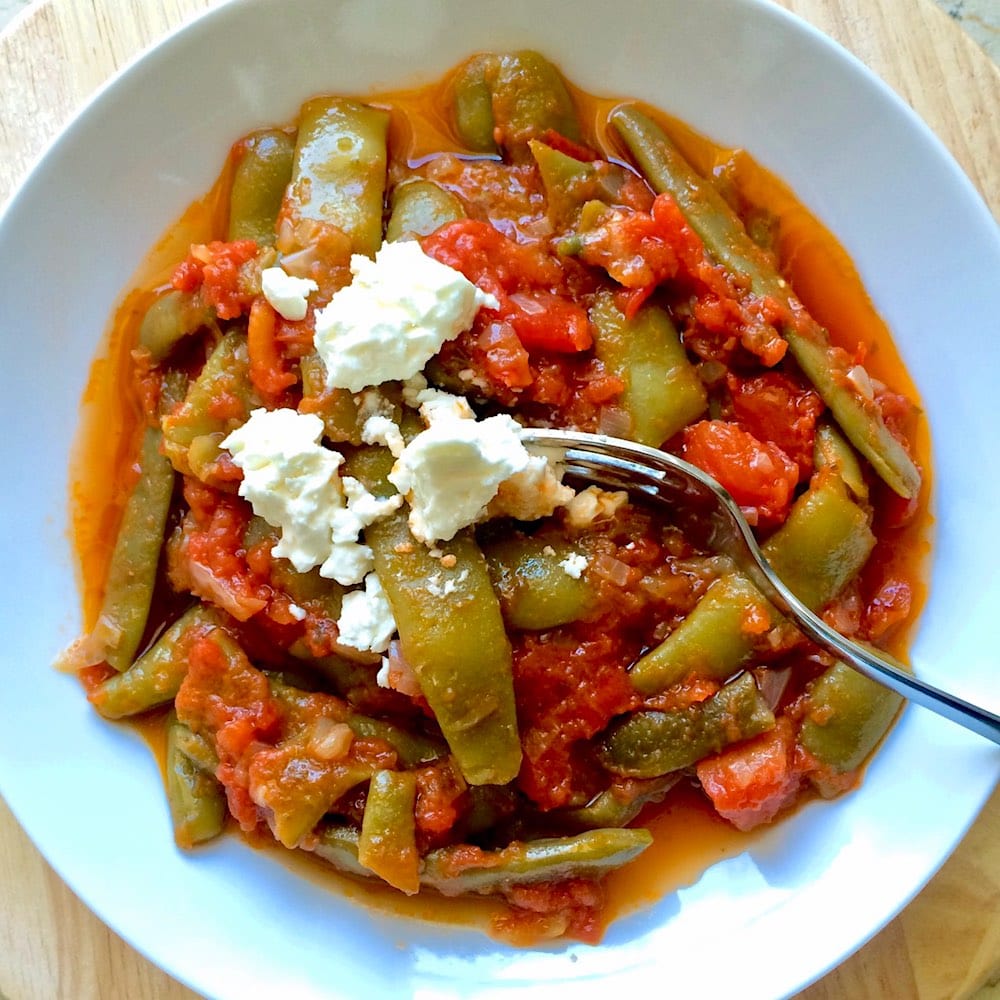
Representing the quintessential "lathera" category, this vegan and gluten-free dish stews fresh green beans and potatoes in a velvety tomato, herb, and olive oil emulsion. Slow-cooking allows the vegetables to absorb the rich sauce, transforming a humble legume into a satisfying main course or side dish. -
The Best Authentic Greek Salad (Horiatiki)
Widely recognized globally as the "Greek salad," the traditional horiatiki strictly excludes lettuce, cabbage, and mayonnaise-based dressings. Instead, it relies on vine-ripened red tomatoes, crisp cucumbers, sliced red onions, Kalamata olives, and a generous slab of authentic sheep’s or goat’s milk feta cheese, dressed simply with extra virgin olive oil, red wine vinegar, and dried oregano. -
Greek-Style Peas (Arakas Latheros)
A weekly staple in Greek households, this dish stews sweet green peas alongside carrots and potatoes in a concentrated olive oil and tomato reduction. Traditionally served at room temperature or warm, it is accompanied by sharp feta and rustic bread used to absorb the flavorful sauce.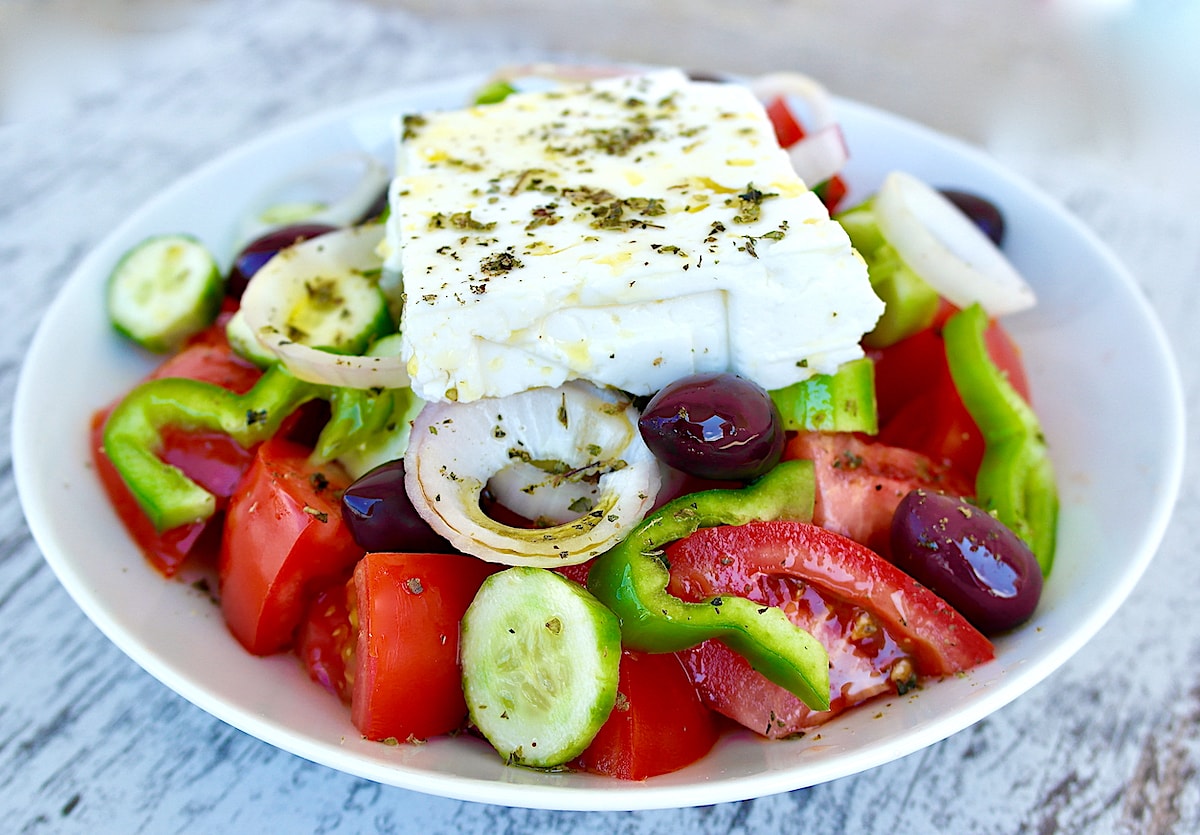
-
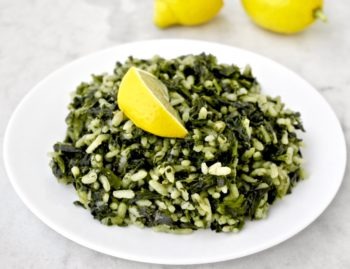
Greek Spinach and Rice (Spanakorizo)
As a premier comfort food during cooler months, spanakorizo combines chopped spinach with medium-grain rice simmered in vegetable or chicken broth, finished with a generous splash of lemon juice and extra virgin olive oil. The dish offers a balanced carbohydrate and iron profile, frequently served alongside aged feta cheese. -
Greek Lentil Soup (Fakes)
An accessible year-round classic, fakes features earthy brown or green lentils simmered with onions, garlic, and tomato paste or fresh tomatoes. Served as a thick, nourishing soup, it is elevated at the table with a drizzle of robust extra virgin olive oil and a dash of red wine vinegar to brighten the flavor profile. -
Chicken Cooked in Tomato Sauce (Kotopoulo Kokkinisto)
This traditional stew features chicken pieces simmered slowly in a spiced tomato sauce enriched with cinnamon, allspice, and bay leaves. The warm spice profile distinguishes Greek tomato-based stews from their Italian counterparts, and the dish is typically served over regional pasta or rice, or alongside a fresh salad for lower carbohydrate intake.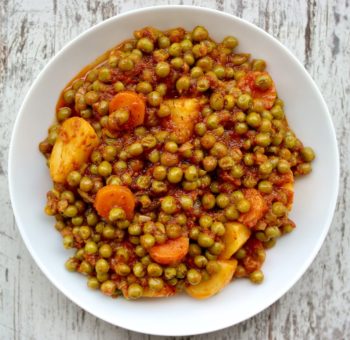
-
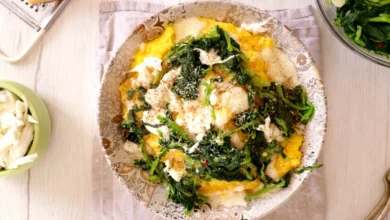
Authentic Greek Scrambled Eggs with Feta and Tomato (Strapatsada)
Rounding out the collection is strapatsada, a fast and nourishing skillet meal. Fresh, grated or chopped tomatoes are cooked down in olive oil until they form a thick base, into which beaten eggs and crumbled feta are stirred. The dish capitalizes on pantry staples, offering a protein-dense meal prepared in minutes.
Industry Response and Culinary Experts’ Perspectives
Culinary historians and dietitians have increasingly advocated for a return to these foundational home-cooking techniques as a countermeasure against highly processed convenience foods. Nutrition experts emphasize that the accessibility of these recipes removes common barriers to healthy eating, such as the misconception that the Mediterranean diet requires expensive specialty ingredients or complex culinary training.
Educational institutions and public health initiatives frequently collaborate with nutritionists to promote these traditional practices. By demonstrating that wholesome meals can be prepared using basic pantry staples—such as canned tomatoes, dry lentils, olive oil, and frozen or fresh produce—public health advocates aim to improve dietary habits across diverse populations.
Broader Impact and Implications for Modern Diets
As consumer awareness regarding the health impacts of ultra-processed foods continues to grow, the popularity of authentic Mediterranean recipes reflects a broader cultural shift toward intentional, plant-forward eating. The endurance of these recipes through centuries of social and economic change underscores their functional value. By prioritizing nutrient-dense ingredients, healthy fats, and culinary simplicity, the traditional Greek kitchen offers a sustainable blueprint for modern nutritional health that transcends regional boundaries.