The Mediterranean Diet Meets Dessert: How a Simple Three-Ingredient Chocolate Mousse is Redefining Healthy Indulgence

In an era where modern dietary trends frequently swing between extreme restriction and overly processed functional foods, traditional culinary wisdom continues to offer sustainable solutions for balanced living. Among these, the Mediterranean diet remains a global gold standard for longevity, cardiovascular health, and culinary satisfaction. Central to this dietary paradigm is a fundamental philosophy: indulgence is not banned, but rather reframed through the lens of moderation, mindful portioning, and the use of whole, minimally processed ingredients. Recent culinary developments championed by clinical nutritionists and Mediterranean diet experts have brought this philosophy sharply into focus, demonstrating how classic comfort foods can be successfully restructured to align with contemporary nutritional science without sacrificing flavor or texture.
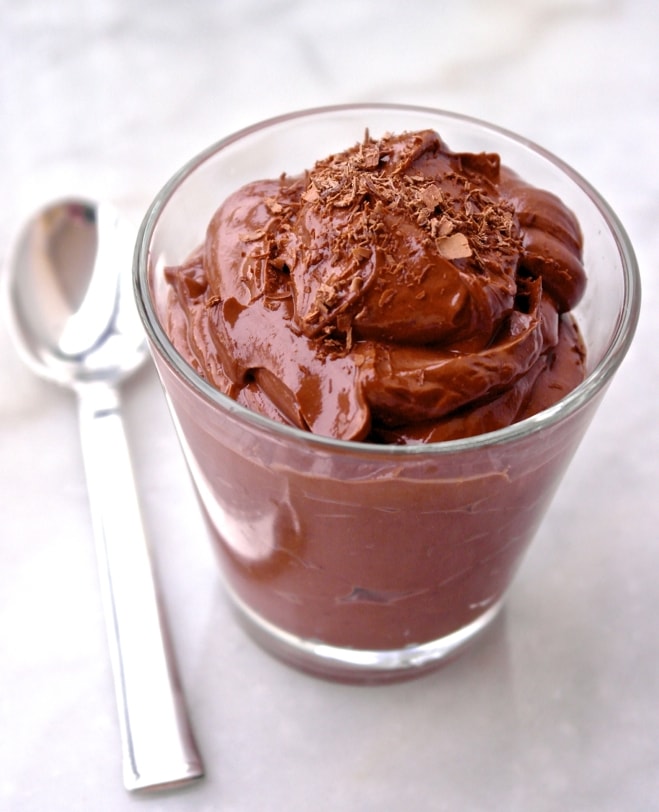
At the forefront of this movement is a remarkably simple yet nutritionally dense dessert: a three-ingredient whipped Greek yogurt chocolate mousse. Developed and popularized by registered dietitian and nutrition expert Elena Paravantes, this dish synthesizes traditional Mediterranean staple foods into an airy, creamy confection that challenges conventional pastry techniques. Utilizing only authentic Greek yogurt, high-quality dark chocolate, and a splash of milk, this preparation delivers the rich, velvety mouthfeel traditionally associated with high-fat desserts while significantly improving the nutritional profile. As public health initiatives increasingly emphasize the reduction of saturated fats and added sugars alongside an increase in dietary protein and calcium, this recipe offers a practical blueprint for how home cooks can bridge the gap between hedonistic pleasure and nutritional responsibility.
Nutritional Science and the Mediterranean Approach to Sweets
To fully understand the significance of the Greek yogurt chocolate mousse, one must examine the broader framework of the Mediterranean diet regarding confectionery and desserts. Unlike many contemporary diets that mandate the total elimination of sugar, the traditional dietary patterns of Greece, Southern Italy, and Spain incorporate sweets in a structured, restrained manner. Desserts are typically consumed infrequently—often reserved for celebrations or weekends—and are crafted from foundational pantry staples such as nuts, fresh fruits, honey, olive oil, and dairy.
Nutritionists emphasize that the psychological impact of entirely forbidding sweets often leads to binge eating or dietary fatigue. By offering a dessert that is rich in flavor yet structurally lighter, culinary experts provide consumers with a sustainable alternative that satisfies sweet cravings without triggering metabolic overload. From a biochemical perspective, the integration of authentic Greek yogurt introduces a substantial quantity of high-quality dairy protein, primarily casein and whey. Protein is widely recognized for its role in stimulating satiety hormones such as peptide YY (PYY) and cholecystokinin (CCK), while simultaneously suppressing ghrelin, the primary hunger hormone. Consequently, even a modest serving of this chocolate mousse provides a profound sense of fullness, naturally curbing the tendency to overeat.
Furthermore, the choice of dark chocolate imparts significant antioxidant properties, specifically through the action of flavonoids such as epicatechin and catechin. Research consistently correlates moderate dark chocolate consumption with improved endothelial function, reduced blood pressure, and enhanced cognitive performance. When combined with the inherent calcium and probiotic benefits of fermented dairy products like Greek yogurt, the resulting dish transforms from a mere empty-calorie treat into a functional food that actively contributes to daily micronutrient requirements, including bone mineral density support and gut microbiome maintenance.
Comparative Culinary Analysis: American vs. French vs. Mediterranean Mousses
The evolution of chocolate mousse provides a fascinating study in cross-cultural culinary adaptation. To appreciate the unique position of the Greek yogurt variant, culinary historians and food scientists frequently compare it against its American and French counterparts.
Traditional American-style chocolate mousse relies heavily on commercial heavy whipping cream and refined white sugar to achieve its characteristic volume and sweetness. While undeniably decadent, this formulation carries a heavy caloric and lipid burden, characterized by high levels of saturated fatty acids and a relative paucity of essential micronutrients. The dense lipid matrix can often leave consumers feeling sluggish, reinforcing the cultural dichotomy that places "delicious" and "healthy" at opposite ends of a spectrum.
Conversely, traditional French mousse is celebrated for its ethereal, cloud-like texture, achieved through the intricate folding of whipped egg whites and melted chocolate, frequently enriched with butter or heavy cream. While a masterpiece of classical pastry arts, the French method demands precise temperature control, delicate handling to prevent the deflation of whipped whites, and a significant investment of time. Moreover, while it yields an airy product, it remains fundamentally low in dietary calcium and can pose potential food safety considerations for vulnerable populations due to the inclusion of raw or lightly pasteurized eggs.
The Mediterranean adaptation utilizing Greek yogurt bypasses these technical and nutritional hurdles entirely. By harnessing the natural thickening agents and emulsifying properties inherent in strained Greek yogurt—which undergoes a specialized filtration process to remove liquid whey—the recipe achieves structural stability without the need for raw eggs or excessive heavy fats. The natural lactic acid tang of the yogurt cuts through the heavy, bitter notes of the dark chocolate, creating a complex flavor profile that mimics the richness of a cream-based mousse while delivering significantly reduced caloric density and an elevated protein yield.
Step-by-Step Culinary Methodology and Precision Execution
The preparation of the three-ingredient whipped Greek yogurt chocolate mousse is deceptively simple, yet achieving the ideal velvety texture requires adherence to specific thermodynamic principles. Professional guidelines emphasize that temperature management during the blending phase is critical to prevent the chocolate from seizing or the yogurt from curdling.
Ingredient Specifications
- Dark Chocolate: 100 grams, containing a minimum of 70% cacao solids to ensure deep flavor and controlled sugar content.
- Milk: 2 to 3 tablespoons (dairy or unsweetened plant-based alternatives), utilized to adjust viscosity.
- Greek Yogurt: 1 cup (approximately 240 grams) of authentic, full-fat or low-fat strained Greek yogurt, ensuring a thick consistency with minimal liquid content.
Chronological Preparation Protocol
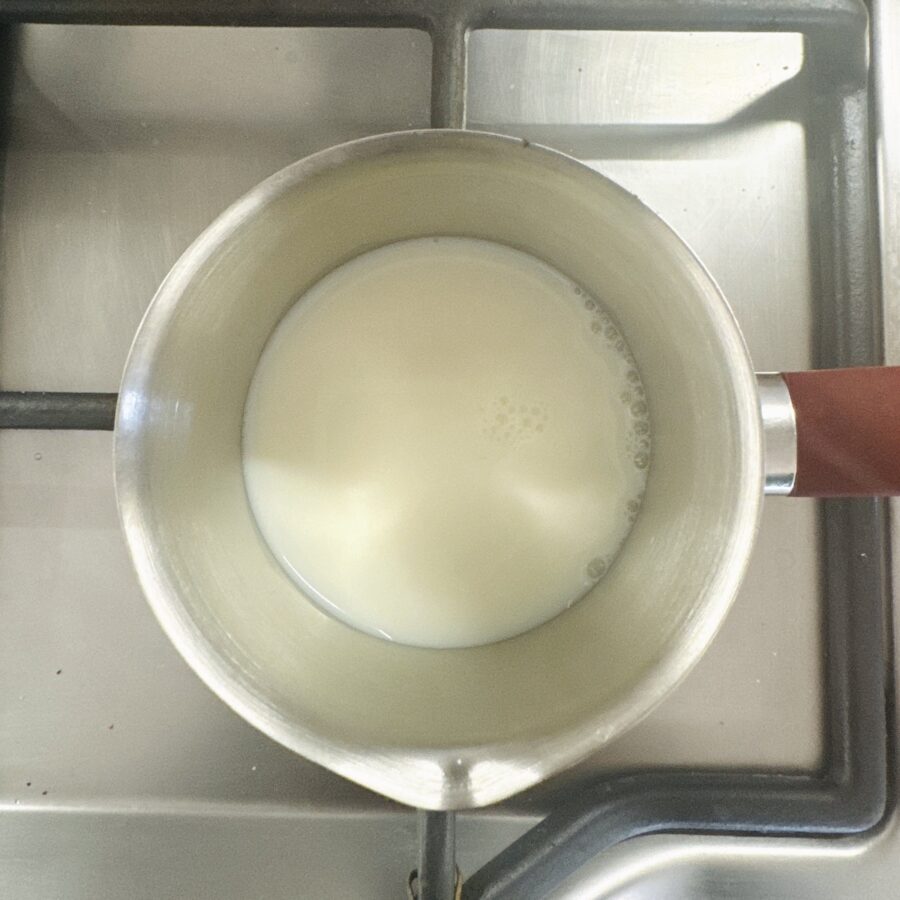
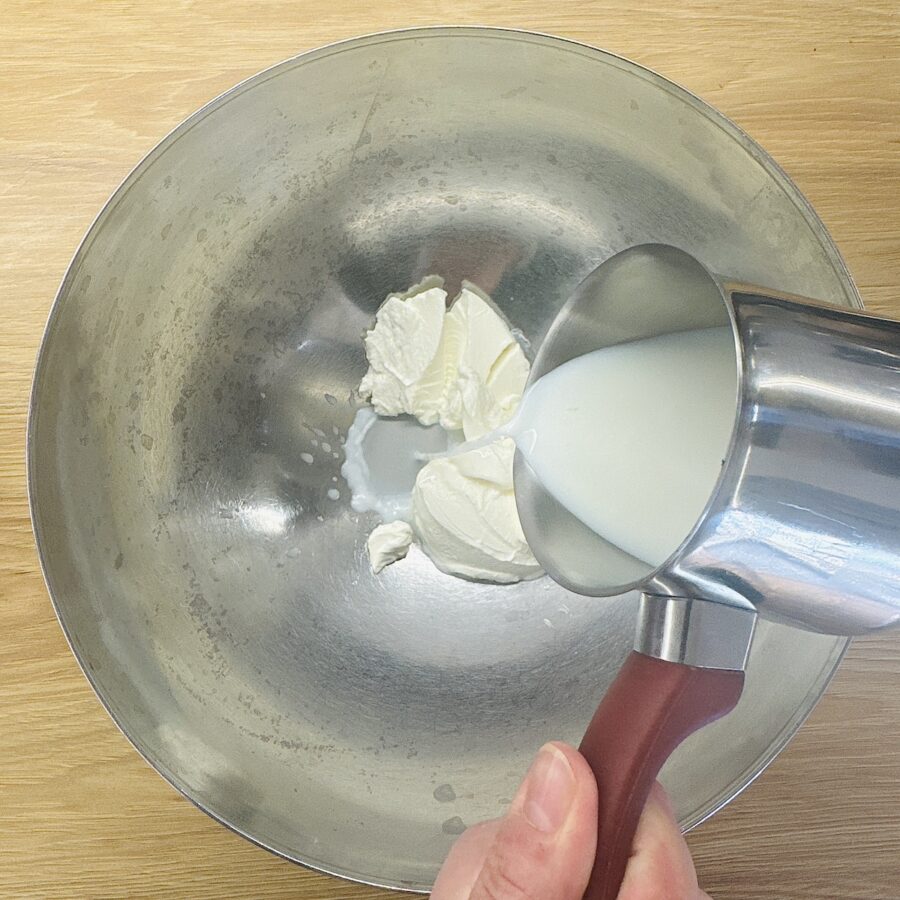
- Thermal Preparation of Dairy: Begin by gently heating the designated quantity of milk on a stovetop over low heat for approximately 1 to 2 minutes, or utilizing a controlled microwave pulse. The objective is to achieve a lukewarm temperature, ensuring it does not shock the chocolate or break the dairy proteins upon contact.
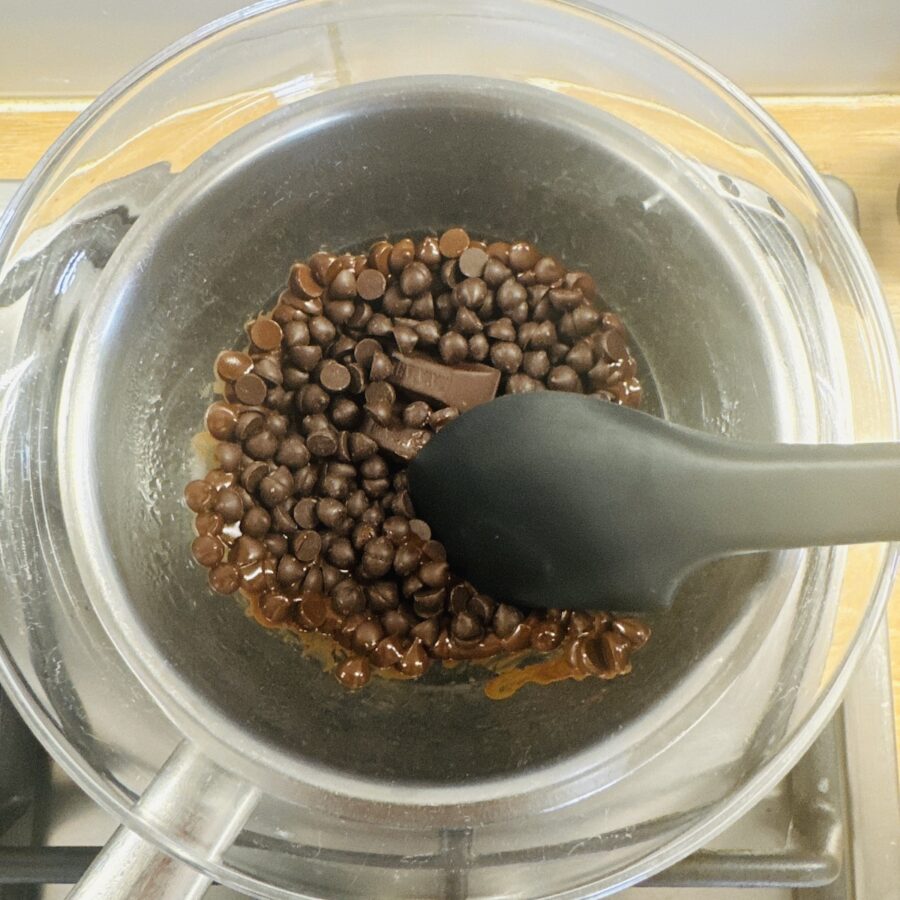
- Controlled Chocolate Melting: Concurrently, melt the dark chocolate using a double boiler (bain-marie) or cautious, short-interval microwave heating, stirring frequently. Extreme heat must be avoided to prevent scorching, which imparts an acrid, bitter flavor profile to the final dish.
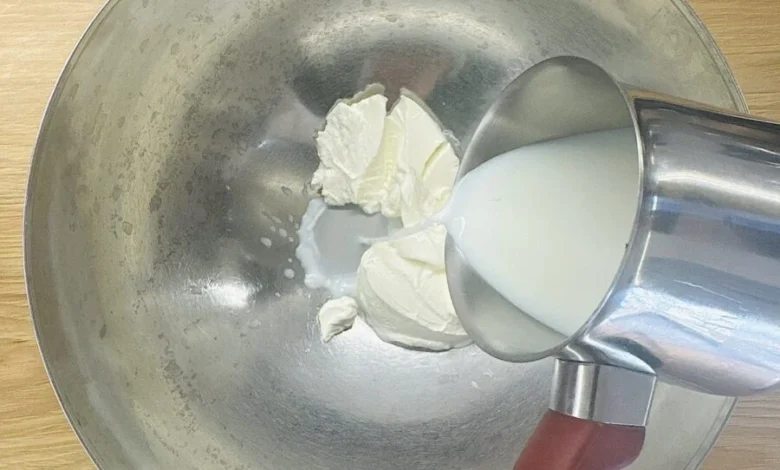
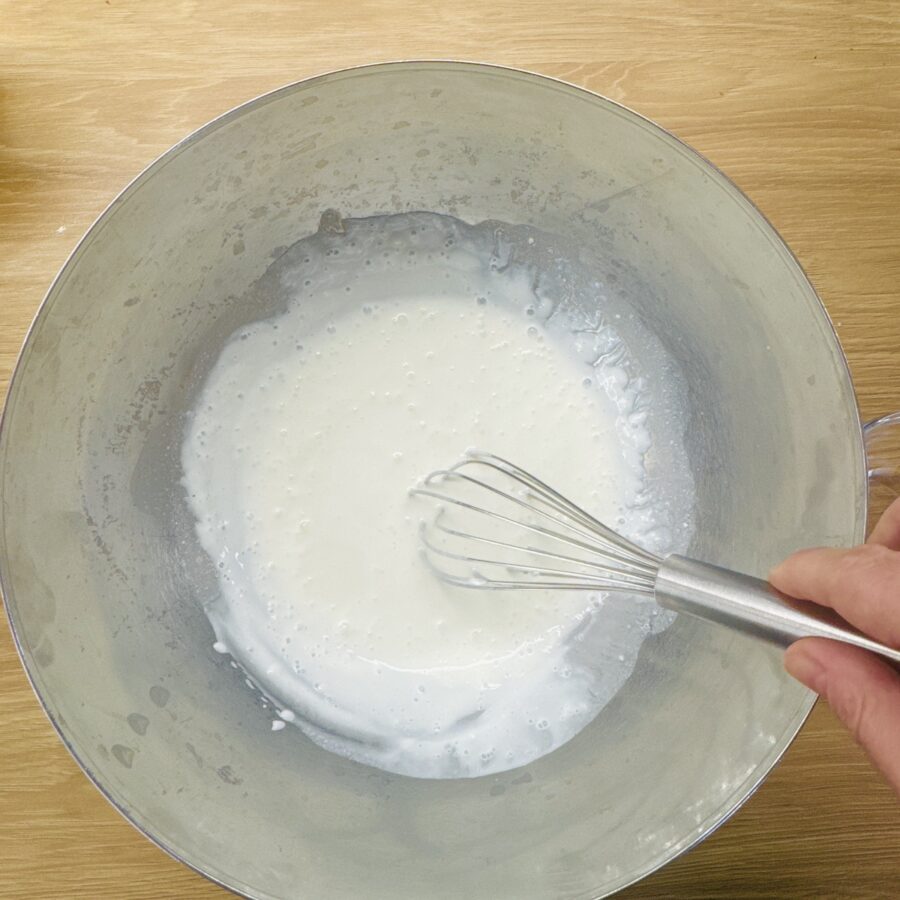
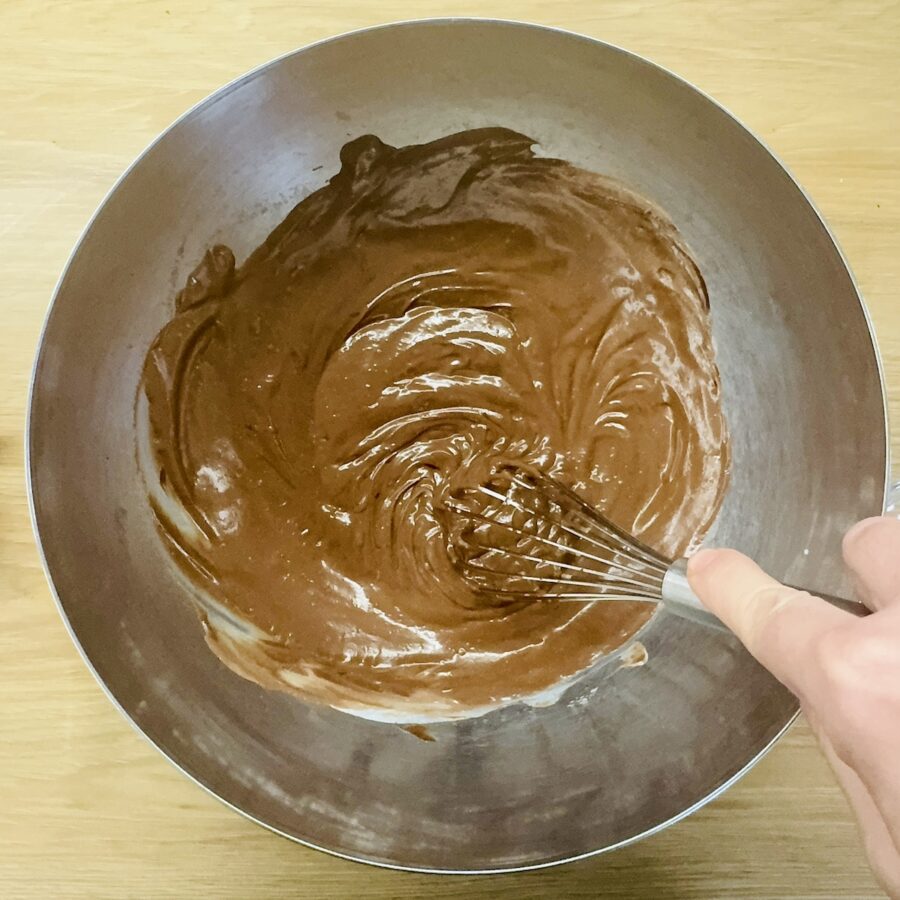
- Emulsification and Aeration: Introduce the warm milk gradually into the measured Greek yogurt, whisking vigorously until the mixture achieves a light, frothy consistency. This initial aeration step is vital for incorporating microscopic air bubbles that contribute to the final mousse texture.
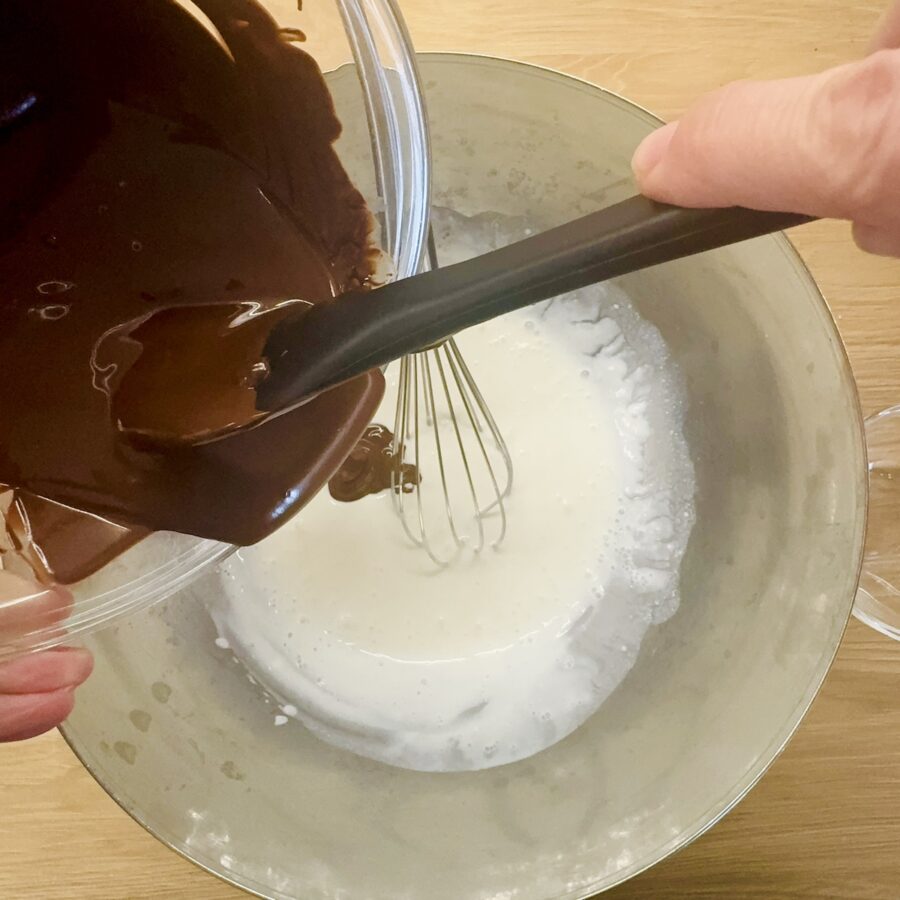
- Integration of Chocolate: Slowly drizzle the melted dark chocolate into the aerated yogurt-milk emulsion while continuing to blend rapidly. The speed of incorporation ensures that the lipids in the chocolate emulsify smoothly with the moisture in the yogurt, preventing premature hardening and yielding a uniform, glossy dark chocolate color throughout.
- Portioning and Thermal Setting: Transfer the thick mixture immediately into individual serving ramekins, small glass dessert cups, or decorative bowls. Due to the high density of the strained yogurt, the mousse will possess an immediate, spoonable thickness.
- Refrigeration Phase: Place the portioned ramekins into a refrigerator for a minimum of 30 minutes. This chilling period allows the cocoa butter within the dark chocolate to firm up slightly, solidifying the emulsion and enhancing the final textural firmness while marrying the complex flavors.
Expert Tips for Optimal Results and Seasonal Adaptations
Culinary professionals and dietitians recommend several key modifications to tailor this foundational recipe to specific dietary needs or seasonal flavor profiles:
- Yogurt Selection: While non-fat Greek yogurt can be utilized to further reduce calorie counts, nutrition experts generally recommend a 2% or full-fat authentic Greek yogurt. The natural milk fats play an essential role in carrying fat-soluble flavor compounds and providing a smoother mouthfeel that closely mirrors traditional desserts.
- Sweetness Adjustment: Because dark chocolate naturally contains varying degrees of sugar, the recipe relies on the chocolate’s intrinsic profile. For individuals transitioning away from ultra-sweet processed foods, a 70% cacao bar is ideal. Those preferring a sweeter dessert may incorporate a teaspoon of raw honey or pure maple syrup during the milk-heating phase.
- Seasonal Enhancements: The neutral yet tangy flavor profile of the mousse serves as an exceptional culinary canvas. During the spring and summer months, the dessert can be garnished with fresh antioxidant-rich berries, such as raspberries, blueberries, or strawberries, which complement the dark chocolate profile. In autumn and winter, incorporating a pinch of Ceylon cinnamon, sea salt flakes, or crushed toasted walnuts introduces textural contrast and aligns the dish with seasonal sensory preferences.
Broader Implications for Public Health and Culinary Trends
The widespread dissemination and acceptance of recipes like the three-ingredient Greek yogurt chocolate mousse reflect a significant evolution in consumer attitudes toward home cooking and nutritional wellness. As lifestyle-related chronic conditions continue to place burdens on global healthcare systems, public health messaging increasingly emphasizes the importance of dietary patterns over isolated nutrient tracking.
Nutritional educators note that empowering individuals with simple, low-barrier recipes that utilize whole foods fosters long-term adherence to healthy eating habits. By demonstrating that sophisticated, indulgent culinary experiences can be achieved with minimal kitchen equipment and basic grocery staples, such recipes democratize healthy eating. They dismantle the misconception that nutritious cooking requires exotic superfoods, expensive specialized kitchen appliances, or extensive culinary training.
Ultimately, the integration of traditional Mediterranean dairy practices into modern dessert preparation underscores a timeless culinary truth: simplicity, quality ingredients, and respect for natural flavors remain the most effective tools in both gastronomy and preventive nutrition. As home cooks continue to seek out recipes that balance pleasure with wellness, innovations rooted in Mediterranean dietary traditions are poised to remain a cornerstone of contemporary healthy cuisine.