Cilantro Lime Slaw: A Nutrient-Dense and Versatile Addition to the Modern Culinary Repertoire

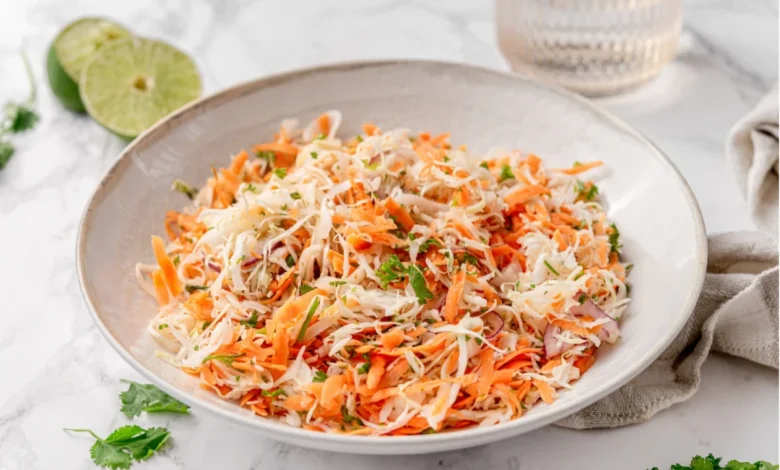
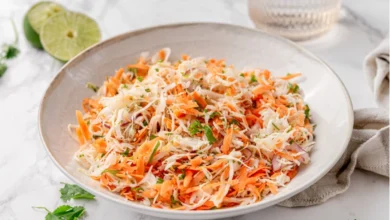
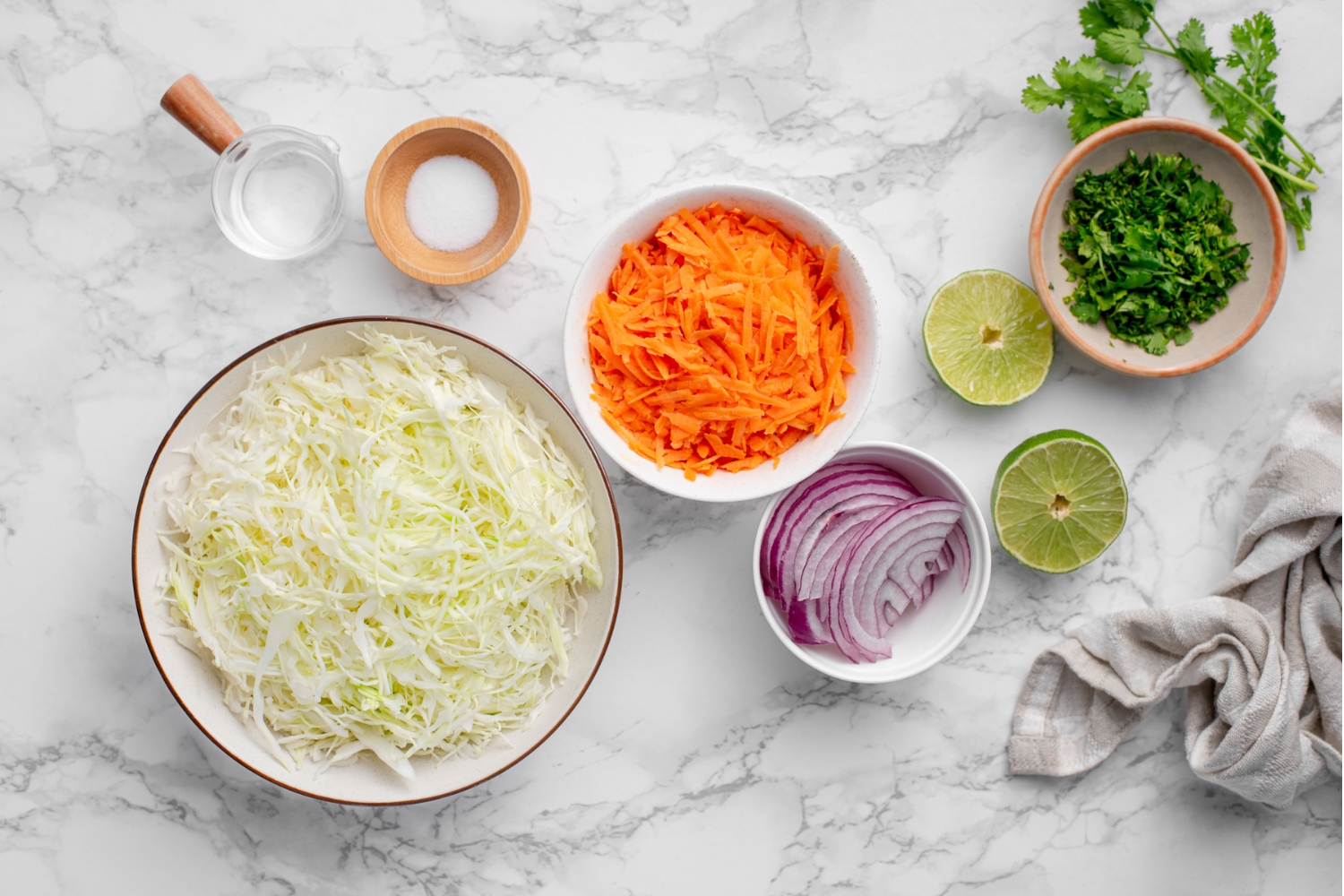
The rising demand for plant-forward, no-cook culinary solutions has propelled simple, vegetable-based side dishes to the forefront of contemporary nutrition and meal preparation. Among these, the Cilantro Lime Slaw stands out as a functional, time-efficient, and nutrient-dense option. Composed of finely sliced cabbage, grated carrots, red onion, and fresh cilantro, and dressed with a combination of lime juice and white wine vinegar, this dish provides an alternative to traditional, mayonnaise-heavy coleslaws. Its emergence in home kitchens reflects a broader shift toward Mediterranean-inspired eating habits, which prioritize fresh, whole-food ingredients and minimal processing to preserve both flavor profiles and nutritional integrity.
Nutritional Profile and Dietary Implications
From a clinical nutrition standpoint, the Cilantro Lime Slaw serves as a potent vehicle for fiber and essential micronutrients. Cabbage, the primary component, is a cruciferous vegetable known for its high content of vitamin C and vitamin K, alongside glucosinolates, which have been studied for their potential chemopreventive properties. The addition of carrots contributes significant levels of beta-carotene, a precursor to vitamin A, which is essential for immune function and ocular health.
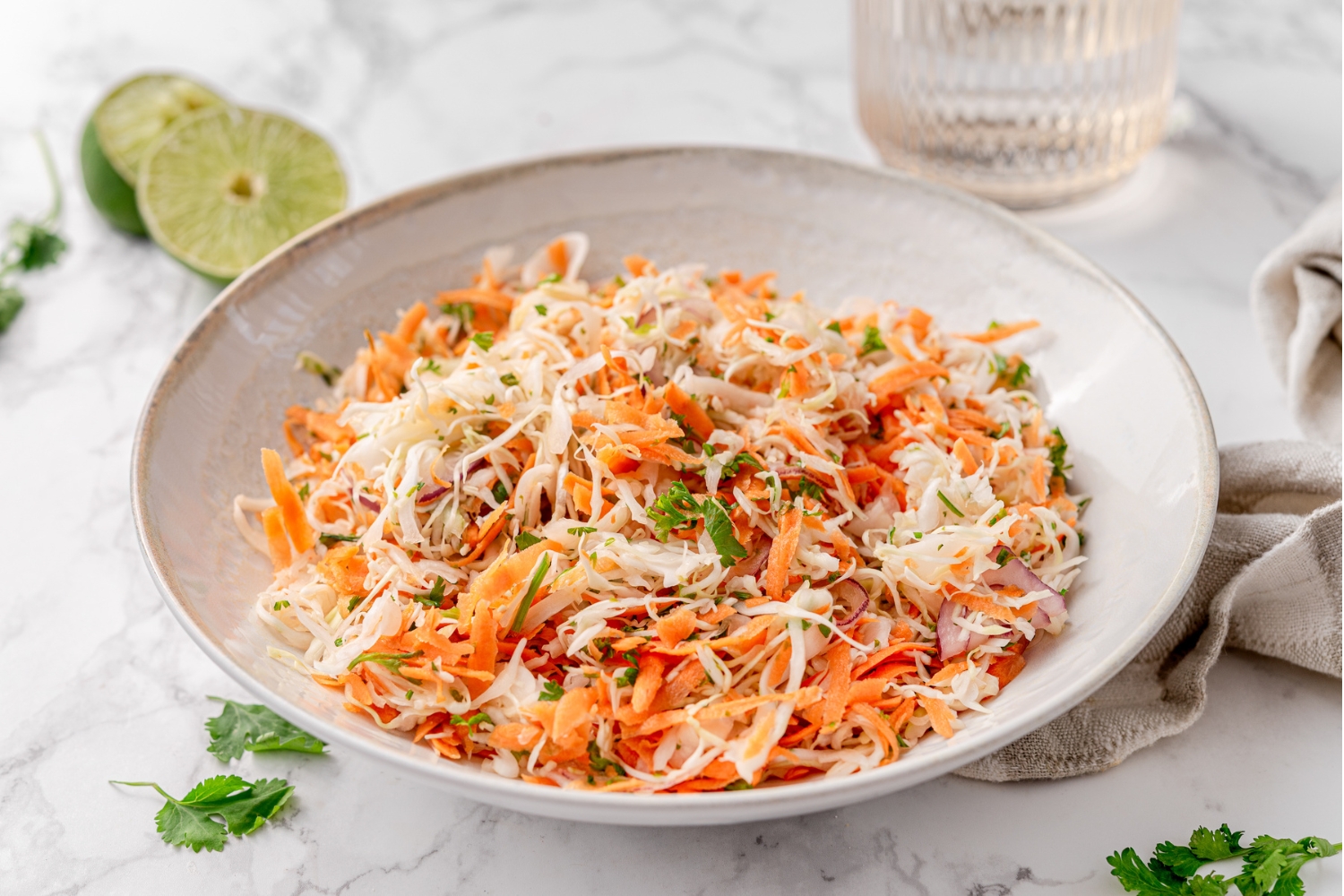
The dressing, which eschews high-fat dairy or egg-based emulsions in favor of lime juice and white wine vinegar, significantly reduces the caloric density of the dish. A standard serving contains approximately 35 kilocalories, making it an ideal choice for calorie-conscious populations or those seeking to balance richer main courses. The acidity provided by the citrus and vinegar not only acts as a flavor enhancer but also serves a functional purpose in softening the cellular structure of the raw vegetables without the need for thermal processing. This maceration process, which typically requires a 10-minute resting interval, allows for the integration of flavors and improves the digestibility of the raw fiber.
The Evolution of Slaw in Modern Gastronomy
Historically, coleslaw has been associated with heavy, calorie-dense dressings that often mask the natural flavor of the cabbage base. The transition toward a "bright" or "citrus-forward" profile represents an evolution in culinary preferences, likely driven by the global popularity of street food culture, particularly in Mexican and fusion cuisines. In these contexts, acidic slaws are frequently paired with proteins such as grilled fish, carnitas, or roasted vegetables to cut through the richness of fats.
The incorporation of this specific preparation into the Mediterranean diet framework is notable. While cilantro and lime are not indigenous to the Mediterranean basin, the fundamental approach—emphasizing fresh produce, acidic brightness, and the absence of heavy, processed fats—aligns with the Mediterranean diet’s core pillars. This cultural crossover demonstrates the adaptability of global ingredients in creating healthful, universally accessible side dishes.
Preparation Methodology and Culinary Best Practices
The preparation of this dish is characterized by its reliance on proper knife skills and ingredient selection. The texture of the final product is highly dependent on the thickness of the cabbage slices. Culinary professionals recommend using a sharp chef’s knife or a mandoline to achieve a uniform, paper-thin consistency. This uniformity is crucial, as it ensures that the dressing—a simple emulsion of lime juice, vinegar, and salt—coats the surface area of the vegetable shreds evenly.
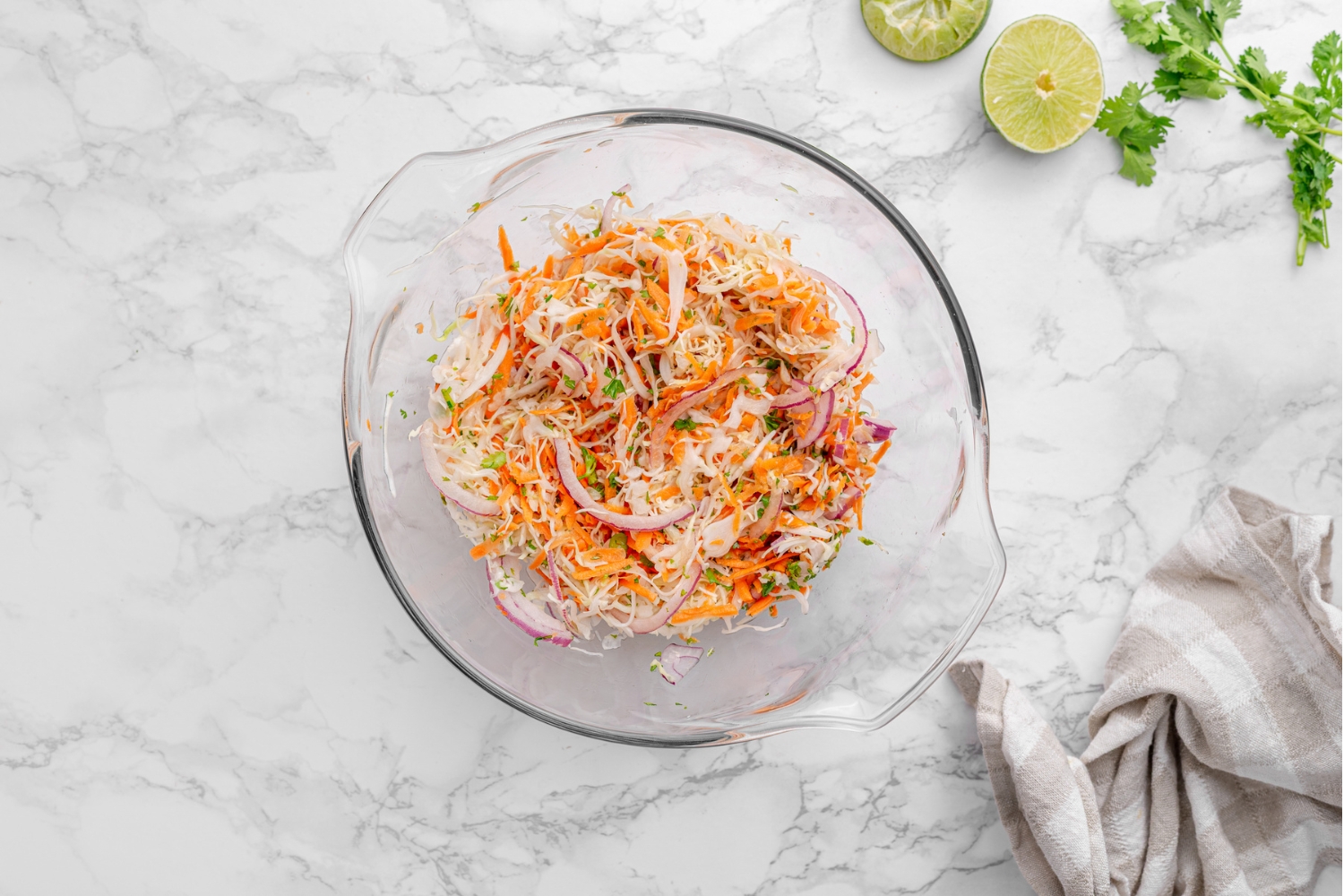
The 10-minute resting period is not merely a suggestion but a requirement for optimal quality. During this window, osmosis occurs; the salt in the dressing draws a small amount of moisture out of the cabbage, which then combines with the lime and vinegar to create a light, flavorful liquid. This process prevents the "watery" consistency that can occur if the dish is served immediately, while simultaneously ensuring the vegetables maintain their structural integrity and "crunch."
Broader Impact on Meal Planning and Entertaining
The logistical benefits of this slaw extend to its shelf-life and adaptability. Because the dressing is purely acidic, the dish does not suffer from the same spoilage risks or texture degradation associated with dairy-based dressings. It can be prepared several hours in advance, a feature that makes it particularly useful for large-scale social gatherings or organized meal prep for busy work weeks.
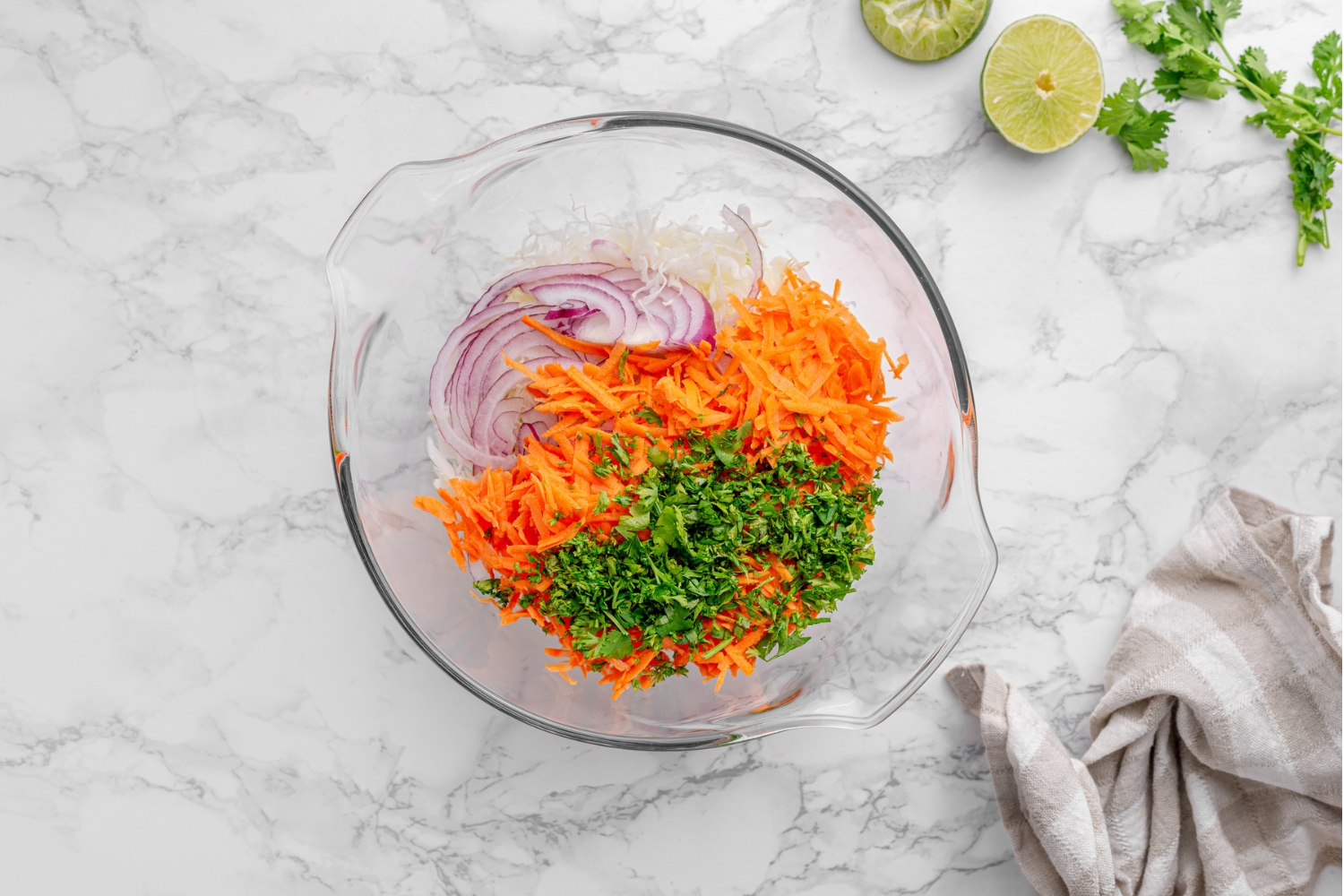
Furthermore, the versatility of the ingredient list allows for significant customization. Chefs and home cooks have begun to incorporate secondary vegetables, such as thinly sliced radishes for added pepperiness or bell peppers for color and sweetness. This flexibility allows the dish to remain relevant across varying seasonal availability of produce.
Analytical Overview: Why Simple Preparations Succeed
Market trends in the food industry suggest a growing consumer preference for "clean-label" preparations. The Cilantro Lime Slaw epitomizes this trend, containing only six base ingredients: cabbage, carrots, red onion, cilantro, lime juice, and vinegar. By removing the need for stabilizers, emulsifiers, and preservatives found in store-bought coleslaw mixes, this recipe provides a template for high-quality, at-home nutrition.
The economic implications are also noteworthy. The primary ingredients—cabbage and carrots—are consistently among the most affordable produce items in grocery retail, regardless of the season. The ability to produce a nutritionally dense, flavorful side dish at a low cost-per-serving provides a clear advantage for households managing inflation-adjusted grocery budgets.
Addressing Common Culinary Queries
Despite the simplicity of the recipe, several common questions arise regarding its preparation. Nutritional experts frequently emphasize that the use of fresh lime juice is non-negotiable; bottled alternatives often contain preservatives and lack the volatile essential oils that contribute to the dish’s characteristic aroma. Additionally, when considering storage, it is important to note that the slaw will continue to soften over time. While this makes it excellent for meal prep, those who prefer an exceptionally firm crunch should delay the addition of the dressing until moments before service.
Regarding substitutions, while lemon is a frequent replacement for lime, it is noted that the flavor profile shifts significantly, moving away from the "zesty" or "tropical" notes that define the traditional cilantro-lime combination. For those with a sensitivity to cilantro, the herb can be omitted, though it results in a more subdued, neutral flavor that may require additional seasoning with black pepper or a hint of chili flakes to compensate.
Conclusion: The Future of Vegetable-Forward Side Dishes
As the culinary landscape continues to shift toward dishes that prioritize health, efficiency, and sustainability, recipes like the Cilantro Lime Slaw provide a blueprint for future kitchen practices. By focusing on the interplay between acid, salt, and raw texture, cooks can create dishes that are not only satisfying to the palate but also supportive of long-term health goals. The success of this slaw lies in its refusal to overcomplicate, proving that when high-quality, fresh ingredients are treated with simple, effective techniques, the results are both nutritionally superior and culinarily refined. Whether serving as a refreshing contrast to a heavy protein or acting as the foundation for a vegetarian taco bowl, the Cilantro Lime Slaw remains a vital, low-effort, high-impact staple of the modern diet.