Blistered Cherry Tomato Pasta: A 20-Minute Culinary Solution to Seasonal Surpluses


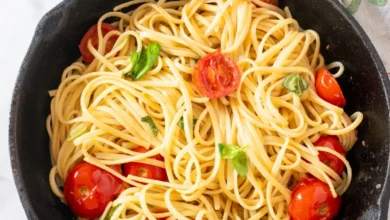
The modern home kitchen often grapples with the challenges of seasonal agriculture, particularly when garden-to-table efforts yield an abundance that outpaces household consumption. The "Blistered Cherry Tomato Pasta" has emerged as a professional-grade, time-efficient culinary solution for home cooks dealing with the rapid maturation of summer crops. By eschewing the traditional hour-long simmering process in favor of a "hot and fast" sautéing method, this dish preserves the structural integrity and bright acidity of fresh tomatoes, offering a sophisticated alternative to slow-cooked ragus.
The Evolution of Quick-Prep Italian Cuisine
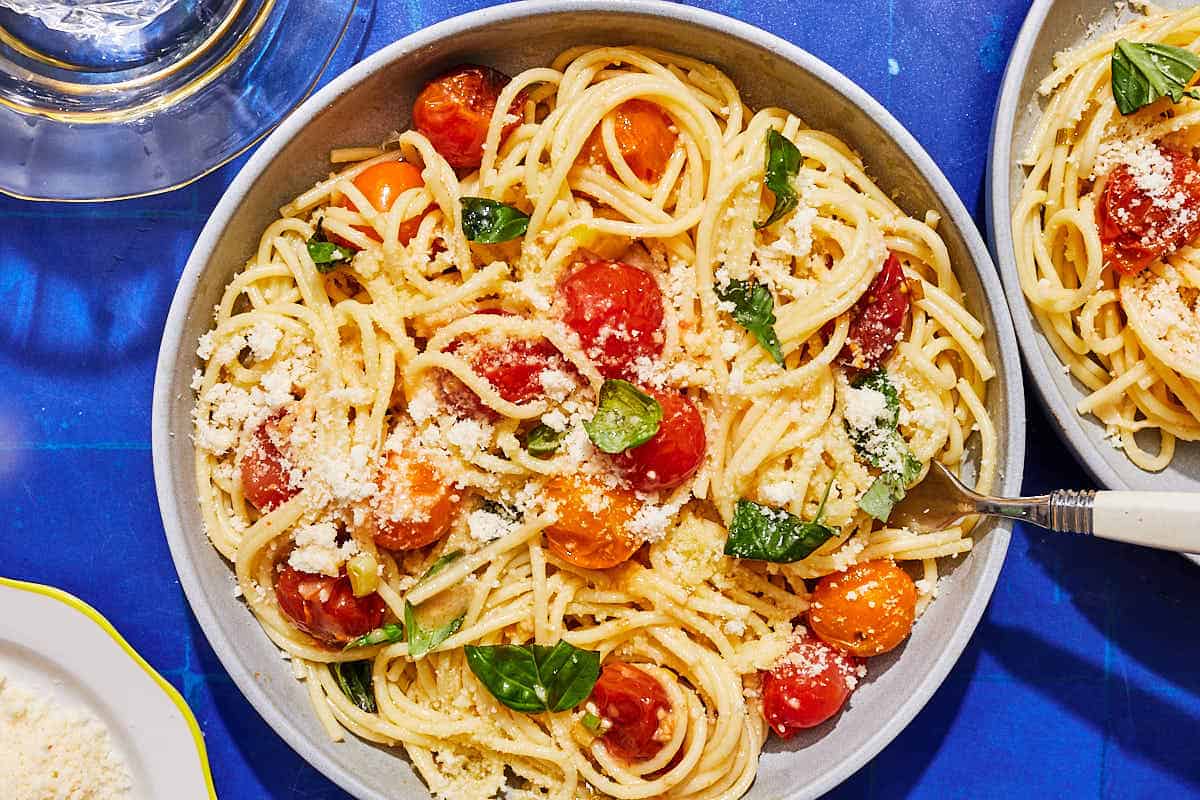
The culinary technique behind this dish rests on the principle of thermal shock. By exposing cherry tomatoes to high-heat olive oil, the skins blister and rupture, releasing their juices to form a light, emulsified sauce without the need for prolonged reduction. This approach is rooted in Mediterranean traditions where the goal is to highlight, rather than mask, the profile of high-quality, sun-ripened produce.
Data from the United States Department of Agriculture (USDA) suggests that home gardening remains a significant contributor to the domestic food supply, with cherry tomato varieties (Solanum lycopersicum var. cerasiforme) being among the most productive crops for small-scale cultivators. These plants are known for their high yield, often producing hundreds of fruits per season. For many home gardeners, the transition from harvesting to storage becomes a critical logistical hurdle in late July and August. The blistered pasta technique effectively converts these perishable assets into a shelf-stable meal, significantly reducing food waste at the household level.
A Chronology of Culinary Necessity
The popularization of this specific "blistered" preparation can be traced back to the broader movement of "essentialist cooking"—a trend prioritizing fewer ingredients and faster execution.
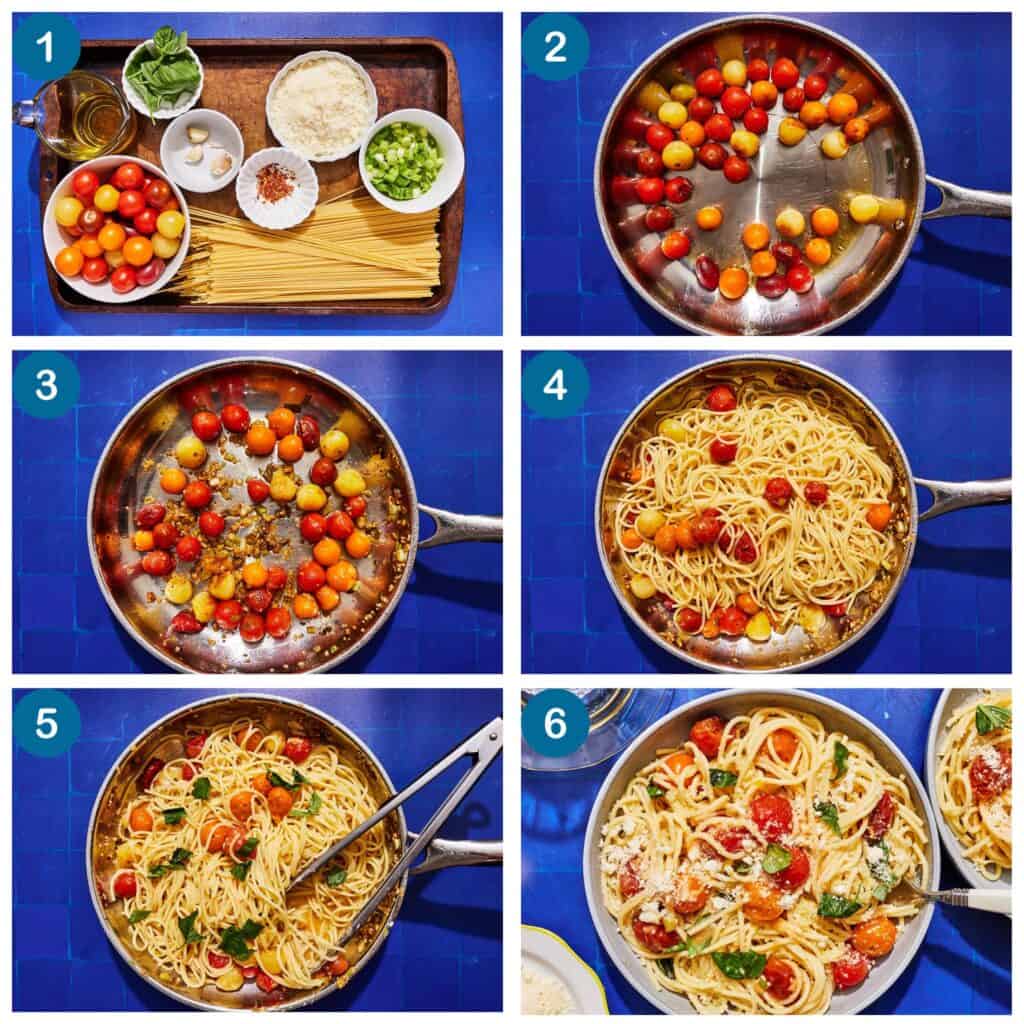
- Phase 1: Procurement and Harvest. The process begins with the identification of a ripeness peak. Unlike beefsteak or Roma tomatoes, cherry tomatoes possess a higher skin-to-flesh ratio, which provides the necessary structural support for the high-heat searing process.
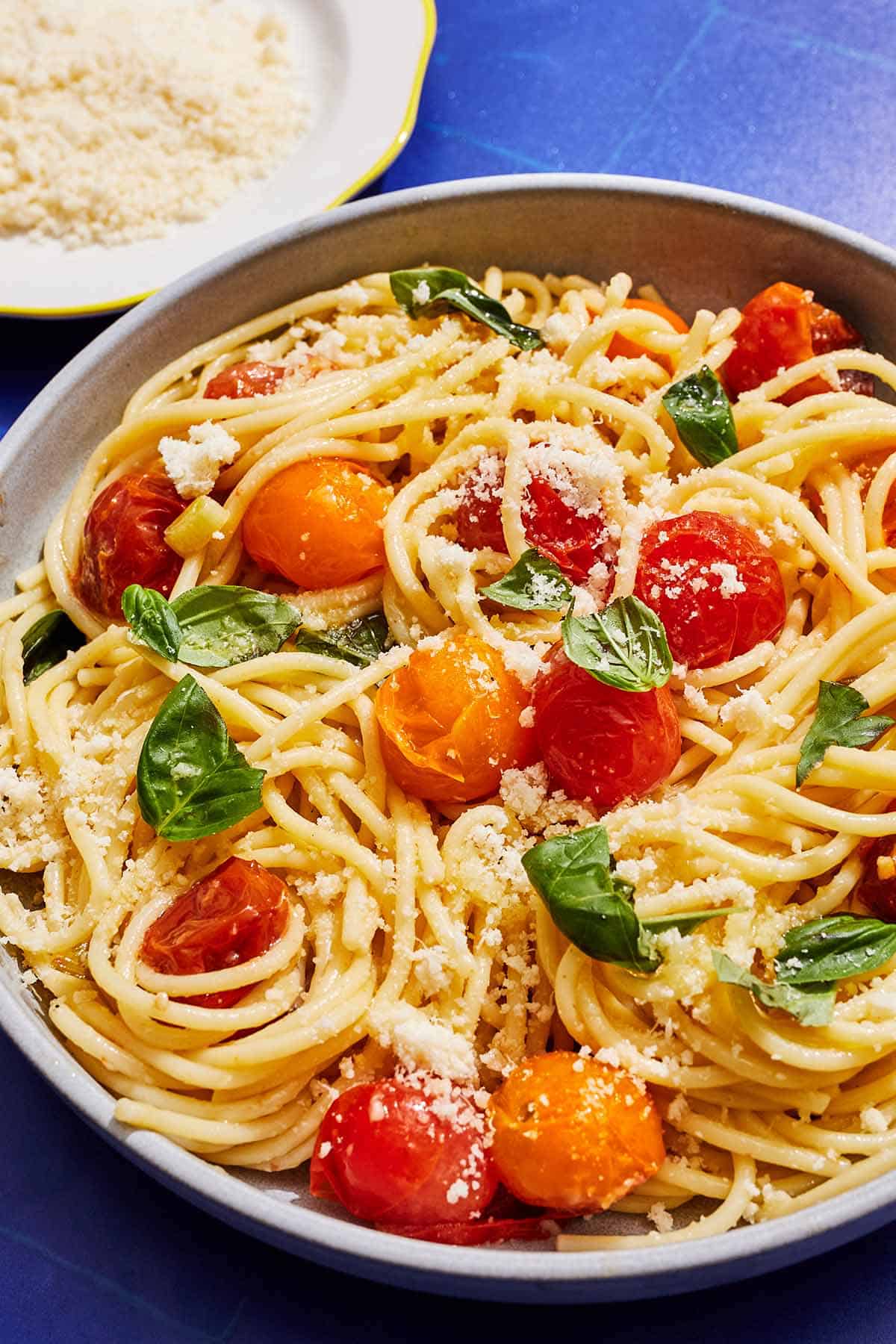
- Phase 2: Thermal Preparation. The application of high-temperature oil (typically extra virgin olive oil) serves to caramelize the sugars within the tomatoes. Culinary experts note that maintaining a temperature of approximately 350°F (177°C) allows for the Maillard reaction to occur on the surface of the tomato skins, creating depth of flavor.
- Phase 3: Integration. The addition of aromatics—specifically scallions, which are preferred for their rapid softening compared to traditional shallots or onions—completes the base. The final integration of al dente pasta into the skillet allows the starches from the pasta water to emulsify with the tomato juices, creating a cohesive coating for the noodles.
Nutritional Profile and Dietary Implications
Analysis of the nutritional composition of this dish reveals it to be a balanced, plant-forward meal. A standard serving contains approximately 493 calories, with a protein content of 18.6 grams and 74 grams of carbohydrates. The inclusion of fresh tomatoes provides a significant source of lycopene, a potent antioxidant associated with cardiovascular health benefits.
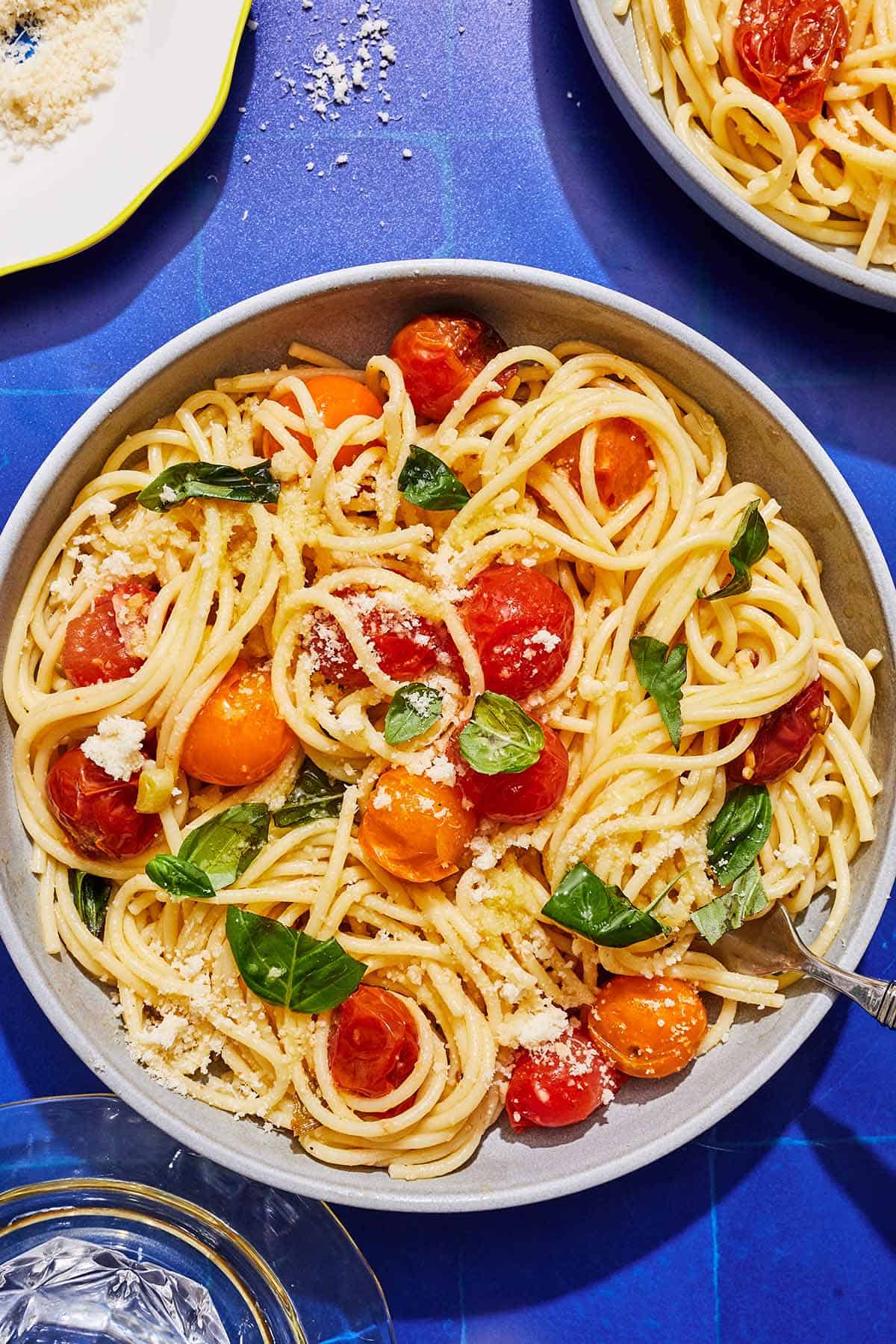
The dish’s low saturated fat content—approximately 4.1 grams per serving—aligns with the Mediterranean diet’s emphasis on heart-healthy monounsaturated fats, largely sourced from olive oil. Furthermore, the reliance on fresh vegetables rather than processed, shelf-stable tomato pastes or canned sauces reduces sodium intake, which is a critical consideration in modern dietary guidelines.
Industry Perspectives on Seasonal Cooking
Food scientists and chefs emphasize that the shift toward these "quick-fire" recipes reflects a changing demographic of home cooks who face significant time constraints. "The traditional ‘Sunday Sauce’ is an iconic element of Italian-American culture, but it is no longer the sole standard for a quality meal," notes culinary consultant Elena Rossi. "Consumers are increasingly seeking professional techniques—like controlled blistering—that deliver restaurant-quality results in under 20 minutes."
The adoption of this method has been supported by the availability of high-quality imported pasta, which has become more accessible to the average consumer. The recent rise in premium Italian pasta bundles, featuring traditional shapes like rigatoni and fusilli made from 100% durum wheat semolina, has further enabled home cooks to elevate simple preparations.
Broader Economic and Environmental Impact
The "blistered tomato" model has broader implications for sustainability. By encouraging the utilization of surplus garden yields, this recipe serves as a micro-solution to the global food waste problem. In 2023, the Environmental Protection Agency (EPA) reported that food waste constitutes the largest category of material placed in municipal landfills. Recipes that facilitate the consumption of entire harvests—including the high-volume yields of a single cherry tomato plant—directly contribute to the reduction of organic waste.
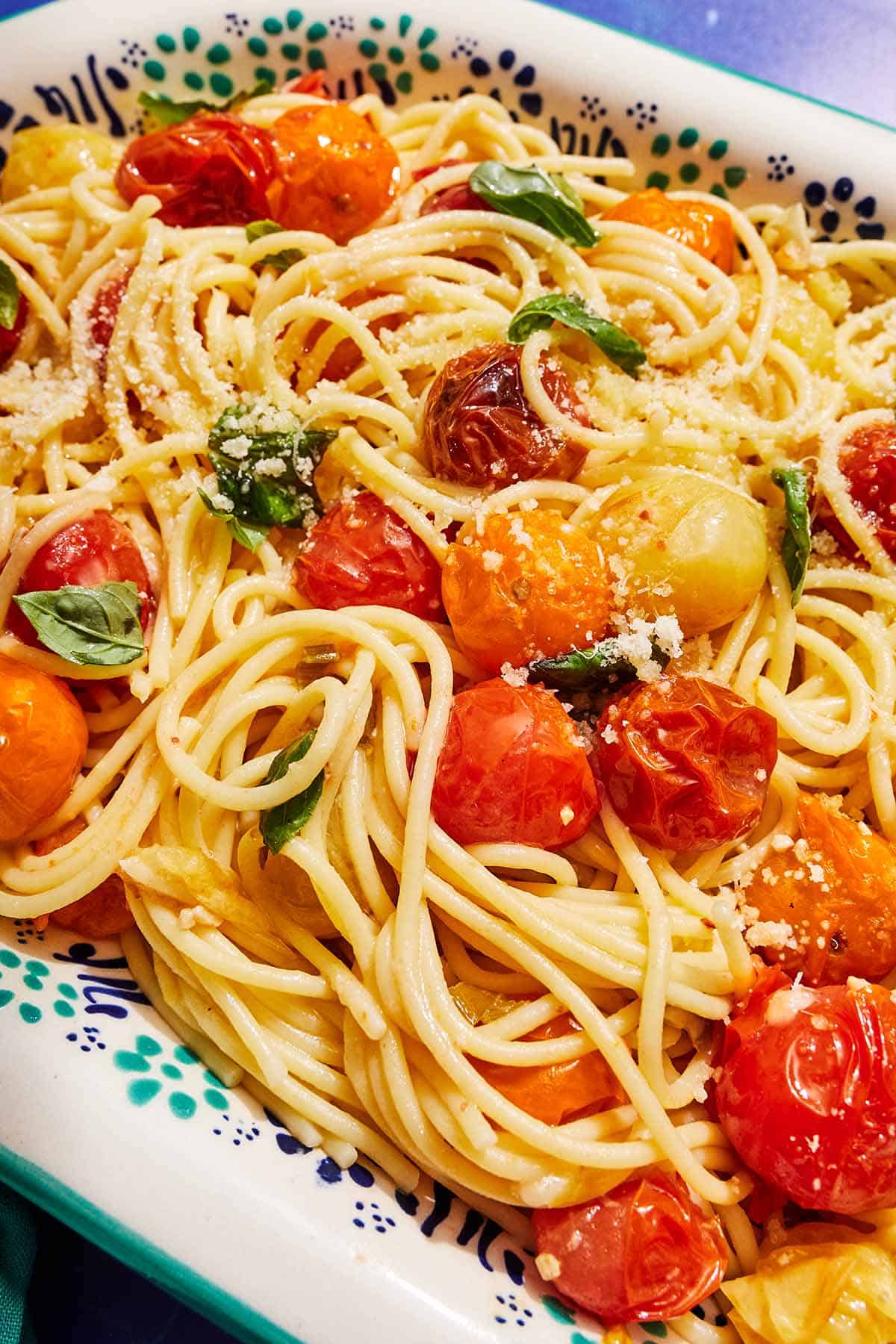
Moreover, the recipe’s versatility—transitioning seamlessly from home-grown garden produce to supermarket-bought varieties during the off-season—ensures its longevity as a staple. Whether utilizing hand-cranked, fresh-rolled pasta for a celebratory meal or quick-boiling dried spaghetti for a weeknight dinner, the fundamental technique remains the same.
Analytical Outlook
As urban gardening continues to trend upward, particularly among younger demographics and families with young children, the pedagogical value of cooking cannot be overlooked. The act of harvesting produce and immediately converting it into a meal provides a tangible connection to food systems.
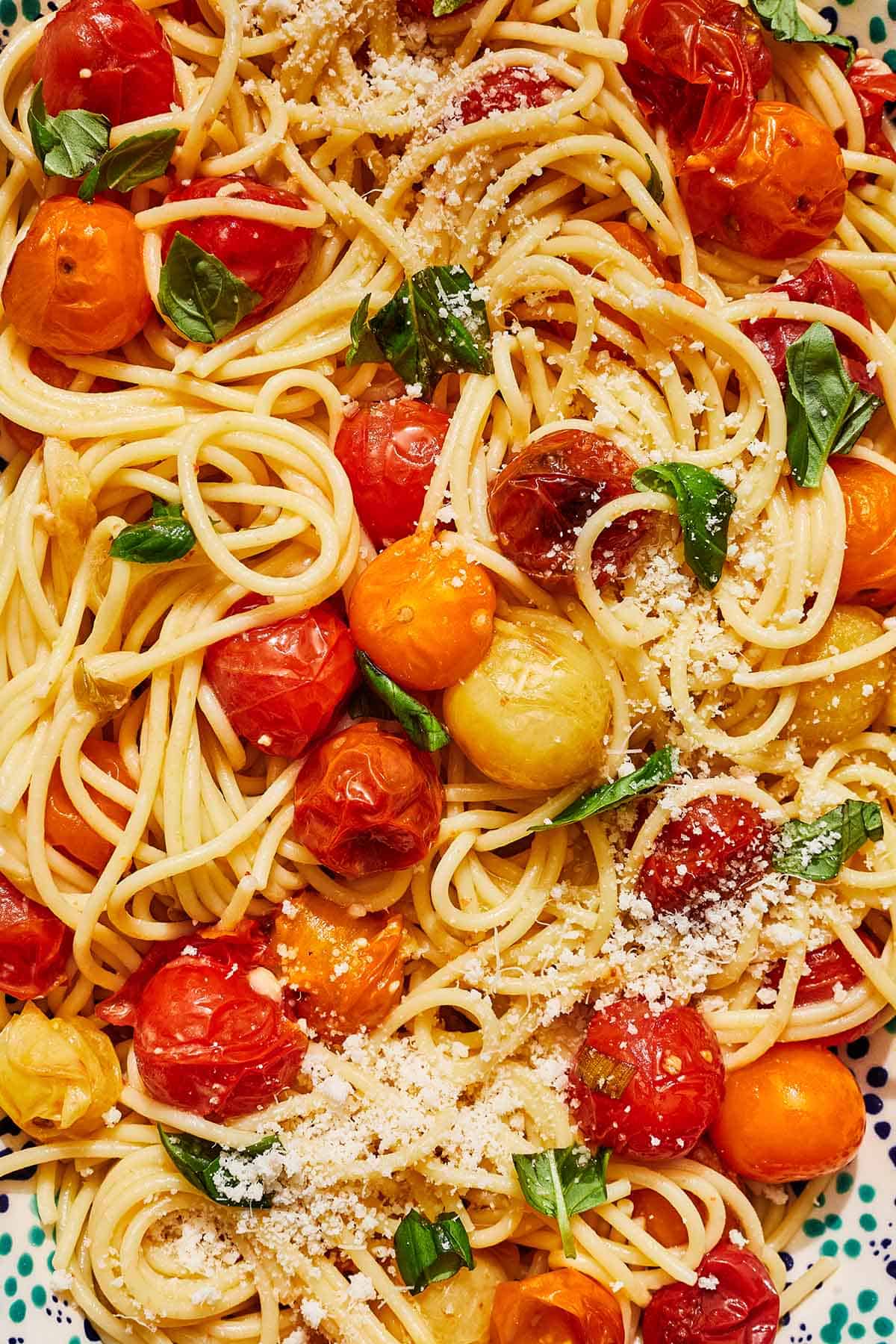
For the average household, the "Blistered Cherry Tomato Pasta" is more than a recipe; it is a framework for managing seasonal abundance. By prioritizing the structural integrity of the vegetable through rapid heat application, cooks can achieve a flavor profile that is both complex and fresh. As the culinary industry continues to move away from labor-intensive, time-consuming preparation methods, this dish stands as a testament to the efficacy of high-heat, minimal-intervention cooking.
In conclusion, the practice of blistering cherry tomatoes offers a scientifically sound, nutritionally dense, and environmentally responsible approach to meal preparation. It demonstrates that professional culinary results do not require hours of labor, provided the cook understands the fundamental interaction between heat, fat, and produce. As more households seek to balance busy schedules with the desire for high-quality nutrition, the blistered pasta method will likely remain a fixture in the modern kitchen for years to come.