Beyond the Trend: Why the Authentic Mediterranean Diet Remains a Global Benchmark for Longevity and Public Health

The pursuit of sustainable, long-term health has increasingly steered consumers away from restrictive, short-lived dietary fads and back toward time-tested nutritional frameworks. Chief among these is the traditional Mediterranean diet, a lifestyle and nutritional model rooted in the centuries-old agricultural traditions of countries bordering the Mediterranean Sea. Rather than functioning as a rigid prescriptive regimen characterized by calorie counting and food elimination, this dietary pattern emphasizes nutrient-dense, minimally processed whole foods. According to nutritional scientists, public health researchers, and veteran dietitians, the core strength of the Mediterranean approach lies in its holistic integration of wholesome ingredients, culinary pleasure, and shared social rituals—elements that continue to serve as a global benchmark for chronic disease prevention and long-term vitality.
Historical Context and Evolution of the Mediterranean Diet
To understand the enduring relevance of the Mediterranean diet, one must examine its historical and geographical origins. The dietary pattern gained formal scientific recognition in the mid-20th century, most notably through the pioneering epidemiological work of American physiologist Ancel Keys. During the landmark Seven Countries Study, initiated in the late 1950s, researchers observed that populations in regions such as Crete, mainland Greece, and Southern Italy experienced remarkably low rates of coronary heart disease and enjoyed exceptional life expectancies, despite socio-economic challenges in the post-war era.
Key’s research isolated the traditional diet of these regions—rich in olive oil, fresh produce, legumes, unrefined grains, and fish, with moderate wine consumption and low intake of saturated fats and processed meats—as a primary protective factor. Over the subsequent decades, thousands of clinical trials, prospective cohort studies, and meta-analyses have validated these initial observations. Public health authorities now universally recognize the Mediterranean diet not merely as a regional cuisine, but as a robust, evidence-based strategy for reducing cardiovascular morbidity, managing type 2 diabetes, mitigating cognitive decline, and promoting healthy aging.
Core Nutritional Pillars: Five Essential Staples of the Mediterranean Kitchen
An authentic Mediterranean kitchen relies on a carefully curated foundation of staple ingredients that provide a balance of macronutrients, micronutrients, and bioactive plant compounds. Nutrition experts highlight five foundational components that sustain this dietary pattern.
Whole Grains as a Sustained Energy Source
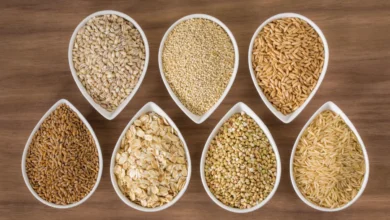
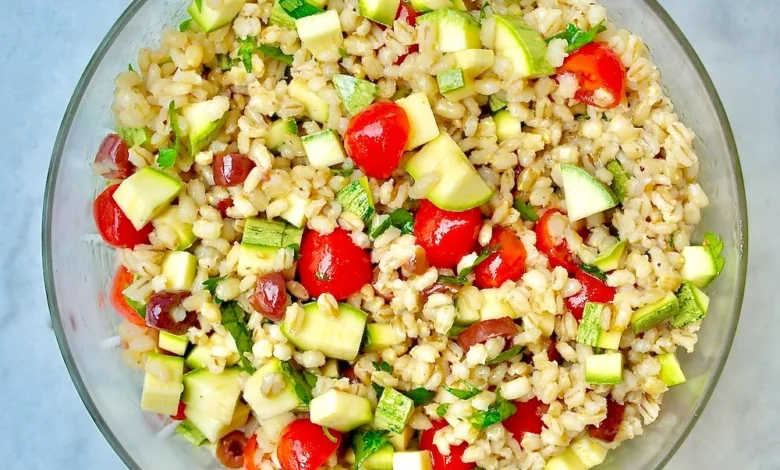
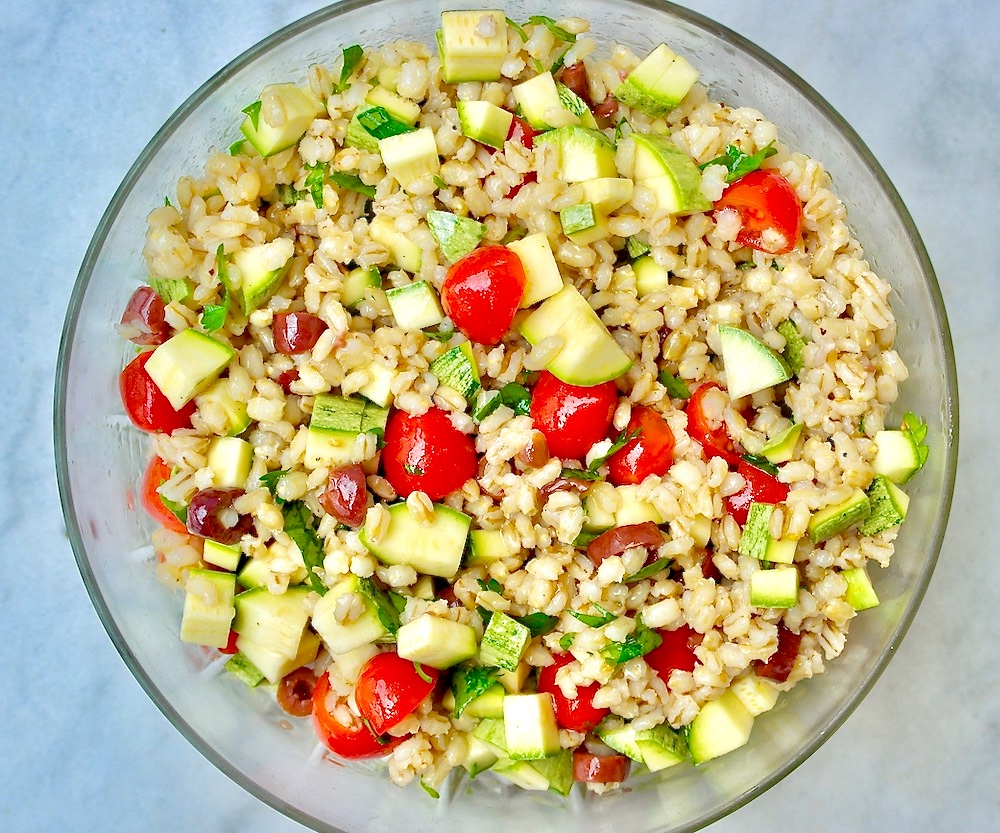
Unlike refined carbohydrates, which are stripped of their fibrous outer layers during commercial milling, traditional Mediterranean grains retain their structural integrity. Across different micro-regions, staples such as barley, bulgur, farro, and whole-grain bread have served as dietary mainstays for generations. These unrefined grains provide an essential matrix of complex carbohydrates, dietary fiber, essential B-vitamins, and minerals.
From a physiological perspective, the high fiber content in whole grains slows glucose absorption, preventing sharp insulin spikes and enhancing postprandial satiety. When paired with seasonal vegetables, legumes, and healthy fats, whole grains form the backbone of simple, nutritionally complete meals that support gastrointestinal health and metabolic stability.
Aromatic Herbs and Plant Bioactives: The Role of Oregano
Flavor is a critical driver of dietary adherence, and traditional Mediterranean cooking achieves culinary depth without relying on excessive sodium, refined sugars, or heavy, cream-based sauces. Aromatic herbs, most notably dried Greek oregano, are utilized generously to elevate the flavor profiles of simple vegetables, legumes, fish, and tubers.
Beyond its sensory contributions, culinary herbs are dense in phytochemicals and antioxidant compounds. Scientific analyses indicate that Mediterranean herbs possess significant concentrations of polyphenols and antimicrobial agents. By making everyday, nutrient-dense foods exceptionally palatable, herbs encourage higher consumption of vegetables and plant-based proteins, bridging the gap between nutritional necessity and culinary enjoyment.
Fermented Dairy: The Functional Versatility of Greek Yogurt
Dairy consumption within the Mediterranean basin differs significantly from industrialized Western patterns. Traditional Greek yogurt, produced by straining whey from fermented milk, is naturally thicker, lower in lactose, and richer in protein than conventional fluid yogurts. Rather than being positioned as a specialized functional supplement, it has historically functioned as an everyday food.
Nutritionally, authentic strained yogurt supplies high biological value protein, bioavailable calcium, and phosphorus. Furthermore, varieties containing live and active bacterial cultures contribute beneficial probiotics to the gastrointestinal microbiome. Research increasingly links a diverse and balanced gut microbiome—supported by fermented foods and high-fiber plant matter—to improved immune function, metabolic regulation, and gut-brain axis signaling.
The Lipid Foundation: Extra Virgin Olive Oil
No discussion of the Mediterranean diet is complete without examining its primary culinary fat: extra virgin olive oil (EVOO). In nations such as Greece, which records the highest per capita consumption of olive oil globally, EVOO is integrated into virtually every culinary application, from sautéeing and roasting to raw dressings and baking.
EVOO is chemically and nutritionally distinct from refined vegetable oils. Composed primarily of monounsaturated fatty acids—predominantly oleic acid—it also contains a complex profile of minor components, including tocopherols and potent phenolic compounds such as oleocanthal and oleuropein. Numerous clinical investigations, including the landmark PREDIMED (PREvención con DIeta MEDiterránea) trial, have demonstrated that a Mediterranean diet supplemented with extra virgin olive oil significantly reduces the incidence of major cardiovascular events, stroke, and myocardial infarction compared to low-fat control diets. Furthermore, lipid experts emphasize that the Mediterranean diet is inherently high-fat, anchored by the protective properties of unrefined plant oils rather than animal fats.
Abundant Seasonal Vegetables
Vegetables form the visual and volumetric core of Mediterranean meals. Tomatoes, dark leafy greens, cruciferous vegetables, zucchini, eggplants, and bulb vegetables are consumed in high volumes, reflecting seasonal agricultural cycles.
Rather than treating vegetables as peripheral side dishes, traditional Mediterranean culinary methods elevate plant foods to the center of the plate. Slow-cooked vegetable stews, olive oil-braised greens, and herb-stuffed produce maximize both nutrient bioavailability and culinary satisfaction. Epidemiological data consistently correlate high daily intakes of diverse vegetables with lower systemic inflammation, reduced oxidative stress, and a decreased risk of multiple chronic pathologies, including various malignancies.
Broader Public Health Implications and Lifestyle Integration
Public health officials and registered dietitians frequently stress that the efficacy of the Mediterranean diet extends beyond its biochemical components to encompass behavioral and environmental factors. The traditional lifestyle associated with this nutritional model includes regular, low-intensity physical activity—such as agrarian labor or daily walking—adequate rest, and a profound cultural emphasis on communal dining.
The social dimension of the Mediterranean meal—characterized by unhurried eating, family connection, and the celebration of seasonal harvests—plays a documented role in moderating cortisol levels and preventing overeating through mindful consumption. As global healthcare systems grapple with the rising economic and human tolls of lifestyle-related chronic diseases, health economists and policy analysts point to the Mediterranean framework as a viable, preventive blueprint for public health interventions.
By prioritizing minimally processed, agricultural-based foods, fostering positive relationships with eating, and honoring culinary traditions that span millennia, the Mediterranean diet transcends contemporary nutritional fads. It remains an enduring, scientifically validated standard for achieving optimal human health and longevity.