The Ultimate Guide to Mastering Versatile Greek Yogurt Sauce for Mediterranean Cuisine

In the landscape of modern culinary arts, few components possess the transformative power of a well-balanced, high-quality sauce. Among the most versatile and nutritionally dense options is the traditional Greek yogurt-based sauce, a staple that has transcended its regional origins to become a cornerstone of global health-conscious cooking. Characterized by its creamy texture, vibrant acidity, and aromatic herb profile, this preparation serves as a foundational element in the Mediterranean diet—a dietary pattern consistently ranked by the U.S. News & World Report as the world’s healthiest.
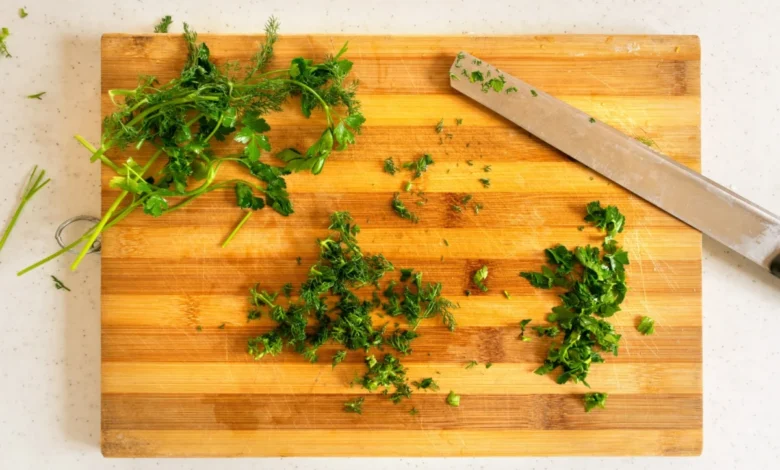
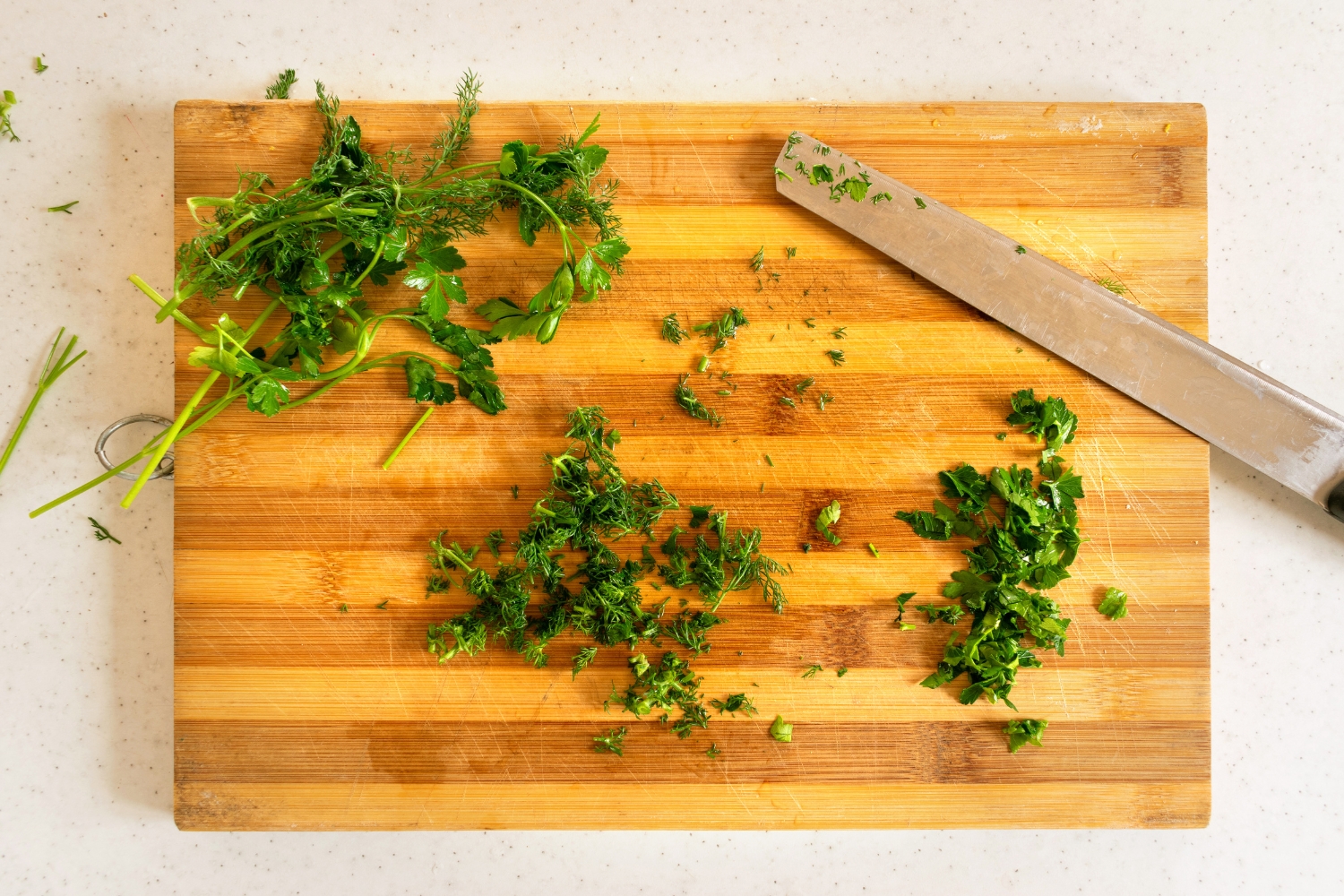
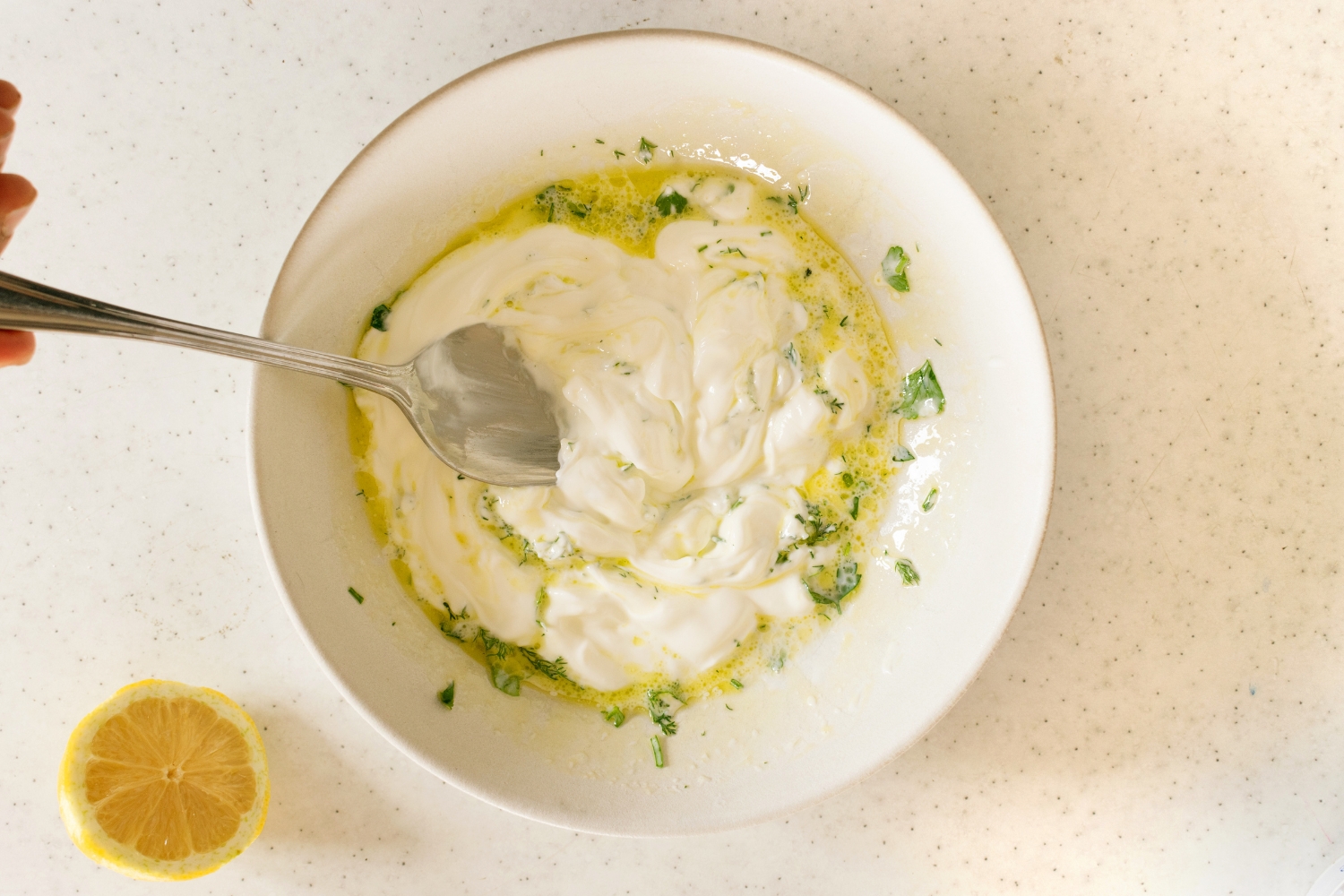
The appeal of this sauce lies in its elegant simplicity. By combining thick, strained Greek yogurt with high-quality extra virgin olive oil, freshly squeezed lemon juice, finely grated garlic, and a bouquet of fresh herbs—specifically dill and parsley—home cooks can elevate a mundane meal into a nutritionally robust culinary experience in less than five minutes. Unlike complex French sauces that require reduction or emulsification, this Greek-inspired mixture relies on the natural integrity of its ingredients, requiring no heat and minimal technical skill.
The Nutritional Foundation and Mediterranean Context
The integration of yogurt-based sauces into daily consumption aligns with broader public health initiatives that emphasize the reduction of saturated fats and the inclusion of fermented, probiotic-rich foods. Greek yogurt, which is strained to remove excess whey, offers a higher protein content and a denser consistency than traditional yogurts.
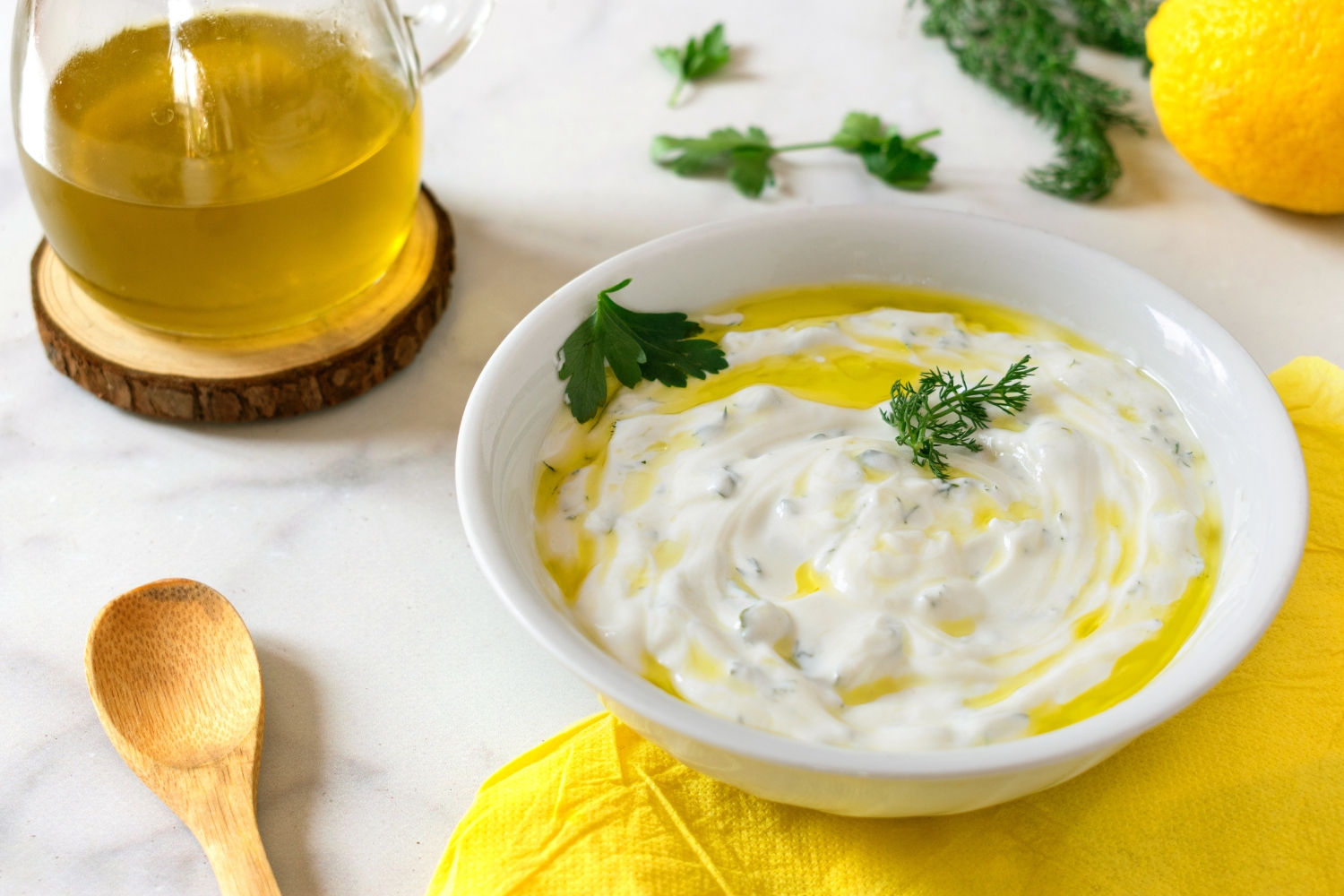
According to nutritional data, a standard serving of this sauce contains approximately 65 calories, with 4 grams of protein and 5 grams of fat—predominantly from the heart-healthy monounsaturated fats found in extra virgin olive oil. This profile provides a stable glycemic impact, making it an ideal condiment for individuals managing metabolic health. The inclusion of fresh herbs like dill and parsley introduces essential micronutrients, including vitamins A, C, and K, as well as potent antioxidants that combat oxidative stress.
The Mediterranean diet, which this sauce exemplifies, has been the subject of extensive longitudinal studies. Research published in journals such as The New England Journal of Medicine indicates that adherence to this diet—characterized by high intake of olive oil, legumes, unrefined cereals, fruits, and vegetables, with moderate consumption of dairy—is associated with a significantly reduced risk of cardiovascular events and improved longevity.
Chronology of Culinary Integration
While the use of fermented dairy in the Mediterranean basin dates back thousands of years—with early records of yogurt-like substances appearing in ancient Mesopotamian and Greek texts—the specific formulation of this herb-forward sauce has evolved alongside the global popularization of "clean eating" in the 21st century.
- Ancient Period: Early nomadic populations in the Levant and Balkans utilized fermentation as a method for preserving milk, creating the precursor to modern Greek yogurt.
- Mid-20th Century: The "Seven Countries Study" led by Ancel Keys in the 1950s brought global attention to the health markers of Mediterranean populations, cementing the region’s dietary habits as a blueprint for Western wellness.
- Early 2000s: The commercial availability of authentic, thick-strained Greek yogurt in North American supermarkets catalyzed the home-cooking trend of incorporating yogurt as a healthy alternative to mayonnaise or sour cream.
- Present Day: The sauce has become a staple of modern meal-prep culture, favored for its ability to maintain quality under refrigeration and its extreme versatility across protein and vegetable categories.
Technical Methodology: The Science of Emulsification and Flavor
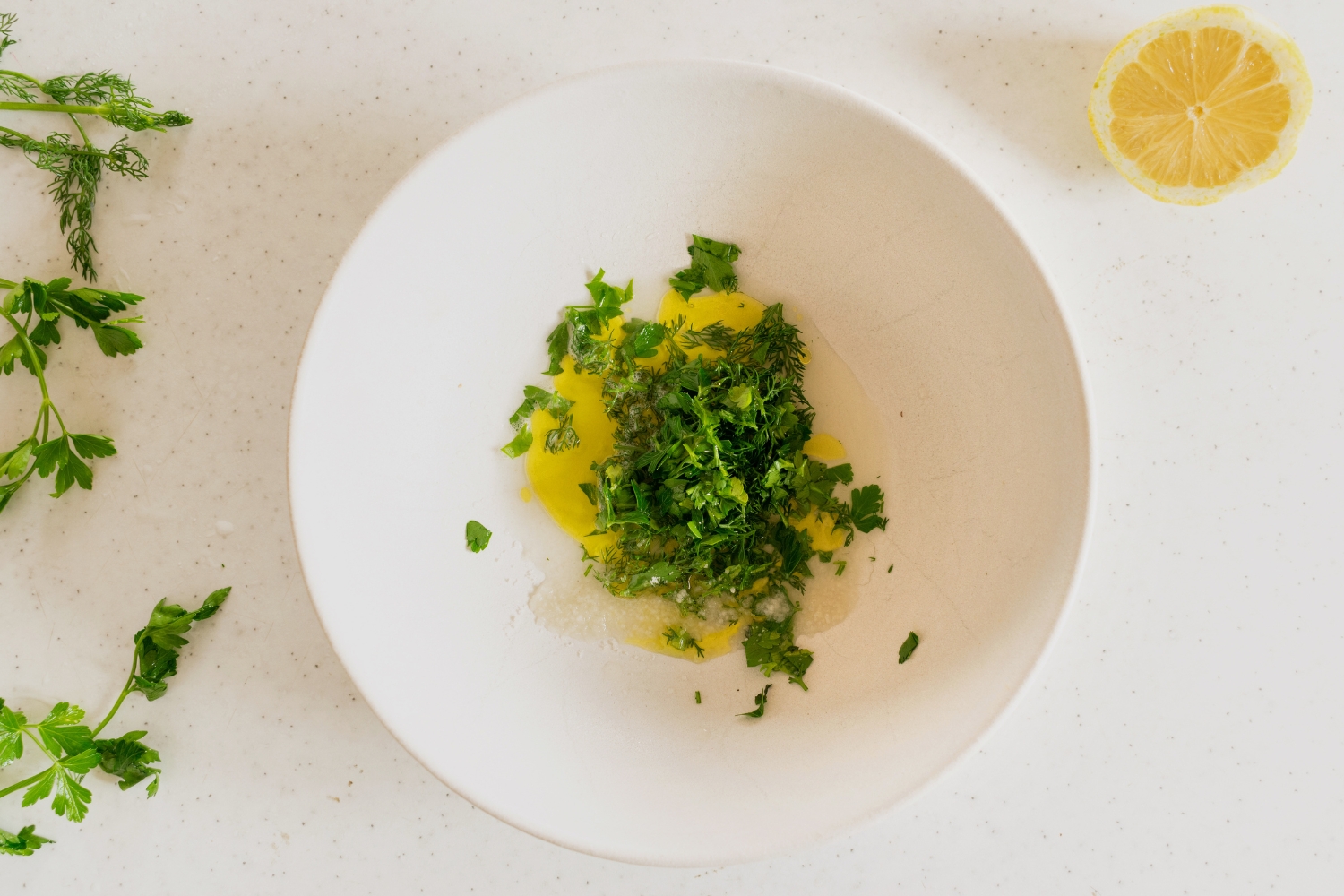
Achieving the ideal consistency for this sauce requires adherence to specific preparation techniques. Culinary professionals emphasize the importance of the sequence of ingredient integration. By whisking the lemon juice, salt, grated garlic, and olive oil before introducing the yogurt, the cook initiates a mild emulsification process. This ensures that the aromatic oils from the garlic and the herbaceous notes of the dill and parsley are evenly distributed, rather than floating in isolated pockets within the thick yogurt base.
The choice of garlic preparation is critical. Using a microplane or fine grater to process the garlic clove ensures that the sulfurous compounds are fully released without leaving large, pungent chunks. This technique creates a seamless flavor profile that permeates the sauce, providing depth without overwhelming the palate.
Temperature control also plays a significant role in the final output. While the sauce can be served immediately, allowing it to rest in a refrigerated environment for at least 30 minutes facilitates a chemical "mingling" of flavors. The acidity of the lemon juice gently breaks down the cellular structure of the herbs, intensifying their aromatic presence and softening the raw bite of the garlic.
Economic and Practical Implications
From a household management perspective, this sauce offers a cost-effective solution to the problem of "meal fatigue." In a standard kitchen, it functions as a universal condiment:
- As a Dip: Serving it alongside raw vegetables, pita chips, or falafel provides a protein-rich alternative to processed, store-bought dips.
- As a Drizzle: It acts as a finishing touch for grilled proteins, specifically chicken skewers or baked white fish, adding moisture and a cooling element to hot dishes.
- As a Base: When thinned with a small amount of water or extra olive oil, it transforms into a creamy salad dressing, suitable for grain bowls or fresh garden salads.
The shelf life of this preparation is an essential factor for consumers. When stored in an airtight, glass-based container, the sauce maintains its integrity for several days. Unlike mayonnaise-based sauces, which can be prone to spoilage if left at room temperature, the natural acidity of the yogurt and lemon provides a modest barrier against bacterial growth, though standard food safety guidelines dictate that it should be returned to the refrigerator promptly after use.
Expert Analysis: The Shift Toward Simplified Nutrition
Culinary sociologists suggest that the rise of such recipes signals a broader shift in consumer behavior. As modern life becomes increasingly fast-paced, there is a growing demand for "component cooking"—a strategy where individuals prepare a few versatile building blocks at the start of the week to assemble complex meals quickly.
"The beauty of this sauce is that it requires no cooking, yet it provides the depth of flavor typically associated with slow-cooked gravies or reductions," notes one food industry analyst. "It represents the democratization of high-quality food. You don’t need professional training; you only need high-quality raw ingredients."
Addressing Common Implementation Barriers
Despite its simplicity, some home cooks encounter challenges related to ingredient selection. The primary error is the use of non-strained, thin yogurt, which leads to a runny consistency. For the intended result, a "Greek-style" yogurt—preferably with at least 5% milkfat for a luxurious mouthfeel—is recommended. Furthermore, the substitution of dried herbs for fresh is discouraged by culinary experts, as dried herbs lack the volatile oils necessary to provide the bright, "green" top notes that define the flavor profile of this traditional sauce.
If the acidity of the lemon juice is perceived as too sharp, the balance can be adjusted by increasing the ratio of olive oil, which acts as a fat buffer, or by adding a small quantity of high-quality honey to round out the flavor. However, the objective remains a savory, bright, and cooling sauce that acts as a canvas for the primary dish.
Broader Impact on Home Cooking Trends
The persistence of this recipe in contemporary meal plans illustrates the lasting power of Mediterranean culinary philosophy. By emphasizing fresh, seasonal, and minimally processed ingredients, home cooks are able to reduce their reliance on commercial, sodium-heavy bottled dressings. This transition is not merely a matter of taste; it is a significant step toward improving overall dietary quality.
As food prices continue to fluctuate, the reliance on staples like garlic, lemon, and yogurt—which are often among the most affordable items in the produce and dairy aisles—provides an economically viable path to eating well. The "Greek Yogurt Sauce" serves as a microcosm of this movement: simple, affordable, nutritionally superior, and globally adaptable. It is, by all professional assessments, a foundational recipe for the 21st-century kitchen.