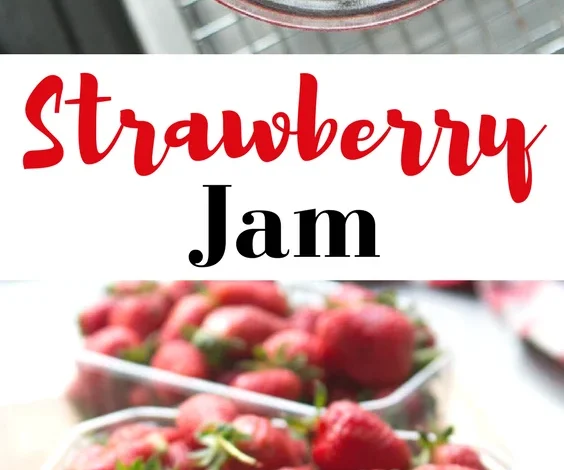
The recent surge in seasonal strawberry yields has prompted a renewed interest in home-based fruit preservation techniques, particularly the production of small-batch artisanal jam. Following an unexpected abundance of produce—often facilitated by the informal loyalty networks established between urban market vendors and regular patrons—culinary practitioners are turning toward classic, low-intervention methods to extend the shelf life of highly perishable stone and berry fruits. This transition from consumption to preservation is not merely a hobbyist endeavor; it reflects broader shifts in food sustainability and the increasing consumer preference for transparent, ingredient-focused food preparation.
The Mechanics of Fruit Preservation
At its core, the transformation of fresh strawberries into jam is a precise chemical process involving the interaction of fruit acidity, natural or added pectin, and sugar concentration. While industrial food processing relies on standardized formulas and high-temperature vacuum sealing to ensure shelf stability, the domestic approach favors smaller volumes to preserve the integrity of the fruit’s volatile aromatic compounds.
Professional food science dictates that jam-making is a temperature-dependent procedure. The goal is to reach the "gelling point," typically occurring at approximately 105°C (220°F). At this stage, the pectin molecules—structural polysaccharides found in the cell walls of the fruit—form a network that traps the sugar and water, creating the characteristic semi-solid consistency of jam. When working with late-season strawberries, which naturally possess lower levels of pectin compared to their early-season counterparts, producers often employ additives such as green apple shavings to bolster the structural integrity of the preserve.
Chronology of the Jam-Making Cycle
The timeline for producing high-quality strawberry jam is intensive, requiring careful attention to detail across several phases:
- Procurement and Preparation: Initial processing involves the meticulous washing and hulling of the fruit. This stage is critical; any residual debris or compromised fruit can introduce unwanted microorganisms that potentially destabilize the final product’s shelf life.
- Thermal Processing: The fruit and sugar mixture is brought to a boil. Unlike standardized cooking, this phase requires constant observation. Experienced practitioners advise against leaving the mixture unattended, as sugar-dense solutions are prone to rapid temperature spikes and caramelization, which can alter the flavor profile.
- Batch Management: Culinary analysis supports the "small-batch" philosophy. By limiting the volume of fruit cooked at one time, the surface-area-to-volume ratio remains optimal for rapid evaporation. This reduces the duration of exposure to high heat, thereby maintaining the bright, vibrant color and fresh flavor profile of the strawberries.
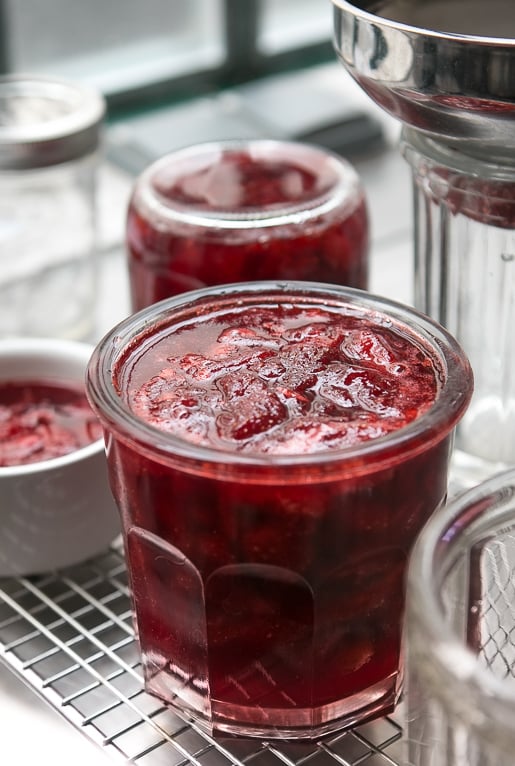
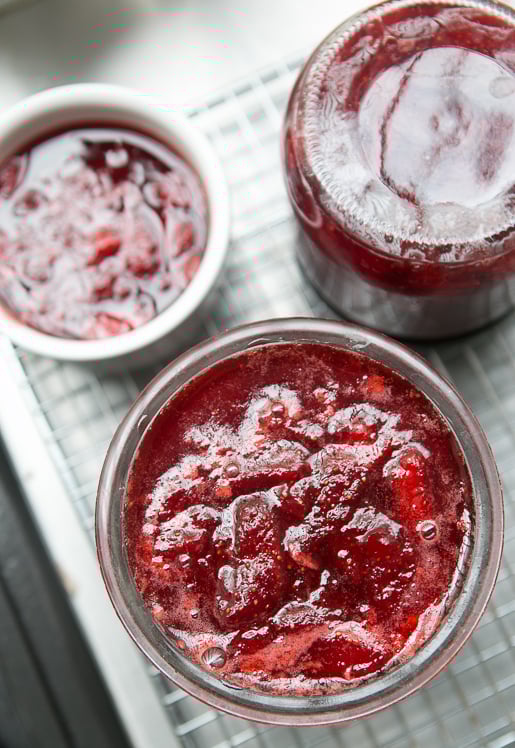
- Sterilization and Sealing: Jars must be thoroughly sanitized using boiling water to prevent spoilage. Once filled, the jars are inverted, a technique that utilizes the residual heat of the jam to sterilize the headspace and the underside of the lid, creating a vacuum seal as the contents cool.
Nutritional and Economic Data
From an economic perspective, home-preserving serves as a viable method for minimizing food waste during peak harvest seasons. Strawberries are notorious for their short post-harvest life, often spoiling within 48 to 72 hours under standard refrigeration. By converting these perishables into shelf-stable preserves, households can theoretically extend the usability of the fruit for up to twelve months when stored in a cool, dark environment.
Nutritionally, the process necessitates a high sugar-to-fruit ratio, which acts as a primary preservative by lowering water activity. While modern dietary guidelines suggest moderate sugar consumption, the role of sugar in this context is functional rather than purely aesthetic. It binds water molecules, effectively starving bacteria and mold of the hydration necessary for growth. Recent food safety data from the National Center for Home Food Preservation indicates that while sugar reduction is possible, it significantly alters the viscosity and safety parameters of the jam, often requiring specialized canning equipment to ensure a proper seal and prevent the risk of botulism in long-term storage.
Industry and Expert Perspectives
Culinary experts and food safety professionals emphasize the necessity of adherence to established guidelines when engaging in home canning. While the "inversion method"—flipping jars to create a seal—is a common tradition in many European households, official food safety authorities generally recommend water-bath canning for long-term, shelf-stable preservation. This method involves submerging filled, sealed jars in boiling water for a specific duration to ensure the destruction of heat-resistant pathogens.
"The primary risk in small-scale preservation is the misunderstanding of pH levels," notes one expert in food science. "Strawberries are generally acidic enough to be safe, but consistency is paramount. Variations in fruit ripeness and water content mean that every batch must be assessed on its own merits."
Broader Implications for Food Sustainability
The resurgence of interest in homemade preserves aligns with a broader "farm-to-table" movement that encourages consumers to engage directly with the agricultural cycle. By purchasing in bulk from local vendors, consumers not only support regional agricultural economies but also gain access to produce at the height of its nutritional density.
Furthermore, the practice of jam-making serves as a gateway for understanding food chemistry. It demystifies the additives found in commercial products—such as commercial pectin, citric acid, and preservatives—allowing the home cook to achieve similar results with only three or four raw ingredients. This movement toward "clean labels" in the domestic kitchen is mirrored in the retail sector, where consumers are increasingly scrutinizing the ingredient lists of store-bought jams, opting for those with fewer additives and higher fruit percentages.
Strategic Tips for Success
For those looking to optimize their jam-making outcomes, professional advice suggests the following:
- The Pectin Test: If the jam appears too liquid, do not overcook it. Instead, consider the addition of natural pectin sources or high-quality commercial alternatives.
- Equipment Selection: Use wide, shallow heavy-bottomed pans. This design allows for the most efficient evaporation, which is the primary driver of successful thickening.
- Storage Protocols: Regardless of the sealing method, all preserves should be stored in a cool, dry, and dark location. If the integrity of the seal is ever in doubt—indicated by a lack of a vacuum pop upon opening or signs of bubbling—the product should be discarded to avoid foodborne illness.
As the agricultural season shifts, the lessons learned from the strawberry harvest provide a blueprint for other produce. The principles of small-batch processing, strict adherence to sanitation, and an understanding of the fruit’s chemical composition remain universal. Whether the end result is a tart, spoonable condiment for breakfast or a base for dessert accompaniments, the process of preserving the season’s bounty offers both an economic hedge against rising food costs and a profound connection to the ingredients that define the culinary calendar.
In summary, the transition from surplus to storage is a practice rooted in both historical necessity and modern culinary refinement. By acknowledging the scientific requirements of gelling and the safety mandates of preservation, home producers can effectively capture the fleeting essence of the harvest, turning a temporary abundance into a year-round pantry staple. As market trends continue to prioritize local and sustainable consumption, the role of the home-preserver is likely to grow, reinforcing the value of traditional skills in an increasingly digitized and fast-paced food landscape.