The Real Mediterranean Diet: Unlocking Longevity Through Food, Movement, Social Connection, and Rest

The authentic Mediterranean diet, a lifestyle deeply rooted in the traditions of countries bordering the Mediterranean Sea, is emerging as a cornerstone of human longevity, extending beyond mere dietary choices to encompass a holistic approach to well-being. Extensive research consistently demonstrates its profound impact on reducing the risk of chronic diseases, safeguarding cognitive function, and promoting a healthier, longer life. However, the secret to the remarkable longevity observed in Mediterranean communities is not solely confined to the dinner plate. It is intricately woven into the fabric of daily life, encompassing patterns of physical activity, dedicated periods of rest, and the strength of social bonds. This comprehensive exploration delves into the scientific evidence supporting the Mediterranean lifestyle and offers practical insights for its integration into contemporary living.
The Pillars of the Mediterranean Diet: A Foundation for Health
At its core, the traditional Mediterranean diet is characterized by an abundance of plant-based foods, a significant departure from the meat-centric diets prevalent in many Western nations. This dietary pattern has been meticulously studied for decades, revealing a robust correlation with a reduced incidence of numerous chronic ailments. The scientific consensus is clear: diets rich in vegetables, fruits, legumes, whole grains, nuts, and seeds offer a powerful defense against conditions such as cardiovascular disease, type 2 diabetes, and certain types of cancer.
Within the Mediterranean framework, vegetable dishes frequently take center stage, often forming the main course rather than a mere side accompaniment. This emphasis on vegetables, coupled with the liberal use of herbs and spices, ensures a rich intake of antioxidants. These potent compounds, found abundantly in foods like leafy greens, vibrant fruits, and aromatic herbs, play a critical role in neutralizing harmful free radicals, thereby mitigating oxidative stress and protecting the body’s cells from damage.
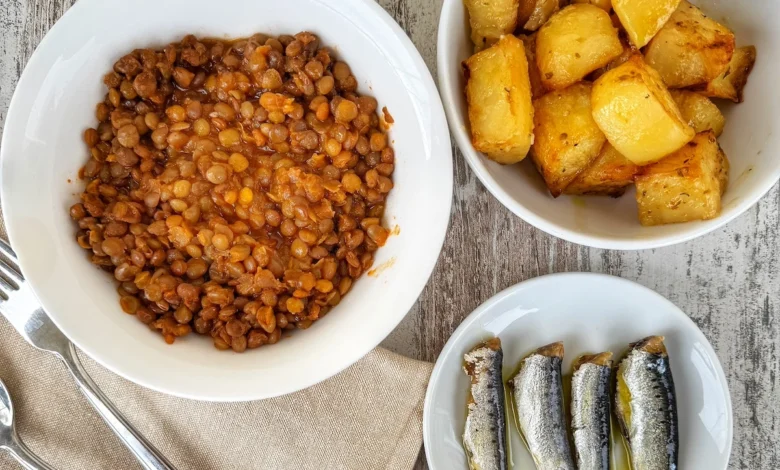
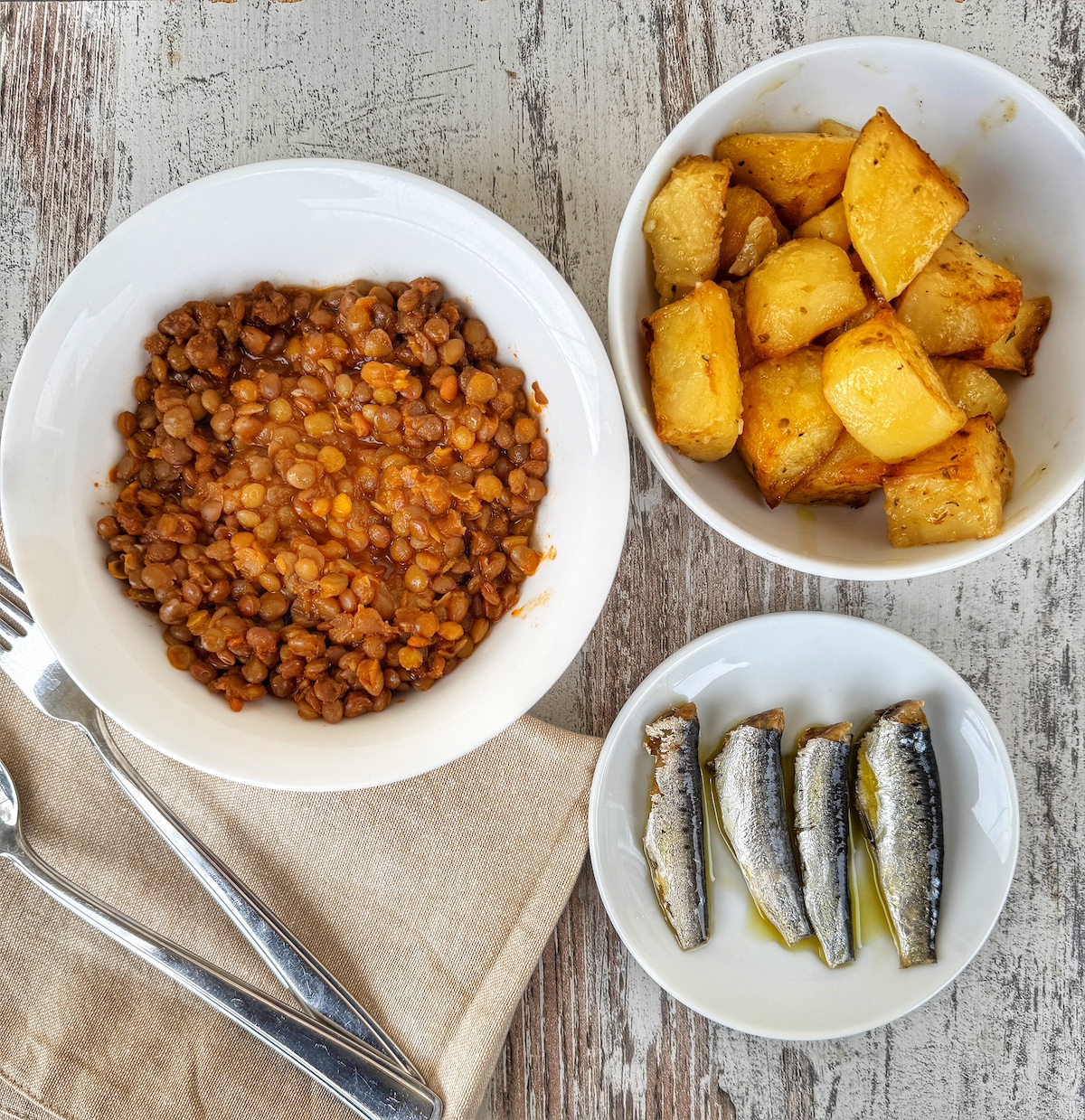
Fatty fish, such as sardines, mackerel, and anchovies, are also integral components, providing essential omega-3 fatty acids known for their anti-inflammatory properties and cardiovascular benefits. Olive oil, the quintessential fat of the Mediterranean diet, is another powerhouse of monounsaturated fats and polyphenols, offering further protection against chronic disease.
The protective mantle of the Mediterranean diet extends to neurodegenerative diseases as well. A substantial body of research indicates its efficacy in safeguarding against dementia and age-related memory loss. Studies published in journals like the Journal of the American Medical Association (JAMA) and the New England Journal of Medicine have consistently linked adherence to the Mediterranean diet with a slower rate of cognitive decline and a reduced risk of developing Alzheimer’s disease. For instance, the PREDIMED study, a large-scale randomized controlled trial, found that participants following a Mediterranean diet supplemented with extra virgin olive oil or nuts experienced a significant reduction in the incidence of stroke and major cardiovascular events. Furthermore, the diet is associated with less frailty in the elderly, a crucial factor in maintaining independence and quality of life in later years, thereby promoting not just longevity, but a healthier, more vibrant existence.
The Unsung Hero of Longevity: The Power of Social Connection
Beyond the culinary landscape, the social architecture of Mediterranean communities stands out as a significant contributor to their exceptional longevity. The strong emphasis on interpersonal relationships, extending from close-knit families to vibrant community networks, fosters a profound sense of belonging and connectedness. This social cohesion is not merely a pleasant aspect of life; it is a scientifically validated determinant of well-being and a predictor of a longer lifespan.
Research in social epidemiology has long highlighted the detrimental effects of social isolation and loneliness on health, linking them to increased risks of mortality, cardiovascular disease, and weakened immune function. Conversely, robust social ties are associated with lower stress levels, improved mental health, and enhanced resilience. In Mediterranean cultures, maintaining these connections is often facilitated through regular participation in community gatherings, religious services, or involvement in groups with shared interests or goals.
The concept of "third places" – informal gathering spots outside of home and work where social interaction flourishes – is particularly relevant. For many, these might be local churches, bustling coffee shops, or vibrant marketplaces where conversations flow freely, and community bonds are strengthened. These spaces provide opportunities for shared experiences, mutual support, and a sense of collective identity, all of which are vital for psychological and physical health. Studies, such as those examining the Blue Zones – regions of the world with the highest concentrations of centenarians – consistently identify strong social networks as a common thread among these long-lived populations. The social fabric of these communities acts as a buffer against life’s stresses, promoting emotional resilience and contributing to overall well-being.
The Seamless Integration of Everyday Movement
The role of physical activity in promoting long-term health is undeniable, offering a multitude of benefits ranging from weight management and cardiovascular health to mood enhancement and reduced symptoms of depression. However, in the context of Mediterranean longevity, the emphasis is less on rigorous, structured exercise regimens and more on the seamless integration of informal physical activity into the daily routine.
Mediterranean lifestyles are characterized by a natural inclination towards movement. Activities such as gardening, preparing meals from scratch, household chores, and walking for errands or social visits are not viewed as burdensome tasks but as inherent components of daily life. This consistent, low-to-moderate intensity physical activity contributes to maintaining muscle mass and bone density, crucial for mobility and independence as individuals age.
The ability to remain mobile is paramount for maintaining self-efficacy, enabling participation in social activities, and fostering a sense of productivity and connection within the community. For instance, a study published in the British Journal of Sports Medicine highlighted how regular, unstructured physical activity contributes to a lower risk of falls and fractures in older adults, thereby preserving their ability to engage in social interactions and maintain their independence. This inherent movement, woven into the fabric of everyday life, complements the dietary benefits, creating a synergistic effect that promotes sustained health and vitality throughout the lifespan.
Practical Application: Embracing the Mediterranean Lifestyle
The principles of the Mediterranean diet and lifestyle are not exclusive to a specific geographic region or demographic. They offer a universally applicable blueprint for enhancing health and longevity. By understanding the core components and adopting them gradually, individuals can make significant strides towards a healthier future.
H3: Adapting the Mediterranean Diet for Modern Living
- Prioritize Plant-Based Foods: Aim to fill at least half your plate with vegetables and fruits at every meal. Incorporate legumes, whole grains, and nuts into your daily intake.
- Embrace Healthy Fats: Replace saturated and trans fats with extra virgin olive oil for cooking and dressing. Include fatty fish in your diet at least twice a week.
- Moderate Dairy and Red Meat: Consume dairy products in moderation, opting for plain yogurt and cheese. Limit red meat consumption to a few times a month.
- Savor Flavor with Herbs and Spices: Reduce reliance on salt by using a generous amount of fresh and dried herbs and spices to flavor your dishes.
H3: Cultivating Social Connections
- Nurture Existing Relationships: Make time for family and friends. Schedule regular get-togethers and engage in meaningful conversations.
- Seek Community Involvement: Join local clubs, volunteer organizations, or religious groups that align with your interests.
- Embrace "Third Places": Frequent local cafes, parks, or community centers where you can interact with others.
- Practice Active Listening: When interacting with others, focus on truly listening and engaging in reciprocal dialogue.
H3: Integrating Everyday Movement
- Walk More: Opt for walking or cycling for short errands instead of driving. Take the stairs instead of the elevator whenever possible.
- Incorporate Active Hobbies: Engage in activities you enjoy, such as gardening, dancing, or playing sports.
- Household Chores as Exercise: View tasks like cleaning, vacuuming, and yard work as opportunities for physical activity.
- Take Active Breaks: During sedentary periods, stand up, stretch, and move around every 30-60 minutes.
H3: Prioritizing Rest and Relaxation
- Adequate Sleep: Aim for 7-9 hours of quality sleep per night. Establish a regular sleep schedule and create a relaxing bedtime routine.
- Mindful Breaks: Incorporate short periods of relaxation and mindfulness throughout the day to reduce stress. This could include deep breathing exercises or meditation.
- Leisure Time: Dedicate time for hobbies, creative pursuits, and activities that bring you joy and help you unwind.
The enduring legacy of the Mediterranean lifestyle offers a powerful testament to the profound impact of holistic well-being on human health and longevity. By embracing its core tenets – a nutrient-rich, plant-forward diet, vibrant social connections, consistent everyday movement, and mindful rest – individuals can chart a course towards a longer, healthier, and more fulfilling life. The scientific evidence is compelling, demonstrating that this time-tested approach is not merely a diet, but a way of life that holds the key to unlocking our fullest potential for vitality and longevity.